

Dark subculture art: origins, themes, and collector appeal
Dark subculture art is one of the most misunderstood creative traditions in the modern world. Strip away the skulls and shadows, and what remains is a deeply philosophical practice rooted in centuries of human reckoning with mortality, identity, and the unknown. Macabre, grotesque, and supernatural themes are not decorative choices made for shock value. They are a visual language. For collectors and enthusiasts drawn to gothic, occult, and horror aesthetics, understanding that language transforms how you see, appreciate, and ultimately choose the art that speaks to you.
Table of Contents
- Origins and evolution of dark subculture art
- Core themes and motifs behind the darkness
- Techniques and creative processes in dark subculture art
- The collector’s perspective: emotional appeal and market trends
- Beyond the darkness: why dark subculture art matters
- Where to find and collect dark subculture art
- Frequently asked questions
Key Takeaways
| Point | Details |
|---|---|
| Historic roots | Dark subculture art evolved from Gothic literature and Romanticism to embrace modern goth and occult themes. |
| Philosophical depth | Themes like mortality, rebellion, and psychological disturbance set dark art apart from other genres. |
| Distinct artistic methods | Artists use dramatic lighting, symbolism, distortion, and digital tools to create haunting visuals. |
| Collector appeal | Art enthusiasts and collectors prize emotional depth and unique motifs, fueling a growing market. |
| More than shock | Dark subculture art critically transforms taboo topics into beauty, identity expression, and cultural critique. |
Origins and evolution of dark subculture art
The roots of dark subculture art stretch back further than most people realize. Long before goth clubs and horror conventions, medieval European artists practiced memento mori, a tradition of embedding death imagery into paintings and sculptures to remind viewers of their own mortality. Skulls, hourglasses, and wilting flowers were not morbid decoration. They were philosophical statements.
The literary explosion of the 18th and 19th centuries gave this tradition new energy. Horace Walpole’s The Castle of Otranto (1764) launched Gothic fiction as a genre, and writers like Edgar Allan Poe and Mary Shelley pushed the form into psychological and supernatural territory. These works did not just tell dark stories. They established a visual and emotional vocabulary that artists absorbed and translated onto canvas and into sculpture.
Dark Romanticism emerged as a direct counterpoint to the optimism of mainstream Romanticism, embracing sin, psychological terror, and the grotesque as legitimate artistic subjects. The Decadent movement of the late 19th century and German Expressionism of the early 20th century continued this trajectory, amplifying distortion, shadow, and existential dread.
The 1980s goth subculture fused all of these threads into a living community, and modern dark aesthetics carry that lineage forward today. What began as literary and painterly tradition became a full subculture identity, something youth continue to embrace as a genuine form of self-expression.
Key movements that shaped dark subculture art:
- Medieval memento mori traditions
- Gothic literature (Walpole, Poe, Shelley)
- Dark Romanticism and the Decadent movement
- German Expressionism
- 1980s goth subculture
- Contemporary digital dark art
| Movement | Period | Core contribution |
|---|---|---|
| Memento mori | Medieval | Death as philosophical reminder |
| Gothic literature | 1700s to 1800s | Supernatural and psychological terror |
| Dark Romanticism | 1800s | Embracing sin and the grotesque |
| German Expressionism | Early 1900s | Distortion and existential dread |
| Goth subculture | 1980s to present | Community identity and aesthetic fusion |
Core themes and motifs behind the darkness
Once you understand the history, the visual motifs start to make sense. Dark subculture art is not random. Every skull, raven, and shadow carries weight.
Core themes include death, the grotesque, the uncanny, madness, the occult, and rebellion. These are not simply edgy choices. They are philosophical frameworks. The skull is not just a symbol of death. It is a prompt to live fully. The monster is not just frightening. It is a mirror for the parts of ourselves society asks us to hide.
“Beauty is not diminished by darkness. In dark subculture art, the two are inseparable. The terror and the sublime exist in the same breath.”
The concept of the uncanny, a term from psychology describing something familiar yet deeply unsettling, runs through much of this work. When you see a human figure with slightly wrong proportions, or a domestic scene lit with unnatural shadows, your brain registers wrongness before your conscious mind catches up. That discomfort is intentional. It creates emotional engagement that polished, optimistic art rarely achieves.
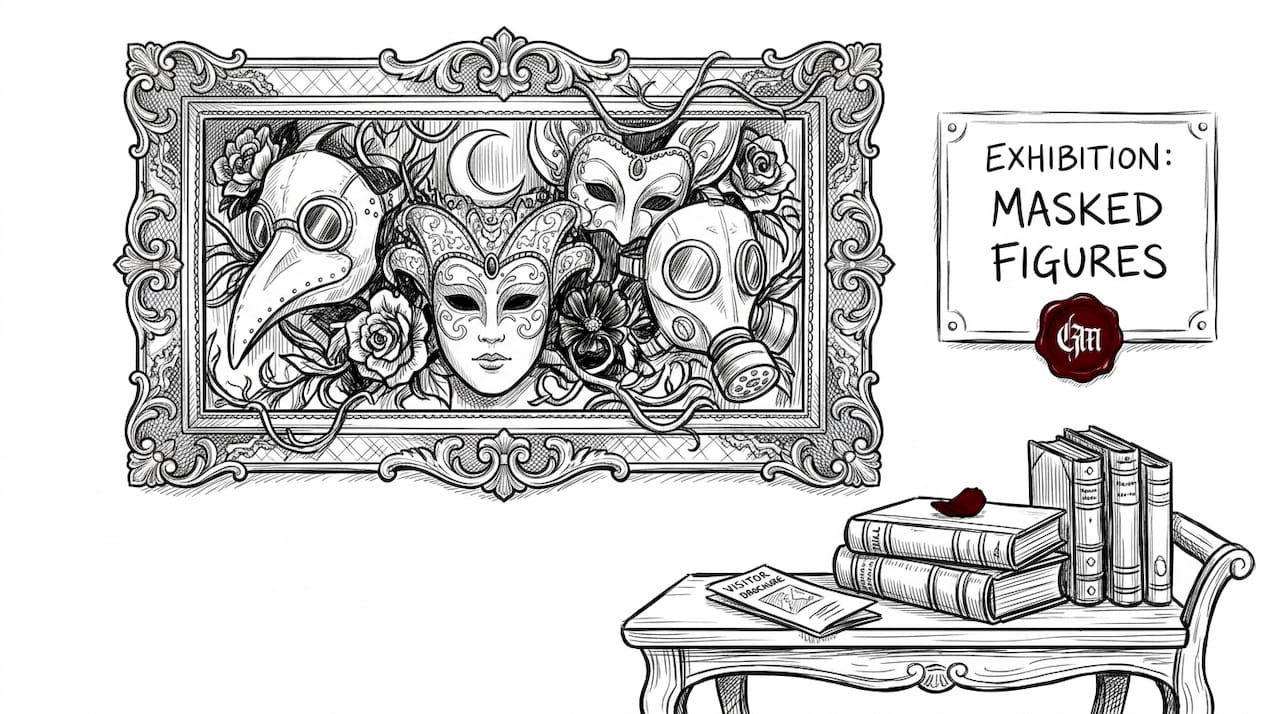
You can explore the full depth of gothic art symbolism to see how individual motifs carry layered meanings across centuries. The same symbols appear in symbolism in goth fashion, showing how visual language moves between art and wearable identity. For collectors, recognizing these symbols is the difference between buying a piece that looks cool and buying one that genuinely resonates.
Common motifs and their philosophical meanings:
- Skulls: Mortality, impermanence, and the value of present life
- Ravens and crows: Transition, intelligence, and the boundary between worlds
- Ouroboros (snake eating its tail): Infinity, cycles, and self-destruction as renewal
- Shadows and darkness: The unconscious, hidden truths, and psychological depth
- Decay: Transformation rather than simple ending
- Alchemical symbols: Esoteric knowledge and the pursuit of transformation
Dark subculture art also functions as a form of rebellion against sanitized mainstream aesthetics. Expressing identity through dark style is a way of insisting that the full spectrum of human experience deserves artistic representation.
Techniques and creative processes in dark subculture art
Knowing what dark art means is one thing. Understanding how artists achieve those effects is another, and it makes the work even more impressive.
The most foundational technique is chiaroscuro, the dramatic use of light and shadow to create depth, tension, and emotional weight. Renaissance masters used it. Caravaggio weaponized it. Dark subculture artists continue to use chiaroscuro, symbolism, distortion, and digital tools to build their haunting atmospheres.
Core techniques used in dark subculture art:
- Chiaroscuro lighting: Deep contrasts between light and shadow to create drama and psychological tension
- Symbolic object placement: Ravens, hourglasses, occult signs, and alchemical imagery positioned with deliberate intent
- Distortion and the uncanny: Slightly wrong proportions, impossible anatomy, or familiar scenes made strange
- Realism blended with surrealism: Hyper-detailed rendering of impossible subjects to make the unreal feel visceral
- Mixed media and digital tools: Combining traditional oil or ink techniques with digital layering for contemporary pieces
Pro Tip: When evaluating a dark art piece, look at where the light source is placed. Artists who understand chiaroscuro use light as a storytelling tool, not just illumination. A face lit from below reads as threatening. Light from above reads as divine. The choice is never accidental.
Traditional media like oil paint, ink, and charcoal remain popular because their textures naturally lend themselves to moody, layered effects. But digital tools have opened the form to a new generation of creators. You can see how these techniques translate into physical spaces by looking at guides on how to decorate with dark elegance or create a dark mystical space at home.
The best dark subculture artists do not simply apply dark techniques. They use every visual choice to deepen the emotional and philosophical content of the work.
The collector’s perspective: emotional appeal and market trends
For collectors, dark subculture art offers something mainstream markets rarely deliver: genuine emotional depth.
$2.4 billion. That is what dark art auctions reached in 2024, up 23% year over year. This is not a niche curiosity anymore. It is a serious and growing segment of the global art market, driven by collectors who prioritize emotional resonance over decorative appeal.
What draws collectors to this work? Several things, and they tend to reinforce each other:
- Emotional depth: Dark art engages with mortality, fear, and transformation in ways that feel honest rather than performative
- Rarity and specificity: The best pieces are not mass-produced. They carry the fingerprint of a specific artist and worldview
- Philosophical richness: Collectors who engage seriously with this work often describe it as a form of ongoing dialogue with the themes it explores
- Therapeutic resonance: Processing grief, trauma, or existential anxiety through art that names those experiences directly has real psychological value
- Community identity: Owning and displaying dark subculture art is a form of belonging and self-declaration
Conventions, online galleries, and platforms dedicated to alternative aesthetics have made this work far more accessible than it was even a decade ago. The gothic merchandise guide shows how the collector impulse extends beyond fine art into wearable and decorative objects. And understanding why gothic subcultures matter gives collectors a richer framework for the community they are joining when they invest in this work.
The market growth also reflects a broader cultural shift. Mainstream audiences are increasingly comfortable with dark aesthetics, which means the collector base is expanding beyond traditional subculture insiders.
Beyond the darkness: why dark subculture art matters
Here is the perspective most art commentary misses: dark subculture art is not about darkness for its own sake. It is about the sublime, that specific feeling of awe mixed with terror that philosophers like Edmund Burke identified as one of the most powerful human experiences.
When you stand in front of a piece that genuinely unsettles you, something real is happening. Your nervous system is engaged. Your assumptions are being tested. That is not nihilism. That is philosophy made visceral.
Dark subculture art functions as cultural critique and identity expression, transforming taboo subjects through the lens of the sublime. It challenges the cultural assumption that art should comfort and reassure. It insists that discomfort, grief, and the unknown are worthy subjects, not problems to be solved or hidden.
The misconception that this work is nihilistic or simply negative misses the point entirely. A painting of decay is not celebrating death. It is acknowledging transformation. A portrait of a monster is not endorsing cruelty. It is asking you to look at what you fear and understand it. The inspiration behind dark motifs consistently points toward meaning-making, not meaninglessness.
For collectors and enthusiasts, this reframe matters. You are not collecting darkness. You are collecting honesty.
Where to find and collect dark subculture art
Now that you understand the depth behind dark subculture art, the next step is finding pieces that genuinely speak to you.
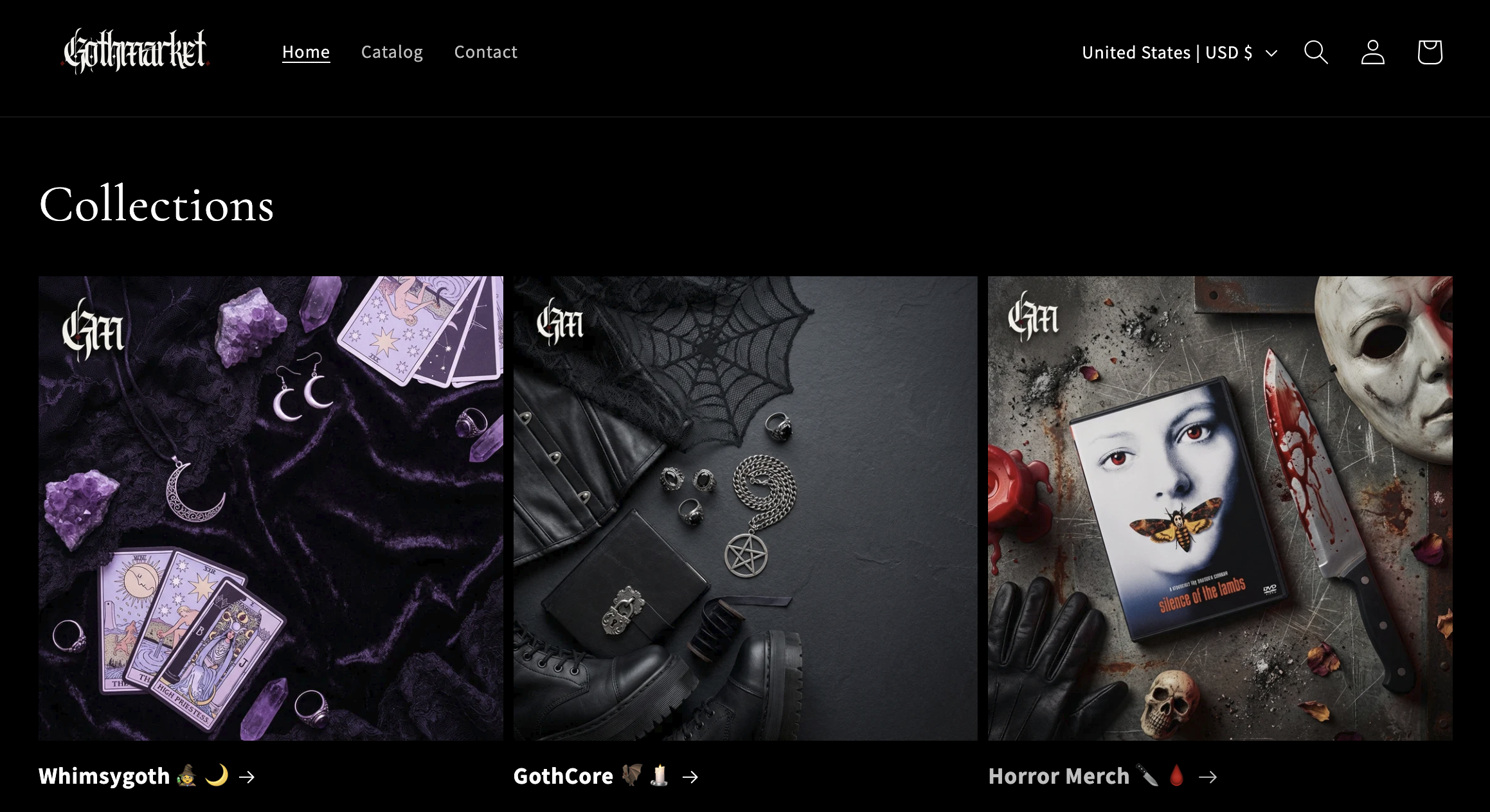
Goth.Market brings together independent creators and curated collections that span the full range of gothic, occult, and horror-inspired aesthetics. Whether you are building a serious collection or just beginning to explore, the platform offers entry points for every level of enthusiasm. Browse gothic jewelry for wearable art that carries the same symbolic weight as the pieces on your walls, or explore horror merch for collector-grade items rooted in the same traditions covered here. Every piece connects back to the living tradition of dark subculture art.
Frequently asked questions
What defines dark subculture art versus traditional gothic art?
Dark subculture art expands beyond gothic art by incorporating occult, horror, and rebellious motifs, often blending contemporary and psychological themes that traditional gothic art did not address.
Why do collectors value dark subculture art?
Collectors are drawn to emotional depth, rare motifs, and philosophical exploration of mortality and identity. Market value surged 23% in 2024, reflecting growing mainstream recognition of its significance.
Are dark subculture artworks always nihilistic or negative?
No. Most are deeply philosophical and therapeutic, exploring duality, transformation, and awe rather than simple negativity or despair.
What are some key techniques used in dark subculture art?
Chiaroscuro, symbolism, distortion, and digital mixed-media are the core tools, used together to create the emotional and psychological depth that defines the form.
Recommended
- Gothic Subculture Explained: 20% Youth Embrace Dark Identity – GothMarket
- Guide to Gothic Art Curation for Collectors and Creators – GothMarket
- Role of Art in Gothic Style – Inspiring Modern Dark Aesthetics – GothMarket
- Goth Home Decor: Expressing Identity Through Dark Style – GothMarket
- Mastering the Art of Daggers: A Buyer’s Guide – propswords