

What is gothic merchandise? Your guide to dark fashion
Gothic merchandise often gets reduced to black T-shirts and skull accessories, but this narrow view misses the rich cultural tapestry that defines alternative fashion and art. True gothic merchandise spans fashion, occult symbolism, handcrafted jewelry, and dark artistic expression that resonates with individuals seeking authentic self-expression. Whether you’re drawn to Victorian-inspired chokers, mystical tarot decks, or moody home décor, understanding what qualifies as genuine gothic merchandise helps you build a collection that reflects your unique identity. This guide clarifies categories, dispels stereotypes, and shows you how to identify and purchase authentic gothic items that align with your aesthetic vision.
Table of Contents
- Key takeaways
- Defining gothic merchandise: beyond stereotypes
- Popular gothic merchandise categories and their meanings
- How to choose and style gothic merchandise for authentic self-expression
- Where to find authentic gothic merchandise and what to watch out for
- Explore curated gothic merchandise at GothMarket
- Frequently asked questions about gothic merchandise
Key Takeaways
| Point | Details |
|---|---|
| Broader merchandise scope | Gothic items span fashion, occult symbolism, handcrafted jewelry, and dark art beyond simple black T shirts. |
| Symbolic depth matters | Authentic gothic pieces emphasize symbolic meaning and high craftsmanship over mass produced trends. |
| Identity through details | Pieces express individual identity via pendants, silhouettes, and expert finishing touches. |
| Evaluate symbolism and quality | When shopping, assess design storytelling and construction quality to ensure genuine gothic authenticity. |
Defining gothic merchandise: beyond stereotypes
Gothic merchandise represents far more than dark clothing or Halloween accessories. It embodies a cultural aesthetic blending dark themes with symbolic meaning, artistic craftsmanship, and alternative lifestyle values. While mainstream culture often reduces gothic style to simple color palettes, authentic gothic merchandise incorporates intricate symbolism, historical influences, and personal narrative.
Common gothic fashion items include black clothing as a foundation, but the real distinction lies in details like silver jewelry, chokers with symbolic pendants, layered accessories, and Victorian-inspired silhouettes. These pieces communicate identity through visual language rather than following temporary trends. The emphasis on craftsmanship and symbolic depth separates genuine gothic merchandise from generic dark-themed products.
Occult merchandise within the gothic sphere features symbols like crescent moons, pentagrams, mystical creatures, and ritual objects that connect wearers to spiritual or philosophical traditions. These items serve both aesthetic and meaningful purposes, allowing individuals to express beliefs or interests through carefully chosen pieces. Gothic art merchandise takes this further by incorporating dark romantic themes, macabre imagery, and architectural motifs that transform everyday items into statements of personal philosophy.
Pro Tip: When evaluating gothic merchandise, look beyond surface-level darkness to examine symbolism and craftsmanship quality. Authentic pieces feature intentional design elements that tell stories rather than simply appearing edgy.
Key characteristics that define authentic gothic merchandise:
- Symbolic depth reflecting historical, spiritual, or artistic traditions
- Quality materials like sterling silver, genuine leather, or hand-finished fabrics
- Attention to detail in construction, from chain links to fabric stitching
- Cultural authenticity rather than mass-market approximations
- Individual expression prioritized over conformity to trends
“Gothic style isn’t about wearing black for shock value. It’s about embracing aesthetics that resonate with your inner world and expressing identity through carefully curated pieces that carry meaning.”
Popular gothic merchandise categories and their meanings
Understanding specific categories helps you navigate the diverse landscape of gothic merchandise and identify items that align with your personal aesthetic. Each category serves distinct purposes while contributing to the broader gothic identity.
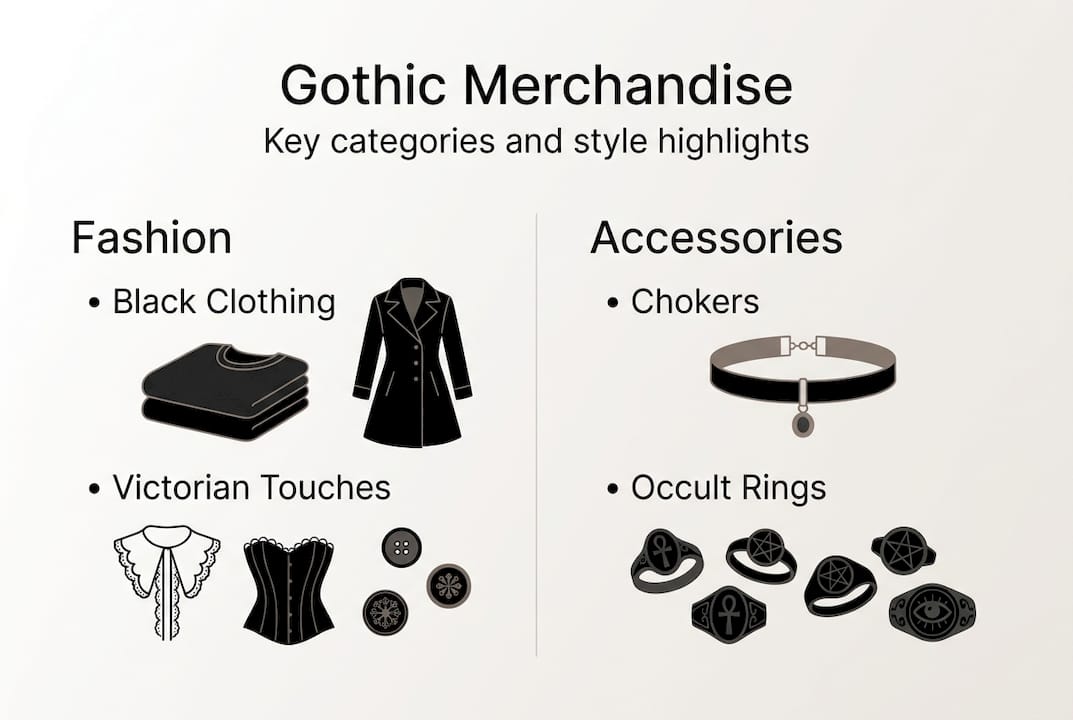
Gothic fashion forms the most visible category, encompassing black clothing as a foundation but extending into Victorian-inspired pieces, layered styles, and structured silhouettes. Think corsets paired with flowing skirts, fitted jackets with ornate buttons, or draped fabrics that create dramatic movement. These pieces reference historical periods while adapting to contemporary wearability, allowing you to blend timeless elegance with modern practicality.
Jewelry represents perhaps the most concentrated expression of gothic style. Chokers, rings, and layered chains dominate gothic jewelry collections, often featuring symbolic pendants like moon phases, crosses, keys, or mystical creatures. Silver remains the preferred metal for its cool tone and historical associations, though blackened metals and gemstones like onyx or garnet add depth. Each piece functions as both adornment and statement, communicating values or interests through visual symbolism.

Occult merchandise bridges aesthetics with spiritual or philosophical interests. Tarot decks designed with gothic artwork, crystal collections displayed in dark vessels, ritual candles with mystical scents, and altar objects featuring symbolic engravings all fall into this category. These items serve functional purposes for practitioners while appealing aesthetically to those drawn to mystical imagery without active practice.
Art and home décor extend gothic aesthetics beyond personal adornment into living spaces. Dark floral designs, gothic architecture motifs like pointed arches or gargoyles, moody color palettes dominated by blacks and deep purples, and romantic macabre themes transform environments. Prints featuring ravens, Victorian mourning imagery, or occult symbolism create atmospheric spaces that reflect personal identity.
Pro Tip: Use this comparison table to identify which categories match your current style and which areas you want to explore:
| Category | Primary Appeal | Typical Items | Investment Level |
|---|---|---|---|
| Fashion | Daily wearability | Black clothing, layered pieces, Victorian styles | Medium to high |
| Jewelry | Concentrated symbolism | Chokers, rings, pendants, chains | Low to medium |
| Occult | Spiritual/philosophical | Tarot decks, crystals, ritual objects | Low to medium |
| Art/Décor | Environmental transformation | Prints, sculptures, textiles | Medium to high |
- Start by identifying which category resonates most strongly with your current aesthetic interests and lifestyle needs.
- Research symbolic meanings within your chosen category to ensure items align with your personal values or interests.
- Compare quality markers like materials, craftsmanship details, and design authenticity before purchasing.
- Build your collection gradually, focusing on versatile pieces that complement existing items rather than acquiring randomly.
- Consider how different categories work together to create cohesive personal style across fashion, accessories, and environment.
Home décor deserves special attention because it extends gothic identity into private spaces where you spend significant time. Gothic home décor creates atmospheric environments through careful selection of colors, textures, and symbolic objects that transform ordinary rooms into reflections of inner aesthetic preferences.
How to choose and style gothic merchandise for authentic self-expression
Selecting gothic merchandise strategically ensures your collection reflects genuine identity rather than superficial trend-following. Authentic self-expression through gothic style requires understanding how individual pieces work together and communicate your unique perspective.
Choose signature pieces that resonate emotionally and aesthetically as your foundation. A statement choker, distinctive ring, or perfectly fitted jacket becomes the anchor around which you build outfits. These signature items should feel like extensions of your identity rather than costumes you wear. When something catches your attention, ask whether it speaks to your actual interests or simply looks generically gothic.
Mixing traditional gothic elements with modern touches creates unique personal style that avoids costume-like appearance. Pair Victorian-inspired blouses with contemporary fitted pants, or combine classic silver jewelry with minimalist black basics. This approach maintains gothic aesthetic foundations while ensuring wearability in various contexts. Styling gothic outfits authentically involves balancing classic elements with personal flair rather than rigidly adhering to historical accuracy.
Coordinating gothic jewelry and accessories amplifies outfit impact through intentional layering and symbolic coherence. Stack rings with complementary designs, layer necklaces at varying lengths, or match pendant symbolism to your current mood or intentions. Each accessory should enhance rather than compete, creating visual harmony that draws attention without overwhelming.
Consider symbolism when selecting occult or artistic merchandise to ensure alignment with your actual beliefs or interests. Wearing pentagram jewelry without understanding its meaning, for example, reduces powerful symbols to empty decoration. Research symbolic significance before incorporating items into your collection, respecting cultural and spiritual traditions these symbols represent.
Pro Tip: Start building your gothic wardrobe with versatile staple items from trusted sources rather than purchasing everything at once. Quality over quantity ensures lasting satisfaction and authentic expression.
Practical styling strategies for authentic gothic self-expression:
- Build around neutral black foundations that provide flexibility for adding statement pieces
- Invest in quality basics that withstand regular wear rather than trendy items with short lifespans
- Experiment with proportions by mixing fitted and flowing pieces for visual interest
- Use accessories to transform simple outfits into distinctly gothic expressions
- Adapt gothic elements to different contexts, from subtle office-appropriate touches to full alternative looks
Authenticity emerges when you prioritize personal resonance over external validation. Your gothic style should feel natural and comfortable, reflecting who you are rather than who you think you should be. Trust your instincts about which pieces speak to you, even if they don’t fit conventional gothic stereotypes. The most compelling gothic style comes from confident self-expression rather than rigid adherence to perceived rules.
Where to find authentic gothic merchandise and what to watch out for
Sourcing authentic gothic merchandise requires knowing where to look and how to distinguish quality items from mass-market imitations. The right retailers provide not just products but connections to gothic community and culture.
Buy from niche gothic retailers to ensure authenticity and quality. Specialized retailers provide authentic merchandise that supports the gothic community rather than exploiting aesthetics for profit. These businesses curate collections with attention to symbolism, craftsmanship, and cultural authenticity. They often work directly with independent creators who bring genuine passion to their designs.
Compare items carefully for craftsmanship quality, material authenticity, and symbolic accuracy before purchasing. Examine product photos for construction details like chain link quality, fabric weave consistency, or casting precision in metal pieces. Read descriptions thoroughly to verify materials, noting whether silver is genuine sterling or plated base metal. Check sizing information and return policies to avoid disappointment.
Avoid mass-market retailers offering generic gothic-inspired items that lack genuine design integrity. Fast fashion chains frequently appropriate gothic aesthetics without understanding cultural context or investing in quality materials. These items often feature poor construction, inaccurate symbolism, or designs that quickly look cheap. While initially affordable, they rarely provide lasting satisfaction or authentic expression.
Look for community reviews and brand reputation when shopping online. Established gothic retailers build reputations through consistent quality and customer service. Check independent reviews, social media presence, and community engagement to assess trustworthiness. Brands that actively participate in gothic culture and support independent creators typically offer more authentic merchandise than anonymous dropshippers.
Red flags indicating potentially inauthentic or low-quality gothic merchandise:
- Extremely low prices that seem too good to be true usually indicate poor quality materials or construction
- Generic product descriptions lacking specific material information or symbolic context
- Stock photos appearing across multiple unrelated websites suggesting dropshipping operations
- No clear return policy or customer service contact information
- Reviews that seem fake or overly promotional without specific product details
Comparison of gothic merchandise sources:
| Source Type | Authenticity | Price Range | Quality Control | Community Support |
|---|---|---|---|---|
| Specialized gothic retailers | High | Medium to high | Strong | Excellent |
| Independent creator platforms | Very high | Medium | Variable | Excellent |
| Alternative marketplace sites | Medium | Low to high | Variable | Good |
| Mainstream fashion retailers | Low | Low to medium | Weak | Poor |
| Fast fashion chains | Very low | Low | Very weak | None |
When shopping online, prioritize retailers with clear brand identities, detailed product information, and active community engagement. Look for sites that educate customers about symbolism and styling rather than simply pushing products. The best gothic retailers function as cultural resources, not just commercial operations.
Physical shopping at alternative boutiques, gothic festivals, or creator markets provides opportunities to examine quality firsthand and connect with community. Touching fabrics, trying on jewelry, and speaking directly with creators or knowledgeable staff enhances purchasing decisions. These experiences also build relationships within gothic culture and community, enriching your connection to the aesthetic beyond mere consumption.
Explore curated gothic merchandise at GothMarket
Finding authentic gothic merchandise that balances quality, symbolism, and affordability can be challenging when navigating countless online options. GothMarket solves this problem by curating collections specifically for individuals who value genuine alternative aesthetics over mass-market approximations.
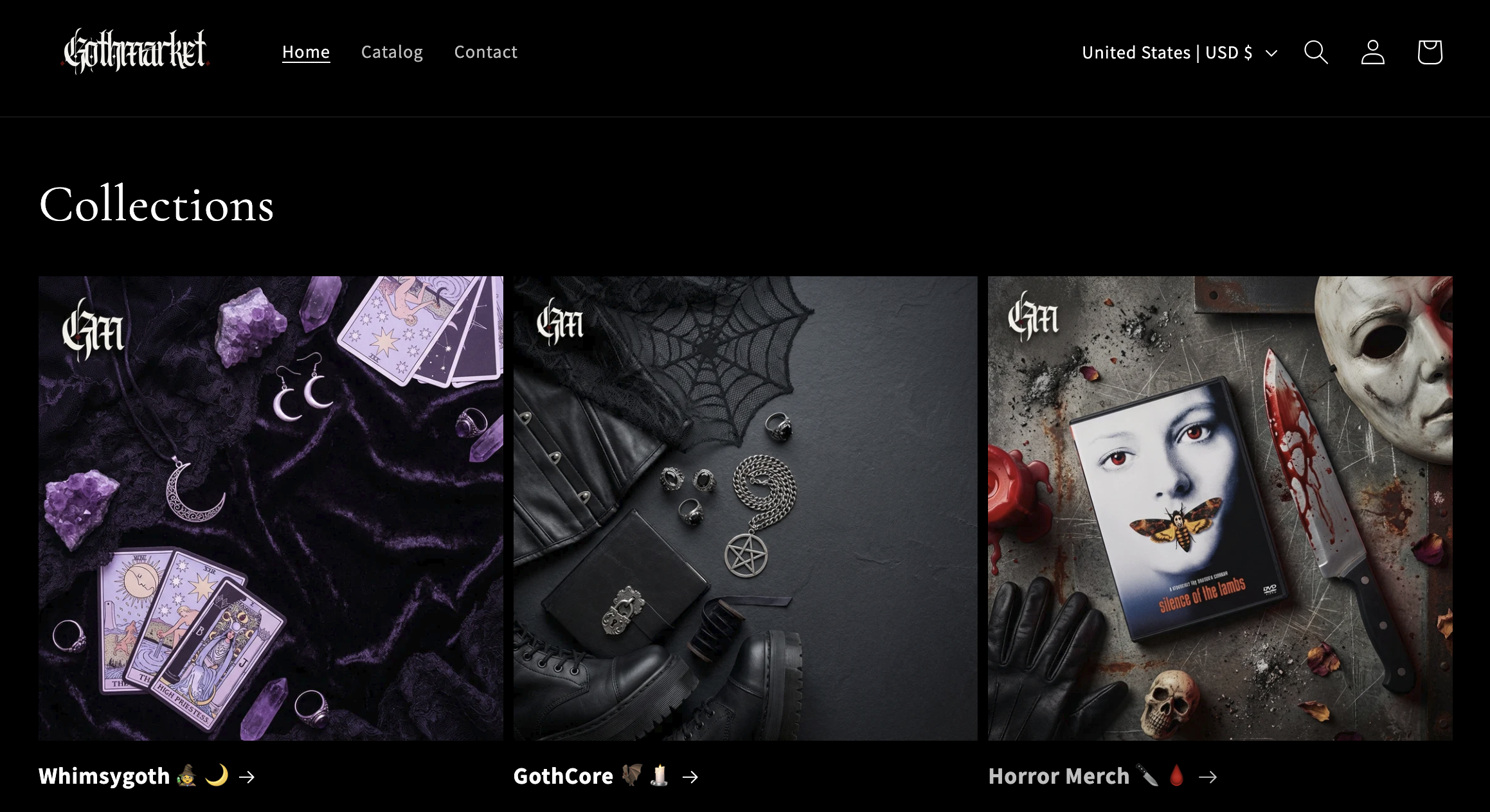
GothMarket offers extensive selections across gothic fashion, occult items, and handcrafted accessories that blend dark aesthetics with meaningful symbolism. Browse jewelry collections featuring chokers, rings, and themed pendants designed to enhance your gothic look with authentic craftsmanship. Each piece undergoes careful curation to ensure it meets standards for quality materials and symbolic integrity.
Discover exclusive items like the Celestial Chain Choker with moon pendant that combines elegant design with mystical symbolism, perfect for layering or wearing as a statement piece. Explore horror merchandise collections that bring macabre themes into everyday items with artistic sophistication. GothMarket connects you with independent creators and trusted vendors who share your passion for alternative culture.
Pro Tip: Browse themed collections on GothMarket to easily find items matching your specific gothic aesthetic, whether you’re drawn to Victorian romance, occult mysticism, or contemporary dark minimalism.
Frequently asked questions about gothic merchandise
What materials are common in gothic merchandise?
Gothic merchandise typically features sterling silver, stainless steel, genuine leather, natural fibers like cotton and velvet, and gemstones such as onyx, garnet, or amethyst. These materials provide durability while maintaining the aesthetic qualities that define gothic style. Quality gothic items avoid cheap plating or synthetic materials that quickly deteriorate.
Can gothic merchandise be worn in everyday fashion?
Absolutely. Gothic elements integrate seamlessly into everyday wardrobes through strategic piece selection and styling. Start with subtle accessories like simple silver rings or understated chokers, then build toward bolder statements as comfort increases. Different types of gothic fashion range from dramatic full looks to minimalist dark aesthetics suitable for any context.
How do I care for delicate gothic jewelry and accessories?
Store silver jewelry in anti-tarnish pouches or lined boxes to prevent oxidation. Clean metal pieces regularly with appropriate polishing cloths, avoiding harsh chemicals that damage finishes. Keep leather accessories conditioned and dry, storing them flat to maintain shape. Remove jewelry before swimming, showering, or applying cosmetics to extend lifespan.
Are there specific symbols I should know about when buying gothic items?
Yes. Common gothic symbols include pentagrams representing spiritual elements, crescent moons symbolizing feminine energy and cycles, ravens associated with mystery and transformation, and crosses reflecting various spiritual traditions. Research symbol meanings before wearing them to ensure alignment with your values and avoid cultural appropriation. Authentic gothic retailers often provide symbolic context in product descriptions.
Where can I find vintage or rare gothic merchandise?
Vintage gothic items appear at estate sales, antique shops specializing in Victorian or mourning jewelry, online vintage marketplaces, and gothic community swap events. Building relationships with specialized dealers helps access rare pieces before they reach public markets. Building a complete gothic wardrobe often involves mixing new items with carefully selected vintage finds that add unique character and historical authenticity.