

Why Gothic Subcultures Matter for Modern Identity
Most people see black clothing and dramatic makeup and assume Gothic subculture is just about looking dark. The reality is far deeper: the Gothic subculture is a visually rich, ideologically complex global community that uses distinct style as a statement of values and opposition to mainstream society. Understanding this culture means moving beyond tired stereotypes, uncovering the true meaning behind its symbols and the unique ways members build identity through community-driven expression.
Table of Contents
- Defining Gothic Subcultures And Misconceptions
- Evolution Of Gothic Fashion And Aesthetics
- Cultural Influence On Alternative Communities
- Role In Artistic And Self-Expression
- Empowering Marginalized Voices And Diversity
Key Takeaways
| Point | Details |
|---|---|
| Gothic identity is multifaceted | It transcends mere aesthetics, embodying a philosophical stance that resists mainstream social norms. |
| Diverse subcultures exist within Gothic communities | Groups such as Romantic Goths and Cyber Goths express unique values while sharing core principles of alternative identity. |
| Gothic spaces foster acceptance and creativity | They provide safe havens for marginalized individuals, enabling authentic self-expression and community belonging. |
| Modern Gothic fashion reflects evolving values | Today’s Gothic aesthetic incorporates sustainability, personal expression, and cultural diversity, influencing mainstream fashion while retaining its core philosophy. |
Defining Gothic Subcultures and Misconceptions
Gothic subculture is far more complex than the stereotypes suggest. Most people picture black clothing and dark aesthetics, but that’s only scratching the surface of what makes this community meaningful.
At its core, the Gothic subculture functions as a visually rich and ideologically complex global community that uses distinct aesthetic choices to signal values and beliefs. Members deliberately separate themselves from mainstream society through careful visual presentation.
But here’s what matters: Gothic identity goes beyond fashion choices. It represents a philosophical stance against normative social constructs.
What Makes Gothic Subcultures Distinct
Gothic subcultures aren’t monolithic. They include:
- Romantic Goths drawn to Victorian aesthetics and dark poetry
- Cyber Goths blending technology with gothic elements
- Victorian Goths embracing historical period clothing
- Deathrock enthusiasts focused on the music and theatrical elements
- Witchy Goths incorporating occult symbolism and practices
Each faction values slightly different aspects, yet they share core principles around alternative identity expression.
Here’s a comparison of notable Gothic subculture types and their primary inspirations:
| Subculture Type | Core Inspiration | Typical Expression |
|---|---|---|
| Romantic Goth | Victorian literature & art | Lace, poetry, ornate styles |
| Cyber Goth | Technology & rave culture | Bright accents, synthetic hair |
| Victorian Goth | Historical fashion | Corsets, petticoats, antique details |
| Deathrock | Punk music & theater | DIY outfits, dramatic makeup |
| Witchy Goth | Occult philosophy | Symbolic jewelry, ritual elements |
The Subculture vs. Post-Subculture Reality
Recent research shows that Gothic culture remains a subculture but is now more diverse, fragmented, and influenced by post-subcultural traits. This means Gothic identity has evolved beyond rigid boundaries.
Today’s Gothic communities are fluid. Members might engage deeply sometimes, then step back. Others blend Gothic aesthetics with entirely different lifestyle choices.
Common Misconceptions That Get It Wrong
People often misunderstand what Gothic identity actually means:
Misconception 1: It’s just about looking dark. Reality: The aesthetic serves as a deliberate communication tool, not mere decoration. Your clothing choices announce your values and creative vision to the world.
Misconception 2: Goths are depressed or suicidal. Reality: Research consistently shows no connection between Gothic identity and mental health struggles. This stereotype persists because of surface-level judgment.
Misconception 3: Gothic culture is dying. Reality: The subculture remains vibrant and continues attracting new members globally. It’s simply less visible to mainstream observers.
Misconception 4: All Goths worship Satan. Reality: Many Goths have spiritual beliefs ranging from atheism to various religions. Occult interest exists among some members, but it’s not universal.
Gothic identity is a legitimate form of self-expression grounded in philosophical opposition to mainstream values, not a phase or a cry for help.
Pro tip: When exploring gothic identity, focus on understanding the community’s values around individual expression, creative rebellion, and aesthetic autonomy rather than making assumptions based on appearance alone.
Evolution of Gothic Fashion and Aesthetics
Gothic fashion didn’t emerge overnight. It evolved from centuries of literary darkness, architectural grandeur, and musical rebellion—each layer adding complexity to what we recognize today.
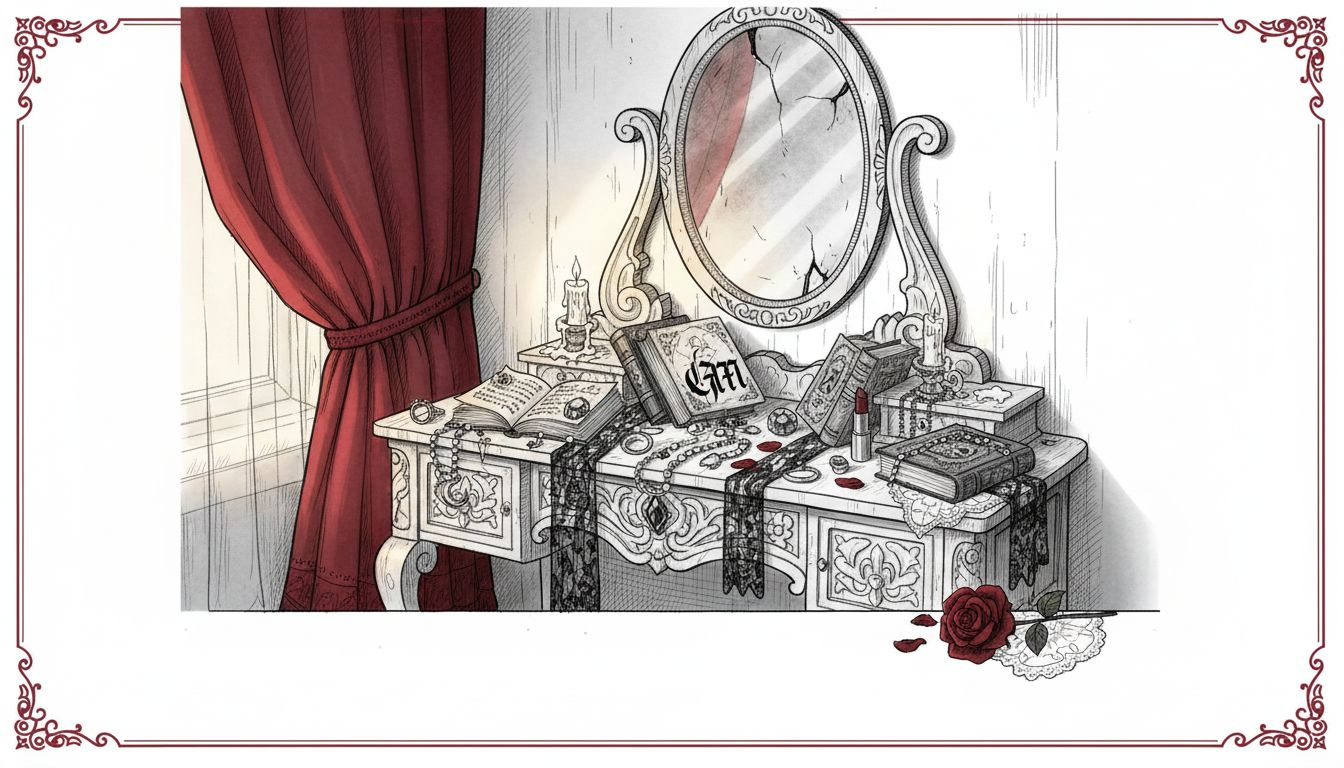
The aesthetic draws from multiple sources. Victorian corsetry, medieval imagery, and punk’s anti-establishment energy all blend together in modern Gothic wardrobes.
From Literature and Architecture to Street Style
Gothic literature and architecture laid the philosophical foundation. These influences shaped how Gothic fashion communicates rebellion and romance.
The conceptualization and design of Gothic-inspired fashion traces back through these historical roots, creating collections that embody darkness, romance, and philosophical opposition to mainstream culture.
What makes this evolution significant:
- Literary themes of darkness and introspection became visual statements
- Architectural elements like draping, structure, and dramatic silhouettes influenced clothing design
- Musical movements from Bauhaus to industrial rock added edge and attitude
- Punk rebellion introduced anti-fashion as fashion itself
The 1980s Turning Point
The 1980s marked when Gothic transformed into a distinct visual culture. This wasn’t coincidental—the decade created perfect conditions for alternative aesthetics to flourish.
Gothic fashion became more than clothing. It became a vehicle for personal transformation and transgression, allowing wearers to express identity through intentional boundary-crossing.
Key developments from this era:
- Siouxsie and the Banshees showed how makeup and clothing could define entire subcultural movements
- Depeche Mode brought electronic darkness into mainstream consciousness
- Independent fashion designers began creating specialized Gothic pieces
- Nightclubs became spaces where Gothic aesthetics could flourish without mainstream judgment
Modern Gothic Fashion Today
Gothic aesthetics no longer stay confined to subcultures. You see Gothic influence in haute couture, streetwear, and high fashion runways.
Modern Gothic fashion maintains core principles while adapting constantly. The aesthetic persists and evolves across multiple mediums—from Instagram styling to luxury collections.
Contemporary Gothic fashion embraces:
- Sustainability and ethical production as core values
- Personal customization over mass-market conformity
- Blending traditional Gothic with contemporary elements
- Gender expression freedom without mainstream restrictions
- Occult and witchy symbolism as intentional spiritual practice
Gothic fashion has evolved from subversive counterculture into a legitimate mode of self-expression that influences mainstream design while maintaining its core philosophy of individual autonomy.
Pro tip: Study how Gothic aesthetics blend historical references with personal interpretation—your unique style emerges by understanding these foundations and remixing them authentically rather than copying existing looks.
Cultural Influence on Alternative Communities
Gothic subcultures don’t exist in isolation. They actively shape how alternative communities form, organize, and challenge mainstream culture across the globe.
These communities represent something powerful: spaces where individuals can belong without conforming to dominant social expectations. Gothic culture creates networks of people united by shared values, aesthetics, and philosophical opposition to hegemonic norms.
How Gothic Communities Challenge Mainstream Culture
Alternative communities built around Gothic aesthetics function as counter-cultural urban spaces through practices that oppose mainstream norms. They reject consumer culture, beauty standards, and social hierarchies imposed by mainstream society.
This resistance isn’t passive. Gothic communities actively create:
- Underground venues and nightclubs where unconventional expression thrives
- Independent music labels supporting artists outside major industry structures
- DIY fashion and customization rejecting mass-market conformity
- Artistic communities collaborating on visual culture and performance
- Online networks connecting global alternative communities
Building Belonging Beyond Mainstream Acceptance
Many people find their first real sense of community within Gothic spaces. These aren’t just fashion groups—they’re support networks for people who never fit conventional molds.
Gothic communities foster a distinct sense of belonging grounded in acceptance. Members recognize each other’s need for alternative expression and respect individual differences rather than demanding conformity.
What makes these communities special:
- Judgment-free expression of gender, sexuality, and identity
- Artistic collaboration across music, fashion, visual art, and performance
- Mentorship and knowledge-sharing about aesthetic and spiritual practices
- Celebration of individuality rather than group uniformity
- Protection of vulnerable people seeking refuge from mainstream hostility
Contemporary Role of Goth Culture in Alternative Spaces
Modern Gothic culture remains a cornerstone of alternative communities despite fragmentation and diversity. Goth culture maintains subcultural substance and actively shapes alternative cultural spaces, fostering individualism and creativity.
Today’s Gothic communities emphasize personal autonomy. Members customize their aesthetic choices, spiritual practices, and community involvement based on individual needs rather than strict rules.
This flexibility strengthens rather than weakens Gothic culture’s influence:
- Younger members bring fresh perspectives and cultural references
- Intersectionality welcomes people across race, class, and ability backgrounds
- Cross-cultural adaptation means Gothic aesthetics evolve in different contexts
- Digital spaces allow participation regardless of geographic location
Gothic communities thrive because they prioritize individual authenticity over conformity, creating spaces where people can become fully themselves without apology.
Pro tip: Connect with local alternative communities through nightclubs, art events, and music venues rather than expecting online spaces alone to provide belonging—physical community involvement deepens your understanding and creates meaningful friendships.
Role in Artistic and Self-Expression
Gothic subcultures function as creative laboratories where people explore identity through intentional artistic choices. This isn’t casual fashion—it’s deliberate self-construction using visual language, music, and performance.
Every black piece, symbol, and makeup choice communicates something. Gothic aesthetics provide a toolkit for expressing complex emotions, societal critique, and individual authenticity that mainstream culture often rejects.
Fashion and Music as Identity Tools
Fashion and music serve as key indicators of Goth identity, facilitating deliberate self-expression beyond what mainstream culture allows.
These aren’t separate from identity—they are identity. When you carefully select clothing, customize pieces, and pair them with specific music choices, you’re constructing a coherent artistic statement about who you are.
Ways Gothic members use creative expression:
- Clothing customization through DIY modifications, patches, and unique styling
- Makeup artistry exploring theatrical techniques and personal aesthetics
- Musical engagement discovering and supporting niche artists
- Performance art at clubs, concerts, and community gatherings
- Visual documentation through photography and digital sharing
Communicating Values Through Aesthetic Choices
The distinct aesthetic used by the Gothic subculture communicates core values through visual and performative expressions. Every symbol means something intentional.
Gothic aesthetics challenge mainstream beauty standards. By embracing darkness, unconventional silhouettes, and theatrical presentation, members reject the pressure to conform to dominant culture’s narrow ideals.
Common symbolic meanings in Gothic expression:
- Darkness and black clothing represent philosophical depth and rejection of superficiality
- Victorian elements signal interest in history, romance, and intellectual complexity
- Occult imagery express spiritual exploration or fascination with forbidden knowledge
- Androgynous styling challenge rigid gender norms and expectations
- Theatrical makeup transform appearance into artistic statement
Beyond Fashion: Exploring Complex Emotions
Gothic self-expression allows people to process emotions mainstream culture dismisses. Sadness, anger, existential questioning, and dark creativity find legitimate outlets here.
This matters psychologically. Having a community that validates emotional depth prevents isolation and shame. Gothic spaces normalize discussing difficult feelings through art rather than suppressing them.
What Gothic creativity enables:
- Emotional authenticity without judgment or demands to “cheer up”
- Intellectual engagement with darker themes in philosophy and literature
- Spiritual exploration through various belief systems and practices
- Gender and sexuality freedom to express identity authentically
- Artistic collaboration across multiple creative disciplines
Gothic self-expression transforms personal identity from something fixed and imposed into something deliberately crafted, explored, and constantly evolving through creative choices.
Pro tip: Develop your personal Gothic aesthetic by collecting pieces that genuinely resonate with you rather than copying established looks—your most authentic style emerges when you understand the meanings behind choices and remix them according to your own values and creative vision.
Empowering Marginalized Voices and Diversity
Gothic subcultures have always provided refuge for people excluded by mainstream society. This space functions as more than community—it’s a platform for resistance, healing, and reclaiming power.
Marginalized individuals find permission here to exist authentically. Whether queer, racialized, disabled, or otherwise outside dominant culture, Gothic spaces validate experiences mainstream society dismisses or pathologizes.
Gothic as Queer Liberation
Gothic Queer Culture functions as a critical space where marginalized queer communities articulate their experiences. Gothicism provides aesthetic and philosophical frameworks for expressing trauma, exclusion, and resistance.
Queer people historically found safety in Gothic spaces where gender expression and sexuality could exist without judgment. The aesthetic’s embrace of darkness, androgyny, and non-conformity naturally aligned with queer identity exploration.
Ways Gothic spaces empower queer communities:
- Gender expression freedom beyond binary constraints
- Sexuality acceptance without pathologization or judgment
- Community mentorship from older queer members
- Artistic outlets for processing trauma and resilience
- Cultural spaces specifically designed for alternative identities
Addressing Racism and Centering Black Voices
Gothic culture interrogates racial violence and systemic racism through aesthetic and cultural critique. Black Goth creators and scholars have reclaimed Gothic aesthetics from whitewashed narratives.
Historically, Gothic imagery perpetuated racist stereotypes. Contemporary Black Gothic practitioners deliberately subvert this by centering their own experiences and reclaiming the aesthetic on their terms.
Critical conversations happening now:
- Decolonizing Gothic aesthetics and acknowledging African diasporic influences
- Platforming Black Gothic creators in fashion, music, and visual arts
- Confronting racist gatekeeping within predominantly white Gothic spaces
- Centering Black experiences of darkness, spirituality, and resistance
- Building intentionally anti-racist alternative communities
Intersectionality and Accessibility
Modern Gothic communities increasingly recognize that marginalization intersects. Someone might face oppression based on race, disability, class, and gender simultaneously.
Progressive Gothic spaces actively work to become accessible and welcoming. This means addressing ableism, financial barriers to participation, and creating environments where all marginalized people feel valued.
What inclusive Gothic communities prioritize:
Below is a summary of how Gothic communities uniquely support marginalized groups:
| Focus Area | Gothic Space Approach | Unique Benefit |
|---|---|---|
| Queer Liberation | Rejects gender/sexuality binaries | Safe expression, community mentorship |
| Racial Inclusion | Centers Black voices, critiques racism | Decolonized aesthetics, culture critique |
| Accessibility | Prioritizes venue and event access | Reduces barriers for disabled members |
| Intersectionality | Recognizes overlapping identities | Fosters radical acceptance |
- Accessible venues with ramps, seating, and sensory considerations
- Affordable participation through sliding-scale events and thrifting knowledge
- Diverse representation in lineups, leadership, and community visibility
- Anti-racism training and accountability for problematic behavior
- Recognition of disability justice and neurodivergence
Gothic spaces work best when they actively center the experiences of most-marginalized community members and hold themselves accountable to continuously becoming more welcoming and just.
Pro tip: Seek out and support Gothic creators and businesses run by marginalized people—intentionally follow Black Goths, queer Goths, disabled Goths, and creators of color whose work challenges dominant narratives and enriches the entire community.
Embrace Your Modern Gothic Identity with Unique Style
Understanding why Gothic subcultures matter today means recognizing the power of deliberate self-expression through distinctive aesthetics and meaningful symbolism. Whether you identify with the romantic allure of Victorian Goth, the tech-inspired edge of Cyber Goth, or the spiritual depth of Witchy Goth, finding authentic pieces that reflect your personal philosophy is crucial. At GothCore 🦇 🕯️ – GothMarket, explore curated collections designed to help you craft a look that communicates your values beyond surface-level fashion.
Elevate your identity with carefully selected gothic fashion, occult jewelry, and artistic accessories that symbolize your opposition to mainstream conformity. Don’t settle for mass-market imitations when you can discover unique, independent creators committed to authenticity. Visit Goth.Market now and step into a community that celebrates individual creativity and alternative culture. Start your journey today and express your gothic self boldly and genuinely at Whimsygoth 🧙♀️ 🌙 – GothMarket.
Frequently Asked Questions
What are the core values of Gothic subcultures?
Gothic subcultures emphasize individual expression, creative rebellion, and a philosophical opposition to mainstream norms. Members use aesthetic choices to signal their values and beliefs, creating a sense of belonging within the community.
How has Gothic fashion evolved over time?
Gothic fashion has evolved from its roots in gothic literature and architecture to incorporate influences from punk, Victorian aesthetics, and modern trends. It is now characterized by a blend of dark aesthetics, sustainable practices, and personal customization, adapting to contemporary cultural contexts.
What misconceptions do people have about Gothic identity?
Common misconceptions include the belief that Gothic identity is merely about dark clothing, that Goths are depressed, or that all Goths practice occultism. In reality, Gothic identity is a profound form of self-expression and community, not limited to appearances and stereotypes.
How do Gothic communities support marginalized voices?
Gothic communities often provide refuge for marginalized groups, such as queer and racialized individuals. These spaces prioritize acceptance, inclusivity, and empowerment, allowing individuals to express their identities authentically while actively confronting systemic issues like racism and ableism.