

Role of Art in Gothic Style – Inspiring Modern Dark Aesthetics
The impact of Gothic style reaches far beyond simple darkness or macabre visuals. Born in 12th century France and spreading across Europe, this transformative aesthetic blends technical innovation with symbolic storytelling that continues shaping contemporary dark art and alternative fashion. By learning the core motifs such as pointed arches, expressive light and shadow, and intricate detailing, you unlock new ways to create atmospheric depth and emotional resonance in your own work.
Table of Contents
- What defines Gothic style art and its core motifs?
- How did Gothic art evolve and what are its key characteristics?
- How does Gothic art influence modern dark fashion and decor?
- Why is Gothic art culturally significant in alternative subcultures?
- What are common mistakes when incorporating Gothic art?
Key Takeaways
| Point | Details |
|---|---|
| Gothic Art Blends Emotion and Mastery | Gothic style art combines emotional intensity with technical skill, making it relevant for contemporary creators. |
| Core Elements Define the Aesthetic | Features like pointed arches, stained glass, and light play contribute to the distinct Gothic visual language. |
| Cultural Significance in Subcultures | Gothic aesthetics serve as a form of identity and resistance, fostering community through expression. |
| Avoid Superficiality in Design | Genuine Gothic art requires understanding symbolism and historical context to create meaningful work. |
What defines Gothic style art and its core motifs?
Gothic style emerged as a transformative artistic movement that redefined how creators approached visual representation. Unlike what the name suggests, Gothic art carries sophisticated beauty rather than mere darkness—it blends emotional intensity with technical mastery. Understanding its foundations helps you appreciate why this aesthetic continues inspiring contemporary dark creators today.
Gothic style originated in 12th century France and spread throughout Europe, establishing itself as far more than a passing trend. The movement encompasses architecture, sculpture, textiles, and painting, creating a comprehensive visual language that artists still reference. This historical depth gives modern Gothic creators authentic roots to draw from.
The core visual elements distinguish Gothic art from other periods and styles:
- Pointed arches create verticality and draw the eye upward
- Intricate decorative details demonstrate technical skill and emotional expression
- Light and shadow play establishes mood and spiritual atmosphere
- Ribbed vaults and flying buttresses showcase architectural innovation
- Large stained glass windows emphasize luminosity against darkness
These aren't arbitrary choices. Each element serves a purpose in the overall aesthetic impact.
The Gothic aesthetic combines dark and melancholy themes with elements of horror and romance, creating emotional complexity that resonates deeply. This fusion distinguishes Gothic from other dark styles—it's not purely grim or purely beautiful, but both simultaneously. That duality makes it endlessly adaptable to modern creative expression.
Symbolism saturates Gothic imagery. Gargoyles don't merely decorate buildings; they represent spiritual guardians and shadow aspects of existence. Pointed forms reach toward transcendence while darkness grounds the viewer in earthly reality. When you design modern Gothic pieces, understanding these symbolic layers adds intentionality to your work.
The interplay between detailed naturalistic observation and expressive elegance defines the Gothic approach. Artists studied real forms—plants, faces, drapery—then amplified their emotional qualities. This technique remains powerful for contemporary designers creating authentic Gothic aesthetics.
Gothic style balances opposing forces: light and dark, beauty and terror, detail and drama—this duality is what makes it eternally compelling.
Pro tip: Study how medieval craftsmen used light and shadow in stained glass windows when developing your own dark artwork; this fundamental principle remains one of the most effective ways to create atmospheric depth in modern Gothic designs.
How did Gothic art evolve and what are its key characteristics?
Gothic art didn't appear overnight. It emerged gradually from Romanesque traditions in mid-12th century France, marking a deliberate shift in how artists and architects approached form and space. This transition fundamentally changed visual culture across Europe and created the aesthetic foundation modern Gothic creators still draw from.
The movement introduced innovative structural elements including pointed arches and flying buttresses that solved practical problems while creating stunning visual effects. These weren't purely decorative—they allowed buildings to rise higher and incorporate expansive windows that flooded interiors with light. Engineers and artists collaborated to achieve something previously impossible.
Key characteristics emerged during this evolution:
- Verticality emphasized spiritual aspiration and drew eyes upward
- Light-filled interiors symbolized divine presence and transcendence
- Intricate stone carvings demonstrated technical mastery and artistic vision
- Ribbed vaults distributed weight elegantly across vast spaces
- Large stained glass windows transformed light into colored spiritual narrative
These features worked together to create an immersive experience rather than isolated decorative elements.
Gothic art evolved to include realistic, expressive sculptures with rich symbolism that reflected religious and cultural narratives of the time. Artists moved away from rigid, stylized forms toward more naturalistic human figures showing genuine emotion. This humanization made art feel more relatable while maintaining spiritual depth.
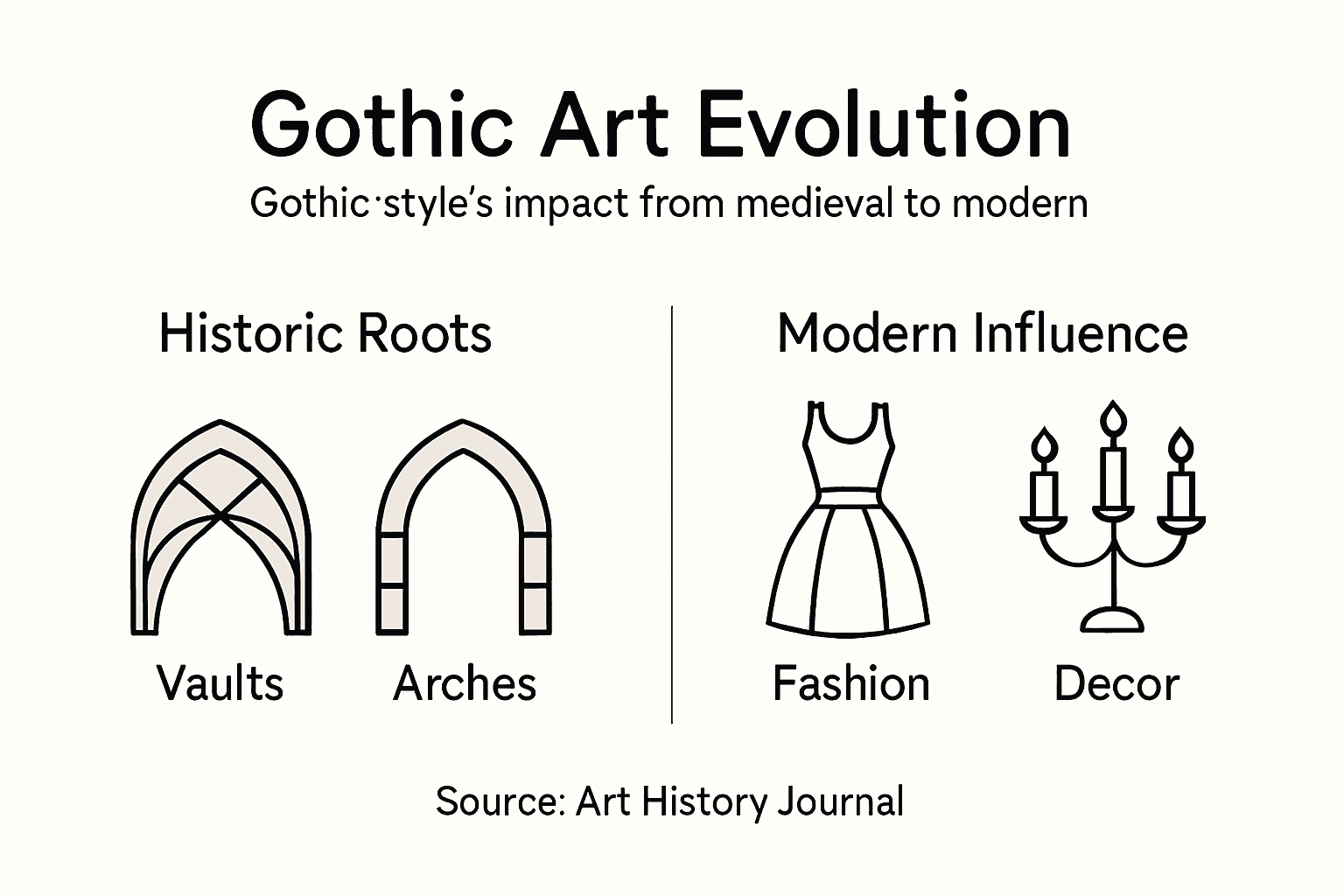
The style progressed through distinct phases, absorbing influences from Romanesque and Byzantine traditions while developing its own identity. Early Gothic focused on architectural innovation, while later periods emphasized decorative elaboration and sculptural refinement. This evolution shows how styles adapt and mature over centuries.
Here's a comparison of Gothic art phases and their defining features:
| Gothic Phase | Historical Period | Key Innovations | Artistic Focus |
|---|---|---|---|
| Early Gothic | 12th century France | Pointed arches, vaults | Architectural advancement |
| High Gothic | Late 12th–13th century | Flying buttresses, light | Decorative complexity |
| Late Gothic | 14th–16th century | Ornate details, realism | Sculptural refinement |
By understanding these historical phases, you recognize why certain elements feel authentically Gothic. Pointed arches evoke specific time periods. Certain color palettes reference stained glass traditions. Contemporary Gothic creators who study this history create work with genuine cultural resonance rather than surface-level darkness.
Gothic architecture solved engineering challenges while creating spiritual experiences—this merger of function and transcendence defines the entire aesthetic movement.
Pro tip: Research specific Gothic periods—Early, High, and Late Gothic—when developing your designs, as each phase emphasizes different elements; borrowing from multiple periods creates layered, historically informed work that resonates with experienced Gothic enthusiasts.
How does Gothic art influence modern dark fashion and decor?
Gothic aesthetics have transcended historical boundaries to become a dominant force in contemporary fashion and interior design. Today's designers and creators draw directly from centuries-old traditions, reinterpreting them through modern materials, attitudes, and social contexts. This evolution proves that Gothic isn't trapped in the past—it's alive, relevant, and continuously expanding.
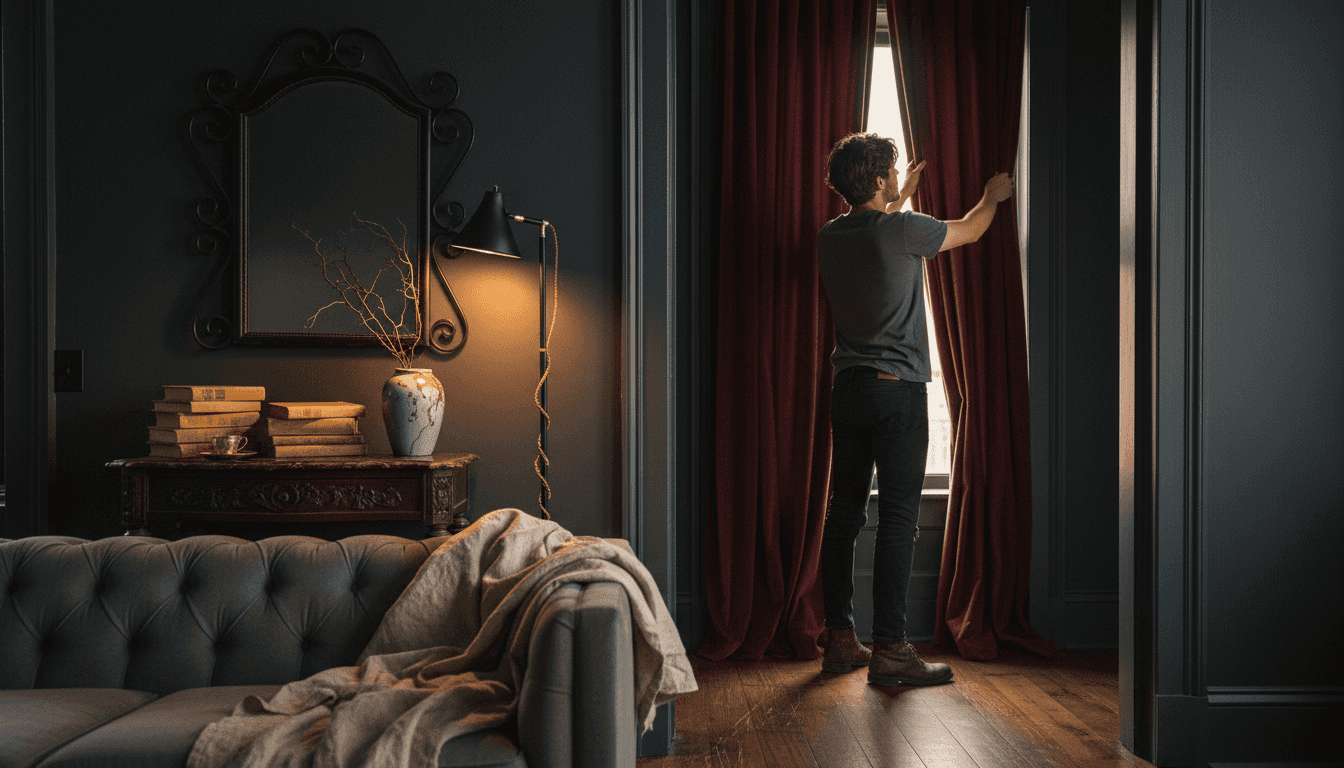
Gothic influences in contemporary fashion reveal sustained fascination with dark, elegant aesthetics that merge historical elements with rebellion and romance. Modern street style borrows heavily from Gothic vocabulary while haute couture designers elevate these themes into gallery-worthy pieces. The aesthetic bridges mainstream and alternative spaces, proving its universal appeal.
Materials define modern Gothic expression:
- Lace and velvet create tactile luxury and romantic darkness
- Leather and metal introduce edge and contemporary attitude
- Silk and brocade maintain historical elegance with modern tailoring
- Layering techniques build complexity and visual depth
- Unconventional color palettes expand beyond traditional black and deep burgundy
These material choices allow creators to honor Gothic traditions while pushing boundaries.
Contemporary designers reinterpret intricate detailing through darker glamour and traditional Gothic elements that appear across price points and cultural sectors. You see pointed silhouettes in streetwear, corseted details in everyday fashion, and Gothic symbolism in home decor. This accessibility means more people can express Gothic identity authentically.
Theme matters as much as aesthetics. Modern Gothic fashion channels cultural anxieties—uncertainty, mortality, power, and transformation—through visual storytelling. Dark decor becomes a refuge rather than mere decoration. When you design or curate Gothic pieces, you're creating spaces and garments that validate unconventional emotional expression.
The aesthetic's adaptability keeps it vibrant across generations. Goths in the 1980s expressed alienation differently than contemporary creators, yet both draw from the same Gothic wellspring. This flexibility means Gothic remains perpetually relevant to new audiences discovering it.
Modern Gothic fashion proves that dark elegance, rebellion, and beauty coexist—these aren't contradictions but complementary expressions of authentic identity.
Pro tip: Combine unexpected materials and silhouettes—pair delicate lace with heavy leather, or Victorian details with minimalist lines—this layering approach creates contemporary Gothic pieces that feel fresh while honoring historical roots.
Why is Gothic art culturally significant in alternative subcultures?
Goth culture extends far beyond fashion and aesthetics—it represents a powerful form of identity and resistance within alternative communities worldwide. The subculture functions as a space where individuals express themselves authentically, often in opposition to mainstream cultural norms. Understanding this significance helps you appreciate why Gothic expression matters to so many people and communities.
Goth subculture represents a complex, diverse group that retains elements of traditional subcultural identity while adapting to modern cultural fragmentation. The community expresses resistance and identity formation through stylistic and symbolic means. This balance between coherence and diversity makes goth enduring in rapidly changing cultural landscapes.
The community cultivates identity through multiple interconnected channels:
- Dress and appearance signal belonging and personal philosophy
- Music preferences create sonic identity and emotional expression
- Social habits and gathering spaces build community and support networks
- Online presence and digital spaces extend subcultural reach globally
- Lifestyle choices reflect alternative values and worldview
Each element reinforces the others, creating a comprehensive subcultural experience.
Below is a summary of how Gothic aesthetics influence contemporary subcultures:
| Influence Area | Modern Expression | Impact on Community |
|---|---|---|
| Fashion | Layered black, corsetry | Signals alternative identity |
| Music | Darkwave, post-punk sounds | Fosters emotional connection |
| Social Spaces | Online forums, clubs | Builds sense of belonging |
| Decor | Dramatic interiors, symbolism | Creates personal refuge |
Goths cultivate unique identity expressed through dress, music, social habits, and online presence despite external perceptions of darkness and melancholy. The subculture fosters strong community and genuine self-expression. Members find acceptance and validation precisely where mainstream society questions them.
The aesthetic's emotional depth matters profoundly. Gothic expression acknowledges pain, mortality, and complexity rather than suppressing them. This honesty creates spaces where unconventional feelings receive recognition instead of judgment. For many, Gothic identity provides psychological refuge and emotional authenticity.
Goth persists because it adapts while maintaining core values. Modern goths engage through social media, virtual communities, and global networks unimaginable to earlier generations, yet the fundamental commitment to authenticity and artistic expression remains unchanged. This flexibility ensures relevance across decades.
Gothic subculture survives because it offers what mainstream culture denies—validation for darkness, complexity, and unconventional beauty as legitimate expressions of human experience.
Pro tip: When creating or curating Gothic pieces, remember that community members value authenticity and depth; focus on meaningful symbolism and genuine aesthetic commitment rather than surface-level darkness, as this resonates more powerfully with the subculture's core values.
What are common mistakes when incorporating Gothic art?
Creating authentic Gothic work requires more than collecting dark imagery and calling it complete. Many designers stumble when they treat Gothic aesthetics as surface-level decoration rather than a sophisticated artistic language rooted in centuries of cultural meaning. Recognizing these common mistakes helps you avoid them and create work with genuine depth.
The most dangerous pitfall involves oversimplifying Gothic symbolism. Incorporating Gothic art into modern contexts often encounters pitfalls related to misunderstanding its symbolic depth and cultural interplay, particularly where darkness clashes with religious and historical associations. When you ignore these complexities, your work becomes superficial rather than compelling.
Common mistakes artists and designers make:
- Conflating darkness with substance by assuming black color equals Gothic
- Neglecting historical context that gives motifs their power
- Reducing themes to sensationalism instead of exploring genuine emotion
- Mixing contradictory symbols without understanding their relationships
- Ignoring the philosophical framework underlying Gothic expression
Each mistake undermines your creative intention and alienates knowledgeable audiences.
A critical distinction involves understanding the interplay of visual and textual forms that underpin Gothic aesthetics. Gothic isn't just visual—it tells stories, carries meaning, and creates emotional experiences through deliberate composition. Misinterpreting this by reducing Gothic to mere horror destroys its nuanced power.
The balance between terror and the sublime gets lost when creators chase shock value. Gothic art cultivates sublime terror—a complex emotion blending beauty, awe, and dread. Cheap horror alone misses this entirely. Your work becomes forgettable rather than transformative.
Religious symbolism presents particular challenges. Gothic evolved within Christian contexts, yet modern creators approach faith differently. Respecting this history while making it contemporary requires thoughtfulness. Surface-level crosses and religious imagery without understanding their significance feels hollow.
Contextual awareness separates mediocre Gothic from exceptional work. Before using a motif, research its origins and associations. Understand why certain colors, forms, and symbols matter historically. This knowledge transforms your choices from arbitrary to intentional.
The difference between authentic Gothic and cheap darkness lies in depth—Gothic respects its history, understands its symbolism, and creates genuine emotional resonance through informed artistic choices.
Pro tip: Before finalizing any Gothic piece, ask yourself why each element exists and what it communicates; if you cannot articulate a meaningful answer beyond "it looks dark," reconsider that element's inclusion.
Embrace Authentic Gothic Artistry in Your Style and Space
Capturing the true spirit of Gothic style means moving beyond surface-level darkness and embracing its rich history, symbolic depth, and emotional intensity. Whether you seek to channel the dramatic beauty of intricate details or the sublime tension between light and shadow, GothCore 🦇 🕯️ – GothMarket offers a curated collection that honors this timeless aesthetic. Each piece reflects the balance of elegance and edge discussed in the article, helping you create looks and spaces that resonate with genuine Gothic artistry.
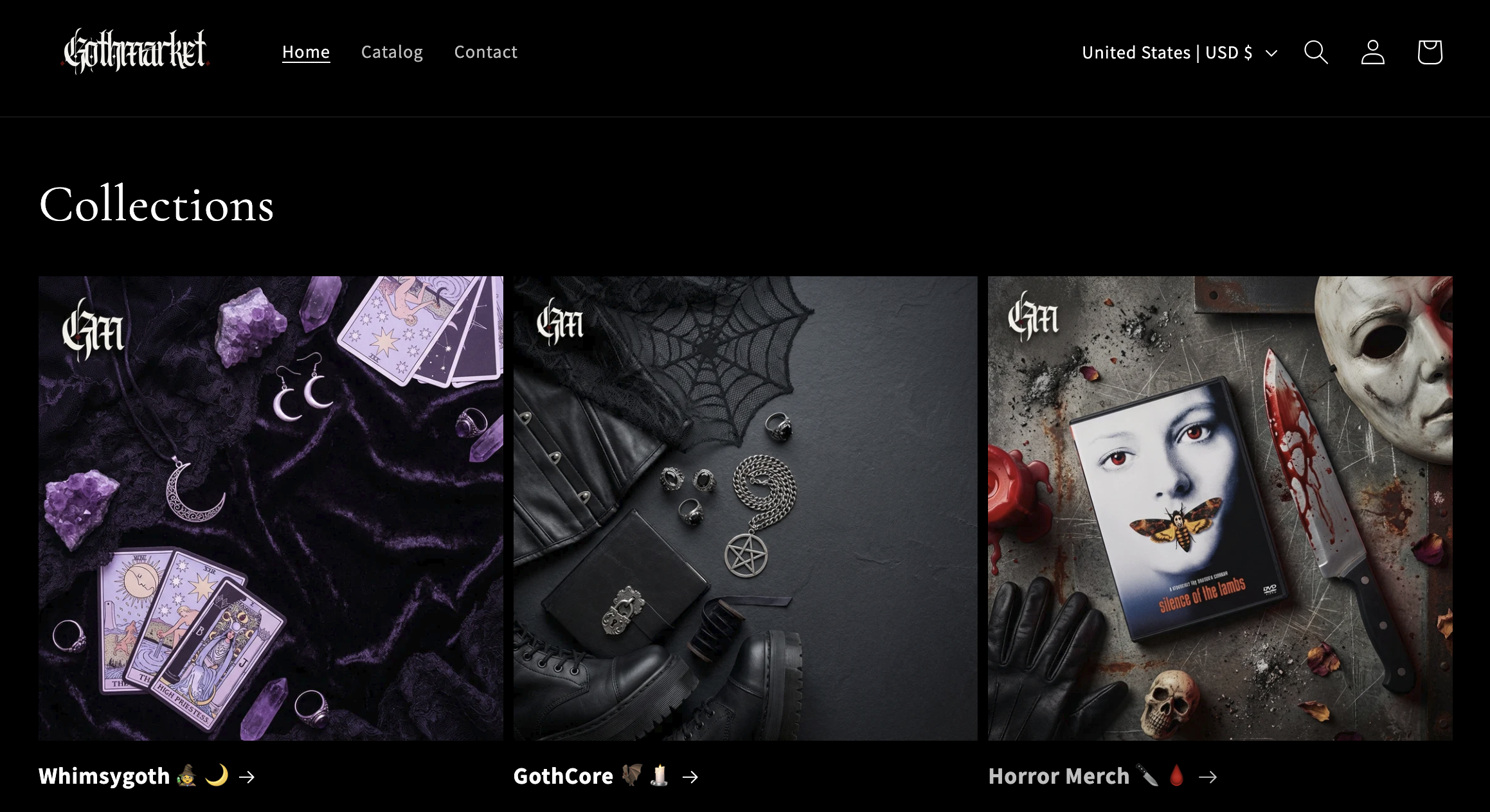
Explore authentic craftsmanship today and transform your expression with meaningful symbolism and refined design. Dive deeper into Gothic creativity by visiting Whimsygoth 🧙♀️ 🌙 – GothMarket for whimsical yet dark-inspired pieces or browse the full range at Goth.Market to find unique items that embody the spirit of Gothic evolution. Take the next step now to connect with a community that values depth, history, and authentic dark elegance.
Frequently Asked Questions
What are the key characteristics of Gothic art?
Gothic art is characterized by pointed arches, intricate decorative details, light and shadow play, ribbed vaults, and large stained glass windows. These elements create a sense of verticality and emotional complexity.
How did Gothic art influence modern dark fashion and decor?
Gothic aesthetics have inspired contemporary designers to merge historical elements with modern materials. This is evident in the use of lace, velvet, leather, and unconventional color palettes that elevate dark themes into fashionable statements.
What symbolic meanings are often associated with Gothic art?
Gothic art is rich in symbolism, often depicting themes of spiritual guardianship, the interplay of light and darkness, and emotional dualities. Elements like gargoyles and pointed arches serve as representations of protection and aspiration.
What should I avoid when creating Gothic-style artwork?
Avoid oversimplifying Gothic symbolism by treating dark imagery as mere decoration. Instead, research historical context, understand the meaning behind motifs, and strive for genuine emotional resonance in your work.
What is "sublime terror" in Gothic art?
Sublime terror is the complex emotional core of authentic Gothic work, a blend of beauty, awe, and dread rather than shock value alone. Chasing pure horror or darkness for its own sake misses that balance and produces work that feels forgettable rather than genuinely Gothic.
How does Goth subculture express identity beyond fashion?
Goth identity is built through several interconnected channels beyond clothing: music preferences like darkwave and post-punk, social spaces such as clubs and online forums, and lifestyle choices that reflect alternative values. Each reinforces the others to create a full subcultural experience, not just a visual style.