

Gothic home decorating guide: create dark mystical space
Transforming your living space into a gothic sanctuary requires more than throwing dark fabrics over furniture and calling it done. Gothic home decorating demands a thoughtful approach to color, texture, lighting, and curated accessories that capture the mystical essence you crave. Many enthusiasts struggle to find authentic inspiration and unique pieces that truly reflect the dark aesthetic without falling into generic Halloween territory. This comprehensive guide walks you through every stage of creating an authentic gothic home, from gathering essential materials to verifying your final mystical atmosphere, ensuring your space becomes the dark haven you envision.
Table of Contents
- Key takeaways
- Gathering your gothic decorating essentials
- Step-by-step guide to decorating your gothic home
- Avoiding common mistakes and troubleshooting your gothic decor
- Expected results and verifying your gothic home makeover
- Explore curated gothic decor at Goth.Market
- Frequently asked questions about gothic home decorating
Key Takeaways
| Point | Details |
|---|---|
| Gothic decorating essentials | Start by gathering deep jewel tones, ornate antique furnishings, dramatic wall art, ambient lighting, luxurious textiles, and mystical accessories to establish the foundation. |
| Step by step approach | Follow a structured plan from color palette and furniture placement to wall art and lighting to create a cohesive dark interior rather than a random mix. |
| Avoid common mistakes | Focus on authentic pieces from independent creators and avoid mass produced items that feel generic or Halloween themed. |
| Curated gothic items | Sourcing from specialty markets helps you find pieces with character and a lasting Gothic vibe beyond mainstream options. |
Gathering your gothic decorating essentials
Successful gothic home decorating starts with understanding the visual language of the style itself. Understanding gothic style foundations is critical for authentic decor, encompassing Victorian influences, medieval architecture elements, and romantic darkness. The gothic aesthetic thrives on rich textures, dramatic contrasts, and carefully chosen statement pieces that command attention.
Your essential materials checklist should include:
- Deep jewel tones like burgundy, emerald, and midnight blue alongside classic black
- Antique or antique-style furniture with ornate detailing and dark wood finishes
- Gothic wall art featuring mystical symbols, vintage portraits, or occult imagery
- Ambient lighting sources including candelabras, wrought iron fixtures, and Edison bulbs
- Luxurious textiles such as velvet curtains, lace tablecloths, and brocade cushions
- Mystical accessories like crystal décor, vintage mirrors, and apothecary bottles
Sourcing unique curated gothic items from specialty marketplaces elevates your decor beyond what big box stores offer. Mass-produced gothic accessories often lack the authenticity and craftsmanship that alternative lifestyle enthusiasts seek. Independent creators and vendors understand the nuances of gothic aesthetics, producing pieces with genuine character and attention to detail.
| Material Category | Essential Items | Where to Find |
|---|---|---|
| Furniture | Victorian-style chairs, ornate mirrors, dark wood bookcases | Antique shops, specialty gothic retailers |
| Textiles | Velvet drapes, lace runners, tapestries | Gothic home stores, independent creators |
| Lighting | Candelabras, Gothic chandeliers, Edison bulb fixtures | Specialty lighting shops, curated marketplaces |
| Accessories | Skull decor, vintage frames, mystical symbols | Alternative lifestyle vendors, gothic boutiques |
| Wall Decor | Dark art prints, tapestries, ornate sconces | Gothic art sellers, independent artists |
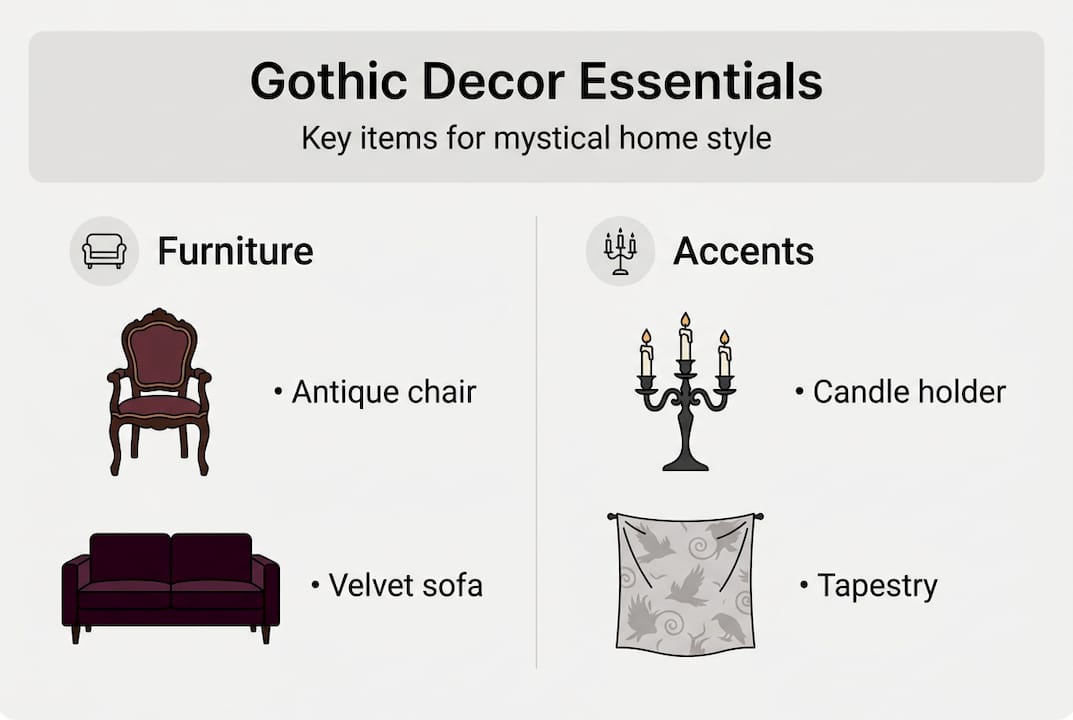
Pro Tip: Start with one or two statement pieces, such as an ornate chandelier or dramatic wall tapestry, to establish your room’s gothic tone before adding smaller accessories. This approach prevents overwhelming the space and gives you a clear visual anchor for subsequent decorating decisions.
Step-by-step guide to decorating your gothic home
With your essentials gathered, follow this systematic approach to transform your space into a cohesive gothic sanctuary. Detailed decorating steps empower gothic enthusiasts to achieve cohesive dark interiors that feel intentional rather than haphazard.
-
Select your foundational color palette by choosing 2-3 deep colors to complement black. Rich burgundy, forest green, deep purple, or midnight blue create visual interest while maintaining darkness. Paint accent walls or use these colors in major textile pieces.
-
Arrange gothic furniture with Victorian and antique influences as your room’s structural foundation. Position ornate mirrors to reflect candlelight, place dark wood bookcases against walls, and select seating with carved details or claw feet. Furniture placement should create intimate conversation areas rather than open, bright spaces.
-
Incorporate gothic wall art and tapestries that reflect occult, mystical, or romantic themes. Vintage portraits with ornate frames, medieval-inspired tapestries, or modern dark art prints establish your aesthetic immediately. Group smaller pieces in gallery walls or let one large statement piece dominate a focal wall.
-
Choose lighting that emphasizes shadows and atmospheric ambiance rather than bright illumination. Replace overhead fluorescents with dimmer chandeliers, add candelabras to mantels and tables, install wall sconces with Edison bulbs, and use string lights sparingly for subtle accent lighting. Layered lighting creates depth and mystery.
-
Add gothic textiles like velvet curtains, lace table runners, brocade throw pillows, and tapestry wall hangings. These materials absorb light differently than modern synthetics, creating the rich, textured appearance gothic spaces require. Mix textures to prevent monotony while staying within your color palette.
-
Accessorize with curated gothic pieces including apothecary bottles, vintage books, skull decor, ornate jewelry displayed as art, mystical symbols, and dried flowers in dark vases. Gothic jewelry pieces like ornate rings or chokers can serve as decorative accents when displayed on velvet stands or in shadow boxes.
Pro Tip: Layer modern gothic elements with authentic vintage pieces to create unique character that feels collected over time rather than purchased all at once. A contemporary dark art print gains depth when framed in a genuine antique frame, while new velvet curtains look richer when paired with vintage tiebacks.
Avoiding common mistakes and troubleshooting your gothic decor
Even experienced decorators encounter pitfalls when creating gothic spaces. Awareness of common errors ensures authentic and satisfying gothic interiors that maintain their mystical appeal over time.
Overusing black without variation creates flat, lifeless spaces that lack the depth gothic aesthetics demand. While black serves as your foundation, relying exclusively on it eliminates visual interest and makes rooms feel smaller and oppressive. Introduce deep jewel tones, metallic accents like aged brass or tarnished silver, and varying textures to create dimension within darkness.
Avoiding clutter with too many gothic accessories transforms curated mystique into chaotic kitsch. Every piece should serve a purpose or hold significant aesthetic value. Display collections thoughtfully rather than scattering gothic items randomly. A shelf of carefully arranged apothecary bottles creates impact, while dozens of small gothic trinkets covering every surface dilutes your aesthetic.
Common lighting mistakes that break gothic ambiance include:
- Installing bright white LED bulbs instead of warm, dim alternatives
- Relying solely on overhead lighting without layered sources
- Ignoring natural light control with inadequate window treatments
- Placing too many light sources, eliminating the shadows gothic spaces need
- Using modern fixture styles that clash with gothic architectural elements
Mindful layering maintains gothic ambiance by balancing darkness with strategic illumination. Too much light destroys mystery, while insufficient lighting makes spaces unusable. The goal is atmospheric functionality where you can read, work, and live comfortably within a darkly enchanting environment.
Importance of balance between dark and light accents cannot be overstated. Introduce lighter elements strategically through aged white candles, vintage lace details, tarnished silver accessories, or pale dried flowers. These touches prevent your space from becoming a black void while maintaining gothic character. Even small amounts of contrast create visual breathing room.
Troubleshooting steps when your gothic decor feels off:
- If the space feels too dark and oppressive, add more metallic accents or introduce a deep jewel tone
- When the aesthetic seems generic, replace mass-market items with unique curated pieces from independent creators
- If lighting feels wrong, adjust bulb warmth and add or remove light sources until shadows enhance rather than obscure
- When the room lacks cohesion, remove accessories that do not align with your specific gothic vision
Expected results and verifying your gothic home makeover
Assessing whether your gothic decorating project achieved the desired mystical atmosphere requires evaluating both visual and emotional responses. Verification of gothic style success is based on atmosphere, authenticity, and personal satisfaction rather than adherence to rigid rules.
Criteria to evaluate your gothic space include atmospheric quality, where the room evokes the dark mystical feeling you envisioned. Walk into your space and notice your immediate emotional response. Successful gothic interiors create a sense of entering another world, a sanctuary separate from mundane everyday environments. The space should feel intentionally curated, with each element contributing to an overall cohesive vision.
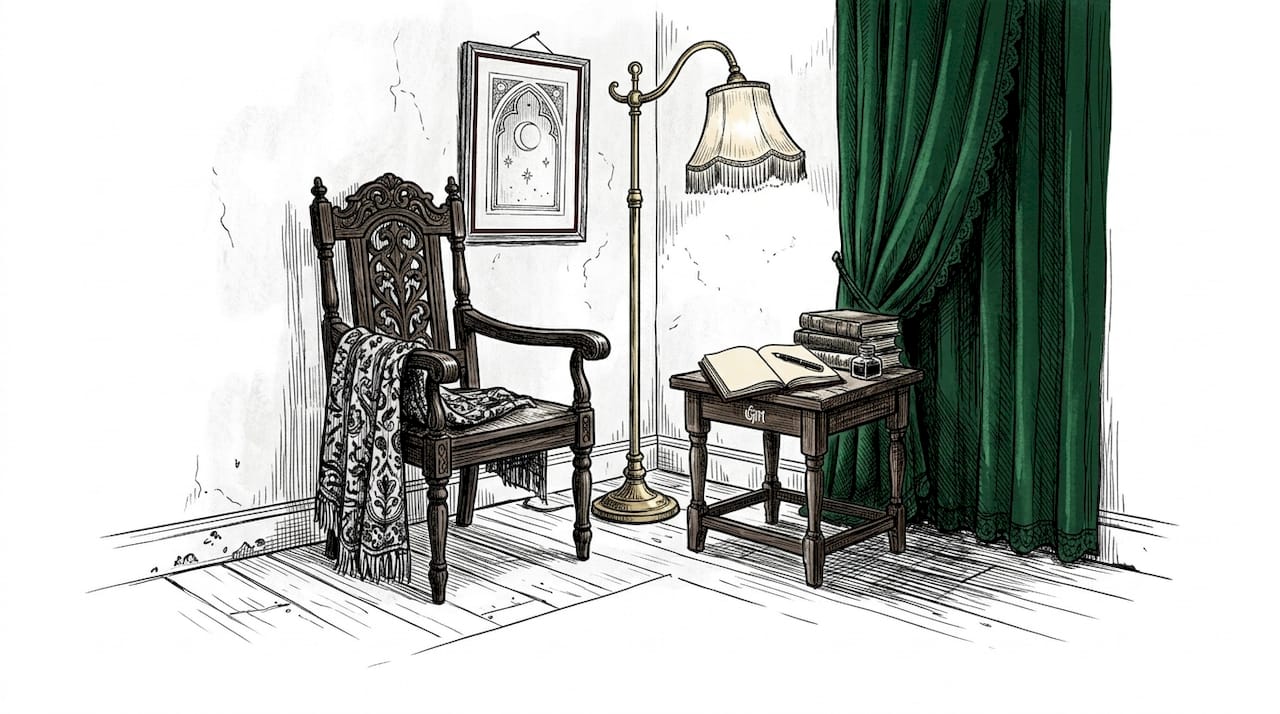
Visual indicators of success include seamless color transitions, balanced lighting that creates ambiance without sacrificing functionality, furniture and accessories that complement rather than compete, and textures that add depth without overwhelming. Your eye should travel naturally around the room, discovering interesting details without encountering jarring elements that break the gothic spell.
Emotional indicators reveal whether your space truly resonates with your alternative aesthetic. You should feel energized and inspired when entering your gothic sanctuary, not drained or uncomfortable. The space should reflect your authentic self, providing comfort and creative stimulation. Friends and fellow gothic enthusiasts should recognize the intentionality and uniqueness of your decorating choices.
| Gothic Home Decor | Typical Home Decor |
|---|---|
| Dark, jewel-toned color palettes | Bright, neutral color schemes |
| Ornate, antique-style furnishings | Modern, minimalist furniture |
| Layered, atmospheric lighting | Bright, functional overhead lighting |
| Velvet, lace, and brocade textiles | Cotton, linen, and synthetic fabrics |
| Mystical, occult, and vintage accessories | Contemporary, mass-market decor items |
| Emphasis on shadows and mystery | Focus on openness and brightness |
Final verification checklist before declaring your project complete:
- Color palette creates depth without feeling flat or one-dimensional
- Lighting provides adequate functionality while maintaining atmospheric shadows
- Furniture placement creates intimate, intentional spaces rather than empty voids
- Accessories tell a cohesive story rather than appearing randomly collected
- Textures layer effectively, adding richness without visual chaos
- The space reflects your authentic gothic aesthetic, not generic dark decor
- You feel genuinely comfortable and inspired spending time in the environment
Simple adjustments if your look feels slightly off include swapping out one or two pieces that seem inconsistent, adjusting lighting placement or bulb warmth, rearranging accessories to create better visual flow, or adding a single statement piece to anchor the room’s aesthetic. Gothic decorating is an evolving process, and small refinements over time often yield better results than attempting perfection immediately.
Explore curated gothic decor at Goth.Market
Now that you understand the foundations of authentic gothic home decorating, finding the right pieces to bring your vision to life becomes your next adventure. Goth.Market specializes in curated gothic products from independent creators who understand the nuances of alternative aesthetics. Our gothic jewelry collection offers unique pieces that work beautifully as both personal adornment and decorative accents when displayed thoughtfully.

Explore our Whimsygoth merchandise for mystical home accessories that blend gothic darkness with ethereal enchantment. From statement pieces like the celestial chain choker pendant displayed as art to occult-inspired wall decor, you will discover items that elevate your space beyond mass-market gothic. Our community-driven marketplace connects you directly with creators who share your passion for dark, mystical aesthetics.
Frequently asked questions about gothic home decorating
How to incorporate gothic style on a budget?
Start with DIY projects like painting existing furniture black, creating your own gothic wall art, or thrifting vintage pieces from secondhand shops. Focus on a few quality statement items rather than many cheap accessories. Candles, dark fabrics, and rearranged lighting cost little but create significant atmospheric impact.
What colors besides black work well in gothic decor?
Deep jewel tones like burgundy, emerald green, royal purple, and midnight blue complement black beautifully while adding visual richness. Metallic accents in aged brass, tarnished silver, or antique gold provide contrast. Dark gray, charcoal, and deep brown serve as excellent transitional shades between pure black and accent colors.
How do I maintain balance so my space is not too dark?
Incorporate strategic light elements through metallic accessories, vintage lace details, pale candles, or aged white accents. Layer your lighting with multiple dim sources rather than relying on one bright overhead fixture. Use mirrors to reflect available light while maintaining gothic aesthetic through ornate, darkened frames.
Where can I find authentic gothic home decor items?
Specialty gothic marketplaces, independent creator platforms, antique shops, and alternative lifestyle boutiques offer more authentic pieces than mainstream retailers. Online communities focused on gothic aesthetics often share vendor recommendations. Curated marketplaces connecting gothic creators with enthusiasts provide unique items unavailable in typical home stores.
What are gothic decor must-haves for beginners?
Begin with quality black velvet curtains to control light and establish atmosphere. Add one statement lighting piece like an ornate candelabra or chandelier. Invest in gothic wall art that resonates with your specific aesthetic. Include vintage or antique-style mirrors with ornate frames. These foundational pieces create immediate gothic impact while you gradually add accessories and refinements.
Can I mix gothic decor with other design styles?
Absolutely. Gothic elements blend beautifully with Victorian, steampunk, witchy cottage, or romantic aesthetics. The key is maintaining intentionality rather than accidentally creating visual chaos. Choose one primary style as your foundation and incorporate gothic elements that complement rather than compete. Whimsygoth, for example, successfully merges gothic darkness with ethereal, nature-inspired mysticism.