

Guide to Gothic Art Curation for Collectors and Creators
Finding a clear direction for your gothic art collection can feel challenging when dark aesthetics span centuries and cultures. Independent curators and collectors want their selections to tell a story instead of becoming just another mix of moody visuals. Defining a compelling curation theme transforms scattered pieces into a purposeful collection that resonates with audiences seeking authentic gothic expression.
Table of Contents
- Step 1: Define A Gothic Art Curation Theme
- Step 2: Select And Evaluate Authentic Dark Artworks
- Step 3: Organize And Present Curated Art Collections
- Step 4: Verify Quality And Uniqueness Of Curated Pieces
- Step 5: Promote Curated Collections To The Gothic Community
Quick Summary
| Essential Insight | Detailed Explanation |
|---|---|
| 1. Clearly Define Your Curation Theme | Establishing a focused theme guides your collection, ensuring coherence and meaning rather than randomness. Reflect on personal interests and authenticity. |
| 2. Prioritize Authenticity in Artworks | Assess pieces based on the artist’s intent and the cultural significance of the work, not just visual appeal. Research is crucial for genuine exploration. |
| 3. Organize Collection Logically | Use a structured system to categorize your artworks by themes or mediums, enhancing the narrative flow and making it easier for audiences to engage. |
| 4. Verify Quality and Uniqueness | Before acquisition, ensure artworks meet quality standards and confirm the artist’s claims. Documentation helps protect the integrity of your collection. |
| 5. Promote to the Gothic Community | Share your curated collection authentically, emphasizing the story behind it and engaging with community events to connect with like-minded individuals. |
Step 1: Define a gothic art curation theme
Defining your curation theme is the foundation of building a meaningful collection. Without a clear direction, you’ll end up with scattered pieces that don’t tell a cohesive story or resonate with your audience.
Start by identifying what draws you to gothic art. Are you passionate about Gothic architecture and symbolism, or do you prefer contemporary dark aesthetics? Maybe you’re interested in specific mediums like sculptures, paintings, or digital work. Your personal connection matters because collectors can sense authenticity.
Consider these angles when narrowing your focus:
- Historical period - Medieval gothic (12th-16th century), Victorian gothic revival, or modern interpretations
- Medium - Paintings, sculptures, prints, photography, or mixed media
- Emotional tone - Romantic darkness, horror-inspired, mystical, or melancholic
- Cultural influences - How different regions interpreted gothic aesthetics
- Target audience - Are you curating for personal satisfaction, to sell on Goth.Market, or to build community engagement
Think of your theme as a filter. If you explore how gothic style influences modern aesthetics, you’ll notice patterns in color palettes, symbolism, and composition. Use those patterns to guide your selections.
Your theme doesn’t need to be restrictive. It’s a compass, not a cage. You can have a primary theme with room for complementary pieces that enhance the overall narrative without diluting your collection’s identity.
A strong curation theme transforms individual pieces into a unified collection that tells a compelling story.
Pro tip: Write down your theme in one or two sentences and keep it visible while collecting. This simple practice prevents impulse acquisitions that don’t serve your vision and saves time when evaluating new pieces.
Step 2: Select and evaluate authentic dark artworks
With your curation theme defined, you’re ready to scout and assess pieces that align with your vision. This step separates thoughtful collectors from impulse buyers. Authenticity goes beyond provenance—it means understanding the artist’s intent and the artwork’s cultural significance.
Start by researching the artist’s background and motivations. What drives their work? Does their vision align with your theme? Look at how they engage with gothic concepts like death, spirituality, or darkness. Understanding how Northern European artists reinterpreted gothic aesthetics can help you recognize genuine artistic exploration versus surface-level aesthetic copying.
When evaluating a piece, ask yourself these questions:
- Does the artwork demonstrate intentional use of symbolism or thematic elements?
- Is the execution technically competent, or does lack of skill undermine the concept?
- Does the piece contribute to your collection’s narrative or feel like it belongs?
- Can you trace the artist’s background and see their commitment to dark aesthetic exploration?
- Is the pricing fair relative to the artist’s reputation and the work’s complexity?
Look beyond visual appeal. Study cultural and historical origins of dark artworks to understand context. A piece might look striking but lack substance. Authentic dark art usually reflects genuine artistic exploration of gothic themes, not just surface-level darkness for shock value.
Authenticity also means supporting artists who create with intention. On Goth.Market, you’ll find independent creators whose work reflects real passion for gothic aesthetics. These artists understand their influences and can articulate why their work matters.
Authentic dark art comes from genuine exploration of gothic concepts, not from applying dark imagery superficially.
Pro tip: Create a simple evaluation checklist with your theme-specific criteria, and use it consistently when assessing new pieces. This prevents emotional purchasing decisions and ensures every addition strengthens your collection’s coherence.
Step 3: Organize and present curated art collections
Now that you’ve selected meaningful pieces, organization transforms scattered artworks into a cohesive collection that tells your story. How you display and arrange your pieces directly impacts how collectors, creators, and audiences perceive your vision.
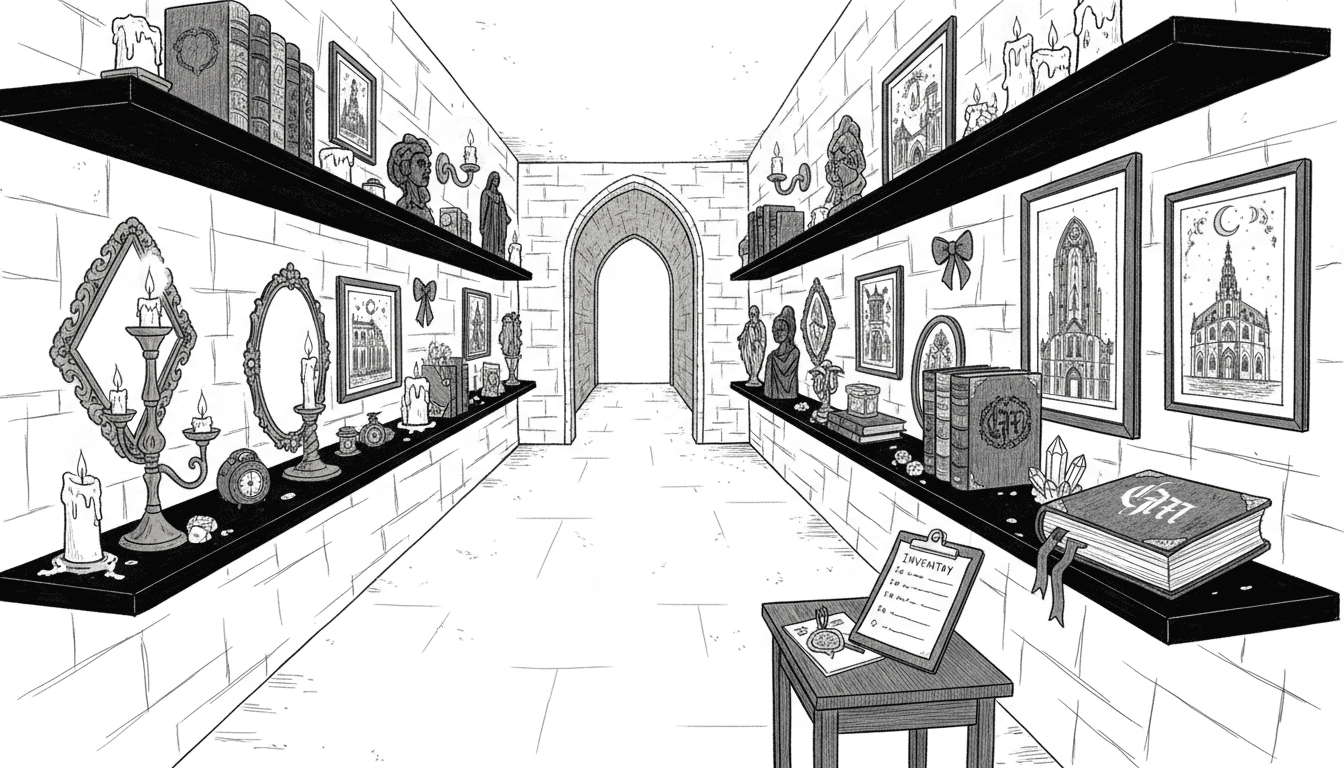
Start by developing a logical categorization system that aligns with your curation theme. Organizing artwork by medium, artist, genre, or period creates structure that makes your collection easier to navigate and understand. If your theme centers on Victorian gothic revival, organize chronologically. For thematic collections focused on dark symbolism, group pieces by emotional tone or symbolic content.
Consider these organizational approaches:
- By artist if you’re building artist-focused collections or featuring emerging creators from Goth.Market
- By medium if your collection spans paintings, sculptures, prints, and digital work
- By historical period to show gothic evolution across centuries
- By thematic concept like death, spirituality, nature, or darkness
- By visual elements such as color palette, composition style, or symbolic imagery
Documentation matters more than most collectors realize. Create detailed metadata for each piece including artist name, title, date, medium, dimensions, and your curatorial notes about why it belongs in your collection. This documentation supports cataloging and preservation while helping you articulate your collection’s narrative to potential buyers or exhibition viewers.
Here’s a summary of gothic art curation organizational methods and their benefits:
| Organization Method | Primary Benefit | Best Collection Type |
|---|---|---|
| By Artist | Highlights creator’s vision | Artist-focused collections |
| By Medium | Makes browsing easier | Mixed-media collections |
| By Historical Period | Shows stylistic evolution | Period-based collections |
| By Thematic Concept | Deepens narrative impact | Theme-driven collections |
| By Visual Elements | Sets mood and style | Visually cohesive collections |
When presenting your collection, whether on Goth.Market, in physical exhibitions, or on social media, let your organizational system shine through. High-quality photography, consistent formatting, and clear artist information signal that you take your curation seriously. Your presentation should make viewers understand not just what you collected, but why these pieces matter together.
A well-organized collection transforms individual artworks into a unified narrative that resonates with audiences.
Pro tip: Use a spreadsheet or simple database to track all collection metadata. Include purchase date, price paid, artist contact information, and your personal notes about each piece’s significance. This system becomes invaluable when writing collection descriptions, managing inventory, or proving provenance.
Step 4: Verify quality and uniqueness of curated pieces
Before committing to a piece, you need to verify that it’s genuinely what the creator claims and that it meets quality standards worthy of your collection. This verification step protects your investment and ensures your collection maintains credibility.
Start with the artist’s background and documentation. Request detailed information about creation date, materials used, and any artist statements explaining the work’s conceptual foundation. Authentic creators welcome these questions because they understand collectors need confidence in authenticity.
Assess quality across multiple dimensions:
- Material composition including paint type, canvas quality, or sculptural materials
- Craftsmanship and execution examining technical skill and intentional artistic choices
- Iconography and symbolism verifying that gothic elements serve the artwork’s concept
- Condition checking for damage, repairs, or deterioration that affects value
- Stylistic authenticity ensuring the work reflects genuine gothic aesthetic exploration
Evaluating authenticity requires assessing material composition, iconography, and provenance to prevent misattribution or forgery. For contemporary gothic art, you’re not necessarily dealing with historical authentication, but you are verifying that the artist created what they claim and that materials match descriptions.
Request provenance documentation when available. Where did the piece originate? Has it been exhibited? Does the artist have exhibition history or online presence that confirms their credibility? On Goth.Market, creator profiles often show their body of work, making it easier to spot consistency in style and quality across their portfolio.
Uniqueness matters differently for limited editions versus one-of-a-kind pieces. Verify edition numbers if applicable. Ask whether the artist plans to produce additional copies or if this is a singular work. This clarity directly impacts your collection’s exclusivity and future value.
Verification transforms uncertainty into confidence, protecting both your investment and the collection’s integrity.
Pro tip: Create a verification checklist before purchasing: artist credentials, material documentation, condition assessment, and edition status. Photograph any documentation the artist provides and maintain records alongside your piece’s metadata.
Use this table to understand how verification impacts gothic art collection integrity:
| Item Verified | Impact on Collection | Why It Matters |
|---|---|---|
| Artist Credentials | Builds authenticity | Establishes trust with audience |
| Material Documentation | Ensures quality | Confirms materials match claims |
| Condition Assessment | Protects value | Prevents future restoration surprises |
| Edition Status | Confirms exclusivity | Influences future resale potential |
Step 5: Promote curated collections to the gothic community
You’ve built something meaningful. Now it’s time to share your curated collection with people who will genuinely appreciate it. Promotion connects your work with the right audience and establishes your credibility as a collector or creator within the gothic community.
Start by identifying where your audience gathers. The gothic community is distributed across multiple platforms and networks. Global gothic organizations connect researchers, artists, and enthusiasts worldwide, offering networking opportunities and platforms to showcase collections. Beyond formal organizations, engage with gothic communities on social media, specialized forums, and platforms like Goth.Market where collectors actively seek curated pieces.
Your promotion strategy should emphasize what makes your collection meaningful:
- Tell the curatorial story explaining your theme and why these specific pieces matter together
- Highlight artist backgrounds introducing creators and their artistic philosophies to audiences
- Document presentation quality using professional photography that showcases pieces authentically
- Engage with community events participating in gothic festivals, exhibitions, or online discussions
- Build artist collaborations featuring emerging creators whose work aligns with your collection
- Share curatorial insights writing about symbolism, historical context, or thematic connections
On Goth.Market specifically, optimize your collection descriptions by explaining your curation approach. Mention the artists, their influences, and why each piece contributes to your overall vision. When audiences understand the thought behind your selections, they recognize the value beyond individual artworks.
Consider participating in community-building activities. Manchester Centre for Gothic Studies and similar institutions regularly host festivals, lectures, and workshops. These events offer opportunities to present your collection, network with other collectors and creators, and position yourself as a knowledgeable voice within the community.
Authentic promotion means speaking genuinely about what you’ve curated. Avoid overselling. Instead, let your collection’s coherence and quality speak for itself. The gothic community values authenticity and can detect artificial hype immediately.
Effective promotion shares your curatorial vision, not just your inventory.
Pro tip: Create a simple one-page collection statement describing your theme, curatorial approach, and what audiences should understand about your pieces. Share this across platforms to maintain consistent messaging and demonstrate serious curatorial intent.
Elevate Your Gothic Art Curation with Unique Finds from Goth.Market
Curating a gothic art collection requires a clear vision, authentic pieces, and a platform that supports your passion for dark aesthetics. Whether you are defining your thematic focus or evaluating quality and uniqueness, having access to carefully selected creations makes all the difference. At Goth.Market, you can explore an exceptional range of gothic-inspired products that align perfectly with your curation goals. Dive into collections like GothCore 🦇 🕯️ to discover art and items that resonate with romantic darkness and authentic symbolism.
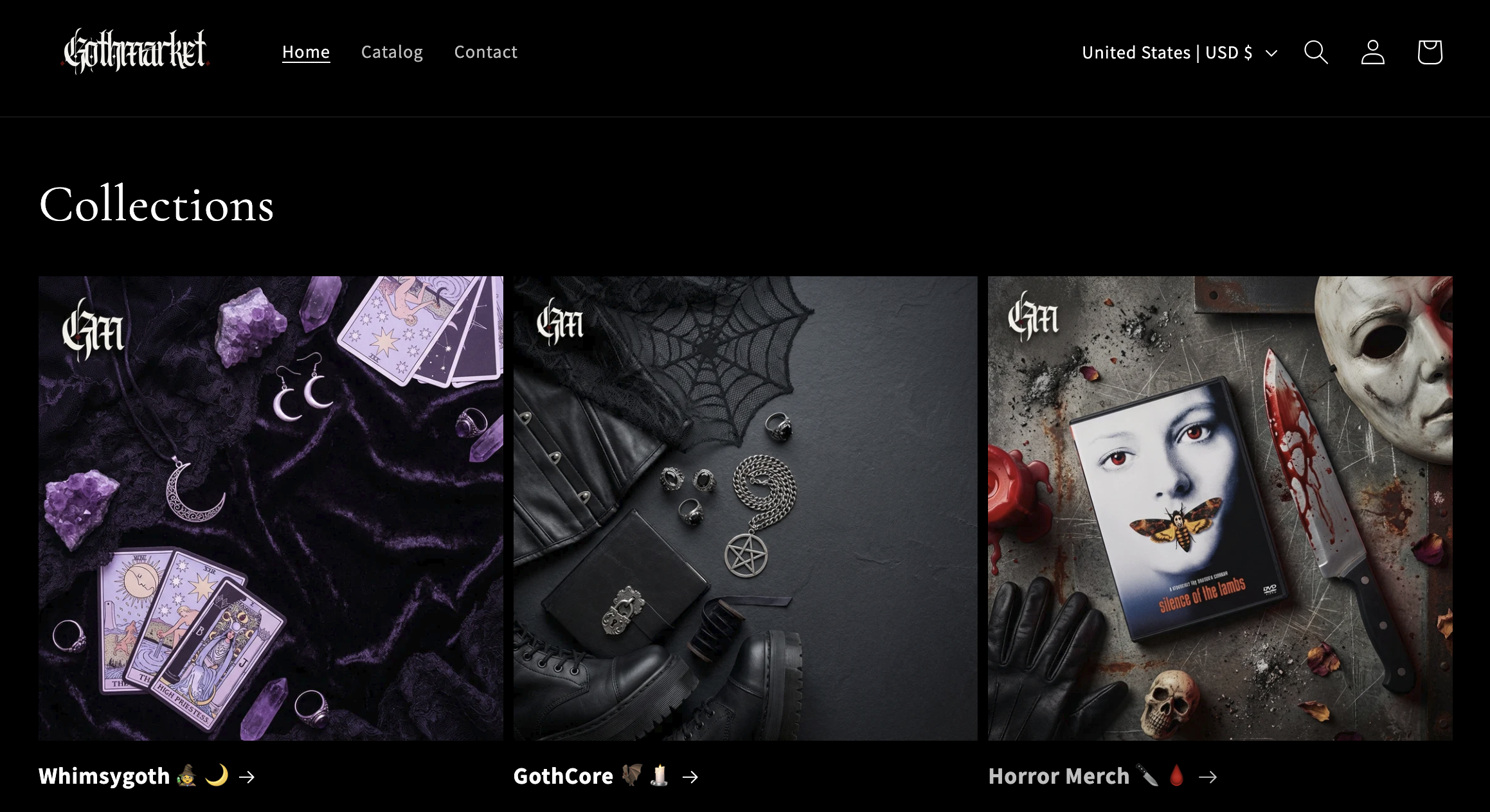
Start building your cohesive and meaningful collection today by connecting with independent creators who share your passion for genuine gothic expression. Visit Goth.Market now and find pieces that add narrative depth and quality to your curated selections. For collections infused with whimsical mysticism, also explore Whimsygoth 🧙♀️ 🌙 to expand your artistic horizons. Take the next step from inspiration to acquisition with Goth.Market, your trusted community for the dark and unusual.
Frequently Asked Questions
How do I define a gothic art curation theme?
Defining a gothic art curation theme involves identifying your interests within the gothic aesthetic. Assess elements like historical periods, mediums, emotional tones, and cultural influences to create a focused narrative for your collection.
What should I look for when selecting gothic artworks?
When selecting gothic artworks, evaluate the artist’s intent and the cultural significance of the piece. Ensure it aligns with your curation theme and poses thoughtful symbolism—consider factors like craftsmanship, emotional tone, and authenticity to enhance your collection.
How can I organize my gothic art collection effectively?
To organize your gothic art collection, develop a categorization system that aligns with your theme. Arrange pieces by artist, medium, historical period, or thematic concept to improve accessibility and create a cohesive narrative for viewers.
Why is verifying the uniqueness and quality of my pieces important?
Verifying the uniqueness and quality of your gothic artworks protects your investment and maintains your collection’s credibility. Assess aspects like material quality, craftsmanship, and artist documentation to ensure each piece genuinely contributes to your theme and is worth the value.
What are the best strategies for promoting my gothic art collection?
Promoting your gothic art collection effectively requires engaging with the right audience through storytelling. Share the curatorial story behind your pieces, highlight the artists, and participate in community events to connect with fellow enthusiasts and generate interest.
How do I assess the emotional tone of artworks I’m considering?
To assess the emotional tone of artworks, analyze the visual elements and thematic symbols present in the piece. Reflect on your personal reaction and consider how the artwork aligns with your selected themes of romantic darkness, horror, or mysticism.
Recommended
- 6 Curated Gothic Art Examples Every Collector Should Know – GothMarket
- Role of Art in Gothic Style – Inspiring Modern Dark Aesthetics – GothMarket
- Gothic Fashion Styling Guide for Bold, Dark Aesthetics – GothMarket
- GothMarket
- The Wuthering Heights Aesthetic: Why Gothic Landscape Art is Trending – Art-O-Rama Shop
- Tips for Organizing and Rotating Your Wall Art Collection - ArtMandre