

Gothic Subculture Explained: 20% Youth Embrace Dark Identity
Gothic subculture often gets painted with a dark brush of misconceptions, from false links to depression to confusion with horror gimmicks. The truth is far more nuanced and vibrant. Research shows goth identity is linked to higher self-expression and creativity, not negative mental health outcomes. This article clarifies goth origins, values, fashion, music influence, and how to engage authentically with this rich cultural movement that celebrates individualism and emotional depth.
Table of Contents
- Origins And Historical Context Of Gothic Subculture
- Core Values And Ethos Of The Gothic Community
- Distinctive Aesthetic Elements And Symbolism
- Relationship Between Gothic Music And Fashion
- Common Misconceptions And Cultural Misunderstandings
- Comparison Of Gothic Subculture With Related Alternative Subcultures
- Practical Advice For Engaging With Gothic Culture And Marketplaces
- Explore Authentic Gothic Styles And Community At Goth.Market
Key Takeaways
| Point | Details |
|---|---|
| Historical Roots | Gothic subculture emerged from UK post-punk in the late 1970s and early 1980s. |
| Core Philosophy | Emphasizes individualism, emotional complexity, and resistance to mainstream norms. |
| Fashion Identity | Victorian and punk influences merge with symbolic motifs like ankh, skulls, and bats. |
| Music Foundation | Gothic rock, darkwave, and post-punk shape community bonds and visual aesthetics. |
| Common Myths | Goths are creative expressionists, not linked to mental illness or violence. |
Origins and Historical Context of Gothic Subculture
The gothic subculture emerged from the late 1970s and early 1980s UK post-punk music scene, growing as an alternative community reaching diverse youth demographics globally. Bands like Bauhaus, Siouxsie and the Banshees, and The Cure pioneered a darker, more atmospheric sound that diverged from punk’s aggressive simplicity. This musical evolution sparked a visual and cultural transformation that extended far beyond concert venues.
What began as a music-driven movement quickly expanded into a broader cultural identity. Underground clubs in London and Manchester became incubators for goth fashion, art, and philosophy. Independent labels and DIY ethic fueled the spread of gothic subculture origins across Europe and North America.
Key historical milestones that shaped goth culture include:
- Bauhaus releasing “Bela Lugosi’s Dead” in 1979, often cited as the first gothic rock song
- The opening of The Batcave club in London in 1982, becoming goth’s spiritual home
- Spread to American cities through college radio and underground zines in the mid-1980s
- Evolution into global community with distinct regional variations by the 1990s
- Digital era connection through online forums and social media in the 2000s and beyond
Today, gothic subculture thrives as a worldwide movement embraced by youth and adults seeking authentic self-expression. The community maintains its underground roots while adapting to contemporary platforms and marketplaces.
Core Values and Ethos of the Gothic Community
Goth culture emphasizes individualism, emotional complexity, resisting mainstream norms, and fosters inclusion and acceptance. These values create a philosophical foundation that distinguishes goth from simple fashion trends or aesthetic choices. The community celebrates emotional depth rather than suppressing difficult feelings, viewing darkness as beauty rather than pathology.
Individualism stands as perhaps the most central goth value. Members reject conformity to mainstream beauty standards and social expectations. This anti-establishment stance isn’t about rebellion for its own sake but about claiming space for authentic identity. Goths create their own definitions of beauty, success, and meaning.
The community’s core principles include:
- Embracing emotional authenticity and complexity without shame
- Celebrating artistic expression through fashion, music, writing, and visual arts
- Rejecting superficial positivity in favor of honest engagement with life’s darker aspects
- Welcoming diverse identities including LGBTQ+ members, neurodivergent individuals, and cultural minorities
- Building solidarity through shared appreciation of dark romanticism and philosophical depth
Pro Tip: Authentic goth identity comes from internal alignment with these values, not from wearing the right outfit. Focus on what resonates emotionally and philosophically before investing in aesthetic elements.
This value system creates strong community bonds. Goths find belonging through shared understanding that mainstream culture often misses important truths about beauty, emotion, and meaning. The philosophical themes of mortality, existentialism, and romantic darkness foster deep conversations and lasting friendships.
Distinctive Aesthetic Elements and Symbolism
Gothic fashion incorporates Victorian and punk influences with symbolic motifs like ankh, skulls, bats, and occult imagery expressing identity. These visual elements communicate membership in the subculture while allowing individual creative expression. The aesthetic draws from historical periods, horror literature, and mystical traditions to create something entirely unique.
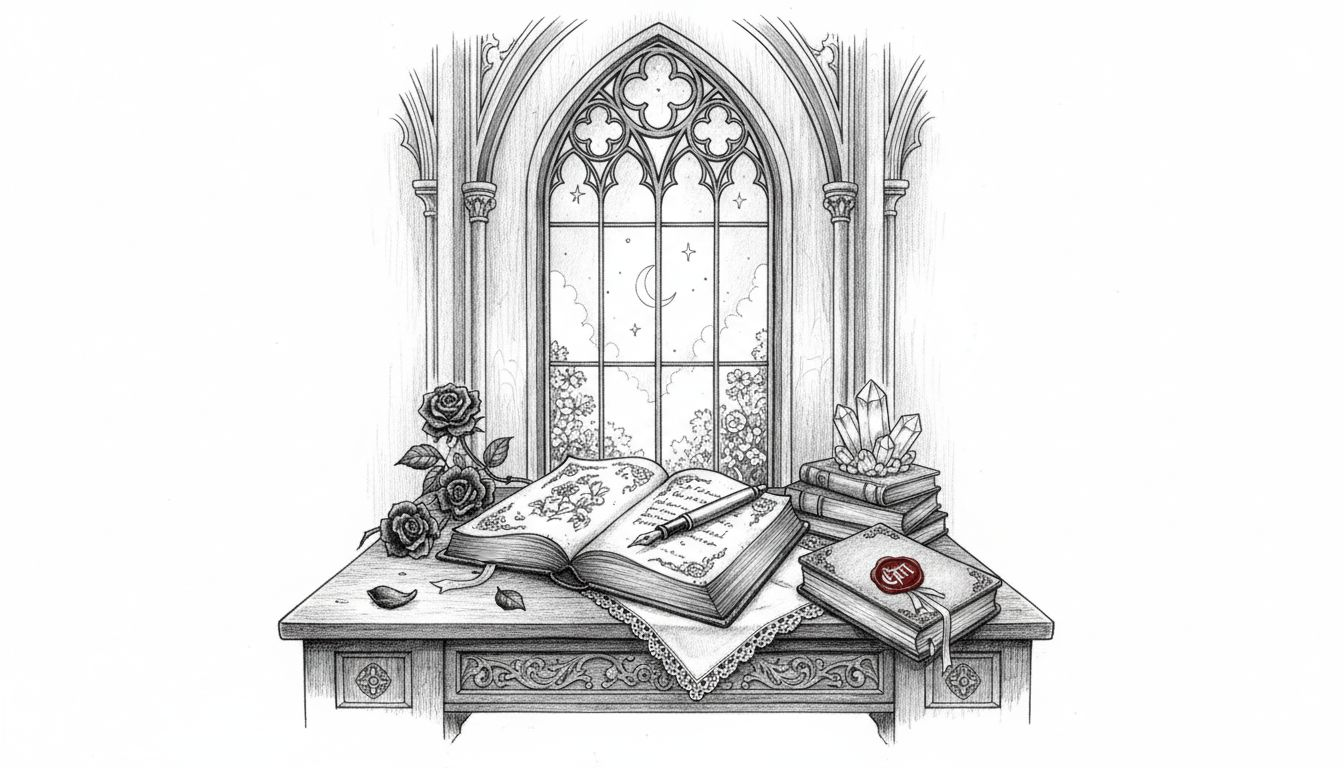
Color palette forms the foundation of goth style. Black dominates as the primary shade, symbolizing mystery, elegance, and rejection of mainstream colorfulness. Deep purples, blood reds, and occasional silver or white accents add dimension. These colors appear in clothing, makeup, hair dye, and accessories.
Key gothic fashion elements include:
- Victorian-inspired pieces like corsets, long skirts, poet shirts, and top hats
- Punk influences such as leather jackets, combat boots, fishnet, and safety pins
- Luxurious textures including velvet, lace, brocade, and crushed velvet
- Dramatic makeup featuring pale foundation, dark eye makeup, and black or deep lipstick
- Silver jewelry with symbolic motifs rather than gold or bright metals
Symbolism carries deep meaning within goth culture. The ankh represents eternal life and ancient wisdom. Skulls acknowledge mortality while celebrating life’s precious nature. Bats symbolize transformation and comfort with darkness. Pentagrams and occult symbols express interest in mysticism, though not necessarily religious belief.
Fabric choices communicate sophistication and sensuality. Lace suggests Victorian refinement and romantic tragedy. Velvet conveys luxury and tactile pleasure. Leather represents rebellion and durability. These textures combine to create outfits that feel as meaningful to wear as they look to observers.
Fashion serves as external expression of internal identity. Each element chosen deliberately communicates aspects of personality, values, and cultural belonging. This intentionality distinguishes goth style from costume or temporary trend adoption.
Relationship Between Gothic Music and Fashion
Gothic rock, darkwave, and post-punk music shape community identity and fashion aesthetics within the goth subculture. Music isn’t just entertainment but the cultural heartbeat that unifies members across geography and generations. The sonic landscape of reverb-heavy guitars, atmospheric synthesizers, and introspective lyrics creates shared emotional experiences that define the movement.
Key music genres include:
- Gothic rock with bands like Sisters of Mercy, Fields of the Nephilim, and Bauhaus
- Darkwave incorporating electronic elements from artists like Clan of Xymox and Dead Can Dance
- Post-punk foundations from Joy Division, Siouxsie and the Banshees, and The Cure
- Industrial influences from Skinny Puppy, Ministry, and Nine Inch Nails
- Ethereal wave and neoclassical from Cocteau Twins and This Mortal Coil
Visual style often mirrors musical themes and album artwork. The dramatic presentation of gothic rock performers influenced fan fashion choices. Robert Smith’s wild hair and smeared lipstick, Siouxsie Sioux’s Egyptian-inspired eye makeup, and Peter Murphy’s theatrical stage presence all became style templates. Band merchandise, concert attire, and music videos created visual vocabulary that fans adopted and adapted.
Concerts and club nights reinforce cultural bonds through shared sonic experiences. Dancing to darkwave in a goth club creates community feeling that transcends individual identity. These gatherings become spaces where fashion, music, and philosophy merge into lived experience. The playlist shapes the dress code, and the dress code honors the music.
Music and fashion co-evolve as the subculture develops. New musical subgenres inspire fresh aesthetic interpretations. Cyber goth emerged from industrial music’s harder edge. Romantic goth drew from ethereal wave’s softer sounds. This dynamic relationship keeps the culture vibrant and relevant across decades.
Common Misconceptions and Cultural Misunderstandings
Studies show goth culture relates to creativity and emotional expression, not mental illness or violence, and should not be confused with occult religions or horror stereotypes. These misconceptions cause real harm, from workplace discrimination to social isolation. Correcting false beliefs helps create space for authentic goth identity and community acceptance.
The mental health myth persists despite evidence. Media sensationalism after tragic events sometimes falsely links goth identity to violence or suicidal ideation. Research actually indicates goths show higher creative expression and emotional intelligence. The community provides support network for members facing mental health challenges, but doesn’t cause those challenges.
Key misconceptions to reject:
- Goths worship Satan or practice dark magic (symbolism is aesthetic, not religious doctrine)
- Gothic fashion signals depression or self-harm tendencies (it signals creative identity)
- The subculture promotes violence or antisocial behavior (community values are peaceful and inclusive)
- Goth is a teenage phase people outgrow (many maintain identity lifelong)
- All goths fit a single stereotype (diversity exists in style, music taste, and philosophy)
The occult confusion stems from shared visual symbols. While some goths practice witchcraft or paganism, many don’t hold any mystical beliefs. The pentagram might represent earth elements or simply look aesthetically pleasing. Assume nothing about religious views based on goth identity alone.
Horror genre overlap creates another misunderstanding. Goths often enjoy horror films and literature, but the appreciation differs from mainstream fear-seeking. The focus falls on artistic merit, atmospheric mood, and philosophical themes rather than jump scares. Gothic horror explores human nature’s complexity, not simple good versus evil narratives.
Emphasizing creativity and positive community counters these myths effectively. Goths create art, support independent businesses, engage in philanthropy, and build inclusive spaces. The culture celebrates life’s depth and beauty, including aspects mainstream society often ignores or suppresses.
Comparison of Gothic Subculture with Related Alternative Subcultures
Understanding what makes goth distinct from punk, emo, and metal helps newcomers navigate alternative culture accurately. While these movements share some aesthetic and philosophical overlap, key differences define each community’s unique identity. Clear distinctions prevent cultural confusion and appropriation.
| Aspect | Gothic | Punk | Emo |
|---|---|---|---|
| Core Philosophy | Dark romanticism, individualism, emotional depth | Political rebellion, DIY ethic, anti-establishment | Emotional confession, vulnerability, personal pain |
| Fashion Style | Victorian elegance meets punk edge, lace and velvet | Torn clothing, patches, spikes, deliberately rough | Skinny jeans, band shirts, side-swept hair, eyeliner |
| Music Foundation | Gothic rock, darkwave, post-punk | Fast punk rock, hardcore, political lyrics | Emo rock, screamo, confessional lyrics |
| Color Palette | Black with deep purples, reds, silver accents | Black, plaid, bright accent colors, DIY aesthetics | Black with bright accents, especially pink and red |
| Historical Period | Late 1970s/early 1980s UK | Mid-1970s US and UK | Mid-1990s US hardcore scene |
Gothic subculture emphasizes theatrical presentation and romantic tragedy. Punk prioritizes raw energy and political activism. The goth aesthetic cultivates mystery and elegance while punk deliberately embraces rough, unpolished appearance. Both reject mainstream values but from different philosophical angles.
Emo culture centers on emotional vulnerability and personal relationships. Goth explores broader existential and philosophical darkness. Emo lyrics focus on heartbreak and interpersonal struggles. Gothic music addresses mortality, beauty in decay, and romantic doom. The emotional register differs fundamentally.
Key distinctions include:
- Goths appreciate dark beauty and mystery; punks celebrate chaos and DIY roughness
- Gothic fashion requires careful curation; punk aesthetic embraces intentional imperfection
- Emo focuses on personal emotional pain; goth explores universal human experiences with darkness
- Metal culture emphasizes aggression and power; goth culture values atmosphere and introspection
Pro Tip: Many people blend elements from multiple subcultures. Don’t police boundaries rigidly, but understand core distinctions to engage authentically with each community’s values and history.
These comparisons help newcomers identify which alternative culture resonates most authentically. Someone drawn to political activism might align more with punk. Those seeking emotional catharsis might prefer emo. Individuals fascinated by dark romanticism and aesthetic sophistication likely belong in gothic spaces.
Practical Advice for Engaging with Gothic Culture and Marketplaces
Selecting authentic gothic fashion requires understanding symbolism, supporting independent creators, and engaging respectfully with community marketplaces. Moving from interest to participation means making informed choices about purchases, community involvement, and cultural learning. These practical steps help newcomers avoid missteps while building genuine connections.
Identifying authentic gothic items starts with quality over quantity. Look for well-constructed garments using appropriate fabrics like velvet, lace, and quality leather. Examine symbolic jewelry for craftsmanship and meaningful design rather than mass-produced trinkets. Authentic gothic fashion choices reflect thoughtful curation, not impulse buying.
Support independent designers and small vendors whenever possible. Gothic culture values creativity and individuality, which thrives in independent production. Avoid fast fashion copies that dilute subcultural meaning. Seek makers who understand gothic symbolism and create with community respect.
Actionable engagement strategies:
- Research symbol meanings before wearing them to avoid cultural misappropriation
- Start with versatile basics like black boots, simple silver jewelry, and quality black clothing
- Attend local goth nights, concerts, or meetups to experience community firsthand
- Follow gothic lifestyle tips 2026 to develop authentic style evolution
- Engage with online forums and social media groups to learn community norms and history
- Explore gothic art curation tips to appreciate visual culture depth
Pro Tip: Build your gothic wardrobe gradually, focusing on pieces that genuinely resonate with your personality. Authenticity matters more than owning every trending item. Quality basics styled with personal flair outshine expensive but generic purchases.
Respect community knowledge and history. Ask questions humbly when unsure about symbolism or practices. Acknowledge that longtime members have deep cultural investment. Avoid treating goth as costume or temporary identity experiment. Genuine participation requires commitment to values, not just aesthetic adoption.
Modern marketplaces make gothic products more accessible than ever. Curated platforms connect buyers with independent creators worldwide. Research vendors’ reputations and read community reviews before purchasing. Authentic gothic marketplaces prioritize quality, symbolism, and subcultural respect over mass appeal.
Explore Authentic Gothic Styles and Community at Goth.Market
Ready to transform your understanding into lived experience? Goth.Market curates exceptional gothic fashion, accessories, and lifestyle products from independent creators who truly understand the subculture. Our gothic fashion styling guide helps you develop authentic personal style that honors goth values and aesthetics.
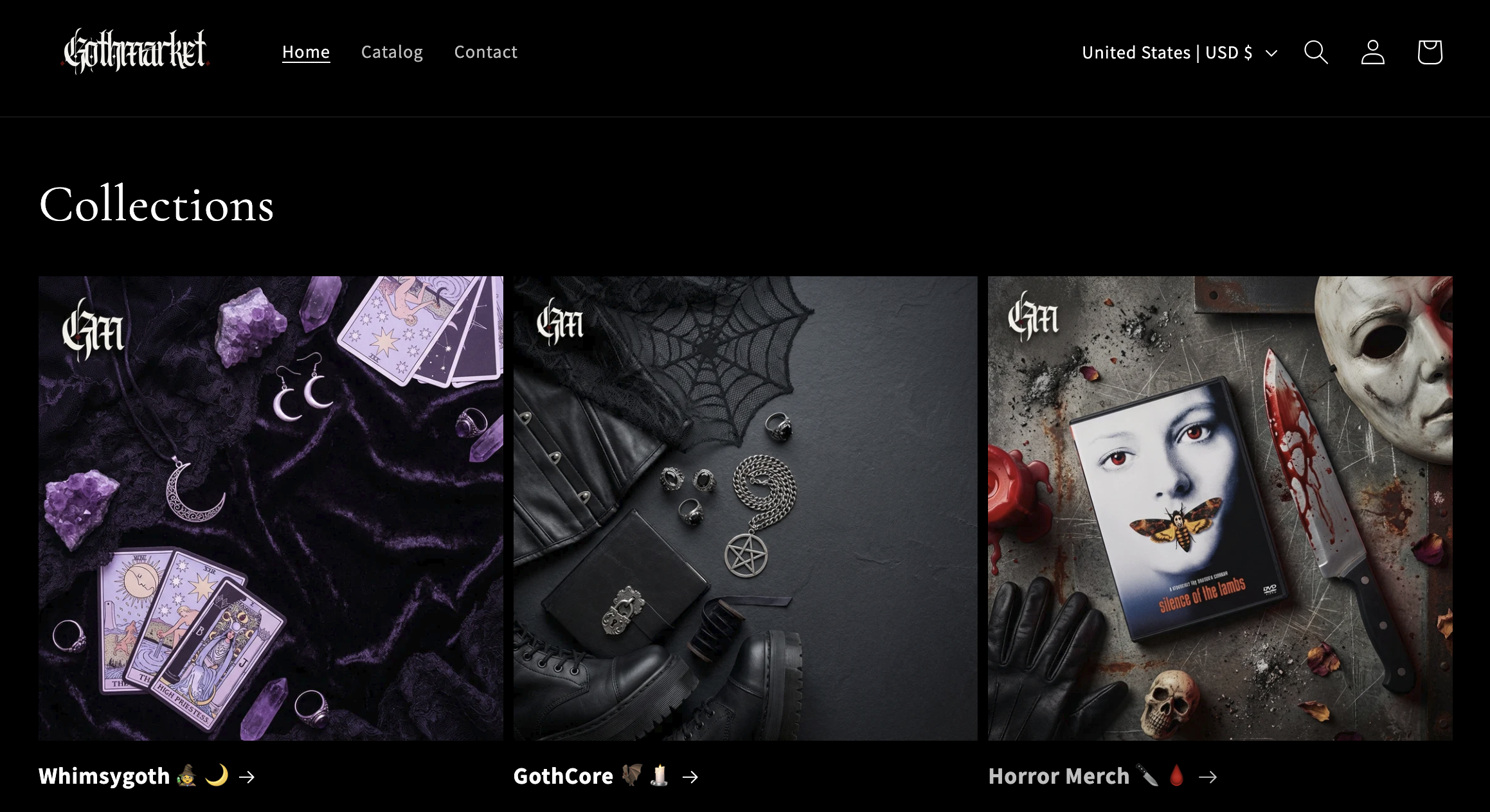
Explore our gothcore collection featuring carefully selected pieces from Victorian-inspired corsets to contemporary darkwave accessories. Every item reflects genuine gothic identity rather than mainstream misinterpretations. Our platform connects you with artisans who craft meaningful symbols, quality garments, and unique decor.
Discover gothic lifestyle tips 2026 to deepen your engagement beyond fashion. Join a community that celebrates dark beauty, emotional authenticity, and creative expression. Shop with confidence knowing each purchase supports independent creators within the gothic subculture.
FAQ
What defines gothic subculture beyond fashion?
Gothic subculture centers on values like individualism, emotional depth, and appreciation for dark beauty rather than just clothing choices. The community celebrates artistic expression, philosophical exploration of mortality and meaning, and resistance to superficial mainstream culture. Music, literature, visual arts, and shared experiences at clubs and events create cultural bonds that transcend aesthetic presentation.
How can I tell authentic gothic fashion from trends?
Authentic gothic pieces feature quality construction using materials like velvet, lace, and leather with meaningful symbolic elements rather than cheap Halloween costume aesthetics. Look for independent designers who understand subcultural history and create items respecting goth values. Authentic fashion prioritizes timeless dark elegance over fast fashion trend cycles and shows attention to symbolic detail and craftsmanship.
Is goth culture connected to occult religions?
Gothic subculture uses occult symbols aesthetically but doesn’t require any religious beliefs or practices. Some goths practice witchcraft, paganism, or other spiritual paths, while many hold secular worldviews. The pentagram, ankh, and mystical imagery serve as artistic expression and cultural identity markers, not religious statements. Never assume someone’s spiritual beliefs based solely on gothic identity.
How does gothic music shape community identity?
Gothic rock, darkwave, and post-punk create sonic foundations that unite community members emotionally and culturally across generations. Music provides shared language, influences fashion aesthetics through album art and performer style, and creates gathering spaces at concerts and club nights. The atmospheric, introspective qualities of gothic music genres reflect and reinforce subcultural values around emotional depth and dark romanticism.
Where can I find genuine gothic products and communities?
Seek curated marketplaces like Goth.Market that connect buyers with independent creators respecting subcultural authenticity rather than mass retailers selling gothic-themed costumes. Attend local goth nights, concerts, and alternative festivals to meet community members in person. Join online forums, social media groups, and Discord servers dedicated to gothic culture for advice, friendship, and cultural learning from experienced members.