

7 Transformative Benefits of Collecting Gothic Collectibles
TL;DR:
- Building a gothic collection involves selecting meaningful items that resonate beyond aesthetics, emphasizing storytelling and cultural significance. Such collectibles activate both visual and narrative engagement, offering emotional, psychological, and ritual rewards while fostering identity and community connection. Responsible collecting requires ethical awareness, intentionality, and regular reflection to ensure the practice remains enriching and authentic.
Building a gothic collection is rarely about owning the most pieces or filling every shelf. The real challenge is choosing items that genuinely resonate, whether you’re drawn to the haunting beauty of Victorian mourning jewelry, the ritual weight of occult artifacts, or the raw narrative power of horror memorabilia. With so many gothic collectibles available, from mass-produced skulls to artist-crafted talismans, the difference between a collection that feels alive and one that feels hollow comes down to understanding what these dark, beautiful objects actually do for you. That goes far deeper than aesthetics.
Table of Contents
- Aesthetic pleasure and storytelling value
- Emotional and psychological rewards
- Self-expression, identity, and community
- Symbolic and ritual power for practitioners
- Navigating ethical and obsessive boundaries
- Our take: How to find meaning and avoid the macabre collector trap
- Discover unique gothic collectibles for your journey
- Frequently asked questions
Key Takeaways
| Point | Details |
|---|---|
| Emotional benefits | Collecting gothic items can regulate emotions, relieve stress, and satisfy the brain’s reward centers. |
| Expressing identity | Gothic collectibles empower you to visually communicate your unique style and beliefs. |
| Symbolic power | Certain collectibles serve ritual or spiritual roles beyond decoration, especially for occult practitioners. |
| Ethical collecting | Respect provenance and intent to avoid controversy or exploitation in your collection. |
| Meaningful curation | A thoughtfully curated collection brings more satisfaction than simply acquiring as many items as possible. |
Aesthetic pleasure and storytelling value
Every gothic collectible carries a story before you even touch it. A piece of jet mourning jewelry worn during Victorian grief rituals communicates centuries of human emotion around loss. A hand-carved wooden planchette speaks of séances, uncertainty, and the persistent human need to reach beyond the veil. This layered storytelling quality is part of why the role of aesthetics in goth markets is so central to understanding why collectors keep coming back.
The visual language of gothic collectibles is genuinely unlike any other genre. Dramatic silhouettes, intricate silverwork, bone motifs, blood-red gemstones, and occult symbolism combine to create pieces that stop people mid-conversation. Whether displayed in a shadow box, worn as jewelry, or arranged on a ritual altar, gothic items become focal points. They invite questions, spark stories, and reflect your inner world outward.
As noted in Antique Trader, macabre collectibles like Victorian mourning jewelry, vampire-slaying kits, and horror memorabilia “offer aesthetic appeal, storytelling, historical and cultural significance, and connection to human fascination with death and the unknown.”
Understanding why gothic art is so collectible gets easier when you realize each piece activates both the eye and the imagination simultaneously. The most sought-after items share these visual and narrative qualities:
- Visually striking design: Dramatic contrasts, unusual materials, and skilled craftsmanship set gothic pieces apart from generic decor.
- Rarity and uniqueness: Limited-run artist pieces or genuine antiques carry a weight that mass-produced items simply cannot replicate.
- Symbolic depth: Imagery tied to death, romance, the supernatural, or ancient ritual adds meaning that grows the longer you own the piece.
- Cultural connection: Items linked to specific historical periods or subcultures, such as Victorian mourning traditions or 1980s horror cinema, anchor you to a broader story.
- Conversation potential: Gothic collectibles naturally prompt dialogue, making them powerful tools for self-presentation and identity signaling.
The horror aesthetics in collectibles world thrives precisely because these objects do double duty: they look extraordinary and they mean something.
Emotional and psychological rewards
There is genuine science behind why hunting for gothic collectibles feels so satisfying. The search itself, scanning markets, digging through estate sales, or browsing independent creators online, triggers a dopamine release in the brain’s reward system. That neurological buzz is one reason collectors frequently describe the “thrill of the hunt” as just as rewarding as the find itself.
Psychological research confirms that collecting gothic and macabre items provides a range of mental health benefits, including dopamine release from the hunt, emotional regulation, self-soothing, cognitive stimulation, and identity stabilization. When you handle, arrange, and care for a collection you love, you’re engaging in a form of mindfulness that has measurable calming effects.
Here’s a breakdown of the key psychological rewards gothic collecting delivers:
- Dopamine thrill: Every successful find delivers a neurological reward, reinforcing the behavior and making collecting genuinely enjoyable at a chemical level.
- Emotional regulation: Organizing and curating a collection provides structure and a sense of control, especially during chaotic or stressful periods.
- Self-soothing: Engaging with meaningful objects that reflect your identity is a grounding practice, particularly valuable for those who use their collections as ritual spaces.
- Cognitive stimulation: Researching provenance, identifying symbols, and learning the history behind each piece keeps the mind sharp and curious.
- Identity stabilization: A curated collection acts as a mirror, consistently reflecting your values and aesthetic back at you, which reinforces a clear sense of self.
Pro Tip: Set specific collecting goals, such as completing a set of Victorian mourning pieces or finding a piece from a particular independent artist, to maintain motivation and keep the hobby purposeful rather than impulsive.
Tips for starting a gothic collection emphasize beginning with a focused theme rather than buying anything that catches your eye. That focus is what transforms emotional satisfaction into something sustainable.
Self-expression, identity, and community
Gothic collectibles are one of the clearest forms of identity broadcasting available to alternative lifestyle enthusiasts. Unlike generic fashion, a carefully chosen piece of occult jewelry or a signed horror art print signals membership in a very specific cultural tribe. It communicates values, references, and aesthetic sensibilities in a single glance.
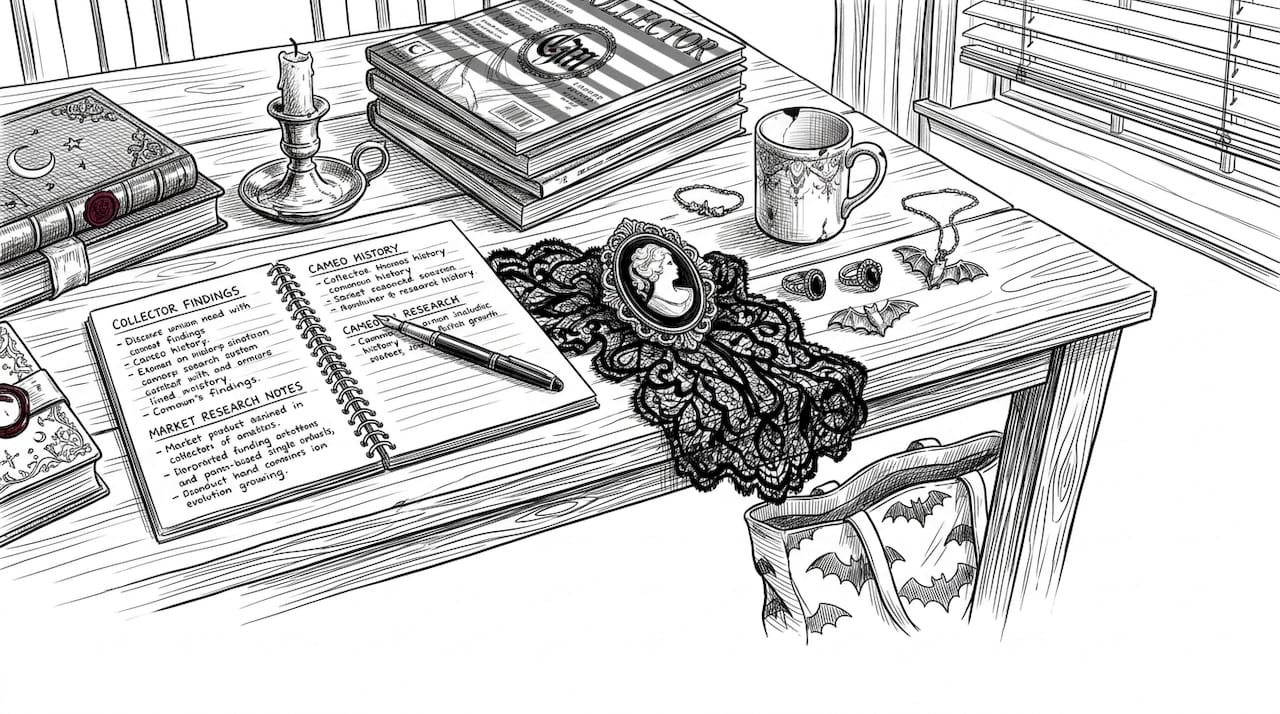
Research consistently links collecting to identity stabilization, which explains why so many people in the gothic and alternative communities describe their collections as genuinely extensions of themselves rather than simple possessions. Understanding how gothic accessories define identity is key to making choices that feel authentic rather than performative.
Gothic collectibles serve as powerful identity tools in several distinct ways:
- Visual codes: Wearing or displaying specific symbols, such as pentacles, ravens, or memento mori imagery, signals belonging to recognizable subcultures without a single word.
- Conversation starters: Unusual or rare pieces invite curiosity, allowing collectors to share stories and forge genuine connections.
- Unique style curation: Unlike fast fashion, carefully sourced gothic pieces create a personal aesthetic that is genuinely one of a kind.
- Niche group finding: Specific collecting interests (Victorian mourning, dark surrealist art, occult ritual tools) naturally connect you with a community of people who share your precise sensibilities.
The advantages of self-expression through gothic items extend well beyond the personal. Collections create points of connection. Online forums, alternative markets, and collector communities form around shared appreciation for niche items, creating friendships and networks that many collectors describe as among the most meaningful in their lives.
Pro Tip: Join online collector communities on social media or attend alternative market events. Real-time exchanges with fellow enthusiasts often surface rare finds and insider knowledge you won’t find anywhere else, and the community itself becomes part of the reward.
The cultural significance of gothic collectibles is real and growing, with alternative subcultures gaining visibility and legitimacy in mainstream cultural conversations.
Symbolic and ritual power for practitioners
For occult practitioners, gothic collectibles are rarely just decorative. A pentagram pendant worn daily is both a style statement and a protective talisman. A witch bottle buried beneath a threshold is a functional magical tool with centuries of documented use in folk magic traditions across Europe and North America.
For occult practitioners, symbolic items like pentagrams or witch bottles serve protective and ritualistic purposes that go well beyond their aesthetic appeal. Understanding the meaning of occult symbols transforms the act of collecting into a deeply intentional practice.
Here is a breakdown of common symbolic gothic collectibles and their ritual contexts:
| Item | Symbolic meaning | Typical ritual use |
|---|---|---|
| Pentagram necklace | Protection, the five elements | Worn as a ward against negative energy |
| Witch bottle | Binding, protection | Buried to trap harmful intentions |
| Planchette | Communication, spirit contact | Used in divination and séance work |
| Raven skull | Wisdom, transformation, death | Altar piece, focuses intention in ritual |
| Obsidian mirror | Scrying, shadow work | Reflective tool for inner work and vision |
| Black tourmaline | Grounding, psychic protection | Carried or placed at room boundaries |
Collecting with ritual intent also shapes the way practitioners build their collections. Rather than chasing trends, they seek pieces that resonate with specific magical goals. Common purposes include:
- Protective warding: Items placed at thresholds or carried to deflect harmful energy from a person or space.
- Channeling intention: Pieces used to focus mental and spiritual energy during spells, meditations, or ceremonies.
- Commemorating rites of passage: Objects acquired to mark significant moments, such as initiations, sabbats, or personal transformations.
Learning how occult jewelry is used shifts the collector’s relationship with their pieces from passive ownership to active engagement. The objects become partners in practice.
Navigating ethical and obsessive boundaries
Not every dark collectible is ethically neutral. The macabre end of gothic collecting, particularly items involving human remains, criminalia (objects connected to notorious criminals), or culturally sensitive artifacts, sits in genuinely contested territory. Responsible collectors acknowledge this rather than ignore it.
As Antique Trader makes clear, ethical debates are a real part of macabre collecting, especially concerning human remains or criminal artifacts, and stand in contrast to items with clear historical reverence and documented provenance.
Excessive collecting also risks tipping from rewarding hobby into obsession, turning the psychological benefits into compulsive accumulation. Frankenstein’s creator was, after all, not undone by his love of science but by his inability to set limits on his ambition. The parallel to collecting is uncomfortably apt.
Practical ethical guidelines every gothic collector should follow:
- Do research provenance: Know where your piece came from, who made it, and whether its history is documented and defensible.
- Do support independent artists: Buying from verified creators ensures fair compensation and adds authenticity to your collection.
- Don’t pursue human remains without clear legal and cultural clarity: This area carries significant legal risk in many jurisdictions and genuine ethical weight in all of them.
- Don’t romanticize criminal artifacts: Pieces glorifying violence or purchased from exploitative sources undermine the cultural legitimacy that gothic collecting has earned.
- Do reflect on your motives regularly: Ask yourself whether each acquisition adds meaning or simply satisfies an impulse.
- Don’t ignore the scope of your collection: If acquiring is crowding out reflecting, the hobby has shifted from enriching to consuming.
Maintaining these boundaries keeps gothic collecting exactly what it should be: a thoughtful, meaningful practice that honors the dark and unusual without causing harm.
Our take: How to find meaning and avoid the macabre collector trap
Anyone can fill a shelf with skulls. Genuine satisfaction in gothic collecting requires something more deliberate. The collectors who speak about their pieces with the most authentic passion are never the ones with the most items. They are the ones with the clearest sense of why each piece belongs in their collection.
The Frankenstein myth is genuinely instructive here. Dr. Frankenstein did not fail because he loved his creation. He failed because his accumulation outpaced his reflection. Gothic collecting works the same way. The moment you are acquiring faster than you are meaning-making, you have crossed from collector to hoarder, and the psychological rewards flip accordingly.
Curated gothic self-expression is built on conscious choices, not volume. Each piece should earn its place by adding to the narrative of who you are and what you value. This is also what protects you from the ethical pitfalls. When you approach each potential acquisition with the question “what story does this tell, and am I comfortable with that story?” you naturally filter out problematic pieces.
Our hard-won recommendation is to periodically rotate your collection. Let go of pieces that no longer resonate, even if they were expensive or hard to find. Collections should grow with you, not calcify around an earlier version of yourself.
Pro Tip: Revisit your collection twice a year with fresh eyes. Items that no longer spark genuine feeling can be traded, gifted to fellow enthusiasts, or sold back into the community where they may resonate more deeply with someone else.
The most meaningful gothic collection is never the largest or the rarest. It is the most honest.
Discover unique gothic collectibles for your journey
You’ve seen how gothic collectibles offer layered rewards, from aesthetic storytelling and dopamine-driven discovery to ritual significance and genuine community. The next step is finding pieces that truly match your values, your aesthetic, and your practice.
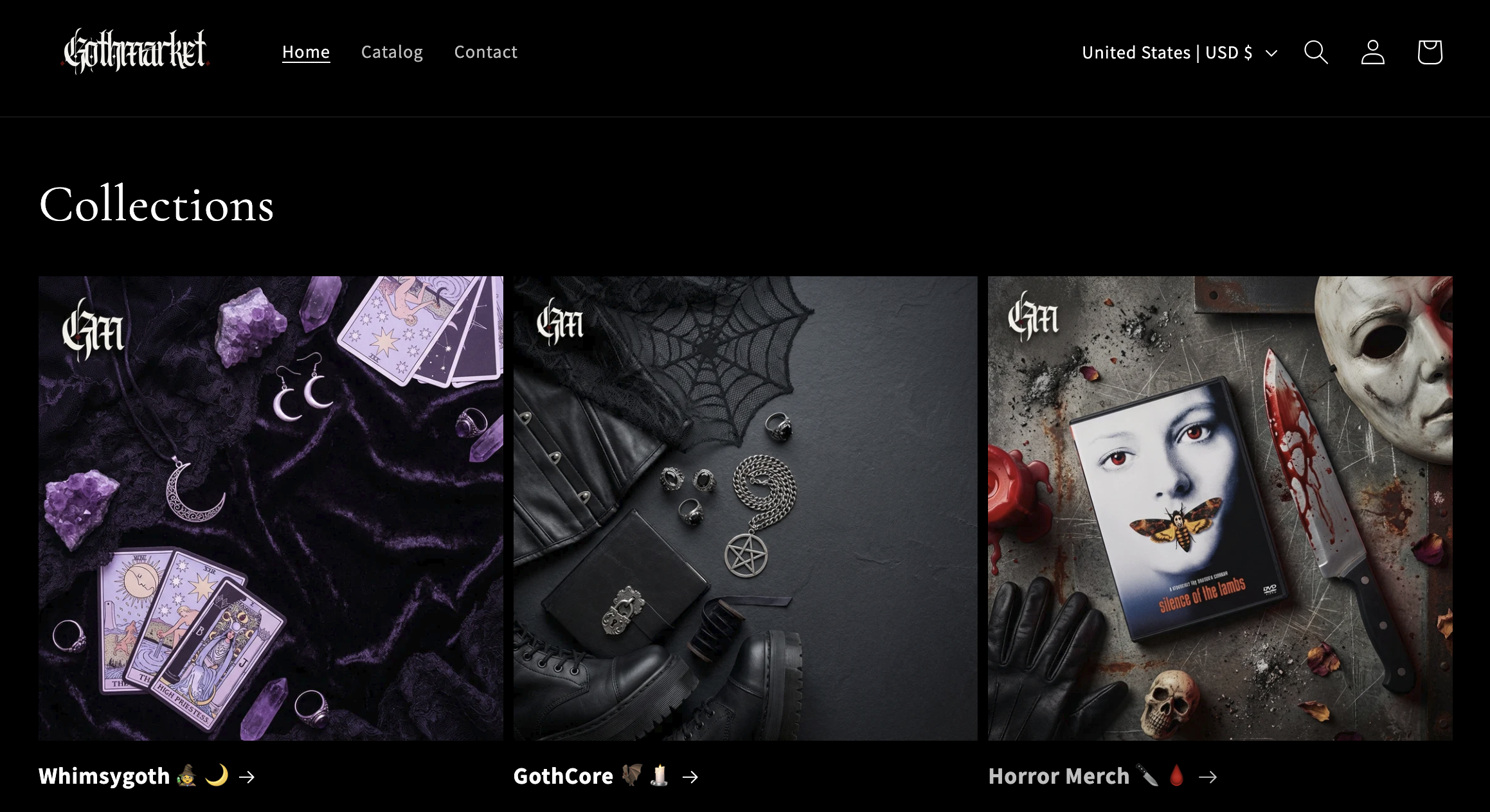
At Goth.Market, we connect you with independent creators and curated vendors who understand exactly what you’re looking for. Whether you want to shop gothic jewelry handcrafted with symbolic intention or find horror merch that speaks to your particular corner of the dark aesthetic universe, every piece on the platform is chosen to reflect genuine craft and culture. No mass-market noise, no compromise on quality. Just the dark, the beautiful, and the meaningful.
Frequently asked questions
What types of gothic collectibles are most sought-after?
Victorian mourning jewelry, vampire-slaying kits, occult artifacts, and horror memorabilia are among the most prized, valued for their aesthetic appeal, narrative depth, and cultural significance.
Can gothic collectibles support emotional well-being?
Yes. Collecting gothic and macabre items aids emotional regulation, provides self-soothing benefits, and delivers a dopamine boost from the hunt, all well-documented psychological rewards.
Are there any risks to collecting gothic or macabre items?
Excessive collecting can slide into obsession, and certain pieces tied to human remains or criminal history raise real ethical concerns that every serious collector should address directly.
How do occult practitioners use gothic collectibles?
Occult practitioners use symbolic gothic items such as pentagrams, witch bottles, and ritual tools for protection, intention-setting, and active spiritual practice rather than display alone.
How can I avoid ethical pitfalls when collecting?
Research provenance carefully, buy from reputable independent artists, and avoid artifacts with exploitative or criminal origins to keep your collection both meaningful and defensible.
Recommended
- Gothic collectibles: cultural significance beyond decor – GothMarket
- 6 Curated Gothic Art Examples Every Collector Should Know – GothMarket
- How to start a gothic art collection: tips for new collectors – GothMarket
- Gothic accessories: 5 key advantages for self-expression – GothMarket
- Gothic elements in literature for deeper storytelling – SandDancer Books
- Best Gothic Block Harmony for Atmospheric… | Gaia Legends