

Why sell handmade gothic art: niche markets and growth
TL;DR:
- Gothic art appeals emotionally and symbolically to a loyal, identity-driven niche market. The industry is rapidly growing, with digital and handmade products providing diversified revenue streams. Building authenticity, community, and a strong personal style is essential for sustained success.
Gothic art is not a fringe obsession quietly hiding in basement studios. It is a growing, emotionally charged market that connects deeply with buyers across alternative fashion, gaming, graphic novels, and dark decor. Gothic aesthetics resonate with modern audiences through emotional power, mystery, and cultural alignment, giving independent creators access to highly engaged niche segments willing to spend real money. If you have been wondering whether your handmade gothic art can become a sustainable business, this guide walks you through the emotional appeal, market data, revenue strategies, and community tools that make it possible.
Table of Contents
- The emotional and cultural appeal of gothic art
- Market growth: The business case for selling gothic art
- Diversified revenue streams: Beyond original artwork
- Community, story, and authenticity: The winning gothic sales strategy
- The overlooked power of authenticity in gothic art sales
- Turn your gothic art into a thriving business
- Frequently asked questions
Key Takeaways
| Point | Details |
|---|---|
| Niche passion drives demand | Gothic art inspires loyal fans through emotional and symbolic storytelling. |
| Real income opportunities | The gothic market and e-commerce platforms offer sustainable revenue for makers. |
| Diversify your art business | Offer prints, digital assets, and merch for passive and active income streams. |
| Community boosts loyalty | Personal branding and storytelling help creators build lasting relationships. |
The emotional and cultural appeal of gothic art
Gothic art does something most mainstream art cannot. It speaks directly to people who feel misunderstood, who find beauty in darkness, and who use aesthetics as a form of identity. That emotional resonance is not accidental. It is the foundation of a loyal buyer base.
“Gothic aesthetics resonate with modern audiences due to emotional power, mystery, and alignment with alternative fashion, graphic novels, and video games, enabling access to highly engaged niche segments.”
The role of gothic aesthetics in purchasing decisions goes far beyond visual preference. Buyers are not just buying a print or a sculpture. They are buying a piece of their identity. That is why gothic art collectors tend to return again and again to artists whose work reflects their worldview.
The overlap between gothic art and mainstream culture has expanded dramatically. Consider these areas where gothic influence now shows up regularly:
- Video games: From dark fantasy RPGs to horror survival titles, gothic visual language is everywhere in gaming culture
- Fashion: Modern fashion trends increasingly borrow from gothic aesthetics, from runway collections to streetwear
- Graphic novels and comics: Dark, atmospheric illustration styles dominate bestseller lists in alternative publishing
- Home decor: Consumers are decorating with intention, choosing pieces that reflect personal values and subcultural belonging
This crossover means your potential buyers are not only self-identified goths. They are gamers, readers, fashion-forward consumers, and collectors who respond to the emotional depth gothic art delivers.
Symbolism plays a huge role here too. Skulls, ravens, moons, thorns, and occult geometry carry meaning for buyers in ways that abstract or decorative art simply does not. When someone buys a piece featuring these symbols, they are making a statement about who they are. That kind of gothic self-expression transforms a transaction into a relationship between creator and collector. And relationships drive repeat purchases, word-of-mouth referrals, and the kind of loyalty that sustains an art business long term.
Market growth: The business case for selling gothic art
Emotional appeal is powerful, but numbers matter too. The market data behind gothic art and fashion is genuinely exciting for independent creators right now.
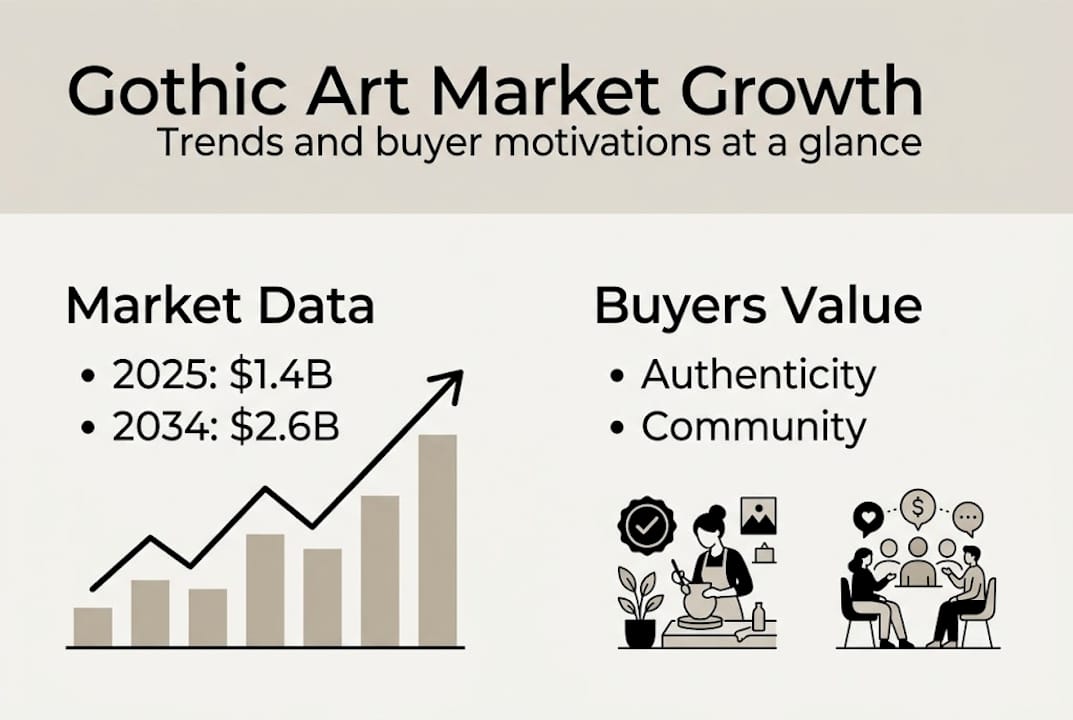
The goth fashion market was valued at $1.4 billion in 2025 and is projected to reach $2.6 billion by 2034, growing at a compound annual growth rate of 7.2%. That growth is fueled by subculture expansion, social media visibility, and the rise of e-commerce platforms that make niche products accessible globally.
| Metric | Value |
|---|---|
| Goth fashion market size (2025) | $1.4 billion |
| Projected market size (2034) | $2.6 billion |
| Compound annual growth rate | 7.2% |
| Etsy jewelry conversion rate | 3% to 4.5% |
| Etsy art and prints conversion rate | 2% to 4% |
| Average Etsy seller annual revenue | $35,000 |
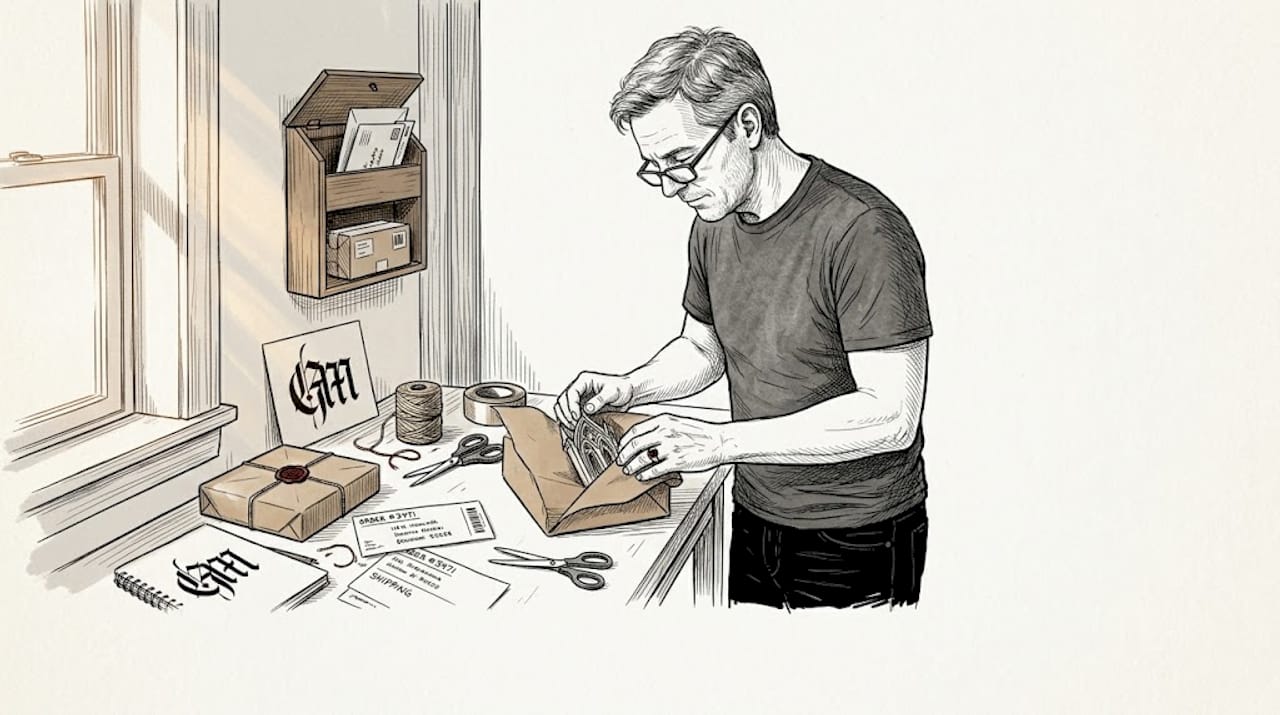
Handmade products hold a special advantage in this market. Mass-produced gothic items exist, but buyers who care deeply about the subculture actively seek out craftsmanship and authenticity. A factory-made skull pendant cannot compete with a hand-sculpted one that carries the maker’s story.
E-commerce platforms have made it easier than ever to reach these buyers. Platforms like Etsy show strong conversion rates for gothic categories, with jewelry converting at 3% to 4.5% and art and prints at 2% to 4%. The average Etsy seller earns around $35,000 per year, and top sellers in niche categories earn significantly more.
The community in goth markets also drives purchasing behavior in ways that general e-commerce does not. Gothic buyers share recommendations, celebrate independent artists on social media, and actively seek out creators who align with their values. Understanding handmade gothic quality helps you position your work as the premium, soul-driven alternative to mass production.
Diversified revenue streams: Beyond original artwork
One of the smartest moves a gothic artist can make is to stop thinking of their work as a single product and start thinking of it as a creative ecosystem.
Selling handmade gothic art allows you to scale through digital assets like brushes, patterns, and templates, as well as prints, licensing deals, and print-on-demand services. This creates passive income alongside your active studio work.
Here is a comparison of active versus passive revenue streams available to gothic artists:
| Revenue type | Examples | Effort level | Income potential |
|---|---|---|---|
| Active | Original commissions, custom pieces | High | High per sale |
| Semi-passive | Limited edition prints, merch drops | Medium | Medium ongoing |
| Passive | Digital templates, licensing, POD | Low after setup | Scalable |
Pro Tip: Tier your pricing intentionally. Offer exclusive one-of-a-kind originals at premium prices, limited edition prints at mid-range, and open-edition digital downloads at an accessible entry point. This lets buyers at every budget level connect with your work while protecting the value of your originals.
Here is a practical sequence for building multiple income streams:
- Start with original works to establish your style and build a portfolio
- Photograph and digitize your best pieces to create high-quality print files
- Launch a print-on-demand store using your existing designs
- Create digital assets like brushes or pattern packs based on your signature motifs
- Explore licensing your designs to gothic decor or fashion brands
If you already sell gothic decor or want to expand into gothic collectibles, these same principles apply. Diversification protects you from slow seasons and opens doors to buyers who might not purchase original art but will happily buy a print or a digital template. Learning niche marketing strategies can also help you target the right buyers for each tier of your offerings.
Community, story, and authenticity: The winning gothic sales strategy
Here is something most business guides miss about selling gothic art. The transaction is almost never the point. The story is.
Gothic buyers are drawn to creators who live the aesthetic, who can explain the symbolism behind a piece, who share their creative process openly. Building community through platforms like Patreon and Discord, weaving storytelling around gothic symbolism, and maintaining consistent branding across platforms are all strategies that top gothic artists use to build lasting businesses.
Pro Tip: Use Discord to create a private community for your collectors and supporters. Share works in progress, explain your symbolic choices, and let members vote on upcoming pieces. This turns passive buyers into active advocates who feel personally invested in your success.
Here are the key community-building practices that work specifically for gothic artists:
- Tell the story behind every piece: What inspired it? What does the symbolism mean to you? Buyers connect with intention.
- Show your process: Dark art looks even more compelling when people see the hands and hours behind it
- Be consistent across platforms: Your Instagram, Etsy shop, and personal website should all feel like the same artist
- Engage with the subculture: Comment on other artists’ work, participate in gothic art challenges, and show up as a genuine community member
- Use tiered membership platforms: Patreon lets you offer exclusive content to your most dedicated supporters while generating predictable monthly income
The gothic art community rewards authenticity above almost everything else. Buyers can tell when an artist is performing the aesthetic versus living it. Your genuine connection to the subculture is one of your most valuable marketing assets. Pair that with a solid guide to gothic merchandise strategy and you have a business that grows through relationships, not just algorithms.
The overlooked power of authenticity in gothic art sales
We have seen a lot of gothic artists chase trends, pivot to whatever style is getting clicks, and gradually lose the thing that made their work special in the first place. It is an easy trap to fall into, especially when social media rewards novelty.
But here is what the data and the community consistently show: handmade stands out for soul and authenticity in ways that trend-chasing print-on-demand work simply cannot match. Niche loyalty runs deeper than broad appeal. The artists who build the most durable gothic brands are the ones who go narrower, not broader.
That means doubling down on your specific aesthetic, your personal symbolism, your unique corner of the gothic world. Whether you work in dark botanical illustration, occult geometry, horror portraiture, or Victorian mourning motifs, owning that specificity is your competitive advantage. Buyers who love quality and meaning in handmade items are not looking for a generalist. They are looking for the artist who makes exactly the thing they have been searching for. Be that artist, and the right audience will find you.
Turn your gothic art into a thriving business
If you are ready to move from creating gothic art to actually building a business around it, the next step is finding the right platform and community to support that growth.
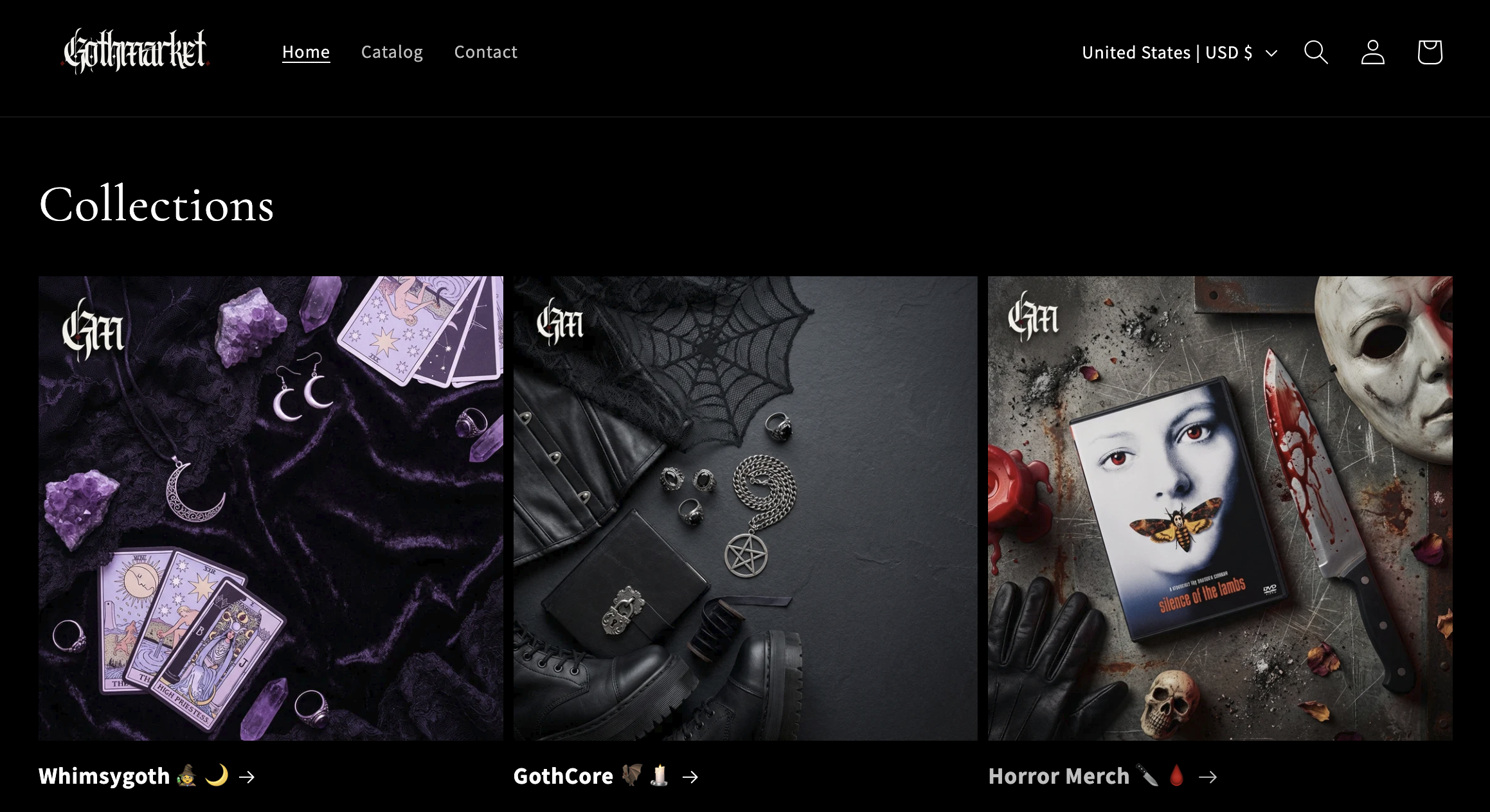
Goth.Market exists specifically for independent creators like you. It is a curated marketplace where gothic buyers actively seek out handmade, authentic work from artists who understand the subculture. You can explore gothic jewelry to see what is resonating with buyers right now, browse the whimsygoth collection for inspiration on how creators are blending styles, and join GothMarket to connect with a community that genuinely values what you make. Your art deserves an audience that gets it.
Frequently asked questions
What makes handmade gothic art more valuable than mass-produced items?
Handmade gothic art is prized for authenticity, craftsmanship, and unique storytelling that mass production simply cannot replicate. Buyers in this niche actively seek out the human touch and symbolic intention behind each piece.
How can independent artists diversify their income selling gothic art?
Artists can sell original works, offer prints and merch, license designs, or create digital assets for passive income like brushes, patterns, and templates that generate revenue without additional studio time.
Do niche platforms really make a difference in selling handmade gothic art?
Yes. Niche platforms like Etsy and GothMarket deliver higher conversion rates and connect sellers directly with highly engaged buyers who are already looking for exactly what gothic artists create.
How important is community-building for gothic artists?
Building an engaged community increases repeat sales, loyalty, and helps spread your art’s story. Storytelling around gothic symbolism combined with consistent platform presence turns one-time buyers into lifelong collectors.
Recommended
- Why buy handmade gothic items: quality and meaning – GothMarket
- Handmade Gothic Decor: Dark Elegance and Personal Style – GothMarket
- Why Choose Handmade Gothic Jewelry for Self-Expression – GothMarket
- Gothic collectibles: cultural significance beyond decor – GothMarket
- Craft Your Story with Custom Jewelry Trends – Malibu Vibes Jewelry