

Why Gothic Accessories Matter: Identity, Symbolism, Expression
Gothic accessories are not just dark jewelry or moody fashion choices. They carry centuries of cultural weight, personal meaning, and subcultural code that most outsiders never see. Rooted in medieval Gothic architecture, Victorian mourning rituals, and post-punk rebellion, these pieces evolved into the defining markers of goth identity by the 1980s. This article breaks down the history, symbolism, community function, gender dynamics, and authenticity debates surrounding gothic accessories, so you can understand and wear them with real intention.
Table of Contents
- The historical evolution of gothic accessories
- Identity, community, and expression through gothic accessories
- Symbolism and deeper meanings behind gothic accessories
- Empowerment and gender: How gothic accessories challenge norms
- Authenticity vs. commercialization: The evolving role of gothic accessories
- Making gothic accessories meaningful: Personal application guide
- Explore authentic gothic accessories
- Frequently asked questions
Key Takeaways
| Point | Details |
|---|---|
| Cultural identity | Gothic accessories act as visual markers of community and subcultural alignment. |
| Symbolic meaning | Each motif carries specific messages about mourning, rebellion, mysticism, or romance. |
| Self-expression | They offer ways to showcase individuality beyond mainstream trends. |
| Challenging norms | Accessories often subvert traditional gender roles, supporting empowerment. |
| Authenticity matters | Staying meaningful means choosing symbols that resonate personally, not just following trends. |
The historical evolution of gothic accessories
To understand why gothic accessories carry so much weight today, you need to trace where they came from. The story starts in medieval Europe, where pointed arches, gargoyles, and dark stone architecture shaped an entire visual language. That language eventually filtered into jewelry and personal adornment, long before the goth subculture existed.
Victorian mourning culture added another layer. After the death of Prince Albert in 1861, Queen Victoria wore black for decades, and jet stone jewelry became a symbol of grief and remembrance. This normalized dark aesthetics in everyday wear. Then post-punk arrived in the late 1970s, and bands like Siouxsie and the Banshees fused these older visual codes with raw, rebellious energy. By the 1980s, the evolution of gothic fashion had produced a fully realized subculture with its own accessory vocabulary.
Key historical phases that shaped gothic accessories:
- Medieval period: Pointed motifs, religious iconography, and dark stonework entered decorative arts
- Victorian era: Mourning jewelry using jet, onyx, and black enamel became socially accepted
- Post-punk 1970s: Leather, studs, and dark romanticism merged into early goth aesthetics
- 1980s goth subculture: Accessories became subcultural badges, signaling belonging and identity
- 1990s to present: Cybergoth, romantic goth, and nu-goth expanded the accessory palette
| Era | Historical context | Typical accessories | Main symbolic meanings |
|---|---|---|---|
| Medieval | Gothic architecture dominates Europe | Crosses, amulets, dark stone rings | Faith, protection, mortality |
| Victorian | Mourning culture after royal losses | Jet brooches, lockets, black cameos | Grief, remembrance, love |
| Post-punk 1970s | Rebellion against mainstream pop culture | Studded leather, safety pins, chains | Defiance, anti-conformity |
| 1980s goth | Subculture formation around dark music | Chokers, crucifixes, lace gloves | Identity, belonging, dark romanticism |
| Modern goth | Digital age, niche communities online | Moon pendants, occult rings, layered chains | Mysticism, individuality, community |
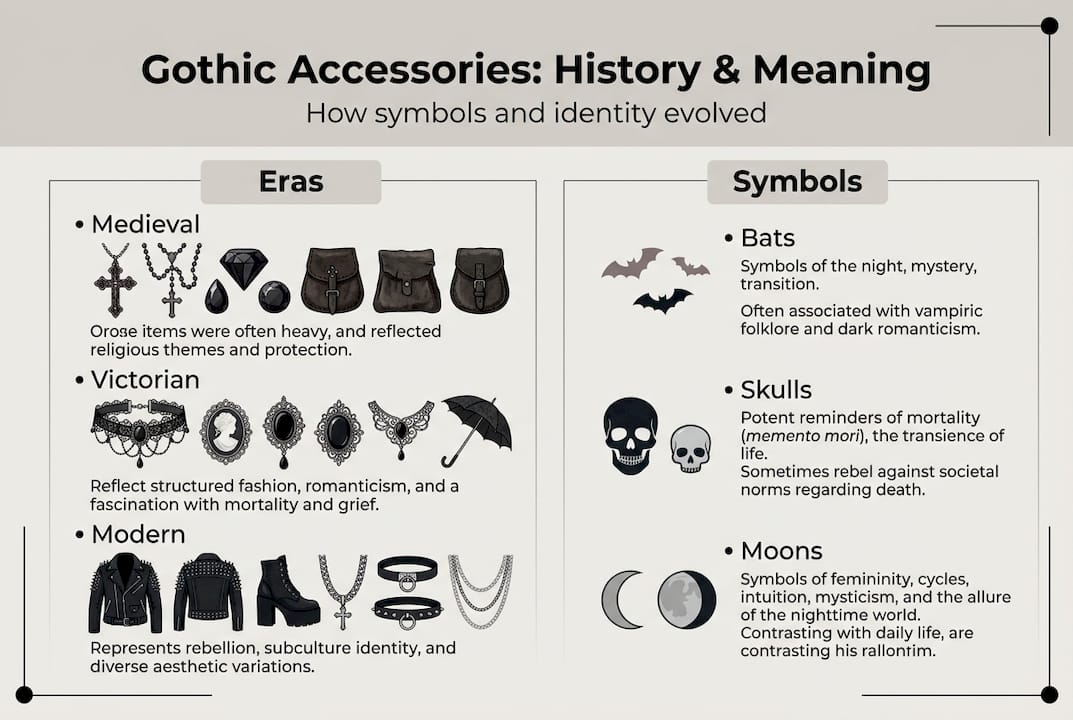
The history of gothic accessories shows that each era added new meaning without erasing the old. These pieces accumulate symbolism the way old buildings accumulate stories.
Identity, community, and expression through gothic accessories
Understanding the historical roots, we see why these items became more than decoration. They are central to expressing who you are and finding your people.
Accessories enable self-expression, individuality, and rebellion against mainstream norms within goth subculture, fostering community and identity. That is not a small thing. In a world where most fashion is mass-produced and interchangeable, a hand-chosen crucifix choker or a custom sigil ring says something specific about the person wearing it.
Ways gothic accessories express individuality:
- Mixing vintage Victorian pieces with modern occult jewelry creates a personal timeline
- Customizing mass-market items with personal symbols or engravings adds unique meaning
- Layering accessories from different goth subgenres signals nuanced taste and knowledge
- Choosing handmade or independent creator pieces rejects corporate aesthetics
- Wearing pieces tied to personal rituals or beliefs deepens the connection beyond fashion
Visible accessories also function as instant social signals. When you walk into a room wearing a bat pendant or a moon phase ring, other goths recognize you. That recognition is not superficial. It is the foundation of subcultural community. The guide to gothic accessory meaning explains how these signals work across different goth scenes.
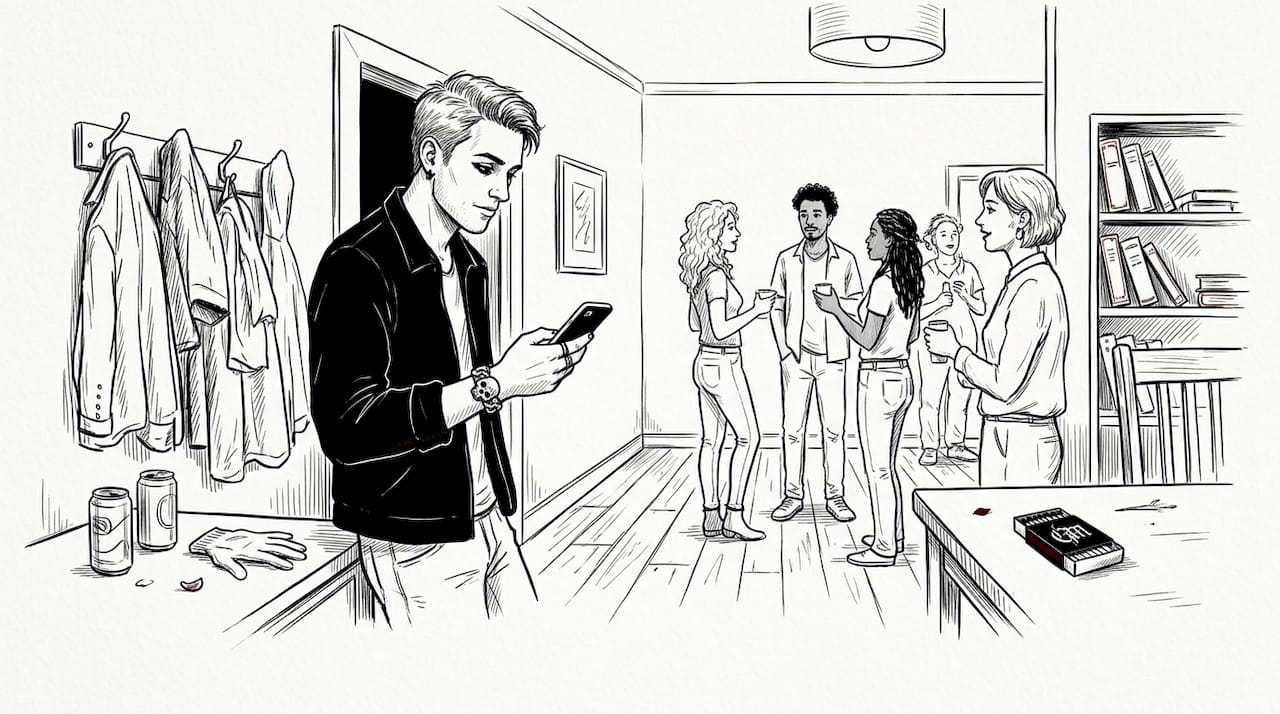
Contrast this with mainstream fashion, where a skull print shirt from a fast-fashion brand carries zero subcultural weight. The difference is intentionality and knowledge. Gothic accessories worn with awareness of their history and symbolism communicate something that trend-driven pieces simply cannot.
Pro Tip: When building your accessory collection, prioritize pieces that connect to something you actually believe in or find meaningful, whether that is a specific mythology, a personal loss, or a philosophical stance. Authenticity reads instantly in goth spaces, and it matters more than having the most expensive or rarest pieces. The gothic symbolism explained resource can help you identify which motifs resonate with your worldview.
Symbolism and deeper meanings behind gothic accessories
Having explored how accessories help form identity, it is crucial to decode what these items actually symbolize in goth circles.
“Gothic accessories originated from medieval Gothic architecture, Victorian mourning jewelry, and evolved through post-punk into the 1980s Goth subculture, serving as key identifiers of subcultural belonging.”
Every motif in gothic accessory culture carries layered meaning. A bat is not just a bat. It references nocturnal life, transformation, and the liminal space between worlds. A moon phase pendant speaks to cycles, feminine power, and occult practice. These are not random choices.
| Motif | Symbolic meaning | Cultural origin |
|---|---|---|
| Crucifix | Faith, mortality, defiance of death | Medieval Christianity, Victorian mourning |
| Bat | Transformation, night, liminality | Gothic literature, folklore |
| Moon phases | Cycles, mysticism, feminine power | Pagan and occult traditions |
| Black stones (onyx, jet) | Grief, protection, grounding | Victorian mourning jewelry |
| Lace and filigree | Dark romanticism, fragility, beauty in decay | Victorian fashion |
| Pentagram | Occult knowledge, protection, rebellion | Pagan and ceremonial magic |
Symbolic functions of gothic accessories include:
- Mourning: Honoring loss and making grief visible and beautiful
- Rebellion: Rejecting mainstream beauty standards and social conformity
- Mysticism: Connecting to occult, pagan, or spiritual practices
- Romanticism: Celebrating beauty in darkness, decay, and the macabre
- Protection: Wearing talismanic pieces believed to ward off negative energy
These symbols also create insider and outsider dynamics. Someone who knows that a specific sigil references a particular occult tradition will read that ring very differently than someone who just thinks it looks cool. That layered reading is part of what makes exploring goth symbolism so rewarding. The gothic jewelry meaning guide breaks down many of these motifs in practical detail.
Empowerment and gender: How gothic accessories challenge norms
Symbolism is not just aesthetic. It extends to challenging or reinforcing social roles, and gothic accessories have a complex relationship with gender.
Goth style supports gender egalitarianism and sexual independence for women by challenging passive femininity. Men in goth spaces wear lace, jewelry, and makeup without the stigma those choices carry in mainstream culture. Women wear heavy boots, spiked collars, and armor-like pieces that reject delicate femininity entirely. The accessories make these statements visible and wearable.
Examples of gendered and nonbinary accessory use in goth culture:
- Men wearing chokers, rings on every finger, and lace cuffs without social penalty
- Women choosing aggressive, armor-inspired pieces over traditionally delicate jewelry
- Nonbinary individuals layering masculine and feminine motifs to create entirely new visual languages
- Couples sharing accessories across gender lines as a statement of equality
- Younger goths using accessories to explore gender identity before committing to any label
However, reliance on romantic symbolism can limit broader gender equality gains by prioritizing romance over systemic change. A corset and lace choker combination is empowering on an individual level, but it still operates within a romantic and often heteronormative visual framework. That tension is worth acknowledging.
Pro Tip: Experiment with accessories that sit outside both traditional gender codes and the romantic goth aesthetic. Architectural jewelry, industrial hardware pieces, and abstract occult symbols offer powerful expression without defaulting to either masculine or feminine conventions. Check out authentic goth style tips and gothic wardrobe essentials for practical inspiration.
Authenticity vs. commercialization: The evolving role of gothic accessories
The meanings and roles of accessories continuously shift. Now, let’s see how authenticity and commercialization impact them today.
Mainstream adoption dilutes subcultural edge, but it also sustains relevance. Purists view commercialization as inauthentic, while others see it as a gateway that brings new people into the scene. Both perspectives have merit.
“Gothic visibility may correlate with economic crises and social instability, suggesting the subculture grows when mainstream culture feels most alienating.”
Pros and cons of commercialization for the goth subculture:
- Pro: Wider access means more people can afford quality gothic accessories
- Pro: Mainstream visibility reduces social stigma around wearing dark aesthetics
- Pro: Increased demand supports independent creators and small gothic brands
- Con: Mass-produced versions strip away the symbolic depth and craftsmanship
- Con: Trend-driven adoption can feel disrespectful to those who built the subculture
- Con: Oversaturation makes it harder to use accessories as genuine subcultural signals
The key is knowing the difference between a piece made with intention and one made for profit. Goth in modern trends explores how the subculture navigates this tension. You can engage with gothic style trends without losing your authenticity by prioritizing independent makers and understanding the history behind what you wear. The gothic aesthetics in markets analysis offers useful context on how the market is shifting.
Making gothic accessories meaningful: Personal application guide
With both the tradition and the contemporary context unpacked, here is how you can make your gothic accessories truly meaningful and personal.
Self-expression through accessories works best when it is intentional rather than impulsive. Here is a practical process:
- Research the motifs that attract you before buying. Know what a symbol means before you wear it.
- Identify your goth subgenre (romantic, cyber, Victorian, nu-goth) and build accessories that reflect that specific aesthetic.
- Start with three anchor pieces that feel deeply personal, then build outward from there.
- Mix eras and styles deliberately. A Victorian locket paired with a modern sigil ring creates a personal narrative.
- Avoid buying only what is trending. Trend-driven collections feel hollow fast. Meaning-driven collections grow richer over time.
- Support independent creators who make pieces with craft and intention rather than mass-market factories.
Pro Tip: Your starter set should include one piece tied to personal belief or mythology, one piece with historical roots (Victorian, medieval, or post-punk), and one piece that challenges your usual aesthetic comfort zone. This combination gives you range and depth. The gothic accessory styling guide is a great resource for building that foundation.
Reinterpretation is also valid. Gothic culture has always absorbed and transformed influences. You do not need to replicate what came before. You need to understand it well enough to make it your own.
Explore authentic gothic accessories
If you are ready to move from understanding to wearing, Goth.Market is built for exactly this kind of intentional shopping. The platform connects you with independent creators who make pieces with real craft and symbolic depth, not factory-line imitations.
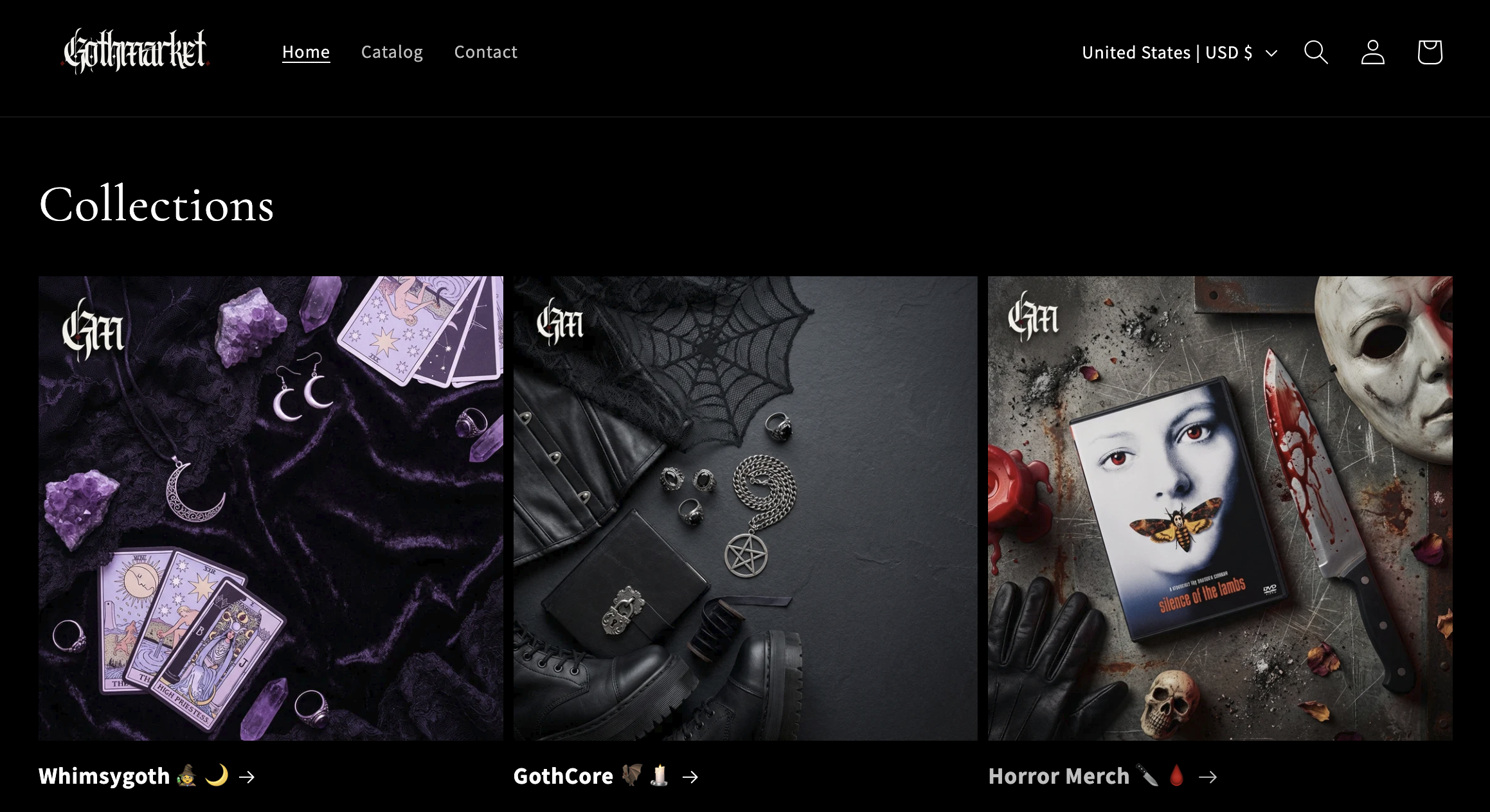
Browse the curated gothic jewelry collection to find pieces that align with the motifs and meanings covered in this article. The Celestial Chain Choker is a strong starting point if moon symbolism resonates with you, while the Dark Aesthetic Ring Set offers layered occult expression across multiple fingers. Every piece on Goth.Market is chosen for its aesthetic integrity and connection to the subculture, not just its visual appeal. Shopping here is an act of curation, not consumption.
Frequently asked questions
What defines an accessory as ‘gothic’?
A gothic accessory typically features motifs drawn from medieval, Victorian, or dark romantic imagery, such as black stones, lace, crucifixes, bats, or moon phases. The historical roots of these motifs are what separate genuine gothic pieces from trend-driven imitations.
How do gothic accessories help build community?
They function as visual signals of subcultural belonging, allowing members of the goth scene to identify each other instantly. Accessories foster community by making shared values and aesthetics visible in public spaces.
Are there rules for choosing the right gothic accessories?
There are no strict rules, but choosing pieces with personal symbolic resonance is strongly recommended. Individuality and rebellion are core goth values, so authenticity matters far more than following a checklist.
How do these accessories affect perceptions of gender in the goth scene?
Goth accessories enable more flexible, egalitarian gender expression by making it socially acceptable to wear pieces outside traditional gender codes. Goth style challenges passive femininity and supports sexual independence, though some romantic symbols can still reinforce older patterns.
Is the meaning of gothic accessories changing as they become more mainstream?
Yes. Mainstream adoption dilutes subcultural edge but also introduces gothic aesthetics to new audiences who may develop genuine connections to the subculture over time. Meaning evolves rather than disappears.