

Occult-inspired design: Meaning, symbols, and modern impact
TL;DR:
- Occult-inspired design is rooted in centuries of spiritual, philosophical, and ritual traditions.
- Authentic symbols carry deep meaning, unlike superficial motifs used purely for aesthetics.
- Modern evolution includes digital mysticism like cybersigilism and AI-generated ritual art.
Occult symbolism in fashion and art is not a passing trend born from social media aesthetics. It carries centuries of ritual weight, philosophical depth, and genuine spiritual practice. When you see a sigil on a leather jacket, a pentagram on a silver ring, or alchemical imagery in a gallery piece, you’re looking at a visual language developed through movements like Theosophy, Symbolism, and chaos magick. This guide breaks down what occult-inspired design actually means, decodes its most powerful symbols, and shows you how to engage with it authentically, whether you’re building a wardrobe, a collection, or a ritual practice.
Table of Contents
- Defining occult-inspired design: More than mystique
- Key symbols and meanings: Decoding the visual language
- Subcultural authenticity vs. commodified aesthetics
- Modern evolutions: From cybersigilism to digital mysticism
- Practical application: How to engage with occult-inspired design
- What most people get wrong about occult-inspired design
- Explore authentic occult-inspired gothic finds
- Frequently asked questions
Key Takeaways
| Point | Details |
|---|---|
| Defines occult-inspired design | More than aesthetics, it’s a language of symbols and spiritual intent woven into art and fashion. |
| Symbolic authenticity matters | Meaningful use of occult motifs depends on knowledge, context, and intention—not just appearance. |
| Modern evolution is digital | Occult design now blends with technology through digital sigils, AI art, and cyberpunk influences. |
| Engage with respect | Collectors and practitioners should learn about symbols and choose authentic, context-rich pieces. |
Defining occult-inspired design: More than mystique
Occult-inspired design pulls from a long tradition of art and philosophy concerned with hidden knowledge, invisible forces, and the transformation of the self. The word “occult” literally means hidden, and that’s the point. These are not decorative patterns thrown onto fabric for shock value. They are visual systems built to communicate ideas that words often can’t reach.
The foundations go deep. Occult art draws from movements like Symbolism, Surrealism, and abstraction influenced by Theosophy, with artists such as Hilma af Klint and Wassily Kandinsky using symbols to represent spiritual and invisible realms. Af Klint’s abstract paintings, created in the early 1900s, were so spiritually charged she refused to show them publicly during her lifetime. Kandinsky wrote extensively about the spiritual dimension of color and form. These were not eccentric side projects. They were the center of serious artistic inquiry.
From those roots, occult-inspired design migrated into fashion, jewelry, tattooing, architecture, and product design. The core elements that define it are:
- Symbols drawn from esoteric traditions (alchemy, Kabbalah, hermeticism, paganism)
- Themes of hidden knowledge, transformation, and spiritual initiation
- Ritual intent, where the design is meant to do something, not just represent something
- Visual opposition: light and dark, life and death, known and unknown
The most important distinction to understand is the difference between surface-level aesthetic and symbolic intent. A skull on a fast-fashion hoodie is decoration. A skull integrated into a ritual garment, selected for its association with transformation and mortality in alchemical thought, is something entirely different. Both look similar. Only one carries actual cultural and spiritual weight. Learning to tell them apart is the first real step in engaging with occult design as more than a costume. Exploring gothic merchandise and symbolism will help you start building that critical eye.
“The occult, at its core, is about systems of meaning. Every symbol is a compressed library of philosophical ideas. When you wear one, you either understand the library or you’re just carrying a book you’ve never opened.”
Key symbols and meanings: Decoding the visual language
Symbols are the vocabulary of occult-inspired design. Knowing what they mean changes how you read a piece of jewelry, a painted canvas, or an embroidered garment. The same shape can carry wildly different meanings depending on tradition, context, and orientation.
Here is a working reference table for the most widely used occult symbols in alternative fashion and dark art:
| Symbol | Origin | Core meaning | Common use in design |
|---|---|---|---|
| Pentagram | Pre-Christian, Wiccan, ceremonial magic | Five elements, protection, balance | Rings, pendants, sigil art |
| Crescent moon | Lunar paganism, goddess traditions | Cycles, intuition, feminine power | Chokers, headpieces, tapestries |
| Ouroboros | Egyptian, Greek, alchemical | Infinity, self-renewal, cyclical time | Arm cuffs, tattoo-style prints |
| Eye of Providence | Freemasonry, Christian mysticism | Divine sight, hidden knowledge | Embroidery, altar decor, brooches |
| Alchemical symbols | Medieval European alchemy | Elemental transformation, spiritual evolution | Prints, sigil jewelry, ritual tools |
| Sigils | Chaos magick, ceremonial traditions | Personalized intention, manifestation | Custom jewelry, digital art, patches |
What makes this richer than a glossary is how these symbols get layered in actual design. A crescent moon paired with an ouroboros doesn’t just double the imagery. It creates a dialog between cyclical time and personal renewal. Skilled designers working within gothic and occult traditions understand this grammar. They compose visual sentences, not just collections of shapes.
The psychological dimension is just as real as the spiritual one. For gothic enthusiasts and practitioners, fashion becomes ritual armor, integrating opposites like light and dark for psychological equilibrium and subversive expression. When you wear symbols that reference death alongside symbols of renewal, you’re not being morbid. You’re building a wearable philosophy about how you navigate the world.
Understanding symbolism in goth fashion goes well beyond picking what looks cool. It means knowing which symbols belong to living traditions and which have been severed from their roots. A pentagram pointing up means something different from one pointing down. Orientation, color, and pairing all carry meaning in systems where nothing is arbitrary.
Pro Tip: When evaluating a piece of occult-inspired jewelry or clothing, search the specific symbol’s tradition before buying. If a designer can’t tell you what tradition their sigil comes from, that’s a clear sign the design is decorative rather than intentional. Authentic pieces often come with context. That context is part of the value.
For deeper guidance on incorporating these symbols into looks, the gothic styling with occult symbols resource covers both the visual and conceptual side of building a coherent aesthetic.
Subcultural authenticity vs. commodified aesthetics
Recognizing symbols is only part of the picture. The bigger challenge is evaluating whether a piece of design comes from genuine subcultural roots or from a market team that spotted a trend.
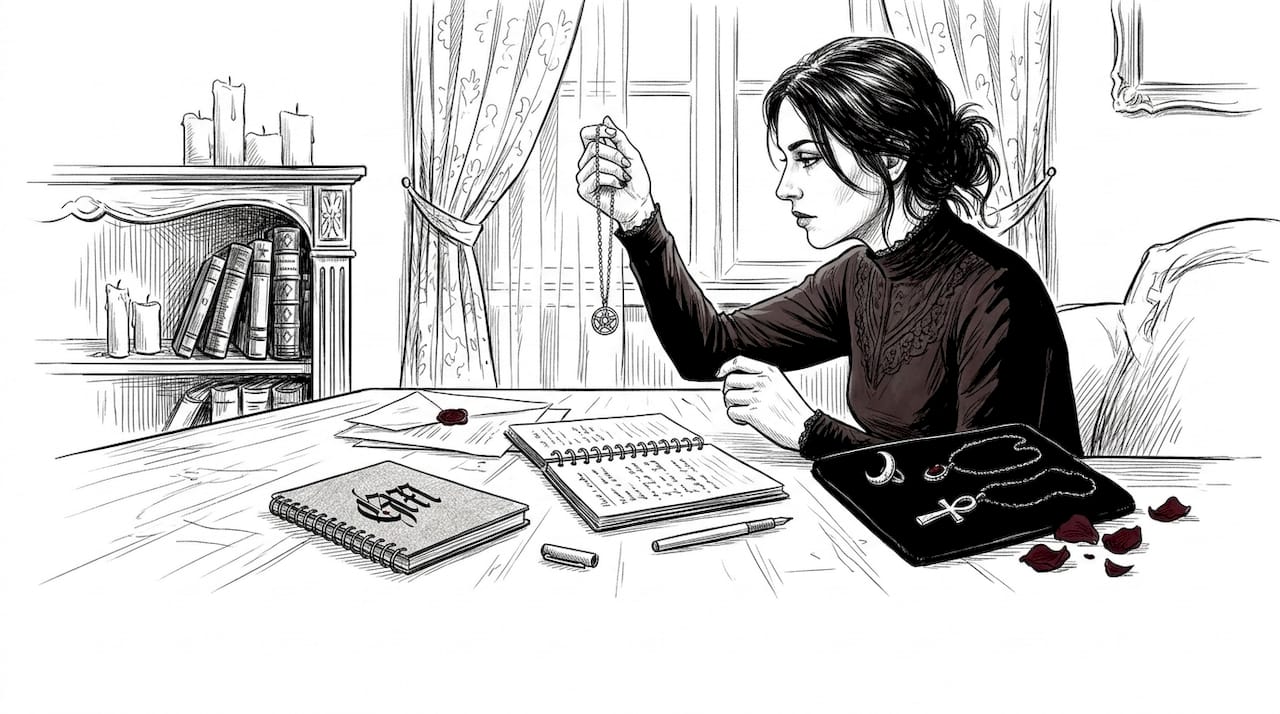
Symbolic engineering involves the deliberate manipulation of symbols for transformation, bearing real costs like time, attention, and study. That’s the authentic version. What fast fashion does is strip the symbol from its context, reproduce it at scale, and sell it as identity shorthand. The visual result looks similar. The experience of wearing or owning it is completely different.
Here’s a practical comparison to use when evaluating any occult-inspired piece:
| Feature | Authentic subcultural design | Commodified fast fashion |
|---|---|---|
| Intention | Ritual, identity, spiritual practice | Market appeal, trend-chasing |
| Symbol accuracy | Historically grounded and context-aware | Often modified or misattributed |
| Material quality | Durable, often handcrafted or limited run | Mass-produced, synthetic |
| Community ties | Connected to makers within the subculture | No subcultural origin or community |
| Longevity | Designed to last and age with meaning | Seasonal, disposable |
Use this checklist when making purchasing decisions:
- Research the maker. Are they part of the gothic, pagan, or occult community? Do they reference specific traditions in their work?
- Examine the symbol. Is it accurately rendered? Is it presented with context or just slapped on a product?
- Consider the material. Authentic occult jewelry is typically made from silver, brass, or stone with real craft investment. Cheap alloys are a signal.
- Look for limited quantities. Mass production is the antithesis of intentional design.
- Ask questions. Authentic vendors know their symbols. If a shop can’t explain what a sigil means, find one that can.
Pro Tip: Shallow symbolism carries a real cost beyond the ethical one. When you surround yourself with symbols you don’t understand, you lose the psychological benefit that comes with intentional design. The ritual dimension only activates when you know what you’re engaging with.
Finding curated gothic products from independent makers who are embedded in these communities is the most reliable way to avoid commodified aesthetics and connect with design that actually carries weight.
Modern evolutions: From cybersigilism to digital mysticism
Occult-inspired design has never been static. Every generation of practitioners and artists adapts the visual language to their technological and cultural moment. Right now, we’re watching one of the most dramatic shifts in that history.
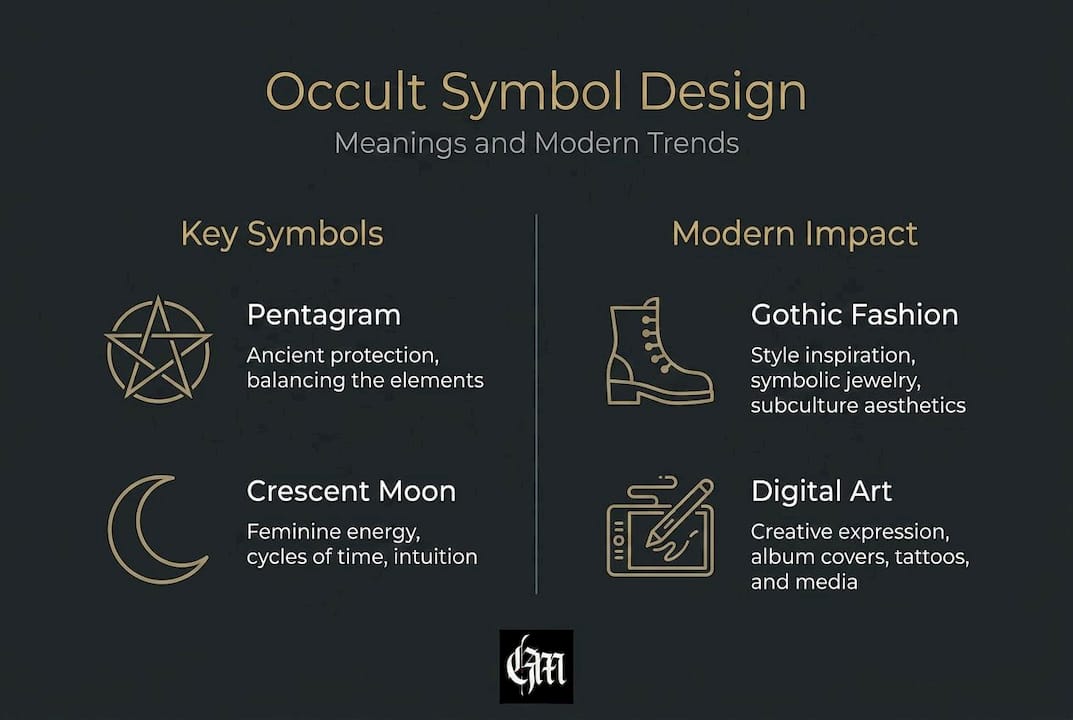
Cybersigilism blends chaos magick sigils with digital glitches, cyberpunk motifs in gothic fashion, and AI-generated ritual aesthetics. This isn’t just a visual style shift. It’s a philosophical one. Practitioners are asking whether a sigil generated by an algorithm carries the same intent as one drawn by hand. The debate is genuinely interesting and has no clean resolution.
The major currents shaping modern occult design include:
- Cybersigilism: Traditional sigil design merged with glitch art, pixel distortion, and digital corruption aesthetics
- AI ritual art: Machine learning used to generate occult imagery, raising questions about intent and authorship
- Cyberpunk gothic fusion: Neon color palettes and tech motifs layered onto traditional dark aesthetics
- Digital altars: Occult practitioners building ritual spaces in digital environments, influencing both online communities and physical product design
- Wearable tech with occult intent: Smart jewelry and accessories embedded with symbolic meaning beyond their function
The rise in popularity has been steady since the 1980s when the gothic subculture established itself as a serious countercultural force. From there, interest in occult motifs spread through industrial music, neo-pagan spirituality, and eventually into contemporary art exhibitions. The 2013 Venice Biennale notably featured work engaging with occult themes, signaling mainstream art world recognition of what alternative communities had been developing for decades.
Modern gothic trends now incorporate these digital dimensions naturally. Designers are using laser cutting, UV printing, and even embedded QR codes linking to ritual instructions. The boundary between physical garment and digital experience is dissolving, and occult design is at the forefront of that dissolution.
Practical application: How to engage with occult-inspired design
Understanding the history and the symbols is genuinely useful. But what do you actually do with that knowledge? Here’s how to move from theory into a living practice, whether your focus is fashion, art, or ritual.
Exhibitions like the 2013 Venice Biennale and the consistent presence of occult themes in contemporary art confirm that this is a field with serious creative depth worth engaging with sincerely.
Follow these steps to build an authentic engagement with occult-inspired design:
- Start with one tradition. Trying to mix every occult system at once produces visual chaos without meaning. Pick one tradition, Wiccan, alchemical, chaos magick, or hermetic, and learn it thoroughly before layering others.
- Build your wardrobe intentionally. Every piece should have a reason. Knowing why you’re wearing a specific symbol changes how you carry it. For a structured approach, the building a dark wardrobe guide gives you a practical framework.
- Invest in quality over quantity. A single piece of well-made occult jewelry from an independent artisan carries more presence than ten mass-produced alternatives.
- Learn from practitioners, not just influencers. Communities of witchcraft practitioners, ceremonial magicians, and dark artists are rich sources of context that no aesthetic-only platform provides.
- Document your collection. Keep notes on what each piece means to you, where it came from, and what tradition it connects to. This transforms a collection into a personal archive with real depth.
- Revisit and evolve. Your relationship with symbols changes as you study more. A piece you bought for its look may take on entirely new meaning once you understand its deeper history.
Pro Tip: Before adding a piece to your collection, sit with it visually for a few days. Research its symbolism. If it still resonates after that process, it belongs in your collection. If it fades, you’ve saved yourself from a purchase driven purely by impulse.
For inspiration on creating coherent looks that integrate occult symbolism meaningfully, styling gothic outfits offers a practical visual guide grounded in the actual subculture.
What most people get wrong about occult-inspired design
The most common mistake is treating occult-inspired design as pure aesthetics. We see this constantly: someone discovers the visual richness of alchemical imagery or chaos magick sigils, starts incorporating it into their outfits, and stops there. The look is assembled. The understanding is absent.
Authenticity and intention are what create actual resonance. This isn’t a spiritual gatekeeping argument. It’s a practical one. When you understand what you’re wearing, you wear it differently. It carries differently. Other people in the subculture recognize that distinction immediately.
Superficial use doesn’t just weaken the personal impact. It gradually erodes the cultural power of the symbols themselves. When a sigil gets mass-printed on ten thousand tote bags with no context, it loses its charge. The evolution of gothic fashion shows us that the subculture survives precisely because communities within it resist that erosion, insisting on meaning over market value.
The uncomfortable truth is that occult-inspired design rewards patience and study. The people whose collections and looks carry the most impact are the ones who spent years building both knowledge and curation simultaneously. There are no shortcuts that preserve the depth.
Explore authentic occult-inspired gothic finds
If this breakdown has sparked the urge to add something genuinely meaningful to your collection, the curated selection at Goth.Market is built for exactly that. Every piece in our occult-inspired jewelry collection comes from independent creators who understand the traditions behind the symbols they use.
For those drawn to the softer, celestial dimension of occult aesthetics, the whimsygoth collection offers lunar and mystical pieces that balance dark and light with real craft. The celestial moon choker is a strong starting point: beautifully made, rich in lunar symbolism, and designed with the kind of intention this article has been about.
Frequently asked questions
What makes a design ‘occult-inspired’ versus simply gothic?
A design is “occult-inspired” when it uses symbols rooted in esotericism, ritual practice, or spiritual traditions like Theosophy, alchemy, or ceremonial magic, while gothic design may focus on dark visual aesthetics without that deeper symbolic grounding.
Can occult symbols be used respectfully in fashion?
Yes, but it requires genuine symbolic understanding and contextual awareness. Knowing a symbol’s origin, tradition, and correct usage is what separates respectful integration from hollow tokenism.
Why are occult patterns and symbols so prevalent in modern alt-fashion and art?
Rising interest in spirituality, identity, and digital mysticism movements like cybersigilism have pushed occult motifs to the forefront of alternative fashion and contemporary art across both physical and online communities.
Does using occult design in home decor or jewelry have any spiritual impact?
For many practitioners and collectors, integrating occult design carries genuine ritual or psychological meaning, functioning as what some call ritual armor. The impact depends heavily on the wearer’s intent and depth of understanding.
What is ‘cybersigilism’ in occult-inspired design?
Cybersigilism is a contemporary movement that blends chaos magick sigils with digital glitch aesthetics and cyberpunk motifs, creating occult-inspired visuals that exist at the intersection of ancient ritual intent and modern technology.