

Occult Jewelry Explained: Meaning, Style, and Self-Expression
TL;DR:
- Occult jewelry features mystical symbols rooted in spiritual traditions, not just fashion accessories.
- Wearing these symbols requires understanding their origins and respecting their sacred meanings.
- Authentic pieces are best sourced from artisans who share genuine knowledge of the symbols’ cultural and spiritual significance.
Occult jewelry is one of the most misunderstood corners of alternative fashion. To outsiders, a pentagram ring or crescent moon choker might read as edgy decoration. But for the goth community, spiritual practitioners, and alternative style seekers, these pieces carry real weight. They speak to identity, belief, heritage, and belonging. This guide pulls back the curtain on occult jewelry’s origins, its most powerful symbols, how it fits into goth culture today, and how you can wear it with confidence and genuine intention.
Table of Contents
- Understanding occult jewelry: More than an accessory
- Key symbols and materials in occult jewelry
- Occult jewelry in alternative fashion and goth culture
- How to choose and wear occult jewelry authentically
- Why intention matters more than trend: Our take on occult jewelry
- Find your next occult jewelry piece at Goth.Market
- Frequently asked questions
Key Takeaways
| Point | Details |
|---|---|
| Beyond surface style | Occult jewelry holds deep meaning beyond fashion trends and statements. |
| Symbol wisdom matters | Researching the origins of symbols ensures both respectful and authentic self-expression. |
| Intent over trend | Wearing occult pieces with purpose carries more impact than following temporary fads. |
| Choose creators mindfully | Supporting independent makers and understanding their intent brings added significance to your jewelry. |
Understanding occult jewelry: More than an accessory
Occult jewelry is not a Halloween costume category. At its core, it refers to pieces that feature esoteric, mystical, or magical symbols drawn from spiritual traditions spanning centuries and continents. The word “occult” simply means “hidden” in Latin, pointing to knowledge or practices beyond ordinary understanding. These aren’t random spooky shapes. Each symbol in occult jewelry carries a lineage.
The history runs deep. Ancient Egyptians wore amulets shaped like the ankh (a symbol of life and the divine) and the Eye of Horus (a protective emblem). Medieval Europeans crafted rings engraved with sigils for protection and power. Cunning folk in early modern Britain wore talismans as part of everyday spiritual practice. Across cultures and centuries, wearing symbolic objects was a way to call on forces greater than oneself.
When you explore the meaning of occult symbols, you quickly realize that these designs were never frivolous. They marked spiritual status, offered protection, or served as tools in ritual. That context matters enormously for understanding what these pieces mean to wearers today.
Here are some of the key ways occult jewelry functions for different communities:
- Spiritual protection: Wearing symbols believed to ward off negative energy or harmful forces
- Identity markers: Signaling membership in a spiritual path or philosophical tradition
- Personal talismans: Objects charged with intention to support specific goals or emotional states
- Cultural heritage: Honoring ancestral traditions through sacred iconography
- Aesthetic expression: Communicating personality and worldview through visual language
The tension arrives when fashion absorbs these symbols without understanding them. As one perspective on the occult trend notes, practitioners view these pieces as sacred tools used for protection and rituals, while the fashion world’s adoption risks cultural appropriation and diluting their meanings into “edgy” irony. That’s a real concern worth sitting with before you reach for any piece.
“When symbols that carry centuries of spiritual practice become mass-market trends, something essential gets lost. The meaning doesn’t travel with the aesthetics unless we consciously bring it along.”
Understanding the symbolism in goth fashion reveals how much intentionality shapes whether jewelry empowers its wearer or simply decorates them.
Key symbols and materials in occult jewelry
Once you know what occult jewelry is, you’ll notice certain symbols and materials appear again and again. They’re not interchangeable. Each carries a distinct tradition and a set of meanings that shape how a piece feels and functions.
| Symbol | Origin | Core meaning | Common use |
|---|---|---|---|
| Pentagram | Western esotericism, Wicca | Protection, five elements, balance | Rings, pendants, amulets |
| Ankh | Ancient Egypt | Life, immortality, divine union | Necklaces, earrings |
| Crescent moon | Multiple traditions | Feminine energy, cycles, intuition | Chokers, charm bracelets |
| Eye of Providence | Freemasonry, Egyptian | Spiritual sight, awareness | Pendants, rings |
| Triple goddess | Wicca, Neopaganism | Maiden, mother, crone aspects | Brooches, earrings |
| Sigils | Ceremonial magic | Personalized intention setting | Custom rings, seals |
The materials used in occult jewelry are equally intentional. Silver is far and away the most common metal because it corresponds to the moon in esoteric traditions and is believed to amplify intuitive and protective energy. Dark metals like blackened steel or oxidized copper carry associations with mystery and transformation. Crystals are selected for their attributed metaphysical properties: black tourmaline for protection, labradorite for psychic shielding, moonstone for intuitive clarity.
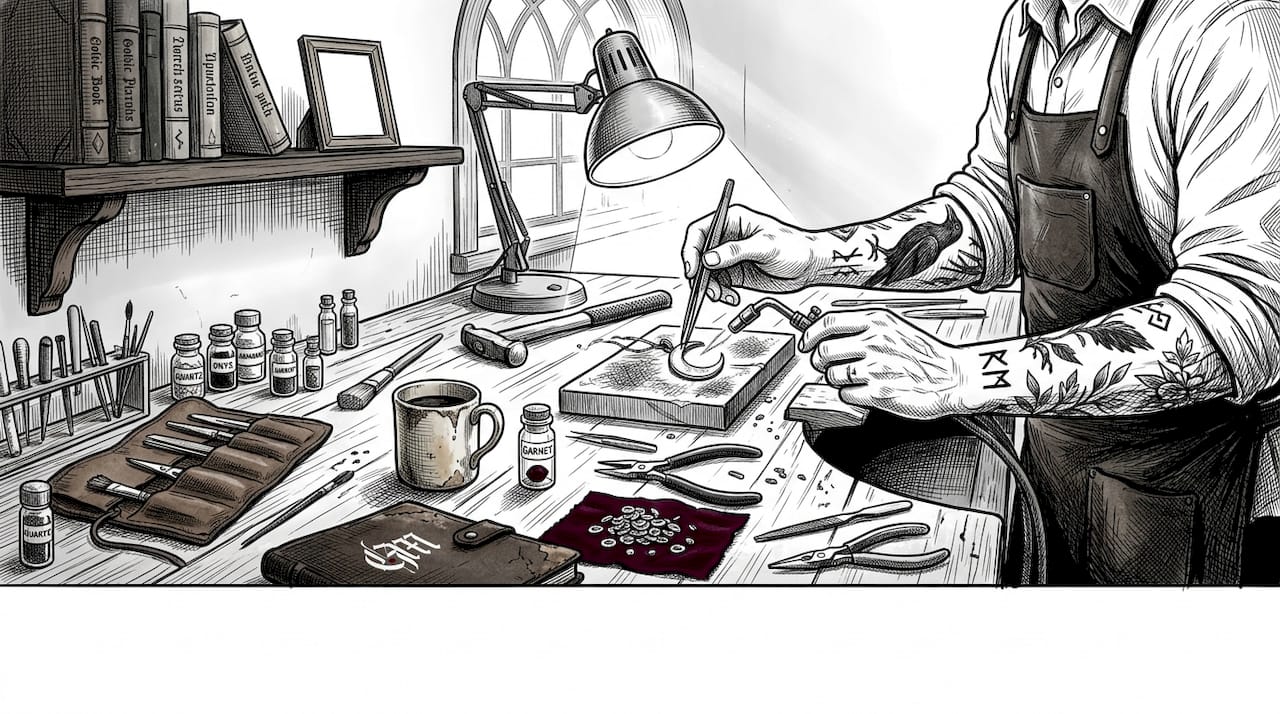
As symbols in occult and gothic jewelry demonstrate, each design choice reflects cultural and spiritual significance rather than random aesthetic selection. That’s what separates a deeply meaningful piece from a mass-produced knockoff wearing the same shapes.
Context and intent shape interpretation more than any other factor. Consider these realities:
- A pentagram worn by a Wiccan practitioner is a symbol of elemental balance and spiritual protection
- The same symbol worn by a goth fashion enthusiast may simply feel powerful and visually resonant
- An ankh chosen by someone connected to Kemetic spirituality carries ancestral meaning
- The same ankh chosen for its cool Egyptian aesthetic still carries visual weight even without that context
None of these are automatically wrong. But awareness changes everything about how you engage with a piece.
Pro Tip: Before wearing any occult symbol, spend ten minutes researching its primary origin and meaning. This single habit separates thoughtful wearers from those who accidentally misrepresent sacred traditions they know nothing about.
The modern impact of occult-inspired design is undeniable, but the most striking wearers are those who can speak to what they’re wearing and why.
Occult jewelry in alternative fashion and goth culture
Beyond materials and symbols, how does occult jewelry fit into the world of alternative style today?
Goth and alternative communities have long used jewelry as a language. Within these subcultures, a carefully chosen piece communicates worldview, spiritual leanings, aesthetic tribe, and personal narrative all at once. This is not superficial. The alternative fashion world operates with a kind of semiotic literacy, where what you wear signals what you know and what you value.
Occult jewelry in this context is especially powerful. It bridges fashion and belief, aesthetics and identity. A triple goddess pendant might tell other pagans that you share a spiritual framework. A sigil ring might be entirely personal, charged with your own intention and illegible to anyone outside your practice. These layers of meaning are exactly what makes alternative jewelry so compelling.
| Aspect | Practitioners | Fashion enthusiasts |
|---|---|---|
| Primary intent | Spiritual, ritualistic, protective | Aesthetic, expressive, stylistic |
| Symbol knowledge | Deep, tradition-specific | Variable, often surface-level |
| Relationship to piece | Sacred tool, energetically charged | Style statement, personal taste |
| Risk when mainstream | Sacred meaning gets diluted | May unknowingly disrespect traditions |
| Best outcome | Piece serves its intended purpose | Piece inspires curiosity and deeper learning |
The mainstreaming of occult aesthetics by fast fashion brands creates a genuine problem. As the occult trend illustrates, the popularity of occult motifs in mainstream fashion can dilute their original meanings, stripping them of context and reducing centuries of spiritual practice to a seasonal trend. Mass production of sacred symbols without any accompanying education or respect is the issue, not people outside specific traditions wearing powerful designs.
Here’s how to wear occult pieces with genuine respect:
- Research the symbol’s origin and primary tradition before wearing it
- Consider whether your use might be seen as appropriation by communities for whom the symbol is sacred
- Source from independent artisans who understand and honor what they’re crafting
- Be ready to speak to what you’re wearing if someone asks
- Avoid mass-market versions of symbols that have deep ritual or religious significance to living communities
The benefits of handmade gothic jewelry speak directly to this. Pieces made by artisans who share your aesthetic and often your philosophical interests carry an entirely different energy than factory-stamped copies.
“The roots of occult symbolism aren’t decorative footnotes. They’re living traditions. Honoring them doesn’t require initiation into any practice. It requires curiosity, care, and a willingness to learn.”
If you’re building your personal aesthetic, a solid gothic jewelry style guide can help you understand the broader context of gothic adornment and how occult pieces fit into it.
How to choose and wear occult jewelry authentically
If you’re inspired to wear occult jewelry, here’s how to do it with authenticity and confidence.
Authenticity doesn’t mean you need to be a practicing witch or an initiated ceremonial magician. It means making conscious choices. It means knowing something real about what you’re wearing and why. That intention transforms an accessory into a statement that actually means something, to you and to anyone who understands what they’re looking at.
When selecting occult jewelry, ask yourself these questions before buying:
- Who made this piece, and what is their relationship to the tradition it draws from?
- What materials were used, and do they align with the symbolic intention of the design?
- Is this from an independent artisan or a mass-market brand cashing in on aesthetics?
- Does wearing this feel aligned with my actual values and worldview?
- Am I drawn to the symbol’s meaning, its aesthetics, or both?
Supporting indie and artisan creators is genuinely important here, not just ethically but for quality. Independent makers bring craft, intention, and often deep personal knowledge to their work. The selection of occult jewelry pieces that match individual aesthetics and intentions is far richer when you’re shopping from creators who care about what they make.
Styling is its own art form. Occult jewelry rewards layering. A crescent moon pendant at varying chain lengths creates visual rhythm. Mixing a bold sigil ring with delicate crystal stud earrings balances statement and subtlety. A striking choker can anchor an entire outfit, pulling together blacks, deep purples, and textured fabrics into a cohesive look that reads as intentional rather than costumey.
Some styling principles worth knowing:
- Layer necklaces at different lengths for visual depth, mixing pendant styles without overwhelming
- Stack rings across multiple fingers using pieces that share a material or symbolic theme
- Use one true statement piece and let the rest of your jewelry support it rather than compete
- Match the weight of jewelry to the occasion: heavier, more elaborate pieces for events, minimal sigil jewelry for everyday wear
Pro Tip: Align the symbols you choose with your actual personal beliefs or aesthetic philosophy. Wearing a piece that genuinely resonates creates an entirely different presence than wearing one because it’s trending. The first looks intentional. The second just looks borrowed.
Exploring standout goth accessories will give you a broader view of how jewelry works within alternative looks, while a look at curated gothic products can show you what truly self-expressive styling looks like when it’s done with intention.
Why intention matters more than trend: Our take on occult jewelry
Fashion cycles move fast. A symbol that trends one season is forgotten the next. But the people who have worn occult jewelry with genuine intention, whether as spiritual practitioners, committed goths, or thoughtful alternative fashion lovers, don’t experience it that way. Their pieces don’t lose meaning when the runway moves on.
That’s the core of what we believe about occult jewelry. The trend question is actually the wrong question. The right question is: why are you wearing this?
Surface-level adoption of occult aesthetics isn’t inherently malicious. Most people drawn to these symbols are drawn to them for real reasons. Something in the visual language speaks to them. Something feels aligned with their inner world. That pull is worth honoring. But the pull deserves to be followed all the way to understanding, not just stopped at the aesthetic layer.
The uncomfortable truth is that a lot of people wear occult symbols they couldn’t explain if asked. That’s a missed opportunity. Because understanding what you wear doesn’t constrain your style. It amplifies it. When you know that the Eye of Providence you’re wearing has roots in both Freemasonry and Egyptian spiritual traditions, your choice to wear it becomes a statement rather than a coincidence.
As the discussion on the occult trend points out, the real divide is between treating these symbols as sacred tools and treating them as edgy irony. Both exist. But only one creates a lasting, meaningful relationship with what you wear.
Self-awareness is the practice here. It means periodically checking in with your collection. It means asking whether a piece still resonates or whether you’ve outgrown it. It means being willing to set something aside if you learn it carries a meaning that conflicts with your values. This kind of relationship with your jewelry is what the gothic subculture styles guide points toward: a deep, evolving, personal engagement with aesthetic and identity.
The most striking looks we see in this community aren’t the ones with the most pieces. They’re the ones where every single item was chosen deliberately. Intention is visible. You can feel it.
Find your next occult jewelry piece at Goth.Market
Ready to put your knowledge into action? Here’s where to start exploring.
At Goth.Market, we’ve built a space for exactly this kind of intentional discovery. Our marketplace connects you with independent creators who understand the traditions behind what they make. Every piece in our jewelry collection is selected because it stands for something, visually and symbolically.
If you want to start somewhere specific, the celestial chain choker with moon pendant is a perfect example of occult aesthetics done with elegance and care. For those who want to explore a broader aesthetic universe, our whimsygoth collection brings together the mystical and the playful in ways that feel fresh without losing depth. This is curated alternative fashion rooted in real community values.
Frequently asked questions
What makes jewelry “occult”?
Occult jewelry features mystical or symbolic designs linked to esoteric beliefs, rituals, or spiritual practices rather than conventional decorative motifs. The symbols often carry centuries of tradition behind them.
Are there risks to wearing occult symbols as fashion?
Wearing occult symbols without understanding their origins can be seen as cultural appropriation or disrespectful to practitioners for whom those symbols are living sacred tools. Research before you wear.
How can I tell if occult jewelry is authentic?
Check the maker’s background, material quality, and the intent or story behind the piece. Handmade gothic jewelry from independent artisans is generally your best indicator of craftsmanship and genuine knowledge.
Can occult jewelry be worn for fashion only?
Yes, many people wear occult jewelry purely for style, but understanding its meaning is what separates respectful expression from accidental misrepresentation. Style and knowledge are not mutually exclusive.