

6 Curated Gothic Art Examples Every Collector Should Know
Choosing quality Gothic art can feel overwhelming when you’re surrounded by endless styles and confusing trends. With so many pieces blending history, symbolism, and contemporary twists, it’s easy to wonder what actually defines excellence in this genre. The value lies in knowing how to spot genuine craftsmanship and understand the deeper layers behind each piece.
In this guide, you’ll discover practical ways to recognize quality, trace the classical influences behind iconic Gothic works, and support artists shaping the movement today. Get ready for insights that transform how you collect, display, and appreciate curated Gothic art—unlocking the details that set truly remarkable pieces apart.
Table of Contents
- 1. Identifying Quality In Curated Gothic Art Examples
- 2. Exploring Classical Gothic Art Influences
- 3. Modern Interpretations Of Curated Gothic Art
- 4. Supporting Independent Gothic Artists
- 5. Tips For Displaying Curated Gothic Art At Home
- 6. Building A Unique Gothic Art Collection
Quick Summary
| Takeaway | Explanation |
|---|---|
| 1. Understand quality in Gothic art | Quality involves historical authenticity, emotional depth, and symbolic significance, going beyond mere aesthetics. |
| 2. Recognize Gothic influences on modern art | Modern artists adapt Gothic themes to explore identity and societal issues, offering unique contemporary relevance. |
| 3. Support independent Gothic artists | Purchasing from independent artists amplifies unique voices and fosters genuine artistic creativity in the Gothic community. |
| 4. Display art thoughtfully | Proper display enhances emotional impact and protects your collection, creating a curated environment that reflects your identity. |
| 5. Build a unique collection | A personal Gothic collection should reflect your aesthetic vision, focusing on quality and thematic depth rather than quantity. |
1. Identifying Quality in Curated Gothic Art Examples
Quality in Gothic art goes far beyond aesthetics. It connects to historical authenticity, emotional depth, and symbolic significance. Understanding what separates exceptional pieces from mediocre ones transforms you from casual browser to informed collector.
Gothic art derives its power from representing sublime terror and dark complexity. The best examples capture this intensity through technique, subject matter, and cultural context. When you examine a piece, ask yourself if it conveys genuine darkness or merely surface-level aesthetics.
Historical significance and thematic depth form the foundation of quality assessment in Gothic visual arts. A painting that references architectural styles or literary traditions carries more weight than decorative work lacking context.
Here’s what separates quality Gothic art from the rest:
- Symbolic richness: Multiple layers of meaning beyond initial visual impact
- Technical execution: Skilled use of color, composition, and form to convey emotion
- Cultural resonance: Connection to Gothic literature, history, or contemporary subculture movements
- Originality within tradition: Artists who understand Gothic conventions but push them forward
- Emotional authenticity: Pieces that feel genuinely dark rather than manufactured or forced
Examine the artist’s understanding of Gothic tradition. Do they reference canonical works? Are they engaging with the cultural evolution from historical Gothic movements through modern subcultures? Artists with deeper knowledge typically produce higher-quality work.
Look at technical craftsmanship. Quality doesn’t require photorealism, but intentional choices matter. Whether using charcoal, digital media, or mixed techniques, the artist should demonstrate control and purpose.
Quality Gothic art captures authentic darkness while demonstrating mastery of both tradition and innovation.
Consider the piece’s longevity in your space. Will it engage you in six months? Will it reveal new details with repeated viewing? Genuine quality rewards extended attention.
Pro tip: Compare potential acquisitions against multiple artists working in similar styles, then note which pieces generate the strongest emotional response and technical admiration. Your gut reaction combined with thoughtful analysis reveals true quality.
2. Exploring Classical Gothic Art Influences
Gothic art didn’t emerge in a vacuum. It evolved directly from Romanesque traditions while simultaneously engaging in creative tension with classical antiquity. Understanding this relationship reveals why Gothic pieces feel both revolutionary and historically rooted.
The foundation of Gothic art stems from evolution beyond Romanesque artistic traditions in Medieval France. Artists developed entirely new visual language featuring pointed arches, soaring verticality, and intricate ornamentation. This shift represented a dramatic departure from the heavy, rounded forms that preceded it.
Classical influences permeate Gothic work in unexpected ways. Rather than simply rejecting Greek and Roman ideals, Gothic artists engaged in sustained dialogue between Gothic and classical traditions. They reinterpreted classical motifs through a darker, more supernatural lens.
Why does this matter to collectors? Recognizing these layered influences helps you appreciate the complexity in quality pieces. You’re not just viewing dark imagery—you’re witnessing artists wrestling with centuries of artistic tradition.
Classical elements appear throughout Gothic work:
- Grotesque figures: Reimagined Roman and Greek characters infused with supernatural qualities
- Architectural vocabulary: Classical forms twisted into Gothic proportions and complexity
- Mythological references: Ancient stories recontextualized within darker, more unsettling narratives
- Symbolic depth: Classical symbolism merged with Christian and mystical meanings
- Structural innovation: Pointed arches and flying buttresses represent entirely new engineering solutions
When examining contemporary Gothic art, look for artists who demonstrate awareness of this historical dialogue. Do they reference classical sources while maintaining genuine darkness? Do their pieces show technical mastery inherited from centuries of artistic tradition?
Collectors who understand these influences recognize when artists are working from genuine knowledge versus surface-level aesthetics. A piece that thoughtfully engages with classical traditions carries more gravitas than decorative work without historical context.
Gothic art’s power emerges from its creative tension between classical tradition and supernatural darkness.
This understanding transforms your collecting practice. You move beyond simply liking how something looks toward appreciating why it works artistically and historically.
Pro tip: Research the classical references within pieces that attract you, then explore how different artists reinterpret those same sources. This reveals your aesthetic preferences while building genuine expertise.
3. Modern Interpretations of Curated Gothic Art
Modern Gothic art isn’t a rehashing of medieval aesthetics. Contemporary artists have transformed Gothic themes to address identity, spirituality, and societal trauma in ways that speak directly to today’s alternative communities. Understanding these modern interpretations helps you identify pieces with genuine contemporary relevance.
The evolution began in the late 19th century when artists like Edvard Munch and Käthe Kollwitz recognized Gothic’s power to express modern psychological and social turmoil. These pioneers demonstrated that Gothic themes remain relevant across centuries of artistic practice by adapting medieval aesthetics to modern contexts.
Contemporary Gothic art engages with different concerns than historical pieces. Modern artists explore trauma, identity fragmentation, and societal alienation through visual forms that honor Gothic traditions while pushing forward. The darkness in modern Gothic work often reflects internal psychological states rather than purely supernatural elements.
Modern Gothic expressions span literature, film, and visual arts through interdisciplinary practices from 1918 onward. This means contemporary Gothic collectors can explore pieces across multiple mediums while maintaining thematic coherence.
Key characteristics of modern Gothic art include:
- Psychological depth: Focus on mental states, trauma, and emotional complexity
- Social commentary: Critiques of contemporary society and cultural norms
- Mixed media: Integration of digital, traditional, and experimental techniques
- Personal symbolism: Artists creating individualized visual vocabularies within Gothic traditions
- Cultural diversity: Gothic interpretations from international and interdisciplinary perspectives
- Subversive aesthetics: Using darkness to challenge mainstream beauty standards
When evaluating modern pieces, ask whether the artist demonstrates understanding of Gothic history while creating something genuinely new. The best contemporary work shows awareness of tradition without becoming derivative or nostalgic.
Modern Gothic art transforms historical darkness into expressions of contemporary identity and resistance.
Collectors benefit from recognizing that modern Gothic pieces often carry personal and political weight. A contemporary dark artwork might reference medieval symbolism while simultaneously critiquing modern consumer culture or exploring identity politics.
Pro tip: Follow contemporary Gothic artists on social media or artist websites to understand their creative process and thematic concerns. This reveals whether their work evolves thoughtfully or recycles surface-level aesthetics.
4. Supporting Independent Gothic Artists
When you collect Gothic art, you’re making a choice about whose vision deserves amplification. Supporting independent artists directly strengthens the entire community while ensuring genuine creativity survives in a market dominated by mass production. This matters deeply for preserving authentic Gothic expression.
Independent Gothic artists operate outside traditional gallery systems and corporate structures. They pour personal vision, cultural understanding, and experimental approaches into work that mainstream markets often overlook. Your purchasing decisions directly impact whether these creators can continue their practice.
Global communities like the International Gothic Association foster collaboration and development across various Gothic cultural expressions by connecting independent artists with broader audiences and scholarly support. These networks provide visibility and validation that help artists sustain their work.
Why prioritize independents over mass-market alternatives? Independent artists typically demonstrate deeper engagement with Gothic tradition and contemporary relevance. They’re not optimizing for profit margins or appealing to the broadest possible demographic.
Ways to support independent Gothic creators:
- Direct purchases: Buy directly from artists through personal websites, markets like Goth.Market, or independent galleries
- Social media engagement: Follow, share, and comment on their work to increase visibility
- Commission custom pieces: Request work tailored to your vision and values
- Attend events: Support festivals, exhibitions, and gatherings featuring independent artists
- Recommend widely: Word-of-mouth recommendations carry significant weight in alternative communities
- Join artist networks: Participate in communities like Manchester Centre for Gothic Studies that advance understanding of Gothic practices
When evaluating independent artists, look for genuine engagement with their craft. Do they discuss their inspirations? Do they evolve their practice over time? Do they participate in the broader Gothic community rather than operating in isolation?
Supporting independent artists ensures Gothic art remains authentic, innovative, and rooted in genuine creative vision.
Your collection becomes more valuable and meaningful when it reflects conscious decisions to amplify voices that deserve recognition. Independent pieces often appreciate in value as artists gain recognition and establish stronger market positions.
Pro tip: Build relationships with independent artists you admire by engaging consistently with their work and buying multiple pieces over time. Many artists offer loyalty benefits, early access to new work, and personalized recommendations for collectors who demonstrate genuine interest.
5. Tips for Displaying Curated Gothic Art at Home
How you display Gothic art transforms it from a possession into a statement about your identity and aesthetic values. Thoughtful presentation amplifies emotional impact while protecting your investment from damage. Strategic display turns your home into a curated space that reflects genuine commitment to Gothic aesthetics.
Start small with pieces you’re willing to experiment with before investing in major acquisitions. This approach lets you understand what resonates in your specific space without overwhelming your environment or committing significant resources upfront.
Professional curators emphasize thoughtful arrangement, appropriate lighting, and framing when displaying art collections effectively. These fundamentals apply equally to Gothic work as traditional collections.
Lighting matters tremendously for Gothic pieces. Dark artwork needs sufficient illumination to reveal detail and texture. Poor lighting renders sophisticated pieces invisible or makes them appear flat. Consider track lighting, picture lights, or ambient lighting that complements your pieces without creating glare.
Display strategies that work well for Gothic collections:
- Gallery wall arrangements: Group similar-sized pieces for visual coherence
- Focal point placement: Position your strongest pieces where they naturally draw attention
- Mix periods: Combine classical Gothic with modern interpretations for visual interest
- Frame thoughtfully: Select frames that enhance without overwhelming dark imagery
- Climate control: Maintain stable temperature and humidity to preserve materials
- Spacing considerations: Avoid cluttering by leaving breathing room between pieces
Consider how dark aesthetics integrate throughout your home environment to create cohesive visual narrative. Gothic art shouldn’t feel isolated or jarring. It should feel intentional and purposeful within your overall interior design.
Placement psychology matters. Position pieces where you’ll encounter them naturally during daily routines. Art in frequently viewed locations creates ongoing engagement and emotional connection.
Proper display transforms Gothic art from decoration into architectural elements that shape how you experience your living space.
Rotate pieces periodically. This prevents visual fatigue while allowing you to appreciate different aspects of your collection. It also protects items from prolonged light exposure.
Pro tip: Photograph your pieces in different lighting conditions and from various angles before hanging them. This reveals which presentation works best and helps you make confident display decisions without repeatedly rearranging.
6. Building a Unique Gothic Art Collection
Your Gothic art collection should reflect your personal vision, not generic trends. Building something distinctive means understanding the full scope of Gothic aesthetics while making intentional choices about what resonates with your identity. A truly unique collection tells your story through carefully selected pieces.
Gothic art encompasses far more than paintings. It spans diverse mediums including architecture, music, literature, and visual arts across centuries of creative expression. The strongest collections embrace this interdisciplinary approach rather than limiting themselves to single mediums.
Start by defining what Gothic means to you personally. Does medieval aesthetics appeal most? Are you drawn to contemporary dark art? Do Romantic-era influences resonate? Your answers shape which pieces deserve space in your collection.
Focus on thematic depth and cultural significance rather than accumulating quantity. A smaller collection of carefully considered pieces carries more impact than numerous mediocre acquisitions. Quality always trumps volume for collectors building lasting value.
Steps toward building your unique collection:
- Explore extensively: Visit galleries, online markets, artist websites to understand available work
- Trust your instincts: Acquire pieces that genuinely move you emotionally
- Research backgrounds: Learn artist histories, cultural contexts, and thematic connections
- Mix periods and styles: Combine classical Gothic with modern interpretations deliberately
- Document your choices: Keep records of acquisitions and reasons behind them
- Remain flexible: Allow your collection to evolve as your understanding deepens
Collections that reflect both traditional Gothic elements and contemporary reinterpretations demonstrate sophisticated understanding. You’re not locked into historical reproduction or trendy aesthetics. Instead, you’re building something that honors tradition while embracing innovation.
Consider how pieces relate to each other thematically. Do they explore shared symbols? Do they evolve similar concepts across different mediums? Intentional relationships between pieces elevate your entire collection.
A unique Gothic collection reflects your authentic aesthetic vision, not what others expect you to collect.
Your collection becomes more valuable as your expertise grows. Early acquisitions that seemed random eventually reveal patterns reflecting your true interests and values.
Pro tip: Create a collection statement describing your aesthetic goals, preferred mediums, and thematic interests. Reference this when evaluating new acquisitions to ensure they align with your vision rather than impulse purchases.
Below is a comprehensive table summarizing the key concepts, steps, and takeaways related to understanding, collecting, and displaying Gothic art as discussed in the article.
| Aspect | Key Points | Recommendations |
|---|---|---|
| Identifying Quality | Historical authenticity, emotional depth, and symbolic significance determine quality in Gothic art. | Evaluate thematic depth, cultural resonance, and technical craftsmanship in pieces. |
| Classical Influences | Gothic art evolved through creative reinterpretation of Romanesque and classical traditions. | Seek art demonstrating historical dialogue and integration of classical symbolism. |
| Modern Interpretations | Contemporary Gothic art addresses identity, spirituality, and societal trauma while pushing traditional limits. | Collect pieces reflecting psychological depth, societal commentary, and innovative approaches. |
| Supporting Independent Artists | Independent creators enrich Gothic art through personal vision and experimental techniques. | Support artists via direct purchases, commissions, and engagement with global communities. |
| Displaying Gothic Art | Proper presentation enhances visual impact and protects artworks from degradation. | Utilize thoughtful arrangements, adequate lighting, and cohesive integration into home design. |
| Building a Unique Collection | A distinctive collection reflects personal vision through intentional selection of meaningful pieces. | Define aesthetic goals, mix styles, and document acquisitions to ensure thematic coherence. |
Discover Authentic Gothic Art and Curated Pieces That Speak to Your Soul
Finding truly meaningful Gothic art can be challenging when much of the market offers mass-produced or superficial designs that lack emotional authenticity and historical depth. If your goal is to build a unique collection that honors the rich symbolism, cultural resonance, and modern reinterpretations highlighted in “6 Curated Gothic Art Examples Every Collector Should Know,” you deserve a marketplace that understands these needs.
Explore the carefully selected items in our GothCore 🦇 🕯️ – GothMarket collection where independent artists bring genuine darkness and innovation to life.
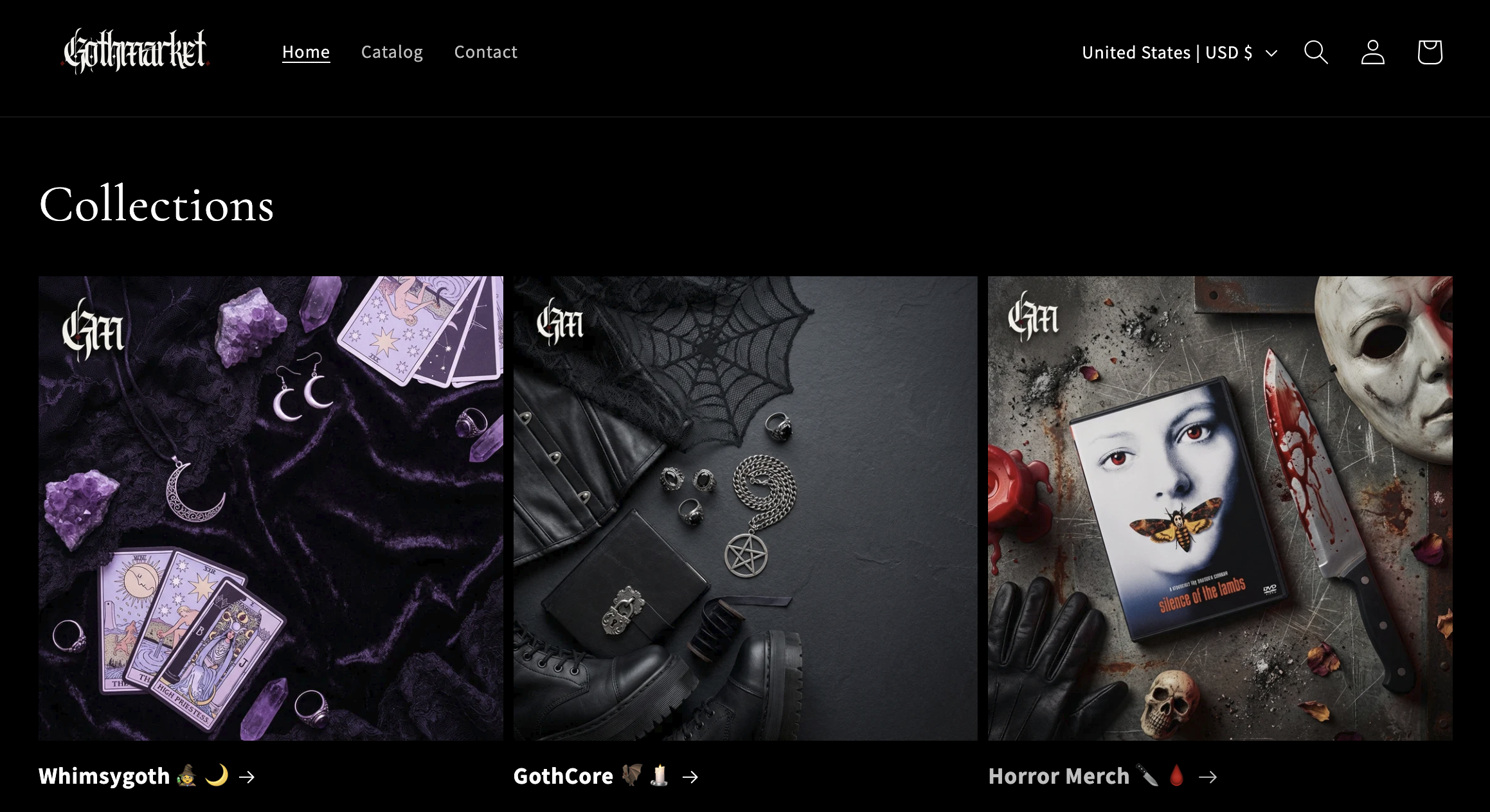
Elevate your collection today by supporting independent creators who master the Gothic tradition while pushing boundaries. Start your journey at Goth.Market, your community-driven hub for dark fashion, occult jewelry, and captivating gothic art. Discover pieces that will engage your eye for years, and create a space that truly reflects your distinctive identity.
Don’t wait to transform your living space into a curated Gothic sanctuary with meaningful and authentic art. See what resonates now by browsing Whimsygoth 🧙♀️ 🌙 – GothMarket and experience Gothic creativity that refuses to be ordinary.
Frequently Asked Questions
What should I look for when evaluating curated Gothic art pieces?
Quality Gothic art should convey historical authenticity, emotional depth, and symbolic significance. Examine the piece’s technical execution and consider its connection to Gothic literature and culture to determine its value.
How can I determine if a Gothic art piece is genuinely responding to modern themes?
Look for characteristics like psychological depth, social commentary, and personal symbolism in contemporary Gothic artworks. Assess whether the artist engages with Gothic traditions while creating something new and relevant to today’s issues.
What are the best practices for displaying curated Gothic art at home?
To effectively display Gothic art, ensure proper lighting and thoughtful arrangement. Utilize gallery wall setups or focal point placements, and maintain a climate-controlled environment to preserve the pieces over time.
How can I build a unique Gothic art collection?
Start by defining what Gothic art means to you personally and explore various mediums. Prioritize thematic depth and cultural significance over quantity to create a meaningful collection that reflects your aesthetic vision.
Why is supporting independent Gothic artists important for collectors?
Supporting independent artists helps preserve authentic Gothic expression and ensures that diverse voices are amplified in the art community. Choose to purchase directly from artists, as this not only boosts their visibility but also enriches your own collection with genuine creativity.