

Role of aesthetics in goth markets 2026
Goth fashion is often dismissed as theatrical costume, but this view misses its deeper significance. Goth aesthetics blend historical homage with futuristic edge, creating a symbolic language that shapes both identity and market dynamics. This article explores how aesthetics drive goth markets, influence consumer behavior, and empower enthusiasts to express complex cultural narratives through curated products.
Table of Contents
- How Goth Aesthetics Define Identity And Expression
- The Evolution And Commodification Of Goth Aesthetics In Markets
- Influence Of Internet Culture And Contemporary Trends On Goth Aesthetics
- Practical Guide: Curating And Buying Authentic Gothic Aesthetic Products
- Explore Unique Goth Market Collections
- Frequently Asked Questions
Key takeaways
| Point | Details |
|---|---|
| Identity expression | Goth aesthetics serve as a symbolic toolkit for articulating personal and collective identity through visual contrasts and historical references. |
| Market evolution | The goth movement evolved from anti-establishment subculture to commodified market, creating tensions between authenticity and mainstream appeal. |
| Digital influence | Internet aesthetics like dark academia and witchcore reshape goth markets, enabling personalized expression and niche product discovery. |
| Authenticity matters | Genuine gothic products prioritize craftsmanship, symbolic details, and historical significance over mass-produced trends. |
| Cultural relevance | Understanding aesthetic principles helps collectors and enthusiasts engage meaningfully with gothic markets and curate distinctive wardrobes. |
How goth aesthetics define identity and expression
Goth fashion combines Victorian-inspired elements with modern accessories to create a visual language that communicates far more than style preference. Black layered garments, metal jewelry, fishnet stockings, skull motifs, and silver crosses form the foundation of this aesthetic vocabulary. Each element carries intentional meaning, selected to reflect introspection and resistance to mainstream consumer culture.
The power of goth aesthetics lies in deliberate contrast between light and dark, elegance and decay. This philosophical stance embraces life’s contradictions rather than avoiding them. Fashion becomes what scholars call ‘the second skin,’ a medium through which complex emotional and cultural narratives take physical form.
Goth fashion transcends mere costume; it’s a curated, symbolic articulation of identity, blending historical homage with futuristic edge.
Hallmark goth fashion elements include:
- Black layered garments creating depth and visual interest
- Metal jewelry featuring occult and mystical symbols
- Fishnet stockings and textured fabrics adding dimension
- Skull motifs representing mortality and transformation
- Silver crosses and religious iconography recontextualized
This aesthetic serves the goth community as a shared visual language. When you wear these elements, you signal membership in a culture that values emotional authenticity, philosophical depth, and artistic expression. Understanding why choose gothic style helps newcomers appreciate the intentionality behind every wardrobe choice. The aesthetic isn’t random; it’s a carefully constructed identity statement that resonates across generations.
The evolution and commodification of goth aesthetics in markets
Goth emerged from the 1970s British punk movement as an anti-establishment response to mainstream culture. Early adherents embraced DIY ethics and anti-consumerism, crafting unique looks from thrift store finds and handmade accessories. This underground approach prioritized authenticity and creative self-expression over commercial appeal.
Over decades, goth aesthetics became commodified, transforming from subcultural rebellion into marketable trends. This shift created ongoing tension between genuine self-expression and mass-produced imitation. Countercultural movements often get assimilated into mainstream culture, diluting original meanings while expanding visibility.

| Attribute | Authentic Goth | Commodified Goth |
|---|---|---|
| Production | DIY, handmade, thrifted | Mass-produced, factory-made |
| Availability | Underground, niche shops | Mainstream retailers, fast fashion |
| Symbolism | Deep cultural meaning | Surface-level aesthetic |
| Price point | Variable, artisan pricing | Low-cost, disposable |
| Community | Tight-knit subculture | Broad consumer market |
This commodification presents both challenges and opportunities. Mass market adoption can strip gothic elements of their original significance, reducing complex cultural symbols to trendy accessories. However, broader availability also introduces new enthusiasts to the subculture and supports creators who adapt traditional aesthetics for contemporary markets.
Key market features derived from goth aesthetics include:
- Platform boots offering dramatic height and presence
- Leather garments signaling rebellion and durability
- Lace details adding romantic Victorian elements
- Edgy accessories like spiked collars and chains
- Dark cosmetics emphasizing pale skin and dramatic eyes
Exploring the gothic subculture explained reveals how youth continue embracing dark identity despite mainstream pressures. The market now serves diverse needs, from committed subculture participants to casual aesthetic borrowers. Understanding this spectrum helps you navigate authenticity questions and make informed purchasing decisions.
Influence of internet culture and contemporary trends on goth aesthetics
Online platforms like Tumblr and Instagram transformed how gothic aesthetics spread and evolve. These spaces categorize cultural objects into internet aesthetics such as dark academia, cottagecore, and witchcore. Internet aesthetics function as toolkits for constructing coherent self-images and personal narratives.
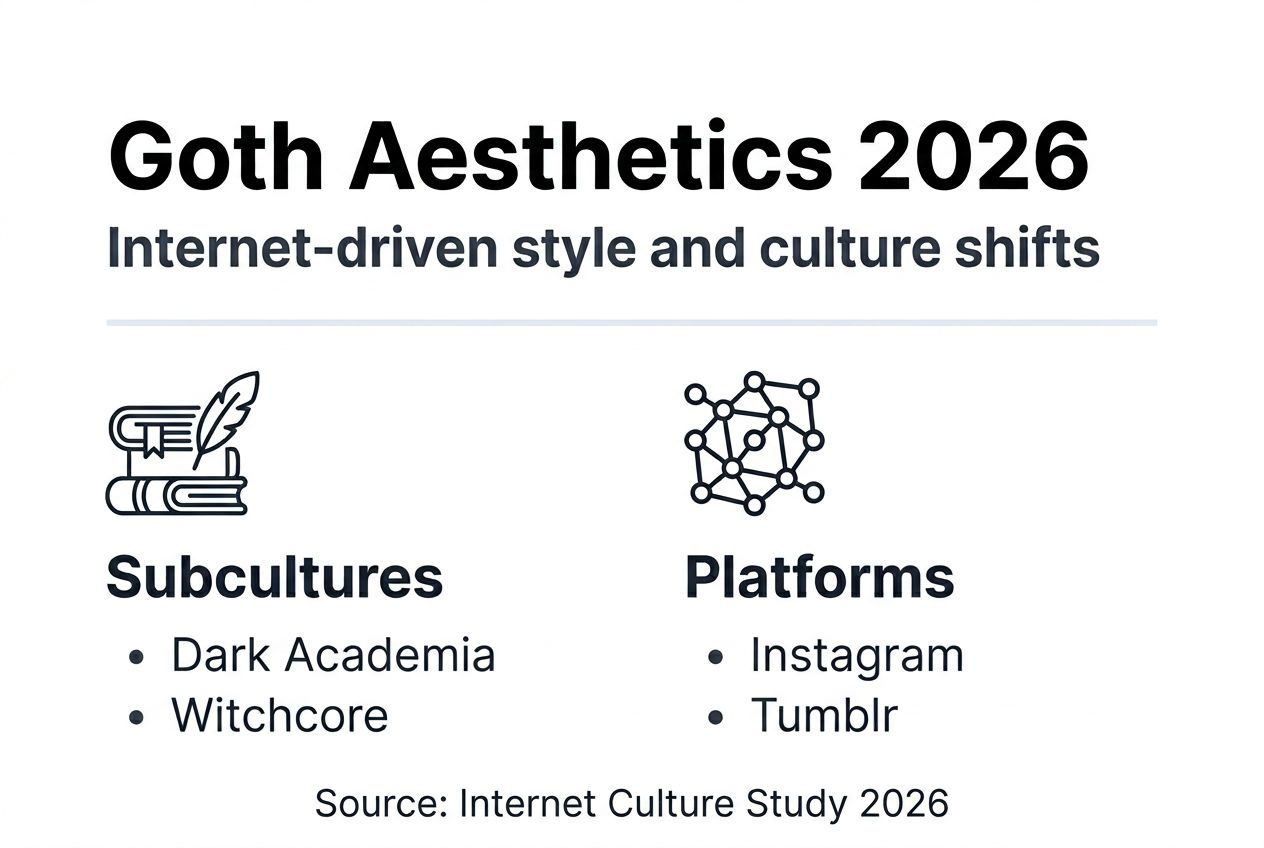
Social media enables niche market growth by connecting creators with audiences seeking specific aesthetic expressions. You can discover emerging gothic styles, engage with communities sharing your interests, and access products reflecting mystical themes from independent vendors worldwide. This digital ecosystem supports personalization and adaptability that traditional retail never achieved.
Popular gothic-related internet aesthetics include:
- Dark academia: Scholarly aesthetics emphasizing libraries, classical literature, and muted earth tones mixed with black
- Cottagecore goth: Combining pastoral romanticism with dark, witchy elements and natural motifs
- Witchcore: Focusing on occult practices, mystical symbols, tarot, and ceremonial aesthetics
- Romantic goth: Victorian-inspired elegance featuring lace, corsets, and dramatic silhouettes
- Cyber goth: Futuristic elements like neon colors, industrial accessories, and electronic music influence
These categorizations help you articulate specific aesthetic preferences and discover products matching your vision. Rather than limiting expression, internet aesthetics expand possibilities by providing reference points and inspiration sources. You can mix elements across categories, creating hybrid styles that reflect your unique identity.
Pro Tip: Leverage internet aesthetics to discover emerging gothic styles by following niche hashtags and aesthetic communities on Instagram and Pinterest. Save images that resonate with you, then analyze common elements to curate your own distinct look that bridges multiple influences.
Exploring the gothic fashion styling guide demonstrates how bold dark aesthetics translate into practical outfit construction. Digital culture doesn’t replace traditional goth values; it provides new tools for expressing timeless themes in contemporary contexts.
Practical guide: curating and buying authentic gothic aesthetic products
Authenticity in gothic products depends on materials, craftsmanship, and symbolic details that honor the culture’s depth. Mass-produced items often miss nuanced meanings that make gothic aesthetics powerful. Fashion serves as self-expression of otherness, transforming counter-cultural identity into wearable art.
Follow these steps when selecting gothic aesthetic items:
- Research historical context: Understand the Victorian, medieval, and punk influences shaping your desired aesthetic elements before purchasing.
- Identify hallmark features: Look for quality materials like genuine leather, sterling silver, and durable fabrics rather than cheap synthetics.
- Support independent creators: Prioritize artisans and small vendors who bring cultural knowledge and craftsmanship to their work.
- Consider symbolic depth: Choose pieces featuring meaningful occult symbols, literary references, or historical motifs over generic skull prints.
- Evaluate construction quality: Check stitching, hardware durability, and finish details that indicate lasting value versus disposable fashion.
- Build cohesive collections: Curate items that work together, creating versatile combinations rather than isolated statement pieces.
Pro Tip: Prioritize items with historical or artisanal significance to avoid commodified clichés. A hand-forged pentagram pendant carries more cultural weight than mass-produced plastic accessories, even at higher price points.
Curating a cohesive gothic wardrobe functions as personal and cultural storytelling. Your choices communicate values, interests, and philosophical stances to those who understand the visual language. Building this collection thoughtfully creates lasting value beyond fleeting trends.
The gothic fashion checklist 2026 provides concrete guidance for assembling essential pieces. Following tips for gothic style ensures your wardrobe maintains authentic looks while allowing personal creativity. Remember that authenticity comes from understanding and respecting the culture, not rigid rule-following.
Explore unique goth market collections
Understanding how aesthetics shape goth markets empowers you to make informed choices that honor the culture’s depth. Goth.Market offers curated collections reflecting the authentic gothic and occult themes explored throughout this article. You’ll find unique pieces crafted by independent creators who understand the symbolic language behind gothic aesthetics.
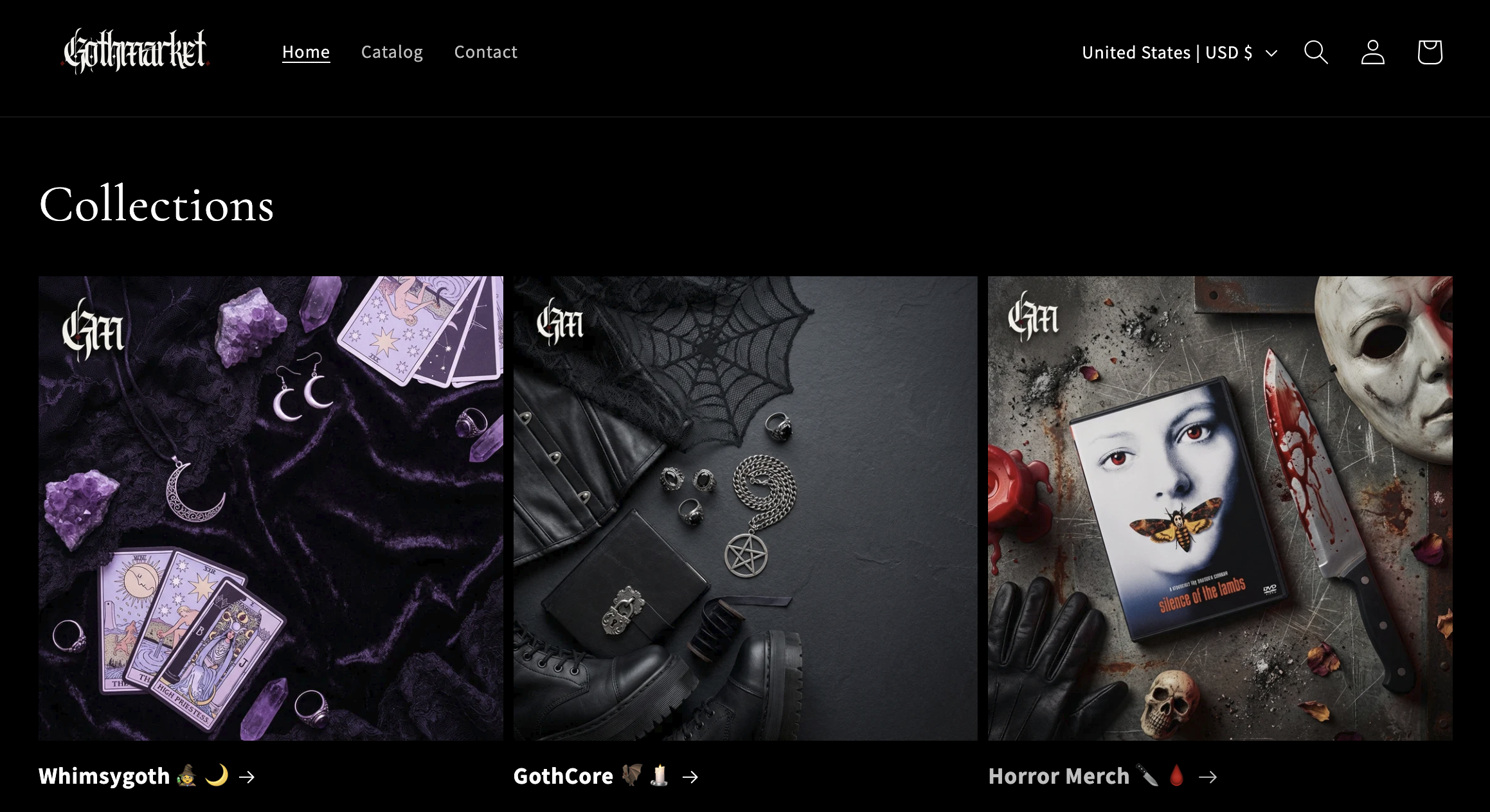
Explore distinctive goth jewelry collections featuring mystical symbols and artisanal craftsmanship. The celestial chain choker moon pendant exemplifies how traditional gothic motifs translate into wearable art. Discover whimsygoth collections that blend romantic and mystical elements for those seeking softer gothic expressions. Each product connects you with the aesthetic principles and cultural narratives that make gothic markets meaningful.
Frequently asked questions
What defines authentic goth aesthetics in modern markets?
Authentic goth aesthetics prioritize symbolic depth, quality craftsmanship, and cultural awareness over surface-level trends. Look for pieces incorporating historical references, meaningful occult symbols, and materials reflecting durability rather than disposability.
How do internet aesthetics influence goth fashion choices?
Internet aesthetics like dark academia and witchcore provide reference frameworks that help you articulate specific style preferences and discover niche products. They expand rather than limit options, enabling personalized expression through mixing elements across categories.
Why does commodification create tension in goth markets?
Commodification transforms subcultural symbols into mass-market products, often stripping away original meanings and reducing complex identities to consumable trends. This threatens authenticity while simultaneously making gothic aesthetics more accessible to broader audiences.
How can collectors identify quality gothic products?
Evaluate materials, construction details, symbolic accuracy, and creator credentials. Prioritize artisan-made items from vendors demonstrating cultural knowledge over mass-produced accessories lacking historical or philosophical grounding.
What role does fashion play in goth identity formation?
Fashion functions as visual language through which goths communicate complex emotional, philosophical, and cultural narratives. Deliberate aesthetic choices signal community membership, values, and resistance to mainstream consumer culture.
How has goth aesthetic evolved from subculture to market?
Goth began as anti-establishment DIY culture in the 1970s, gradually becoming commodified as mainstream retailers adopted elements. This evolution created parallel markets serving committed subculture participants and casual aesthetic borrowers with varying authenticity levels.