

Goth's role in modern fashion trends 2026 explained
Gothic fashion isn’t stuck in the past. It’s quietly shaping what you see on runways, in street style, and across social media feeds right now. Major designers are weaving black lace, corsets, and Victorian motifs into their collections, while platforms like TikTok accelerate how these dark aesthetics evolve. The misconception that goth is a niche relic ignores its 30% surge in runway appearances over recent seasons. This article reveals how gothic elements encode identity, influence contemporary style, and reflect broader cultural shifts in 2026.
Table of Contents
- The Resurgence Of Gothic Aesthetics In High Fashion
- Understanding Goth Fashion As A Symbolic Articulation Of Identity
- The Forensic Edge: Goth’s Rapid Evolution On Social Media Platforms
- Romantic Gothic And Its Reflection Of Cultural Change In 2026 Fashion
- Explore Goth Style Essentials At Goth.Market
- Frequently Asked Questions
Key takeaways
| Point | Details |
|---|---|
| Runway resurgence | Gothic inspired elements increased 30% in major fashion shows from 2023 to 2024, with designers like Dilara Findikoglu leading the charge. |
| Identity expression | Goth fashion functions as symbolic articulation of complex identity, using curated elements like Doc Martens and stark makeup to communicate transformation themes. |
| Social media acceleration | Platforms like TikTok create feedback loops that rapidly evolve goth aesthetics through algorithmic rewards for deliberate, layered styling. |
| Romantic gothic trend | Collections from Prada, Balenciaga, and MM6 blend beauty with material decay, mirroring contemporary social and political commentary in 2026. |
| Sustainable fusion | Modern goth merges tradition with innovation, embracing eco-conscious materials and cross-subcultural influences while maintaining symbolic depth. |
The resurgence of gothic aesthetics in high fashion
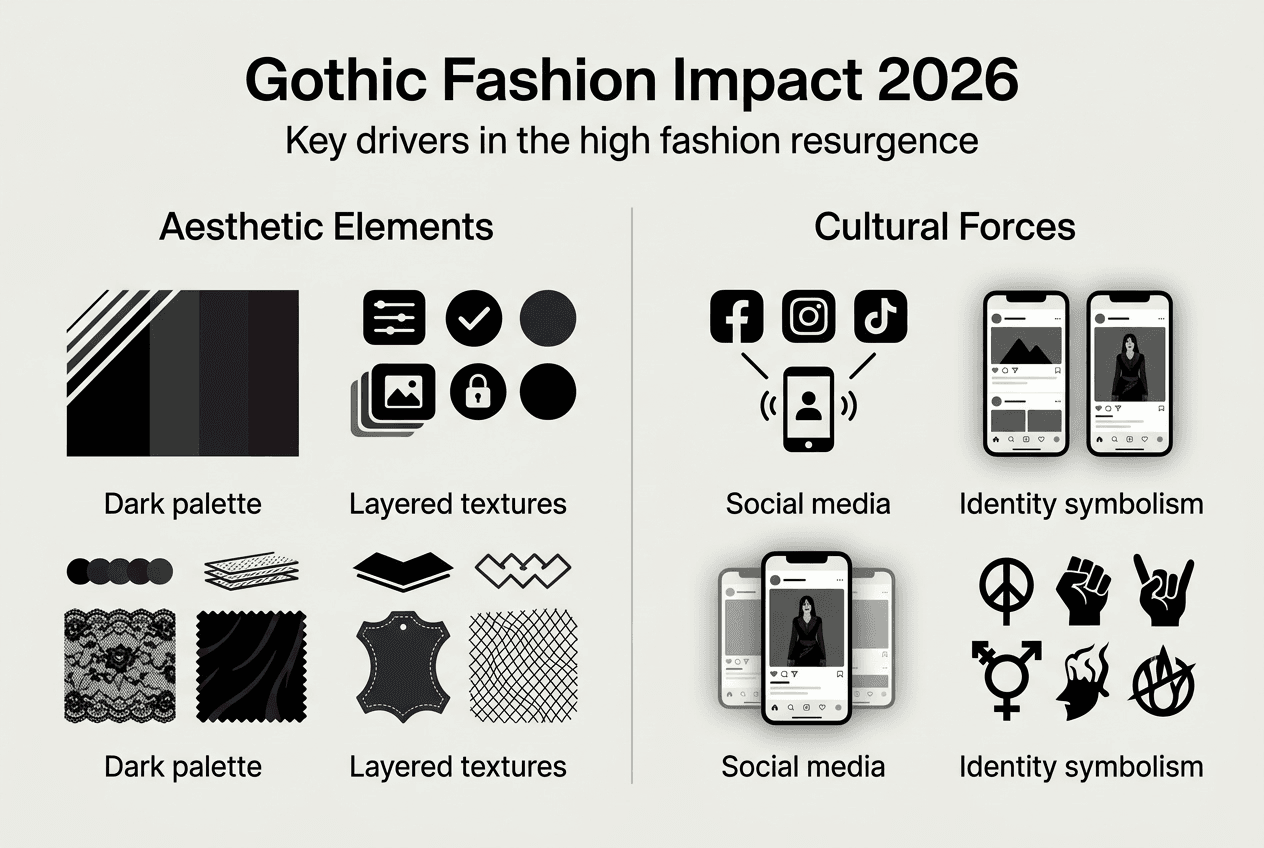
Gothic romanticism has returned to prominence on contemporary runways, transforming from subcultural statement to high fashion language. Dilara Findikoglu’s FW24 collection featured corseted silhouettes, black lace veils, and religious iconography that captured the essence of what gothic aesthetic means in modern contexts. Designers like Ottolinger and Chopova Lowena followed suit, incorporating Victorian mourning wear elements into garments that speak to both historical reverence and contemporary rebellion. The data tells a compelling story: runway shows experienced a 30% increase in gothic inspired elements between 2023 and 2024.
This resurgence centers on specific material and structural choices that define the gothic vocabulary. Designers favor lace for its dual symbolism of delicacy and decay, often layering it over exposed skin or structured corsetry. Velvet appears in deep jewel tones and traditional black, offering tactile richness that contrasts with distressed fabrics. Subversive tailoring techniques deconstruct traditional silhouettes, creating garments that appear simultaneously elegant and unfinished.
Key gothic elements in contemporary collections:
- Corseted bodices that reference Victorian undergarments as outerwear
- Black lace overlays with religious or floral motifs
- Asymmetrical hemlines suggesting material degradation
- Choker necklaces and collar details emphasizing neck and décolletage
- Pale foundation paired with dramatic eye makeup creating stark contrasts
The duality of beauty and decay manifests through intentional material choices. A garment might feature pristine embroidery alongside frayed edges, or combine luxurious silk with deliberately worn patches. This aesthetic tension reflects gothic philosophy’s exploration of mortality, transformation, and the spaces between opposing states. Collections showcase garments that appear both precious and abandoned, carefully constructed yet falling apart.
| Designer | Signature Gothic Elements | Material Focus |
|---|---|---|
| Dilara Findikoglu | Religious iconography, veils, corsets | Black lace, silk |
| Ottolinger | Deconstructed silhouettes, raw edges | Distressed denim, mesh |
| Chopova Lowena | Victorian collars, layered skirts | Upcycled fabrics, velvet |
Pro Tip: When incorporating gothic elements into your wardrobe, start with one statement piece like a corseted top or lace overlay, then build around it with simpler items to avoid costume territory.
The goth fashion resurgence demonstrates how subcultural aesthetics gain mainstream acceptance while retaining symbolic weight. Designers don’t simply appropriate gothic imagery; they engage with its philosophical underpinnings about beauty, mortality, and resistance. This approach creates fashion that resonates beyond surface aesthetics, offering wearers a language for expressing complex emotional and cultural positions.
Understanding goth fashion as a symbolic articulation of identity
Goth fashion operates as more than aesthetic preference. It functions as curated, symbolic articulation of identity with each element carrying deliberate meaning. Doc Martens signal both working class roots and subcultural solidarity. Chokers reference historical punishment devices while reclaiming them as adornment. Pale makeup creates visual separation from mainstream beauty standards, establishing alternative frameworks for attractiveness and self presentation.
The signature elements form a recognizable vocabulary that communicates belonging and differentiation simultaneously. Stark eyeliner extending beyond natural eye shapes creates dramatic emphasis, drawing attention while suggesting emotional intensity. Hand painted motifs on clothing or accessories demonstrate individual creativity within shared aesthetic parameters. These choices aren’t random; they’re intentional selections from a symbolic toolkit developed over decades of subcultural evolution.
Core identity elements in goth fashion:
- Doc Martens boots representing durability and subcultural heritage
- Chokers and collar jewelry emphasizing vulnerability and adornment
- Pale foundation contrasting with dark lip and eye colors
- Hand painted or customized pieces showing individual expression
- Silver jewelry featuring occult, religious, or natural death imagery
Goth style allows exploration of themes like transformation and transgression that mainstream fashion often avoids. The aesthetic embraces mortality rather than denying it, finding beauty in decay and impermanence. This philosophical foundation gives gothic fashion its emotional depth and cultural staying power. Wearers engage with existential questions through their daily presentation, using clothing as a medium for ongoing identity work.
“Goth fashion serves as a second skin, framing identity through deliberate aesthetic choices that communicate complex emotional and philosophical positions to both subcultural insiders and mainstream observers.”
The evolving symbolism within goth fashion reflects its ongoing cultural relevance. Early goth drew heavily from punk’s DIY ethos and post punk’s atmospheric darkness. Contemporary iterations incorporate digital culture references, sustainability concerns, and cross pollination with other alternative subcultures. Yet the core function remains consistent: providing a visual language for those exploring themes of otherness, emotional complexity, and resistance to conventional norms.
Understanding gothic subcultures and identity requires recognizing how fashion choices encode membership, values, and worldview. A carefully assembled goth outfit isn’t costume; it’s communication. The wearer signals their engagement with particular aesthetic traditions, philosophical questions, and community affiliations. This symbolic density distinguishes subcultural fashion from trend driven consumption, creating garments that carry personal and collective meaning beyond their material form.
The relationship between symbolism in goth fashion and individual identity formation creates space for nuanced self presentation. Someone might combine traditional Victorian mourning wear elements with contemporary streetwear, creating a hybrid that speaks to multiple identity facets. Another person might focus entirely on romantic goth aesthetics, using historical references to construct a cohesive visual narrative. Both approaches demonstrate how gothic fashion’s symbolic flexibility supports diverse identity expressions within shared aesthetic parameters.
The forensic edge: goth’s rapid evolution on social media platforms
Social media platforms have fundamentally altered how goth fashion develops and spreads. The ‘forensic edge’ approach describes investigative, highly curated styling that creators employ when developing looks for digital audiences. Unlike organic subcultural evolution that happened gradually through in person communities, platforms like TikTok and Instagram create compressed feedback loops. A creator posts a look, receives immediate engagement data, and iterates based on algorithmic performance within days or hours.
Goth Egg fosters rapid evolution through real time feedback that shapes aesthetic development. Creators analyze which elements resonate, which combinations generate shares, and which symbolic references land with broader audiences. This process accelerates trend cycles while demanding higher levels of visual sophistication. The most successful gothic content balances authentic subcultural knowledge with platform optimized presentation, creating looks that photograph dramatically while maintaining symbolic depth.
Three key triggers drive this accelerated evolution. Digital Occlusions involve strategic use of shadows, filters, and framing to enhance gothic atmosphere in photos and videos. Viral Sacrifice Aesthetics reference themes of transformation and loss that generate emotional engagement across demographics. Cross Platform Synergy occurs when creators adapt looks for different platform requirements, with TikTok favoring movement and transformation sequences while Instagram rewards static compositional perfection.
Steps creators use to develop platform optimized goth looks:
- Research trending gothic elements across multiple platforms to identify emerging themes
- Combine traditional subcultural signifiers with contemporary references for hybrid appeal
- Test looks with small audience segments before full publication
- Analyze engagement metrics to identify which elements drove performance
- Iterate rapidly based on data while maintaining aesthetic coherence
- Document the creation process itself as content, building narrative around the look
Pro Tip: When creating gothic content for social media, focus on one dramatic element per look rather than overwhelming viewers with competing focal points, ensuring your aesthetic statement reads clearly in thumbnail size.
Social media algorithms reward deliberate, layered styling with symbolic meaning that generates comments and shares. A simple black outfit won’t perform as well as one incorporating unexpected textures, historical references, or narrative elements that prompt viewer interpretation. This dynamic pushes creators toward increasingly sophisticated visual compositions that function both as fashion and as content designed for algorithmic distribution.
The balance between authenticity and visual optimization creates tension within digital goth communities. Some practitioners argue that platform demands dilute subcultural meaning, turning gothic fashion into aesthetic performance divorced from its philosophical foundations. Others contend that digital evolution simply represents the latest phase in goth’s ongoing adaptation, bringing subcultural knowledge to broader audiences while maintaining core symbolic functions. Both perspectives recognize that social media goth evolution differs fundamentally from previous developmental patterns.
Navigating gothic subculture styles guide resources helps creators and enthusiasts understand historical context while developing contemporary expressions. The forensic approach demands deep knowledge of gothic symbolism, material culture, and aesthetic principles to create looks that resonate as authentic rather than appropriative. Successful digital gothic fashion demonstrates both platform literacy and subcultural competence, satisfying algorithmic requirements while honoring the aesthetic’s philosophical depth.
Romantic gothic and its reflection of cultural change in 2026 fashion
The romantic gothic trend represents a specific aesthetic direction within broader gothic revival. Prada, Balenciaga, and MM6 showcased romantic gothic in Fall 2026 menswear collections, emphasizing the fusion of elegance with material degradation. Ann Demeulemeester’s contributions featured elongated silhouettes in worn fabrics that appeared simultaneously refined and deteriorating. This aesthetic paradox captures contemporary cultural anxieties about beauty, permanence, and social structures.
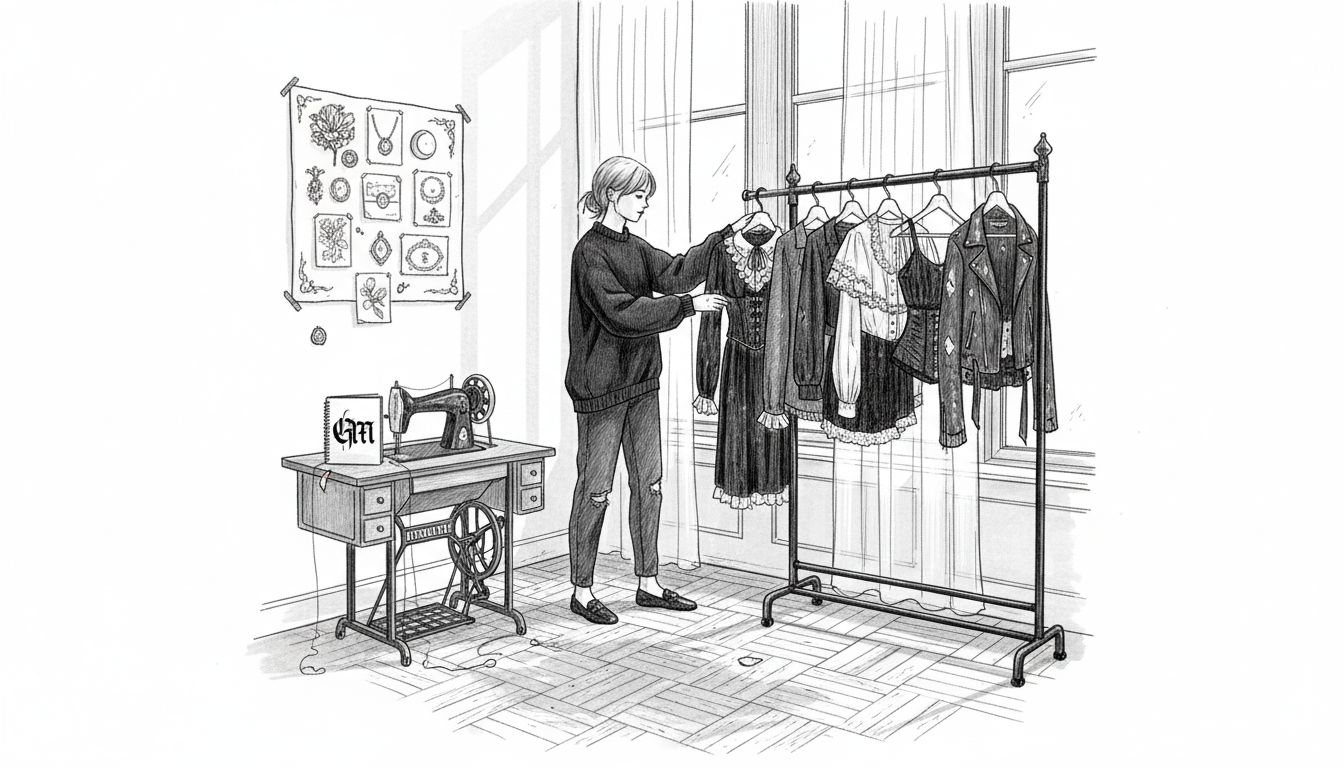
Romantic gothic combines Victorian era references with subversive construction techniques. Designers employ traditional tailoring methods to create recognizable garment forms, then deliberately distress or deconstruct them. A perfectly tailored jacket might feature frayed cuffs and exposed seams. An elegant dress could incorporate panels of aged or stained fabric alongside pristine material. These choices create visual tension that reflects social change through material metaphor.
Key collections demonstrate different approaches to romantic gothic principles:
| Designer | Signature Approach | Notable Elements |
|---|---|---|
| Prada | Intellectual romanticism | Worn velvet, asymmetric closures, literary references |
| Balenciaga | Dystopian elegance | Oversized silhouettes, distressed tailoring, monochrome palettes |
| MM6 Maison Margiela | Deconstructed formality | Inside out construction, raw edges, experimental draping |
| Ann Demeulemeester | Poetic deterioration | Flowing fabrics, earth tones with black, organic wear patterns |
The trend’s popularity in 2026 connects to broader cultural moments. Economic uncertainty, environmental concerns, and social fragmentation find expression through fashion that acknowledges impermanence and decay. Romantic gothic doesn’t offer escapist fantasy; it presents beauty that incorporates rather than denies deterioration. This honest aesthetic resonates with audiences navigating complex, often contradictory cultural conditions.
Defining characteristics of romantic gothic in contemporary fashion:
- Subversive silhouettes that reference historical periods while disrupting their conventions
- Worn or distressed garments suggesting history and impermanence
- Victorian and Edwardian influences in collars, cuffs, and closures
- Monochromatic or limited color palettes emphasizing texture over hue
- Emotional complexity expressed through material choices and construction techniques
The connection between romantic gothic and pop culture extends beyond fashion runways. Music videos, film aesthetics, and digital content increasingly incorporate these visual languages. The trend provides a framework for expressing melancholy, nostalgia, and critique without resorting to explicit messaging. A romantic gothic garment communicates complex emotional and social positions through its material form and styling context.
Exploring romantic gothic styling guide resources helps enthusiasts understand how to incorporate these elements into personal wardrobes. The aesthetic works best when wearers embrace its inherent contradictions rather than trying to resolve them. Pair delicate lace with heavy boots. Combine flowing fabrics with structured corsetry. Let pristine and worn elements coexist within single outfits.
Building a wardrobe aligned with romantic gothic principles requires thoughtful curation rather than trend chasing. The 2026 gothic wardrobe checklist emphasizes investment in versatile pieces that layer effectively and age beautifully. Unlike fast fashion that degrades into unwearability, romantic gothic garments often improve with wear as they develop authentic patina and character. This approach aligns with sustainability values while maintaining aesthetic integrity.
The romantic gothic trend 2026 demonstrates how subcultural aesthetics translate into high fashion contexts while retaining cultural commentary functions. Designers aren’t simply mining goth imagery for visual interest; they’re engaging with the philosophical questions that gothic subcultures have explored for decades. This creates fashion that operates on multiple levels, offering both immediate visual impact and deeper symbolic resonance for those equipped to read its coded language.
Explore goth style essentials at Goth.Market
After exploring how gothic aesthetics shape contemporary fashion and cultural expression, you might want tangible ways to incorporate these elements into your personal style. Goth.Market offers curated collections that embody the symbolic depth and visual impact discussed throughout this article. The platform connects you with independent creators who understand gothic fashion as identity articulation rather than costume.
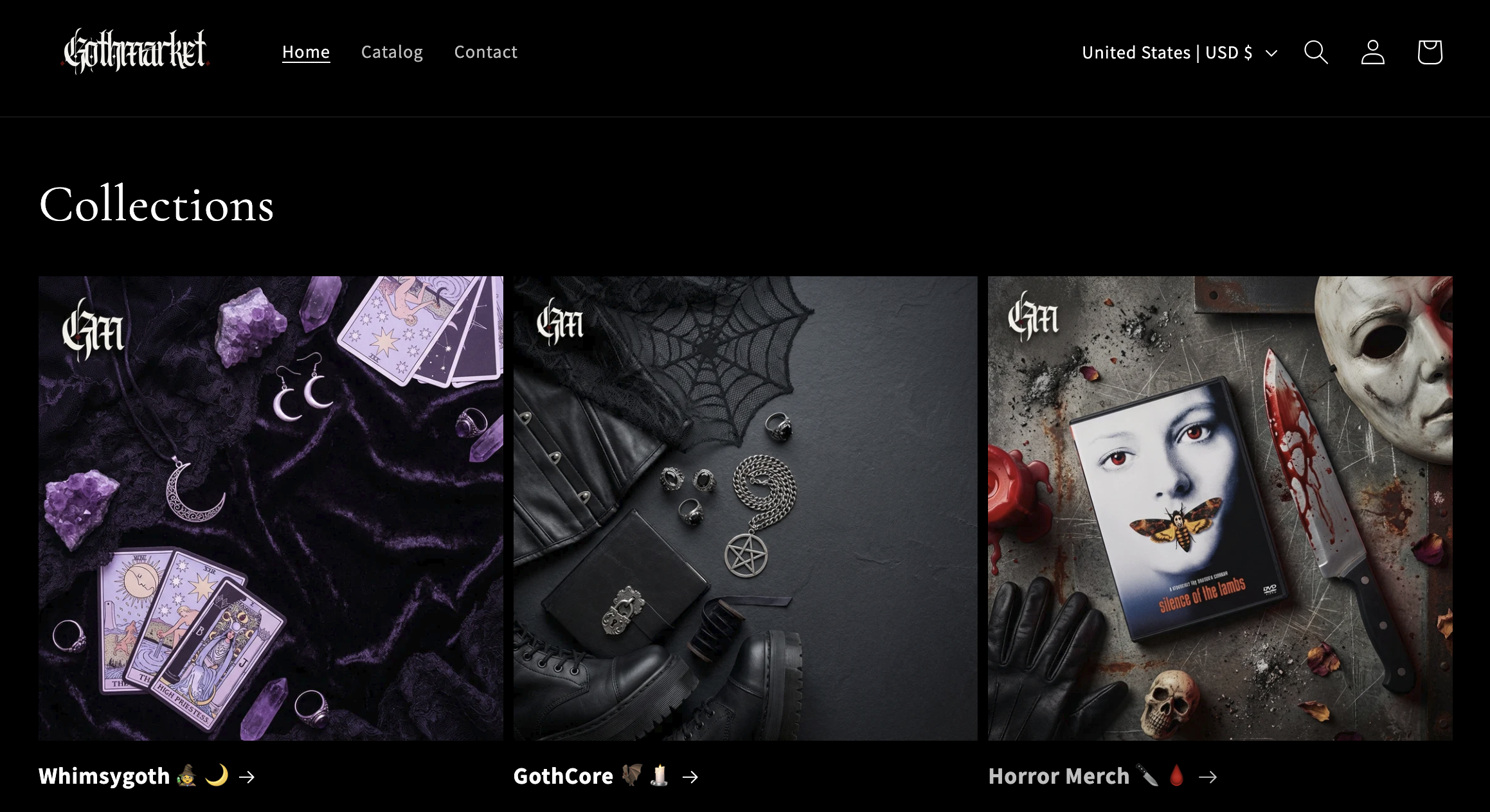
The goth jewelry collection features pieces that function as the symbolic anchors described in our identity section. Chokers, rings, and pendants carry the deliberate meaning that distinguishes subcultural fashion from mainstream trends. Each item represents careful curation, connecting historical gothic traditions with contemporary aesthetic evolution. The celestial chain choker moon pendant exemplifies how modern gothic jewelry balances romantic symbolism with wearable design.
For those drawn to the softer, nature infused aspects of contemporary goth, the whimsygoth collection demonstrates how gothic aesthetics merge with other alternative subcultures. This fusion approach mirrors the cross pollination happening on social media platforms and high fashion runways. You’ll find pieces that work individually as statement items or combine into cohesive looks reflecting your unique position within gothic aesthetic traditions.
Frequently asked questions
What is the role of goth in modern fashion trends?
Gothic aesthetics provide designers with a visual and philosophical language for exploring themes of beauty, decay, and cultural resistance. The 30% increase in runway gothic elements demonstrates how these subcultural principles influence mainstream fashion direction. Goth offers symbolic depth that resonates with contemporary audiences navigating complex social conditions.
How has goth fashion evolved with social media influence?
Platforms like TikTok create compressed feedback loops that accelerate aesthetic development through real time engagement data. Creators iterate looks based on algorithmic performance, balancing authentic subcultural knowledge with platform optimized presentation. This digital evolution represents a fundamental shift from organic, in person community development to data driven aesthetic refinement.
What distinguishes romantic gothic from traditional goth styles?
Romantic gothic emphasizes the fusion of elegance with material degradation, creating visual paradoxes that reflect contemporary cultural narratives. It foregrounds worn textures, subversive silhouettes, and emotional complexity through deliberate construction choices. Traditional goth often maintains starker contrasts and clearer subcultural signifiers, while romantic gothic embraces ambiguity and hybrid forms.
Can goth fashion reflect personal identity and social commentary?
Absolutely. Gothic fashion functions as symbolic articulation of complex identity, using curated elements to communicate philosophical positions and emotional states. The aesthetic’s engagement with mortality, transformation, and resistance provides frameworks for both personal expression and broader cultural critique. Deliberate style choices encode meaning that operates on individual and collective levels simultaneously.