

Handmade Gothic Decor: Dark Elegance and Personal Style
TL;DR:
- Handmade gothic decor emphasizes originality, craftsmanship, and emotional significance over mass-produced items.
- Techniques include carving, glass soldering, resin casting, laser-cutting, and wire-wrapping using quality materials.
- Balancing drama with livability involves layering lighting, contrasting textures, and selective focal points.
Gothic decor has a reputation problem. Too many people picture dusty cobwebs, plastic skulls from a big-box store, and rooms so dark you need a flashlight to find the couch. That picture couldn’t be further from the truth when you’re talking about genuine handmade gothic decor. Artisan-crafted pieces bring something mass production simply can’t replicate: a soul. Each hand-carved shelf, soldered stained glass panel, or resin-cast candelabra tells a story about the maker and the person who chose it. This article breaks down what defines handmade gothic decor, how it’s made, how to style it without losing livability, and how to apply it in real spaces.
Table of Contents
- What defines handmade gothic decor?
- How is handmade gothic decor created?
- Balancing drama and livability: Modern nuances in gothic style
- Real-life applications: Space planning, pitfalls, and practical ideas
- A new era for gothic interiors: What most guides miss
- Curate your own gothic space with handmade pieces
- Frequently asked questions
Key Takeaways
| Point | Details |
|---|---|
| Unique craftsmanship | Handmade gothic decor stands out for its authenticity, personal detail, and artisan skill. |
| Blends drama with function | Modern gothic pieces use balanced design, lighting, and materials to create dramatic yet livable spaces. |
| Customization options | Handmade gothic items are often customizable, letting you reflect your personal style and space. |
| Adaptable for any home | With the right techniques and materials, gothic decor fits into both large and small rooms and diverse climates. |
What defines handmade gothic decor?
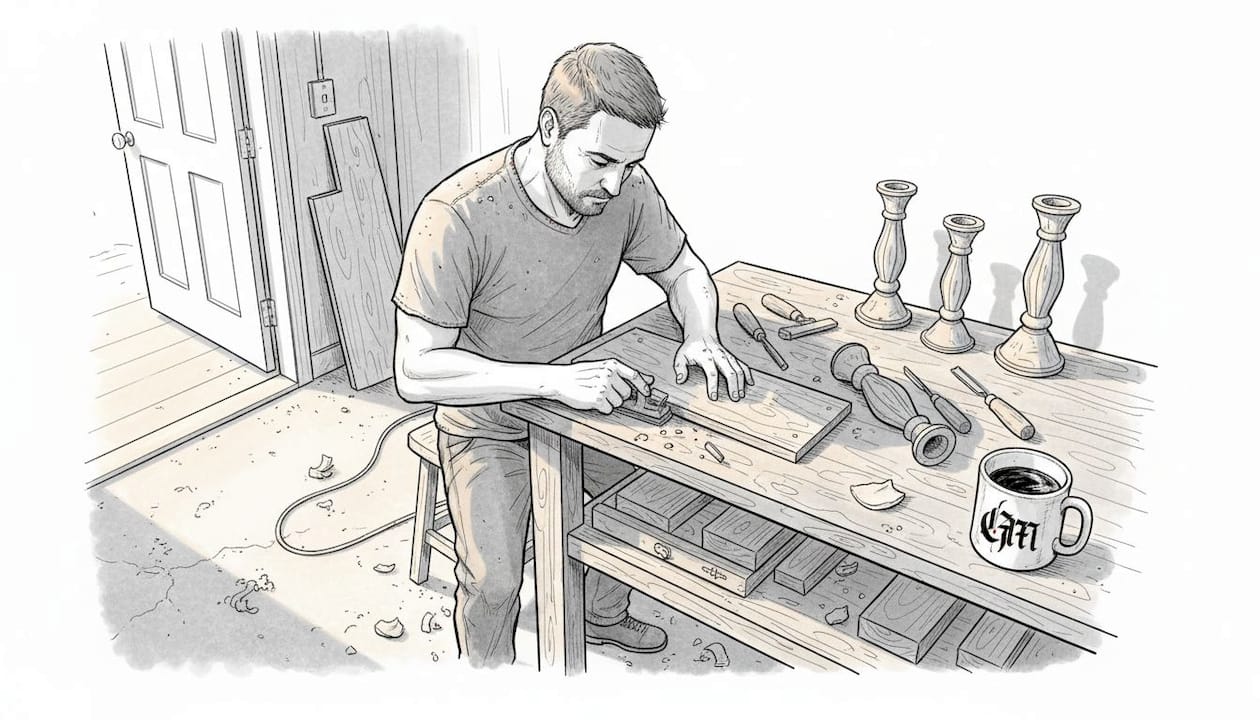
Handmade gothic decor refers to custom-crafted items built around dark, dramatic aesthetics rooted in Gothic revival architecture and horror-inspired motifs. Think pointed arches, gargoyle silhouettes, stained glass color palettes, and ornate ironwork, all made by hand rather than stamped out by a machine. The difference isn’t just visual. It’s philosophical.
Where mass-produced gothic items chase a trend, handmade pieces pursue a vision. A maker who hand-carves a wooden raven wall mount isn’t filling an order. They’re expressing something. That intention comes through in the finished piece, and buyers feel it. As handmade gothic quality research shows, the craftsmanship behind these items creates a level of meaning that factory output simply can’t match.
Online search interest for gothic decor has grown 19 to 38% in recent years, which tells you this isn’t a fringe interest anymore. Enthusiasts are actively seeking out pieces that stand apart from generic Halloween aesthetics. They want curated gothic products that reflect genuine subcultural identity.
Handmade vs. mass-produced gothic decor
| Feature | Handmade | Mass-produced |
|---|---|---|
| Uniqueness | One-of-a-kind or small batch | Identical units |
| Materials | Natural, premium, sourced intentionally | Synthetic, cost-driven |
| Customization | Often available | Rarely possible |
| Price | Higher upfront | Lower upfront |
| Meaning | Embedded in the craft | Absent |
| Longevity | Built to last | Often disposable |
The case for choosing handmade is clear when you lay it out like that. Here’s why enthusiasts consistently make the switch:
- Uniqueness: No one else has the exact piece in their home
- Story: Each item carries the maker’s process and intent
- Quality: Artisan materials and techniques outlast factory finishes
- Customization: Many makers will adjust dimensions, colors, or motifs on request
- Connection: Buying handmade supports independent creators in the gothic community
As handmade gothic jewelry culture demonstrates, this same logic extends from wearables to every corner of your living space. Handmade gothic decor appeals to enthusiasts for its uniqueness and personalization, transforming spaces with dark elegance while allowing for real DIY customization.
How is handmade gothic decor created?
The range of techniques used in handmade gothic decor is genuinely impressive. This isn’t a single craft. It’s an entire ecosystem of skills, each producing a different kind of magic.
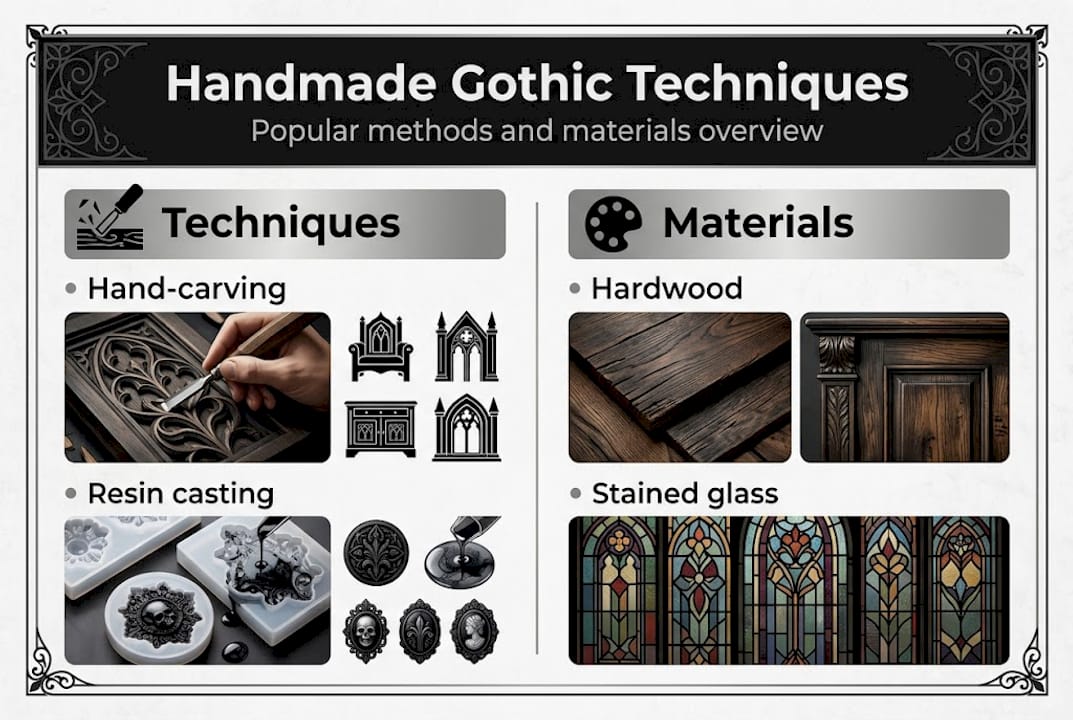
Common methodologies include hand-carving wood for ornate details, soldering stained glass panels, casting resin into filigree molds, laser-cutting layered wood art, and wire-wrapping for jewelry or accents. Each method demands a different skill set and produces a distinctly different aesthetic result.
Popular handmade techniques and materials
| Technique | Primary materials | Example product |
|---|---|---|
| Hand-carving | Hardwood, basswood | Raven wall mounts, altar boxes |
| Stained glass soldering | Glass, lead came, solder | Suncatchers, window panels |
| Resin casting | Pigmented resin, molds | Skull paperweights, candle holders |
| Laser-cutting | MDF, plywood | Wall art, shadow boxes |
| Wire-wrapping | Copper, silver wire | Candelabra accents, jewelry |
Understanding the art in gothic style helps you appreciate why these techniques matter. Each one connects to a different historical tradition, from medieval stonemasonry to Victorian glasswork.
Here’s how a typical handmade gothic piece comes to life:
- Inspiration: The maker draws from historical references, personal symbolism, or a client’s brief
- Sketch: A detailed drawing or digital mockup maps out proportions and motifs
- Material selection: Wood grain, glass color, resin pigment, and hardware are chosen deliberately
- Crafting: The actual making, which can take hours to weeks depending on complexity
- Finishing: Sanding, staining, sealing, or patinating to achieve the final look
Every step involves decisions that a factory line skips entirely. That’s where the value lives. Explore DIY gothic crafts if you want a hands-on look at how even beginner makers approach the process.
Pro Tip: When evaluating a handmade piece, look for the maker’s signature, a short description of their process, or visible evidence of handwork like slight tool marks or subtle asymmetry. These aren’t flaws. They’re proof.
Balancing drama and livability: Modern nuances in gothic style
One of the biggest fears people have about gothic decor is going too far. They picture a room so dark and dramatic that it stops feeling like a home and starts feeling like a set. That fear is valid, but it’s also avoidable.
As Gothic style interior advice confirms, the key is layering. You don’t need every surface covered in skulls and black velvet. You need contrast, intentional placement, and smart lighting.
“Balance drama with functionality using layered lighting, textures, and contrast to avoid gloom.”
Here’s how to master gothic home decor without losing comfort:
- Velvet and brocade: Use these on accent pillows or a single statement chair, not every surface
- Stained glass: A suncatcher in a window adds color and gothic atmosphere without darkening the room
- Layered woods: Combine dark-stained shelving with lighter wall colors for depth without heaviness
- Mirrors: Gothic-framed mirrors reflect light and add drama simultaneously
- Candles and LED alternatives: Warm, flickering light sources create atmosphere without blocking natural light
Modern gothic design has evolved to blend old-world motifs with contemporary materials. Laser-cut MDF panels can mimic the look of carved stone without the weight. LED candelabras give you the gothic ambiance with the convenience of a dimmer switch.
The types of gothic styles available today range from Victorian maximalism to minimalist dark academia, which means there’s a version of gothic decor that works in almost any home. Expert guidance shows that balancing drama with functionality using layered lighting, textures like velvet and brocade, and strategic contrast keeps rooms from feeling oppressive.
Pro Tip: Before committing to a layout or buying new pieces, photograph your space under different lighting conditions, morning sun, afternoon shade, and evening lamplight. Gothic decor reads very differently depending on the light, and a photo will show you things your eye misses in the moment.
Real-life applications: Space planning, pitfalls, and practical ideas
Knowing the theory is one thing. Putting it into practice in your actual home is where most people hit snags. Let’s talk about what goes wrong and how to avoid it.
The most common pitfalls in gothic decorating include over-darkening a space by painting all four walls black, skipping maintenance on natural materials, and choosing pieces that look great in photos but don’t hold up in real conditions. In humid climates especially, treated woods and breathable fabrics are essential to prevent warping, mold, and fabric deterioration.
For small rooms, the approach needs to shift. Vertical elements and mirrors are your best tools. A tall, narrow gothic arch mirror draws the eye upward and makes a room feel larger. A floating shelf with a single carved piece creates impact without consuming floor space.
Space planning for small gothic rooms:
- Mount gothic wall art high to draw the eye upward
- Use one large statement mirror instead of several small decorative items
- Choose a single dramatic accent, like a stained glass panel, rather than covering every surface
- Keep furniture dark but minimal to avoid visual clutter
- Use under-shelf lighting to add depth without taking up space
Practical tips for challenging environments:
- In humid regions: choose resin or sealed wood pieces over raw wood
- For renters: use removable hooks and freestanding shelving to avoid wall damage
- For resale-minded buyers: look for quality finishes, sealed surfaces, and signed maker marks
- For families with kids: opt for resin pieces over fragile stained glass in high-traffic areas
Here’s a real-world example. Imagine transforming a plain entryway with just two pieces: a stained glass suncatcher hung in the narrow window beside the door, and a hand-carved wooden shelf mounted at eye level for keys and small objects. The result is immediate. Visitors notice it. The space has character. And it cost less than a single piece of mass-market furniture.
A new era for gothic interiors: What most guides miss
Most mainstream design content treats gothic decor as a mood board exercise. Pick the dark colors, add some candles, done. That approach completely misses the point.
Handmade gothic decor isn’t just about aesthetics. It’s about expressing identity with decor in a way that mainstream interior design rarely allows. When you choose a piece made by an independent artisan who shares your subcultural values, you’re not just buying an object. You’re participating in a community.
The rise of independent gothic makers on platforms like Goth.Market is reshaping what home means for alternative lifestyle enthusiasts. These aren’t hobbyists selling crafts on the side. Many are skilled artists with deep knowledge of historical motifs, material science, and design principles. Their work deserves to be taken seriously.
Conventional design advice will tell you to “add a gothic touch” with a throw pillow or a dark paint color. We’d push back on that. Thoughtfully chosen, handmade gothic pieces don’t just decorate a space. They transform it into something that actually reflects who you are.
Curate your own gothic space with handmade pieces
Ready to move from inspiration to action? Goth.Market brings together independent artisans and gothic enthusiasts in one curated space, making it easy to find pieces that genuinely match your vision.

Browse the gothic jewelry collection for wearable art that extends your aesthetic beyond your walls. Explore the Whimsygoth collection for pieces that blend dark whimsy with handmade quality. Whether you’re starting from scratch or adding a statement piece to an existing space, shop gothic decor at Goth.Market and find something made with real intention, not a factory mold.
Frequently asked questions
What materials are most common in handmade gothic decor?
Handmade gothic decor often uses wood, stained glass, resin, metalwork, and velvet for dramatic effect and authenticity. These materials are chosen for both their visual impact and their connection to historic gothic craft traditions.
How do I incorporate gothic decor in a small room?
Use vertical features like tall mirrors and high-mounted wall art to draw the eye upward, and choose one or two strong accent pieces rather than filling every surface. This creates depth and drama without making the room feel cramped.
Is handmade gothic decor suitable for homes in humid areas?
Yes, but you should select pieces made from treated woods and breathable fabrics to prevent warping and moisture damage. Resin pieces are also a durable option in high-humidity environments.
What makes handmade gothic decor more valuable than mass-produced alternatives?
Handmade pieces are unique, often customizable, and reflect genuine craftsmanship that mass production can’t replicate. The uniqueness and personalization built into each item makes it more meaningful and longer-lasting than factory alternatives.
Recommended
- 3 Gothic Home Decor Styles: Tips for Dark Elegance – GothMarket
- Goth Home Decor: Expressing Identity Through Dark Style – GothMarket
- Role of Art in Gothic Style – Inspiring Modern Dark Aesthetics – GothMarket
- Guide to gothic wall art: decorate with dark elegance – GothMarket
- If You Can’t Kill Them With Kindness – Try Poison | Dark Vintage House – 3 Wizard Clothing