

Why buy handmade gothic items: quality and meaning
TL;DR:
- Handmade gothic items are unique, customizable, and carry authentic symbolism. They are crafted with superior materials, built to last, and often more environmentally sustainable. Supporting handmade goods aligns with the gothic ethos of individuality, rebellion, and community preservation.
Gothic style runs far deeper than black clothing and dramatic aesthetics. When you choose a handmade gothic piece over something mass-produced, you’re making a statement about who you are, what you value, and how seriously you take the subculture you belong to. Handmade gothic items carry authenticity that factory lines simply cannot replicate. This guide breaks down exactly why handmade matters: the quality difference, the ethical impact, the symbolic weight, and how these pieces become extensions of your identity rather than just accessories.
Table of Contents
- What makes handmade gothic items unique?
- Quality, durability, and craftsmanship
- Sustainability and ethical impact
- Emotional and symbolic value: ritual, rebellion, and meaning
- Our perspective: why handmade is the true gothic rebellion
- Find your next handmade gothic treasure
- Frequently asked questions
Key Takeaways
| Point | Details |
|---|---|
| Unmatched individuality | Every handmade gothic item is noticeably unique and tailored, letting your style stand apart. |
| Superior quality | Crafted with care, these items often last generations, saving you money and hassle. |
| Sustainable & ethical | Choosing handmade supports ethical artisans and reduces your environmental footprint. |
| Symbols with meaning | Handmade items carry intention, energy, and personalized symbolism, ideal for self-expression and ritual. |
| Supports subcultural values | Buying handmade is an act of gothic authenticity and community resistance to disposable fashion. |
What makes handmade gothic items unique?
With the value of authenticity established, let’s look at what truly sets handmade gothic items apart from the rest.
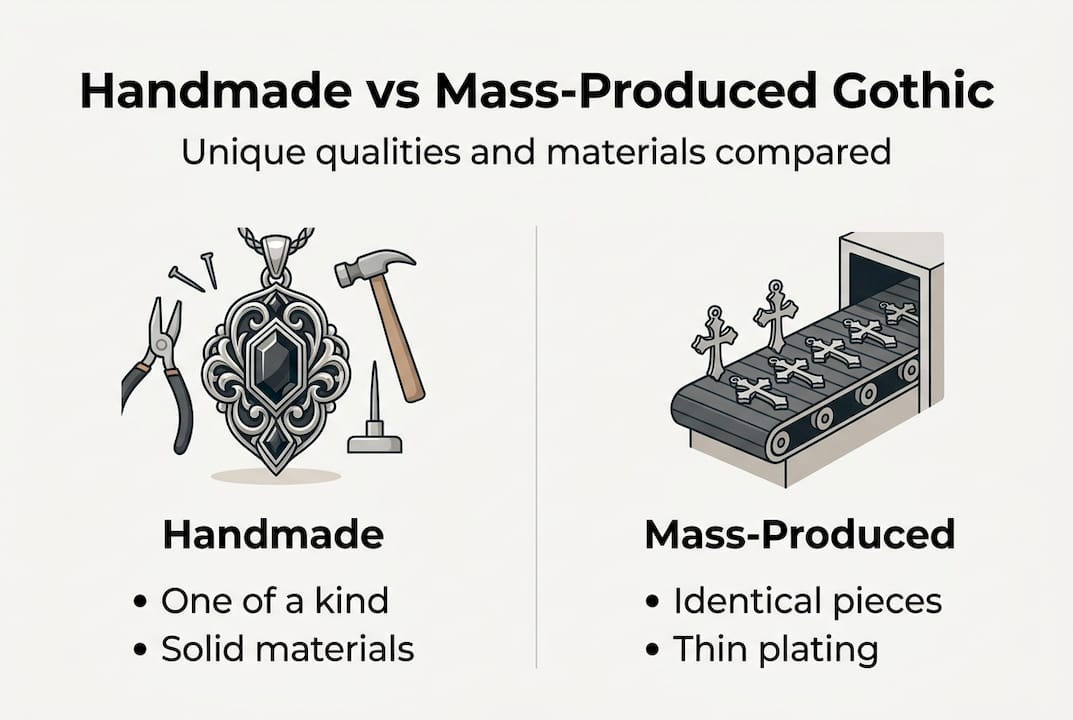
Every handmade gothic piece is one of a kind. A craftsperson shaping a silver skull ring by hand will never produce two identical results. The slight variation in texture, the individual solder marks, the unique patina — these are features, not flaws. They tell you that a real person made this object with care and skill.
Customization is another major advantage. When you work with a gothic artisan, you can often request specific symbols, materials, or dimensions. Want a corset with sigils stitched into the boning channels? A pendant featuring your chosen deity? A wall piece sized for a specific altar niche? Handmade makes that possible. Handmade gothic jewelry for self-expression goes far beyond decoration — it becomes a personal talisman.
Here’s what sets handmade gothic goods apart at a glance:
- Individuality: No two pieces are exactly alike, making your look or space genuinely yours
- Customization: Artisans can incorporate personal symbols, preferred materials, and tailored sizing
- Occult motifs: Handmade jewelry, clothing, and décor often feature carefully researched symbolism
- Human touch: Subtle variations signal authenticity and craftsmanship
- Narrative: Each piece carries the story of its maker and your intention behind purchasing it
Understanding the meaning of gothic jewelry deepens your appreciation for why these details matter so much. A mass-produced pentagram pendant has no story. A hand-forged one does.
“Handmade items offer uniqueness and individuality; no two are alike and personalization is common in gothic goods.”
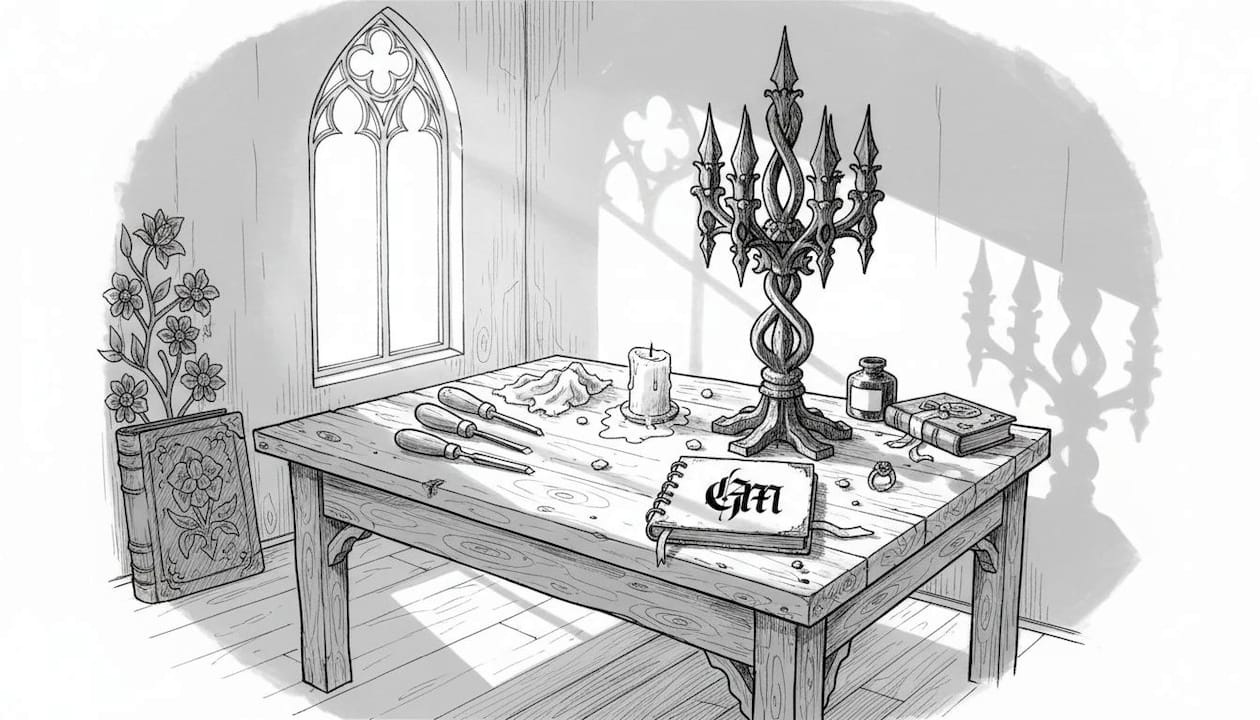
This extends beyond jewelry into handcrafted gothic home art, where each candelabra, tapestry, or carved frame becomes a focal point that mass retailers could never stock. Your space reflects your actual taste, not a catalog page.
Quality, durability, and craftsmanship
Beyond individuality, the value of handmade gothic items extends to superior construction and lasting beauty.
Mass-produced gothic accessories often use thin metal plating over cheap alloys. Within months, that plating fades. Prongs on stone settings loosen. Clasps snap. You replace them, spend more money, and the cycle repeats. Handmade gothic items break this cycle entirely.
Artisans working in sterling silver, solid brass, or ethically sourced gemstones produce pieces that age well. They develop character over time rather than degrading. A handmade gothic ring worn daily for a decade will look distinguished. Its mass-produced equivalent will look worn out within a year.
Superior materials and craftsmanship result in pieces that last generations and reduce the need for frequent replacements. That’s not just better value — it’s a fundamentally different relationship with your possessions.
| Feature | Handmade gothic items | Mass-produced items |
|---|---|---|
| Materials | Solid metals, natural stones, quality fabric | Plated alloys, synthetic stones, cheap fabric |
| Lifespan | Decades with proper care | Months to a few years |
| Repairability | Artisan can repair or restore | Usually disposable |
| Craftsmanship | Hand-finished, detailed, intentional | Machine-stamped, uniform, generic |
| Resale value | Retains or increases value | Depreciates quickly |
The difference is visible and tactile. Handmade pieces feel heavier, more solid, more real. When you hold a hand-cast pewter pendant versus a stamped tin one, the distinction is immediate.
Pro Tip: When evaluating a handmade gothic piece, look for tool marks, slight asymmetry, and hand-set stones. These are signs of genuine craftsmanship. Ask the seller about their materials and process — a real artisan will always have detailed answers.
For those building a complete aesthetic, styling authentic gothic outfits becomes far easier when your individual pieces are built to last and hold their visual impact over time.
Sustainability and ethical impact
Having established their physical differences, it’s important to consider the broader impact handmade gothic items have on the world and community.
Handmade gothic items are more sustainable due to local materials, responsible labor, and reduced environmental impact compared to factory production. Fast fashion and mass manufacturing generate enormous waste, use toxic dyes, and rely on exploitative labor. Choosing handmade is a direct rejection of that system.
Small-batch production means less fabric waste, fewer chemical runoffs, and a dramatically smaller carbon footprint per item. Artisans typically source materials locally or from ethical suppliers, cutting transportation emissions and supporting responsible extraction practices.
| Factor | Handmade production | Mass production |
|---|---|---|
| Waste per item | Minimal, materials used intentionally | High, offcuts and overruns discarded |
| Labor conditions | Maker-controlled, fair | Often exploitative supply chains |
| Carbon footprint | Low, local sourcing common | High, global shipping and factories |
| Chemical use | Natural dyes and finishes preferred | Industrial chemicals standard |
Beyond the environment, buying handmade supports the gothic community economy directly. Your purchase funds an independent artist’s studio, not a corporate shareholder. That money circulates within the subculture, funding more creation and keeping the aesthetic tradition alive. Exploring gothic home decor through handmade channels means your space reflects values, not just trends.
Here’s how to buy ethically within the gothic handmade space:
- Ask the artisan directly about their materials and sourcing
- Look for transparency about their production process
- Check if they use recycled or reclaimed materials
- Research the artisan’s background and community involvement
- Prioritize sellers who share their story and creative process openly
The ethical advantages of handmade extend well past the individual purchase. Every choice you make shapes the market.
Emotional and symbolic value: ritual, rebellion, and meaning
Once you appreciate the tangible benefits, explore the intangible — how handmade gothic items support your inner journey and sense of identity.
The gothic subculture has always been about more than appearance. It’s a worldview, a philosophy, a way of processing beauty through darkness. Handmade items carry this philosophy in a way that factory goods never can. When an artisan pours intention into a piece, that energy is present in the object itself. This isn’t mysticism — it’s psychology.
Researchers have identified what’s sometimes called the “IKEA effect”: we assign greater value to objects we’ve had a hand in creating or that were made specifically for us. A handmade gothic altar piece you commissioned carries emotional weight that a generic store-bought item simply doesn’t. It belongs to your story.
Handmade gothic goods infuse intention and energy, making them especially meaningful for occult practices and self-expression, connecting buyers to tradition and story. This matters enormously when you’re building a ritual space or selecting items for regular practice.
Here’s where handmade items add symbolic and emotional depth:
- Altar objects: Handmade candle holders, sigil tiles, and ritual tools carry maker intention
- Occult jewelry: Symbols researched and hand-carved hold more resonance than printed logos
- Personalized pieces: Items made to your specifications reflect your specific path
- Cultural preservation: Supporting artisan craft keeps gothic traditions alive and evolving
- Emotional connection: You know the story behind the piece, which deepens your bond with it
The gothic subculture styles that have endured for decades share one common thread: they reward depth. Trad goth, Victorian, ritual aesthetic, dark academia — all of these look richer when built around handmade pieces with real history.
Pro Tip: When setting up an altar or dark-aesthetic space, place handmade items at focal points. Their visual irregularity and energetic presence anchor the space in a way that mass-produced objects cannot match. Pair them with personal mementos for maximum resonance.
For further gothic garden inspiration, handmade ceramics, ironwork, and woven pieces translate beautifully into outdoor ritual and aesthetic spaces as well.
Our perspective: why handmade is the true gothic rebellion
Most conversations about gothic fashion focus on aesthetics — the right shade of black, the correct silhouette, the approved accessories. But we think that misses the point entirely.
The gothic subculture emerged as a rejection of mainstream conformity. It was always about refusing to accept what the mass market decided you should wear, think, or value. Choosing handmade gothic items in 2026 is the most direct expression of that original spirit. Every factory-made gothic piece you skip is a vote against the system the subculture was built to resist.
There’s also something the mainstream completely overlooks: the psychological satisfaction of owning objects with genuine provenance. Knowing who made your ring, understanding the technique behind your corset, feeling the weight of a hand-cast pendant — these experiences are irreplaceable. They make your relationship with your aesthetic active rather than passive.
We believe the gothic lifestyle is most powerful when it’s built on choices that have real meaning. Handmade isn’t a trend. It’s the original gothic value.
Find your next handmade gothic treasure
If you’re ready to find your next meaningful gothic piece, discover how to make these values tangible.
At Goth.Market, every item in our curated collections comes from independent creators who understand the subculture from the inside. We don’t stock mass-produced replicas. We connect you with artisans who specialize in exactly the kind of intentional, handcrafted work this guide has been about.

Browse our gothic jewelry collection for handmade rings, pendants, and statement pieces built to last. Explore the whimsygoth collection for pieces that blend dark whimsy with genuine craft. Or browse all gothic items to find your next meaningful addition to your wardrobe, altar, or home.
Frequently asked questions
How do I know if a gothic item is truly handmade?
Authentic handmade gothic items show subtle variations and craftsmanship details that machines cannot replicate, and sellers typically share information about the artisan or materials used. Look for individual maker’s touch as your clearest signal.
Do handmade gothic items cost more?
Handmade gothic goods may cost more upfront, but their superior quality means they last far longer, making them better value over time. Handmade pieces last generations, reducing replacement costs significantly.
Why are handmade items recommended for occult or ritual uses?
Handmade gothic items carry the maker’s intention and carefully chosen symbolism, making them far more resonant for ritual practice than generic alternatives. They are ideal for altars and rituals due to that embedded intention.
Is buying handmade better for the environment?
Yes. Handmade gothic goods use small-batch, often locally sourced materials and generate far less waste than mass-produced items. They lower environmental impact across every stage of production.
How does supporting handmade gothic artisans impact the community?
Buying handmade keeps money circulating within the gothic and alternative community, funds independent makers, and preserves subcultural craft traditions. Small-scale production supports the local economy and keeps the subculture’s creative tradition alive.
Recommended
- Why Choose Handmade Gothic Jewelry for Self-Expression – GothMarket
- Why Gothic Accessories Matter: Identity, Symbolism, Expression – GothMarket
- What is gothic merchandise? Your guide to dark fashion – GothMarket
- What is gothic jewelry: meaning and style guide 2026 – GothMarket
- Sword Craftsmanship: Why Quality Shapes Collecting – propswords