

Why Choose Gothic Style: Self-Expression and Aesthetic Impact
Finding genuine Gothic style can feel confusing when stereotypes cloud reality. For Gothic fashion enthusiasts, recognizing that Gothic aesthetics blend dark romance, historical depth, and creative rebellion matters. The roots of Gothic stretch from medieval cathedrals in France to global subcultures, making it far richer than horror movie clichés. Here you will discover how Gothic style reflects personal identity, artistic vision, and values beyond surface assumptions.
Table of Contents
- Defining Gothic Style And Common Misconceptions
- Major Types Of Gothic Style And Key Differences
- Symbolism, Features, And Cultural Appeal
- Gothic Style Vs. Mainstream Alternatives
- Practical Steps To Embrace Gothic Aesthetics
Key Takeaways
| Point | Details |
|---|---|
| Gothic Style is Multifaceted | It encompasses art, fashion, architecture, literature, and subculture, challenging misconceptions about darkness and barbarism. |
| Personal Expression is Key | Gothic aesthetics prioritize individual interpretation and authenticity over conformity to a single standard. |
| Symbolism is Central | Gothic style communicates deeper meanings through symbols, colors, and design choices, reflecting complex emotional and cultural narratives. |
| Embrace Diverse Subcategories | Gothic is not monolithic; understanding its various types—like Romantic, Victorian, and Cyber Gothic—allows for a more personalized and meaningful expression. |
Defining Gothic Style and Common Misconceptions
Gothic style means far more than dark clothing or horror aesthetics. The term evolved from the Germanic Goths, yet modern Gothic encompasses art, fashion, architecture, literature, and subculture blended into a complex, multifaceted identity. Understanding what Gothic actually is requires separating reality from stereotype.
The biggest misconception? That Gothic equals barbarism or pure darkness. The historical origins of Gothic show it’s rooted in medieval cathedrals, romantic ideals, and socio-political commentary, not mindless destruction. Gothic developed as a critique and counterpoint to rigid rationalism and Enlightenment ideals.
What Gothic Actually Is
Gothic style combines several core elements:
- Dark aesthetics with romantic, melancholic undertones
- Historical depth linking to medieval art and architecture
- Cultural mythmaking with fantasy and imaginative subversion
- Emotional complexity balancing beauty with darkness
- Creative rebellion against mainstream norms
Gothic as a dialogic genre thrives on contradiction and hybrid elements. It’s not monolithic. What counts as Gothic in fashion differs from Gothic in literature or visual art, yet all share that core tension between beauty and darkness, tradition and rebellion.
Common Misconceptions Debunked
Gothic doesn’t mean you worship the devil or embrace violence. Many people assume Gothic subculture automatically connects to satanism or aggression. False. Gothic style is fundamentally about aesthetic choice and self-expression.
Gothic isn’t one rigid aesthetic everyone follows identically. Individual interpretation matters. Your gothic wardrobe reflects your personal taste, not a checklist of required items.
Gothic isn’t a phase for broken teenagers. Adults across every age group embrace Gothic aesthetics as a permanent lifestyle choice that aligns with their values and identity.
Gothic isn’t exclusively European or historical. Modern Gothic creators worldwide blend traditional elements with contemporary influences, creating something entirely new.
Gothic style reflects personal identity and artistic vision, not stereotypes from horror movies or misconceptions about the subculture.
Pro tip: When exploring Gothic style, focus on what genuinely resonates with you aesthetically and philosophically rather than chasing stereotypes. Authentic expression always outshines imitation.
Major Types of Gothic Style and Key Differences
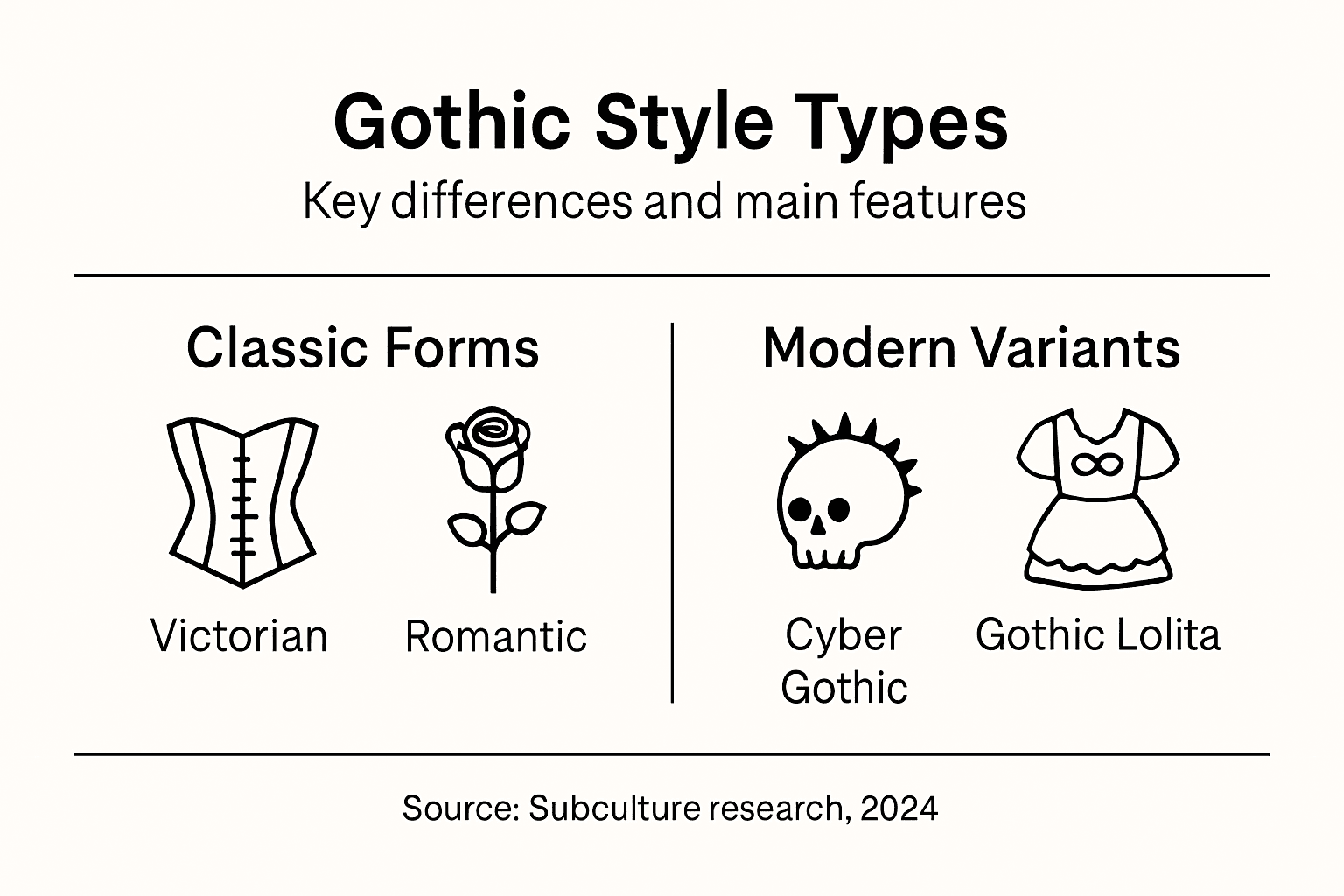
Gothic style isn’t one monolithic aesthetic. It branches into distinct types, each with its own visual language, historical roots, and cultural context. Recognizing these differences helps you identify what truly resonates with your personal expression.
Historical Architecture to Modern Fashion
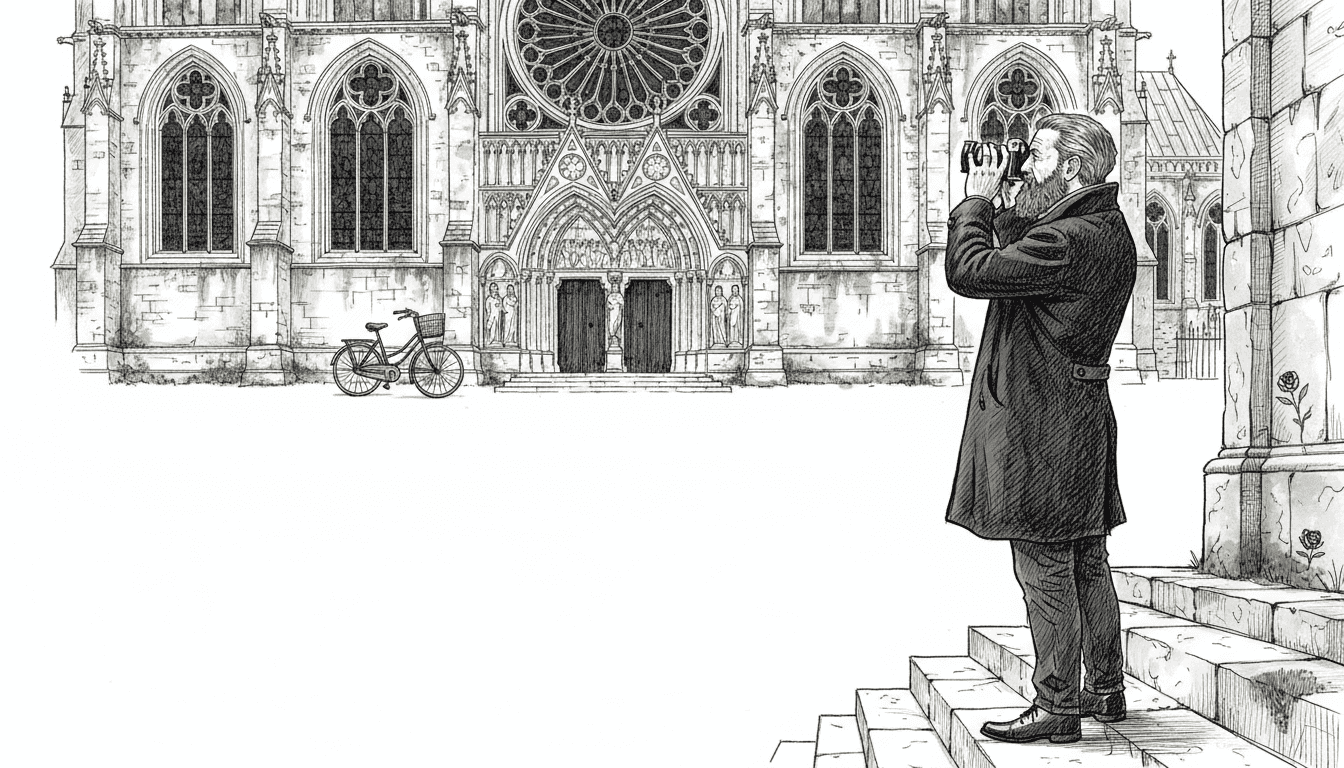
Gothic architectural elements like pointed arches, ribbed vaults, and flying buttresses originated in 12th century northern France. Those medieval innovations spread across Europe, influencing everything from cathedrals to modern fashion silhouettes. The aesthetic principles that defined Early, Decorated, and Perpendicular architectural styles still inform contemporary Gothic fashion and design.
Main Gothic Style Categories
Gothic expresses itself across multiple formats:
Here is a comparison of major Gothic style categories to help distinguish their unique traits:
| Gothic Style Type | Signature Inspiration | Key Visual Element | Contemporary Influence |
|---|---|---|---|
| Romantic Gothic | Supernatural romance, mystery | Flowing fabrics, shadows | Dark fantasy literature, art |
| Victorian Gothic | 19th-century mourning, elegance | Structured corsets, lace | Neo-Victorian fashion, cinema |
| Cyber Gothic | Futurism, cyberpunk culture | Neon accents, tech gear | Club fashion, digital art |
| Gothic Lolita | Japanese and Victorian fusion | Puff sleeves, ribbons | Harajuku street style |
| Steampunk Gothic | Industrial revolution, retrofuturism | Brass hardware, gears | Maker subculture, cosplay |
| Dark Romantic | Sensual melancholy, passion | Deep colors, rich fabrics | Haute couture, music videos |
- Romantic Gothic emphasizes mystery, melancholy, and atmospheric beauty with historical or supernatural narratives
- Victorian Gothic blends classical elegance with darker undertones, drawing from 19th century literature and aesthetics
- Cyber Gothic merges futuristic elements with dark aesthetics, incorporating technology and experimental fashion
- Gothic Lolita fuses Japanese street fashion with Victorian-inspired silhouettes and gothic romanticism
- Steampunk Gothic combines industrial machinery aesthetics with gothic sensibilities and historical retrofuturism
- Dark Romantic prioritizes sensuality and passion alongside darkness, rejecting pure minimalism
How They Differ
Each type reflects different inspirations. Romantic and sensational gothic narratives shaped literary traditions spanning centuries. Fashion-forward goths adapted these themes into wearable art.
Some styles emphasize theatrical drama while others favor minimalist sophistication. Victorian Gothic feels structured and ornate. Cyber Gothic embraces synthetic textures and bold color accents. Gothic Lolita celebrates intricate details and sweet-meets-dark contradictions.
Your choice depends on what aspects of Gothic resonate most: historical depth, futuristic rebellion, romantic atmosphere, or subcultural community. The diversity within Gothic means you’re never locked into one aesthetic forever.
Gothic style encompasses countless expressions, from historical romance to cybernetic rebellion, each valid and authentic.
Pro tip: Explore multiple Gothic subcategories before committing to one aesthetic. Your personal style might blend elements from different types, creating something uniquely yours.
Symbolism, Features, and Cultural Appeal
Gothic style communicates through layers of meaning. Every symbol, color, and design choice carries weight, reflecting centuries of cultural evolution and personal identity. Understanding this symbolic language deepens your connection to the aesthetic.
Core Visual Features
Gothic art emphasizes verticality and intricate ornamentation, creating designs that draw the eye upward and inward. This visual language remains central to modern Gothic fashion and decor.
Key features you’ll encounter:
- Pointed arches and angular silhouettes that create elongated, dramatic lines
- Layered textures combining lace, velvet, mesh, and metallic elements
- Dark color palettes anchored by black, deep purples, grays, and blood reds
- Ornamental details like chains, crosses, skulls, and religious iconography
- Asymmetrical designs that challenge mainstream symmetry expectations
- Dramatic proportions in shoulders, hems, and necklines
Symbolism That Matters
Gothic aesthetics explore tensions between darkness and spirituality, reflecting human duality and moral complexity. This isn’t random darkness. It’s deliberate commentary on struggle, passion, and the sacred meeting the profane.
Common Gothic symbols carry specific meanings:
This table highlights common Gothic symbols and their deeper meaning:
| Symbol or Motif | Associated Meaning | Typical Usage Area |
|---|---|---|
| Crosses | Spiritual questioning, rebellion | Jewelry, accessories |
| Skulls | Human mortality, vulnerability | Jackets, rings, prints |
| Bats & Ravens | Mystery, transformation | Embroidery, earrings |
| Moons & Celestial | Emotional depth, cycles | Brooches, hairpins |
| Thorns & Sharp Edges | Pain, protection, beauty’s danger | Decorative trim, chokers |
- Crosses and religious imagery represent spiritual depth and existential questioning
- Skulls and mortality symbols acknowledge life’s transience and human vulnerability
- Bats, ravens, and nocturnal creatures symbolize mystery, transformation, and freedom from daylight constraints
- Moons and celestial motifs reference feminine energy, cycles, and emotional depth
- Thorns and sharp elements represent pain, protection, and beauty’s dangerous edge
Why Gothic Endures
Gothic appeals because it validates complex emotions. It embraces darkness without rejecting beauty. It celebrates individualism in cultures pushing conformity.
The aesthetic works across centuries because it speaks to universal human experiences: loss, longing, power, and the desire to express what mainstream society dismisses. Gothic gives visual language to internal struggles.
Gothic symbolism transforms personal emotion into wearable art, making inner complexity visible and celebrated.
Pro tip: Choose symbols intentionally when building your Gothic aesthetic. Research what each motif represents, then select pieces that genuinely align with your values and personal narrative.
Gothic Style vs. Mainstream Alternatives
Gothic style stands apart from mainstream culture in deliberate, meaningful ways. Understanding these differences helps you recognize why Gothic resonates so deeply for those seeking authentic self-expression beyond commercial conformity.
The Core Difference
Gothic embraces darkness, rebellion, and emotional authenticity while mainstream culture pushes polished perfection and happiness. Mainstream fashion cycles through trends designed for broad appeal. Gothic rejects that disposability, prioritizing personal meaning over fleeting popularity.
Mainstream aesthetic choices:
- Follow seasonal color trends and silhouettes
- Emphasize brightness, minimalism, and neutral tones
- Value commercial accessibility and mass production
- Promote uniform beauty standards
- Prioritize fitting in over standing out
Gothic aesthetic choices:
- Embrace dark palettes rooted in personal symbolism
- Layer meaning into every design element
- Support independent creators and artisanal quality
- Celebrate individual interpretation and variation
- Deliberately challenge cultural expectations
Critical Function Beyond Fashion
Gothic functions as cultural critique, addressing themes mainstream society suppresses like mortality, repression, and existential anxiety. It’s not just darker clothes. It’s engaging seriously with what others avoid.
Mainstream culture wants you comfortable and consuming. Gothic says your discomfort matters. Your darkness has validity. Your struggles deserve expression.
This explains Gothic’s staying power across centuries. It adapts constantly while maintaining its core purpose: providing space for what mainstream dismisses as too sad, too weird, too intense, or too honest.
Gothic Among Alternative Styles
Gothic shares space with punk, grunge, and other subcultures but maintains distinct identity. Where punk emphasizes aggressive rebellion and grunge leans melancholic minimalism, Gothic integrates romanticism with darkness. It’s equally serious but more ornate, more historically conscious, more deliberately symbolic.
Your choice of Gothic over mainstream signals something specific: you value depth over surface, authenticity over approval, and meaning over marketability.
Gothic style offers cultural and personal critique, transforming aesthetic choice into genuine resistance against mainstream conformity.
Pro tip: When comparing Gothic to mainstream alternatives, ask yourself which genuinely aligns with your values rather than simply opposing mainstream trends. Authentic Gothic expression comes from internal conviction, not external rejection.
Practical Steps to Embrace Gothic Aesthetics
Embracing Gothic aesthetics requires intentional choices, not impulse purchases. Start with understanding your personal vision, then build systematically from there. Authenticity matters more than perfection.
Start With Foundation Pieces
Building a Gothic wardrobe begins with essential dark pieces like black clothing, velvet, and lace. These staples form your base, allowing endless styling variations.
Priority wardrobe essentials:
- Black clothing in varied fabrics and silhouettes (fitted, flowing, structured)
- Layering pieces like mesh tops, long-sleeve shirts, and sheer overlays
- Textured fabrics including velvet, brocade, leather, and faux leather
- Victorian-inspired pieces such as corsets, high-necked tops, or long skirts
- Footwear ranging from platform boots to Mary Janes
- Outerwear like long coats, cloaks, or structured jackets
Add Symbolic Details
Symbolism transforms basic black clothing into meaningful expression. Incorporating crosses, skulls, and other motifs creates visual depth while communicating your values.
Think about which symbols genuinely resonate with you rather than copying everyone else. A skull pendant means something different to someone exploring mortality versus someone embracing playful darkness. Choose symbols that reflect your authentic perspective.
Layer Intentionally
Gothic styling isn’t about wearing one item. It’s about layering for impact and meaning. Combine contrasting textures, mix sheer with opaque, and balance proportions intentionally.
You might pair a fitted Victorian corset over a mesh long-sleeve shirt, then add a heavy velvet jacket. That’s three textures, multiple silhouettes, and layered visual interest. Each piece serves purpose.
Develop Your Personal Version
Gothic doesn’t demand uniformity. Your goth looks different from someone else’s, and that’s the point. Some goths favor theatrical darkness while others prefer understated elegance.
Experiment within the framework. Try different color accents, adjust formality levels, and test various symbolic combinations. Your Gothic aesthetic should feel authentically you, not like a costume you’re performing.
Authentic Gothic expression requires patience and self-awareness, not rushing to buy everything at once.
Pro tip: Invest in quality basics first, then gradually add statement pieces and accessories. Building intentionally prevents closet clutter and ensures every piece genuinely works with your established style.
Embrace Your True Gothic Identity Through Authentic Expression
Discover how Gothic style empowers you to express emotional complexity and personal rebellion beyond mainstream trends. If you resonate with the meaningful symbolism and diverse aesthetics discussed, explore unique pieces that speak to your inner identity at GothCore 🦇 🕯️ – GothMarket.
Start building a curated wardrobe filled with quality essentials and symbolic details that reflect your authentic vision. Visit Whimsygoth 🧙♀️ 🌙 – GothMarket for stylish, dark fashion with whimsical undertones or find bold statement pieces in our Horror Merch 🔪 🩸 – GothMarket collection. Take the next step today and immerse yourself in a community dedicated to the gothic, mystical, and alternative lifestyles by visiting Goth.Market. Every item you choose can be a deliberate act of self-expression and resistance against conformity.
Frequently Asked Questions
What is Gothic style?
Gothic style encompasses a rich blend of art, fashion, architecture, literature, and subculture characterized by dark aesthetics, emotional complexity, and creative rebellion against mainstream norms.
How can I effectively incorporate Gothic aesthetics into my wardrobe?
Start by building a foundation with essential dark pieces like black clothing, textured fabrics, and Victorian-inspired items. Add symbolic details to express personal meaning and layer intentionally for a visually impactful look.
What are the main differences between various types of Gothic style?
Major types include Romantic Gothic, Victorian Gothic, Cyber Gothic, Gothic Lolita, Steampunk Gothic, and Dark Romantic. Each has unique inspirations and visual languages, ranging from historical romance to contemporary futuristic elements.
What symbolism is commonly associated with Gothic style?
Common Gothic symbols include crosses (spiritual questioning), skulls (mortality), bats and ravens (mystery), moons (emotional depth), and thorns (pain and beauty’s danger). Each symbol carries deeper meanings related to human experiences and emotions.
Recommended
- Role of Art in Gothic Style – Inspiring Modern Dark Aesthetics – GothMarket
- Gothic Fashion Styling Guide for Bold, Dark Aesthetics – GothMarket
- 6 Curated Gothic Art Examples Every Collector Should Know – GothMarket
- Guide to Gothic Art Curation for Collectors and Creators – GothMarket
- The Wuthering Heights Aesthetic: Why Gothic Landscape Art is Trending – Art-O-Rama Shop
- Why Choose Alternative Fashion for Self-Expression – ELEDOasis