

Why Gothic Fashion Endures: Evolution, Meaning & Appeal
Gothic fashion searches on TikTok have surged 1,000% for Gothic glam, while Pinterest reports dark romantic makeup up 160% in 2026. These numbers don’t describe a revival. They describe something that never left. Gothic fashion has outlasted disco, grunge, and a dozen other movements that burned bright and vanished. This guide breaks down exactly why that is, tracing the symbolism, psychology, community, and cultural mechanics that keep gothic aesthetics not just alive but genuinely thriving.
Table of Contents
- The historical roots of gothic fashion
- Psychological armor: goth fashion in turbulent times
- Rebellion, authenticity, and the anti-mainstream edge
- Goth never died: subculture, community, and generational ties
- The evolving face of gothic fashion: sub-styles, high fashion, and commodification
- Symbolism and self-expression: the core of gothic endurance
- Explore gothic fashion’s future — make it your own
- Frequently asked questions
Key Takeaways
| Point | Details |
|---|---|
| Historical depth | Gothic fashion’s roots in Victorian and punk styles give it staying power over fleeting trends. |
| Emotional expression | Goth style lets individuals confront and express complex feelings, especially during turbulent times. |
| Authentic rebellion | It provides an alternative to mainstream, polished aesthetics and celebrates imperfection. |
| Community and continuity | A thriving multi-generational community keeps gothic fashion alive and ever-adapting. |
| Ongoing reinvention | New sub-styles and mainstream adoption fuel gothic fashion’s relevance in 2026 and beyond. |
The historical roots of gothic fashion
To understand why gothic fashion has never faded, we need to trace its origins, where history, identity, and cultural references intertwine. Gothic fashion endures because its roots run deep, stretching from Victorian mourning attire through punk’s raw energy into today’s sprawling sub-style ecosystem.
Victorian mourning culture gave goth its foundational visual language: black crepe, jet jewelry, pale skin, and a reverence for death as something to be acknowledged rather than hidden. When punk exploded in the late 1970s, bands like Siouxsie and the Banshees and Bauhaus fused that Victorian darkness with electric guitars and DIY attitude. Post-punk became goth’s true birthplace.
From there, the gothic subculture styles multiplied. Trad goth kept the deathrock roots intact. Cybergoth merged industrial aesthetics with neon accents. Pastel goth softened the palette while keeping the macabre symbolism. Each evolution added new vocabulary without erasing what came before.
| Historical reference | Modern interpretation |
|---|---|
| Victorian mourning dress | Dark romantic gowns and corsetry |
| Punk leather and studs | Nu-goth minimalism with edge |
| Deathrock band aesthetics | Trad goth club wear |
| Industrial warehouse scenes | Cybergoth rave fashion |
“Gothic fashion is not a costume. It is a living archive of every era that dared to look at darkness and find beauty in it.”
The types of gothic fashion available today reflect this layered history. Understanding where each style came from makes wearing it feel intentional rather than arbitrary. That depth is part of what keeps people coming back, and what keeps the goth subculture’s persistence confounding those who keep predicting its death.
Psychological armor: goth fashion in turbulent times
The roots give structure to gothic fashion, but its ongoing relevance is also tied to what it helps people handle, especially when the world feels unstable. Gothic style functions as psychological armor, giving wearers a way to confront dark emotions like trauma, grief, and frustration rather than suppress them.
This is not a coincidence. Interest in goth aesthetics spikes during periods of collective anxiety. The concept of “permacrisis,” a state of ongoing instability, has pushed more people toward aesthetics that acknowledge difficulty rather than paper over it. Mainstream fashion often demands optimism. Goth makes space for everything else.
Gothic fashion fulfills emotional needs that other styles simply don’t address:
- Processing grief and loss through symbolic dress rather than forced positivity
- Building a visible identity that signals depth and emotional complexity
- Creating community with others who share a tolerance for darkness
- Reclaiming control over self-presentation during chaotic periods
- Expressing anger or frustration in a socially legible, creative way
If you’re drawn to gothic style for identity reasons, that pull is worth trusting. Style that resonates emotionally tends to stick. The dark romanticism movement spreading through interior design and fashion right now reflects the same psychological need at a cultural scale.
Pro Tip: When you’re building a gothic wardrobe, start with pieces that feel emotionally resonant, not just visually striking. A ring with personal symbolism or a coat that makes you feel untouchable will serve you far better than trend-chasing. Check out authentic gothic lifestyle resources to build from the inside out.
Rebellion, authenticity, and the anti-mainstream edge
Beyond emotional fulfillment, gothic fashion endures because it doesn’t blend in. Its anti-mainstream stance is part of its core. In an era of “clean girl” aesthetics and algorithm-optimized outfits, gothic fashion offers something genuinely different: tactile, human authenticity that resists digital perfection.
The contrast is stark. Where mainstream trends chase minimalism and approachability, gothic fashion leans into excess, symbolism, and deliberate otherness. That contrast is not accidental. It is the point.
“Gothic fashion is rebellion made wearable. Every stud, every layer of black lace, every silver skull is a refusal to disappear into the beige.”
Here’s what sets gothic fashion apart in 2026:
- Intentional symbolism over empty trend adoption
- Handcrafted and independent pieces over fast fashion
- Layering and texture that reward close attention
- Dark color palettes that communicate mood rather than season
- Sub-cultural literacy that creates in-group recognition
The risk, of course, is commodification. When gothic romance shapes fashion at the luxury level, the aesthetic can get stripped of its meaning. A $3,000 “goth-inspired” coat from a runway brand carries none of the subcultural weight of a thrifted velvet blazer customized by hand. Knowing the difference matters. Bold dark fashion styling is about intention, not price tags. The aesthetics in goth markets reflect this tension constantly.
Goth never died: subculture, community, and generational ties
This authenticity and edge would be nothing without the people and spaces keeping goth alive, year after year. The goth subculture never died. It simply kept going, quietly and persistently, through every decade that declared it over.
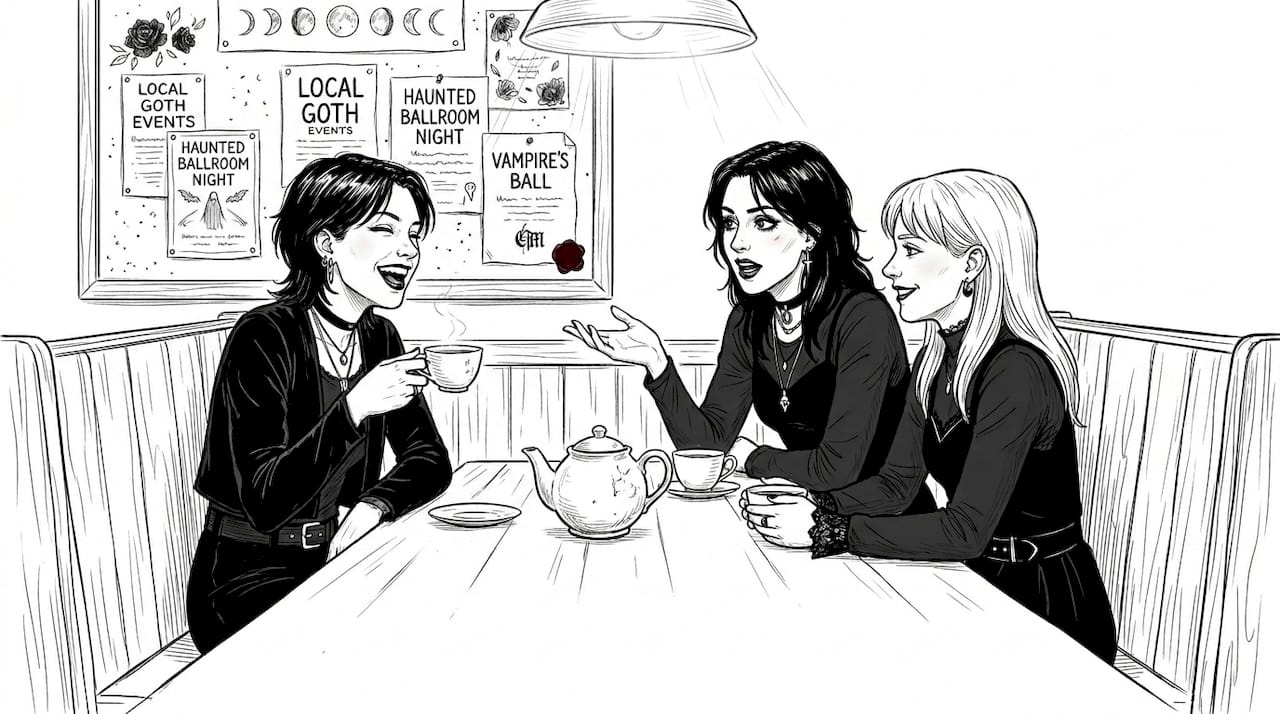
Whitby Goth Weekend in the UK draws thousands of attendees twice a year. Wave-Gotik-Treffen in Leipzig regularly hosts over 20,000 visitors. On TikTok, #gothfashion has accumulated billions of views. These are not the metrics of a dying subculture.
| Community indicator | Scale |
|---|---|
| Whitby Goth Weekend attendance | Thousands per event, biannual |
| Wave-Gotik-Treffen (Leipzig) | 20,000+ attendees annually |
| TikTok #gothfashion views | Billions cumulative |
| Pinterest “eclectic goth” growth | +60% in 2024 |
What makes goth’s community structure uniquely durable is its multi-generational nature. Elder goths who came up in the 1980s pass knowledge, music, and aesthetic sensibility to younger generations. Gen Z discovers the subculture through TikTok and then digs backward into its history. The transmission runs both ways.
Ways the community connects across generations:
- In-person events from local club nights to international festivals
- Online forums and Discord servers dedicated to specific sub-styles
- Vintage and thrift culture that physically passes garments between generations
- Music as a shared language across age groups
Exploring modern goth fashion trends shows how this generational exchange keeps the aesthetic fresh. Building your goth wardrobe essentials with pieces that have subcultural history behind them connects you to that lineage.
The evolving face of gothic fashion: sub-styles, high fashion, and commodification
With a thriving community, constant reinvention has been key to gothic fashion’s adaptability and renewed mainstream relevance. Goth’s adaptability into sub-styles ensures longevity, and high fashion integration has amplified visibility without necessarily killing the underground scene.
The sub-style landscape in 2026 is genuinely diverse:
- Trad goth: Deathrock roots, band tees, fishnet, heavy boots
- Nu-goth: Minimalist black, occult symbols, clean silhouettes
- Soft goth: Muted tones, lace, romantic layering
- Whimsygoth: Mushrooms, moths, fairytale darkness, earthy textures
Luxury houses including Dior and Alexander McQueen have drawn from gothic aesthetics for decades. This visibility introduces new audiences to the aesthetic. The downside is that capitalism shapes subcultures in ways that can hollow out meaning. When a Hot Topic version of goth floods the market, the visual language gets diluted.
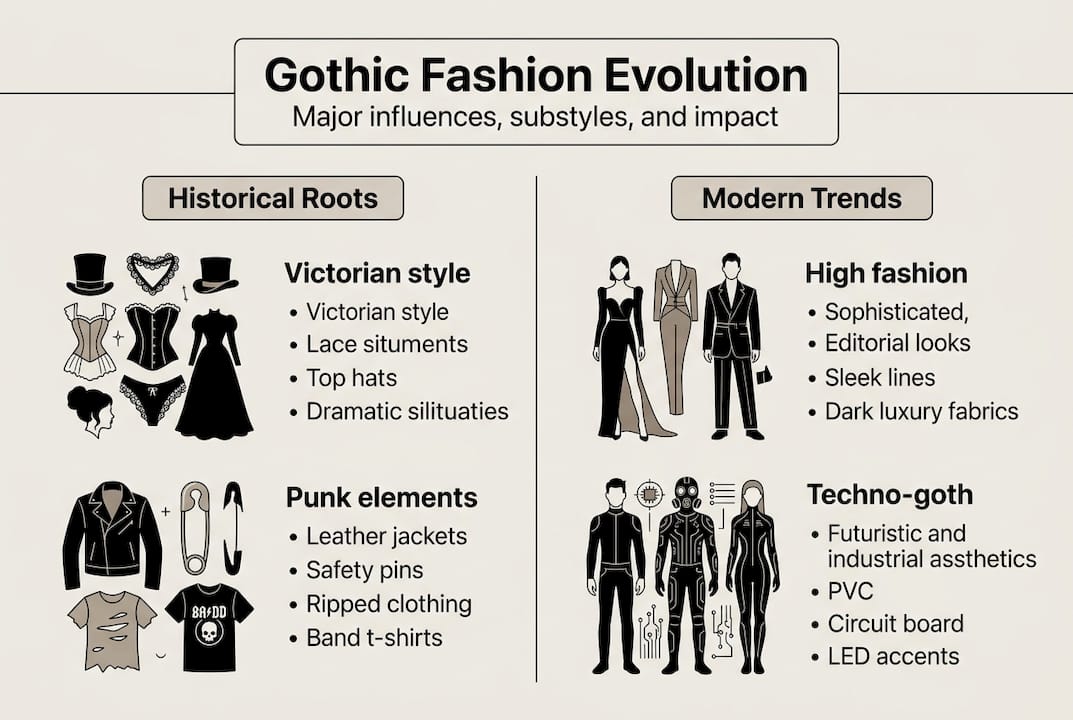
Understanding what defines goth clothing helps you navigate this. The gothic market trends show strong growth in techno-goth and whimsygoth categories specifically, suggesting the subculture is expanding rather than contracting.
Pro Tip: When mainstream brands release “goth-inspired” collections, use them as a starting point, not a destination. Layer in independent pieces, vintage finds, and handmade accessories to reclaim the aesthetic’s depth. The goal is a wardrobe that tells your story, not a brand’s marketing story.
Symbolism and self-expression: the core of gothic endurance
Ultimately, beyond history, trend cycles, and rebellion, the true engine of enduring goth style is its personal and collective meaning. Symbolic identity and self-expression beyond trends, embracing otherness and imperfection, is what separates gothic fashion from every aesthetic that rises and falls with the algorithm.
Gothic fashion draws from literature (Shelley, Poe, Stoker), music (Bauhaus, The Cure, Sisters of Mercy), and visual art (Symbolism, Pre-Raphaelites, surrealism). These references give wearers a rich symbolic vocabulary to draw from.
“To dress in gothic fashion is to wear your inner world on the outside. It is the opposite of hiding.”
Ways gothic fashion enables identity expression:
- Skull and mortality symbols that acknowledge death as part of life
- Occult imagery that signals interest in hidden knowledge
- Literary references through prints, patches, and jewelry
- Color as emotional language rather than seasonal trend
- Silhouette as statement about how you want to take up space
Gothic fashion also has a genuine inclusivity that mainstream aesthetics often lack. It embraces goth identity across body types, gender expressions, and cultural backgrounds. The celebration of individuality is structural, not performative. Exploring gothic self-expression is less about following rules and more about finding the symbols that feel true to you.
Explore gothic fashion’s future — make it your own
Ready to make gothic style your own? The enduring world of dark fashion is waiting, and there has never been a better moment to step into it with intention.
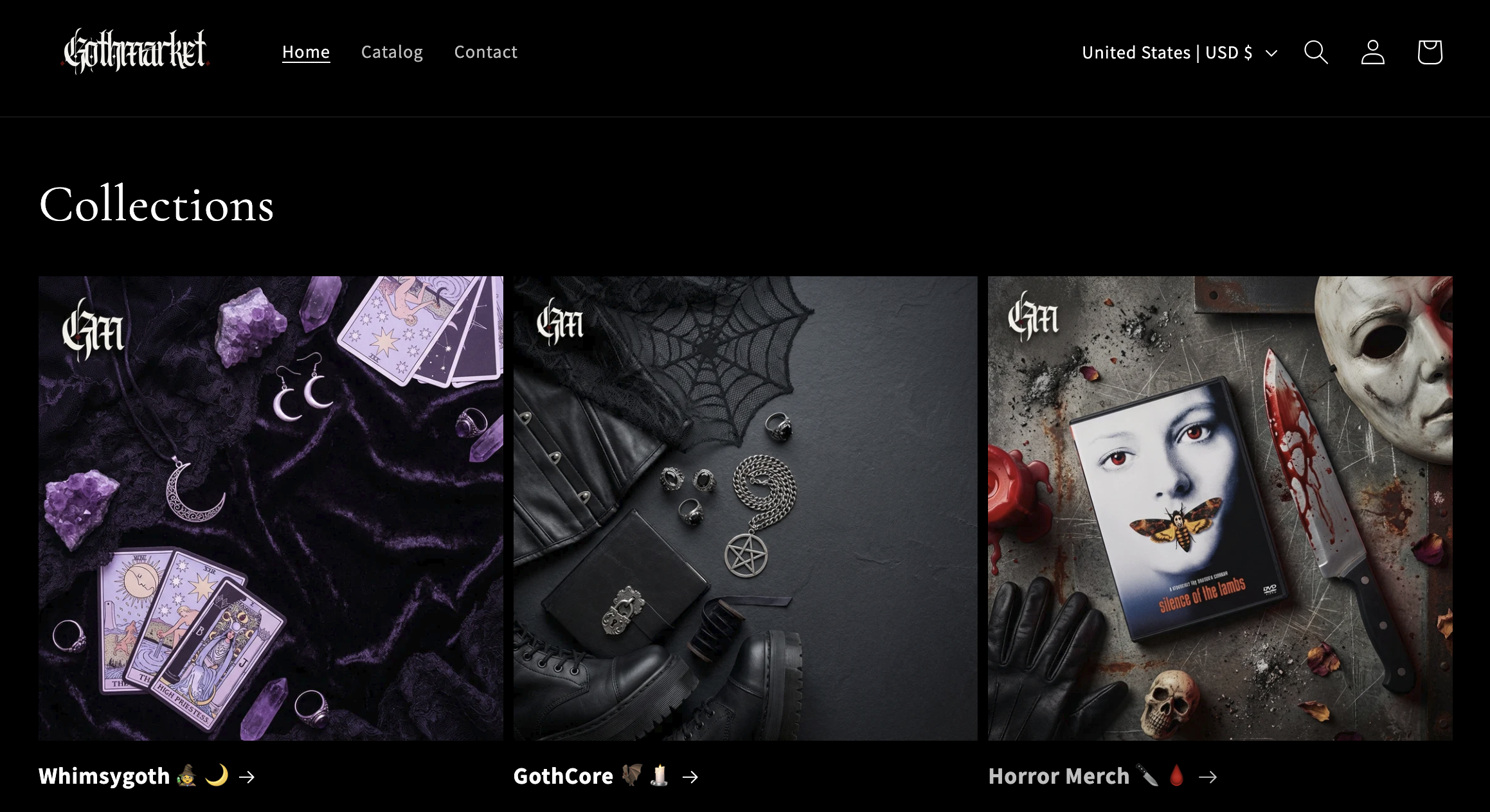
At Goth.Market, we curate pieces that carry real subcultural weight, from handcrafted gothic jewelry that speaks in symbols to full whimsygoth styles that blend dark romanticism with earthy magic. Every item in our marketplace comes from independent creators who understand the difference between aesthetic and identity. Whether you’re building your first gothic wardrobe or deepening a look you’ve worn for decades, our community of makers and collectors has something that fits where you are right now. Explore, experiment, and wear what means something.
Frequently asked questions
Is gothic fashion still relevant in 2026?
Yes. Searches for Gothic glam are up 1,000% on TikTok and dark romantic makeup searches rose 160% on Pinterest in 2026, reflecting both mainstream and subcultural momentum.
What makes gothic fashion endure while other trends fade?
Gothic fashion’s deep roots in history, emotional expression, community, and continuous reinvention give it staying power that trend-driven aesthetics simply can’t match.
How has high fashion influenced gothic style?
Major houses have incorporated goth aesthetics for decades, but high fashion integrates goth without replacing underground innovation, which keeps the subculture’s authenticity intact.
Can you participate in gothic fashion without joining the community?
Absolutely. Symbolic self-expression is at the heart of gothic fashion, and you can build a meaningful personal aesthetic entirely on your own terms.
Is gothic fashion only about wearing black?
Not at all. Sub-styles like whimsygoth and pastel goth incorporate earthy tones, muted colors, and even soft pastels while keeping the symbolic and emotional core of the aesthetic intact.
Recommended
- Goth’s role in modern fashion trends 2026 explained – GothMarket
- What Does Gothic Aesthetic Mean? 12th Century Origins Explained – GothMarket
- Role of Art in Gothic Style – Inspiring Modern Dark Aesthetics – GothMarket
- Why Gothic Subcultures Matter for Modern Identity – GothMarket
- La Evolución de la Moda Masculina a lo Largo de la Historia