

Gothic home decor checklist: essentials for a dark, dramatic space
TL;DR:
- Building a gothic space requires a deliberate, layered approach with a cohesive color palette centered on deep blacks, greens, and metallic accents. Strategic lighting, architectural details, and personal accents transform dark elements into a compelling atmosphere that reflects individual style. Authentic gothic decor emphasizes lived-in, meaningful objects over mass-produced items, creating a space that feels personal and richly layered.
Curating a gothic space that feels deliberately dramatic rather than accidentally gloomy is harder than it looks. You want velvet and shadow, aged gold and candlelight, but one wrong move and the whole room tips from “romantic dark retreat” into “abandoned storage unit.” The good news is that what gothic home decor means at its core is a layered, intentional aesthetic built on specific rules. This checklist walks you through every essential category, from color foundations to finishing accents, so you can build a cohesive dark interior with confidence.
Table of Contents
- How to build your perfect gothic decor checklist
- Essential gothic furniture and textiles
- Lighting and architectural details for atmosphere
- Decor accents: the finishing touches
- Gothic styles compared: traditional vs. modern
- Our take: make gothic decor authentically yours
- Your next step: shop, explore, and personalize
- Frequently asked questions
Key Takeaways
| Point | Details |
|---|---|
| Foundation first | Start with a unified color palette and signature gothic furniture to set the mood. |
| Layer lighting and textiles | Multiple light sources and rich fabrics add depth and prevent monotony. |
| Accessorize for impact | Well-chosen decor accents give your gothic space authenticity and detail. |
| Mix old and new | Blend traditional drama with modern comfort for a practical, stunning home. |
| Personalize your style | Make your gothic decor unique with personalized or handmade touches. |
How to build your perfect gothic decor checklist
Every strong gothic interior starts with a defined color palette, and this is non-negotiable. Without one, even the most stunning individual pieces will clash rather than harmonize. The core gothic color palette includes deep blacks, charcoals, midnight navy, forest green, burgundy, deep purple, and metallic accents like aged gold or brass. Think of those colors as your non-negotiable anchor points before you buy a single item.
Once you have your palette locked in, the layout needs its own framework. The 70-20-10 color rule gives you a practical formula: 70% dark base tones (walls, large furniture, flooring), 20% accent color (pillows, artwork, smaller textiles), and 10% metallic or light contrast (hardware, candles, mirror frames). This breakdown prevents the palette from feeling flat or oppressive.
Here are the core styling principles that every gothic checklist should include:
- Define your palette early. Choose a maximum of five colors and stick to them across every room you’re decorating.
- Group decor in odd numbers. Three or five objects in a vignette read as intentional rather than cluttered.
- Vary heights within every display. A tall candlestick, a medium figurine, and a low crystal cluster tell a visual story.
- Layer lighting sources. Overhead, table-level, and floor-level light work together to sculpt atmosphere.
- Keep fabric colors unified. If your sofa is burgundy velvet, your throw pillows should pull from the same or complementary dark tones.
Pro Tip: Choose one statement piece per room and build around it. Whether it’s an ornate mirror, a carved wooden cabinet, or a four-poster bed frame, that anchor prevents visual chaos and gives every other object a role to play.
Expressing identity with dark style is ultimately what separates a truly compelling gothic interior from a themed hotel lobby. The checklist is a tool, not a rigid formula, and understanding its logic helps you adapt it to your personal vision.
Essential gothic furniture and textiles
With your foundational style rules in place, it’s time to fill your space with statement furniture and lush fabrics. Furniture does the heavy lifting in any gothic room. The essential gothic furniture pieces to prioritize are tufted velvet sofas or Chesterfield sofas in jewel tones, four-poster or wrought iron beds, carved dark wood armchairs, ornate desks, and high-back chairs. These aren’t just decorative choices. They establish the architectural character of your room before a single accent piece is placed.
Here’s a focused furniture checklist for your dark interior:
- Tufted Chesterfield sofa in deep burgundy, forest green, or midnight black velvet
- Four-poster bed with carved wooden posts or wrought iron frame
- High-back armchairs upholstered in brocade or jacquard fabric
- Ornate writing desk in dark stained wood with brass or aged iron hardware
- Display cabinet with glass panels for showing crystals, books, or curios
- Side tables in carved wood or stone finishes to hold candles and small accents
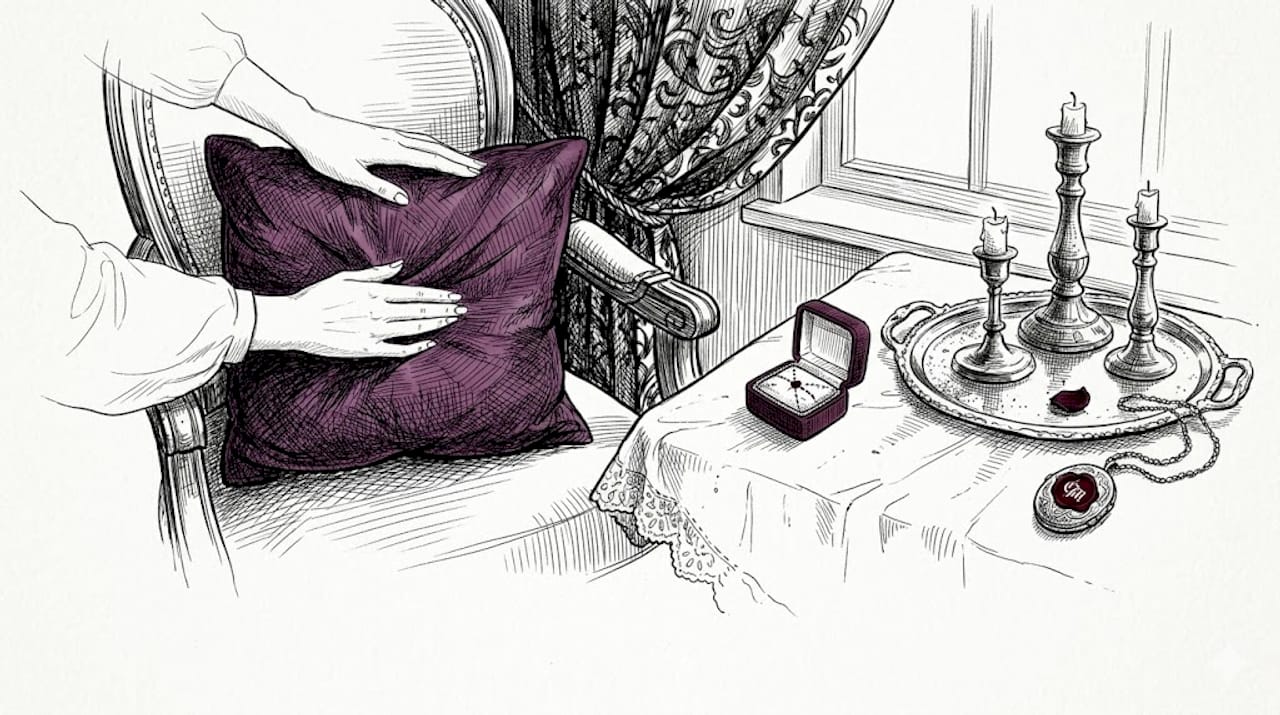
Textiles are where the atmosphere really deepens. The core gothic textiles and materials include heavy velvet or brocade drapes, lace curtains, damask or jacquard pillows, faux fur throws, and finishes in dark wood, wrought iron, and stone textures. Layering multiple fabric types in the same room creates visual richness that single-material spaces simply can’t achieve.
You can explore a wide range of gothic decor styles and tips to figure out which fabric combinations resonate most with your specific aesthetic direction, whether that’s Victorian maximalism or a more stripped-back dark romanticism.
Pro Tip: Never stick to a single textile in one room. Pair velvet upholstery with a faux fur throw, lace curtain panels behind heavy brocade drapes, and damask cushions over a woven rug. The contrast in texture catches light differently at different times of day and stops the room from looking flat. Handmade gothic decor pieces made with mixed materials are especially effective for this layered approach.
Lighting and architectural details for atmosphere
After establishing your core furniture and fabrics, set the mood with targeted lighting and architectural accents. Lighting in a gothic space isn’t just functional; it’s performative. The key gothic lighting elements include wrought iron chandeliers, candelabras, wall sconces, table lamps with dark shades, and layered ambient lighting designed to create shadows and mood rather than broad, even brightness.
Your lighting checklist should cover at least three of these:
- Wrought iron or black metal chandelier as the primary overhead source
- Candelabras on the mantelpiece, dining table, or side tables
- Wall sconces with amber or warm-toned bulbs for corridor and corner ambiance
- Table lamps with dark or jewel-toned shades for reading and intimate corners
- Pillar candles in varying heights grouped on trays or in iron holders
- String lights with Edison or amber bulbs draped through shelves or behind curtains for soft glow
Architectural details carry equal weight in making a space feel genuinely gothic rather than simply dark. The essential architectural motifs that define the style are pointed arches in mirrors or doorframes, ribbed vault details on ceilings, ornate moldings along cornices and baseboards, and stained glass windows or adhesive stained glass films for renters.
“Mood lighting and dramatic architecture are the hallmarks of both traditional and modern gothic interiors. Without them, even the richest textiles and finest furniture look like they belong somewhere else entirely.”
Combining layered lighting with even one or two architectural elements transforms a regular room into something that feels genuinely atmospheric. You don’t need a cathedral ceiling to achieve this. A pointed arch mirror above a fireplace and a set of candelabras on either side creates the same visual tension and drama. Explore gothic wall art ideas that incorporate architectural framing as part of the composition, and look into gothic art symbolism to understand what motifs carry the most cultural weight in dark interior traditions.
Decor accents: the finishing touches
With your main pieces in place, it’s the details that truly define your gothic haven. Accents are where personality enters the room. The must-have gothic decor accents are ornate gilded or arched mirrors, raven or skull figurines, antique books, taxidermy-inspired art, potion bottles, crystal decanters, and dark floral arrangements.
Here is a numbered checklist for gothic accent shopping:
- Ornate gilded or arched mirror for over a fireplace or as a hallway focal point
- Raven, skull, or serpent figurines grouped in odd numbers on shelves or mantels
- Antique books or leather-bound journals stacked in vignettes
- Taxidermy-inspired art or framed butterfly specimens for dark curiosity cabinet vibes
- Potion bottles or apothecary jars filled with dried herbs, dark salts, or crystals
- Crystal decanters in amber or deep jewel tones displayed on a tray
- Dark floral arrangements using dried roses, black dahlias, eucalyptus, or thistles
To help you place these accents strategically, here’s a quick styling reference:
| Accent item | Ideal room placement | Pairs well with | Color notes |
|---|---|---|---|
| Gilded arch mirror | Living room, hallway | Candelabra, dark wall paint | Aged gold or black frame |
| Skull or raven figurine | Shelves, mantelpiece | Antique books, crystals | Black, gray, or bone white |
| Potion bottles | Kitchen, study, bedroom shelf | Dried herbs, candleholders | Amber, cobalt, or clear glass |
| Dark floral arrangement | Dining table, entryway | Crystal decanter, candles | Deep red, black, or purple tones |
| Taxidermy-inspired art | Study, bedroom wall | Ornate frames, sconces | Earthy, dark, or muted tones |
| Crystal decanter | Bar cart, sideboard, shelf | Velvet tray, silver coasters | Rich jewel tones or smoky clear |
For collectors and those building a curated display over time, reading up on starting a gothic art collection is invaluable. The same principles that guide serious art collecting, namely intentionality, thematic cohesion, and quality over quantity, apply directly to building a meaningful gothic vignette.
Gothic styles compared: traditional vs. modern
Whether you love drama or seek subtlety, your gothic checklist should reflect your personal style. Understanding where you fall on the traditional to modern spectrum helps you make smarter buying decisions and avoid accumulating pieces that fight each other visually.
Traditional gothic decor emphasizes ornate Victorian elements and maximalism, while modern gothic distills to moody palettes, sleek lines, and livable comfort that blends smoothly with contemporary furniture. Both directions are valid and beautiful when executed with intention.
| Element | Traditional gothic | Modern gothic |
|---|---|---|
| Color palette | Rich jewel tones, heavy black | Muted darks, gray, dusty mauve |
| Furniture style | Carved wood, Chesterfield, four-poster | Clean lines, dark upholstery, minimal ornament |
| Textiles | Brocade, heavy velvet, lace | Matte velvet, linen, minimal layering |
| Lighting | Candelabras, ornate iron chandeliers | Industrial sconces, Edison bulbs |
| Accent density | Maximalist, every surface curated | Selective, breathing room between objects |
| Architectural detail | Arches, moldings, stained glass | Minimal architectural intervention |
Pros and cons to help you choose:
Traditional gothic:
- Creates undeniable theatrical impact
- Richly layered and deeply immersive
- Can feel overwhelming in smaller spaces
- Requires more investment in quality pieces
Modern gothic:
- More adaptable for renters and smaller homes
- Easier to blend with existing furniture
- Risk of looking too minimal or losing the dark character
- Simpler to update or rotate seasonal accents
Gothic interior design doesn’t have to be depressing or suffocating. When dark walls are balanced with plush velvet, warm metallics, and layered candlelight, the effect is luxurious and intimate rather than cold. The real failure mode is not committing enough, which produces a space that feels neither dark nor comfortable. A useful reference for making final room-level decisions is this gothic home decorating guide, which walks through room-by-room strategy in detail.
Our take: make gothic decor authentically yours
Here’s the uncomfortable truth about gothic interior content online: most of it pushes you toward a Pinterest-ready version of the aesthetic that ends up looking identical to every other “goth room” on the internet. Matching skull sets from mass-market retailers, the same three velvet throw pillow colors, the same iron candelabra from a big-box store. It’s recognizably gothic, but it’s also completely forgettable.
The rooms that actually stop you cold are the ones that feel lived in and personal. That means a Victorian mirror found at an estate sale, a taxidermy piece from an independent artist, a set of candles burned down to different heights because they’re actually used. Those aren’t staging choices. They’re evidence of a real life being lived inside a specific aesthetic.
Replicating a reference image is a starting point, not a destination. The goal is to build a space that tells your story through dark objects and atmosphere, not to reproduce someone else’s vision. That’s where personal gothic decor touches make all the difference. A handmade ceramic skull from an independent maker carries more personality than a dozen identical ones from a catalog.
“True gothic decor feels lived in, layered, and specific to the person who lives there. Anyone can paint a wall black. Not everyone knows which objects belong on that shelf.”
Pro Tip: Repurpose vintage finds as gothic accents instead of buying new. An old wooden frame painted black and gilded becomes an ornate mirror surround. A vintage chemistry set on a shelf becomes an apothecary display. Thrift stores, flea markets, and estate sales are your best friends for building a gothic interior that no one else has.
Your next step: shop, explore, and personalize
Your checklist is ready and your vision is clear. Now it’s time to find pieces that are actually worth owning.

At Goth.Market, you’ll find curated gothic essentials sourced from independent creators who understand the aesthetic from the inside out. Browse the gothic jewelry collection for pieces that double as decorative accents or personal talismans to display alongside your decor vignettes. If you want something unexpected, the Whimsygoth accents collection brings a playful, darkly whimsical energy that prevents any space from feeling too solemn. And for a statement accessory that bridges fashion and decor, the moon choker pendant is a perfect example of the kind of unique, creator-made piece that lifts a gothic interior beyond the ordinary.
Frequently asked questions
What colors work best for gothic home decor?
The standard gothic palette covers deep blacks, charcoals, midnight navy, forest green, burgundy, deep purple, and metallic accents like aged gold or brass. Stick to five or fewer tones for a cohesive look.
How do you prevent a gothic room from feeling too dark or depressing?
Balance is everything. Dark walls paired with velvet, warm metallics, and layered lighting create luxurious intimacy rather than oppressive gloom. The key is adding warmth through texture and light, not by lightening the palette.
What are must-have gothic decor accents?
The top priorities are ornate gilded mirrors, raven or skull figurines, antique books, potion bottles, crystal decanters, and dark floral arrangements using dried or deep-colored blooms.
How can I add gothic touches to a modern or rented space?
Focus entirely on portable accents: textiles, framed art, table lamps, candelabras, and freestanding mirrors. None of these require drilling or painting, and all of them shift a room’s atmosphere significantly when grouped with intention.
Is modern gothic decor less dramatic than traditional gothic?
Modern gothic favors moody palettes and cleaner lines over heavy Victorian ornamentation, but it can be every bit as dramatic when styled with purpose. The difference is restraint in ornament, not restraint in atmosphere.
Recommended
- 3 Gothic Home Decor Styles: Tips for Dark Elegance – GothMarket
- What is gothic home decor? A 2026 guide to dark elegance – GothMarket
- Handmade Gothic Decor: Dark Elegance and Personal Style – GothMarket
- Gothic home decorating guide: create dark mystical space – GothMarket
- How Crystal Accents Transform Interiors: Design Impact – CrystalPlace