

What Is Alternative Subculture? Meaning, Styles & Community
TL;DR:
- Alternative subcultures encompass diverse identities, values, and styles outside mainstream culture.
- Community, creativity, and self-expression are core elements uniting these groups across ages and backgrounds.
- Online platforms and independent creators foster global connections, evolving cultural boundaries and aesthetics.
Most people picture black eyeliner and heavy metal when they hear "alternative subculture." That image barely scratches the surface. Alternative subcultures span gothic fashion, witchcraft, dark art, punk, emo, and dozens of hybrid identities that resist easy labels. These communities are built on genuine values: belonging, creative freedom, and the courage to look different from the crowd. Whether you're already deep in the goth scene, just discovering witchcore aesthetics, or simply curious about what drives people to embrace the unconventional, this article breaks down what alternative subculture really means, who's in it, and how you can connect with it in ways that go far beyond a wardrobe choice.
Table of Contents
- What does alternative subculture mean?
- What are the key types of alternative subcultures?
- How do alternative subcultures build community and inspire creativity?
- How are the boundaries of alternative subculture evolving?
- Why is identity the real magic of alternative subculture, not just aesthetics?
- Explore gothic, witchy, and dark art styles with GothMarket
- Frequently asked questions
Key Takeaways
| Point | Details |
|---|---|
| Defining alt subculture | Alternative subculture means embracing lifestyles and styles outside mainstream culture, like goth and witchcraft. |
| Examples and aesthetics | Gothic, witchcraft, and dark art are popular alt subcultures with their own history, style, and icons. |
| Community matters | Connection and creativity are as important as fashion in alternative subculture communities. |
| Boundaries evolve | Internet and blending styles are making 'alternative' identities more dynamic and accessible. |
What does alternative subculture mean?
Let's start with the core concept: what do we mean when we say "alternative subculture"?
The term is an umbrella for non-mainstream styles, music, and lifestyles that deliberately step outside the cultural center. It's not one thing. It's a wide collection of groups, each with its own rules, symbols, and social codes. What they share is a conscious rejection of, or at least indifference to, what's considered "normal" by the dominant culture.
Subcultures carry distinctive values and behaviors that differ from the mainstream, even when they don't actively oppose it. That distinction matters. A subculture isn't automatically a rebellion. Sometimes it's simply a community that found each other through shared taste.
| Trait | Mainstream culture | Alternative subculture |
|---|---|---|
| Music | Pop, hip-hop charts | Post-punk, darkwave, folk metal |
| Fashion | Fast fashion trends | Curated, symbolic, handmade |
| Values | Conformity, visibility | Authenticity, individuality |
| Community | Passive consumption | Active participation and creation |
Identity is the engine here. People don't join alternative subcultures because they saw an ad. They find them because something clicks, a sound, a visual, a philosophy that mirrors something they already feel inside. That's why subcultures matter in ways that go beyond fashion.
The diversity within these groups often surprises newcomers. Alternative subcultures include teenagers in suburban bedrooms, forty-year-old professionals, artists, academics, and working-class creatives. Age, income, and background vary wildly. What unites members is intent, not demographics.
Common misconceptions worth clearing up:
- Myth: Alternative subcultures are just phases. Reality: Many members maintain their identity for decades.
- Myth: These groups are antisocial or dangerous. Reality: Most are tightly knit, supportive communities.
- Myth: You need money to participate. Reality: DIY culture and thrifting are central to many alt aesthetics.
- Myth: It's all about looking dark. Reality: Values like creativity, tolerance, and authenticity drive participation far more than clothing.
"Alternative subculture is less about what you wear and more about why you wear it. The meaning behind the choice is everything."
For deeper reading on subculture research, academic resources trace these groups back decades and show how consistently they've shaped broader culture from the outside in.
What are the key types of alternative subcultures?
Once you understand "alternative subculture," it's helpful to explore standout examples you'll see online and in real life.
The gothic subculture emerged from post-punk in the early 1980s in the UK, with bands like Siouxsie and the Banshees and The Cure shaping its sound. Gothic style draws on Victorian mourning dress, horror literature, and Romantic era art. It's dramatic, intentional, and deeply literary.
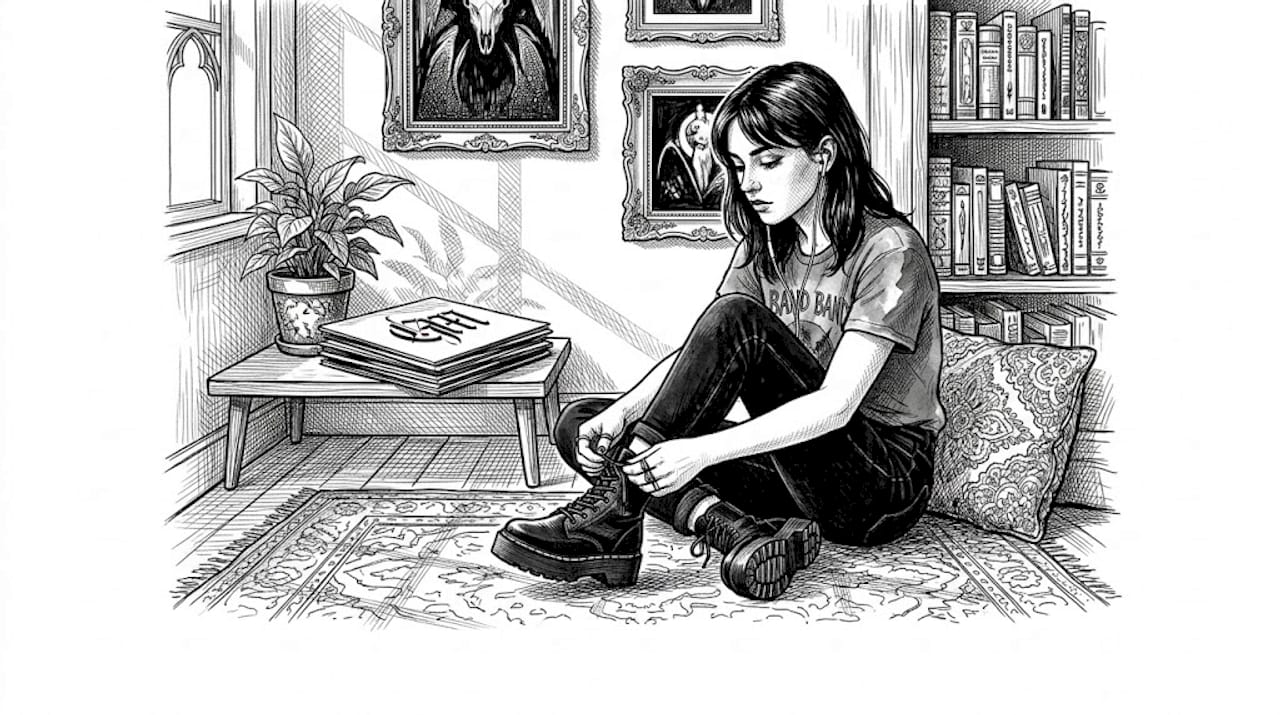
Witchcraft, or witchcore, is a different beast. The witchcraft subculture blends modern magic aesthetics, dark fashion, and a strong connection to nature and ritual. It pulls from paganism, folk magic, and contemporary spiritual practice. Think dried herbs, moon phases, handwritten grimoires, and layered black linen.
Dark art sits at the intersection of both. Dark art and occult imagery appear as recurring elements across gothic and witchcraft spaces, from hand-painted tarot decks to sculpture and digital illustration.
| Feature | Gothic | Witchcraft/Witchcore | Dark art |
|---|---|---|---|
| Music | Post-punk, darkwave | Folk, ambient, pagan | Varies widely |
| Style | Victorian, dramatic | Flowing, earthy, layered | Expressive, symbolic |
| Core values | Aesthetics, introspection | Spirituality, nature | Creativity, mysticism |
| Signature products | Corsets, silver jewelry | Grimoires, crystals | Prints, sculptures |
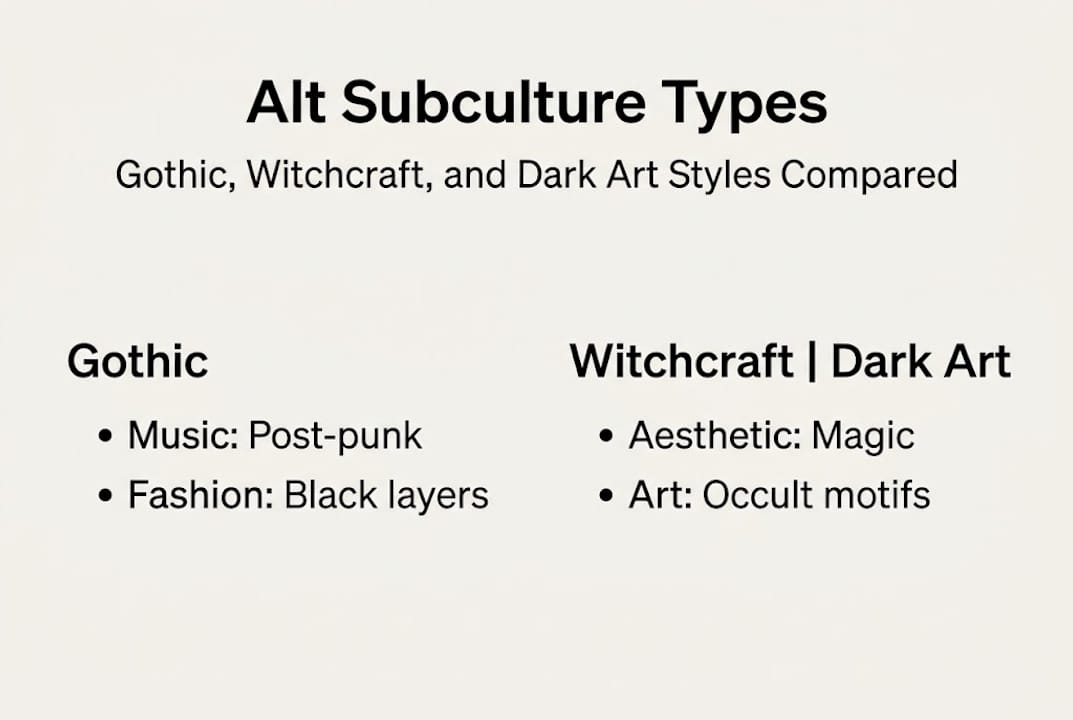
Top distinguishing features for each:
Gothic:
- Strong literary and horror influence
- Emphasis on dramatic, structured fashion
- Music as a core identity marker
Witchcraft/Witchcore:
- Ritual practice integrated into daily life
- Nature-based symbolism (moons, herbs, animals)
- Community built around shared spiritual exploration
Dark art:
- Visual expression as the primary language
- Occult and mythological imagery as recurring themes
- Strong overlap with both gothic and witchcraft communities
Studies suggest roughly 20% of youth identify with goth or dark alternative styles at some point, showing just how wide the reach of these aesthetics has become. For a full breakdown, the gothic subculture explained guide covers how young people are embracing dark identity today.
Pro Tip: Authentic gothic and witchcraft aesthetics tend to favor handmade, vintage, or independently produced items. If a product looks mass-produced with generic symbols slapped on, it's likely commercialized rather than community-rooted. Check the gothic style guide and the gothic merchandise guide to train your eye.
How do alternative subcultures build community and inspire creativity?
Beyond styles and symbols, community and creativity are what keep alternative subcultures thriving.
These groups form connections in remarkably varied ways. Online forums, Discord servers, Instagram communities, and TikTok subgroups connect people across continents. Offline, the tradition runs deep. Clubs like Batcave were central to goth social life in 1980s London, and that club culture still pulses in cities worldwide through goth nights, pagan fairs, and art markets.
Ways people actively participate in alternative subcultures:
- Wearing and creating fashion that reflects personal identity
- Attending live music events, club nights, or ritual gatherings
- Sharing art, photography, and writing in community spaces
- Practicing personal rituals or collective ceremonies
- Buying and selling handmade or independent products
- Building shrines, altars, or curated living spaces
Alternative subcultures foster community and enable unique products that you simply won't find in mainstream retail. This is where independent creators thrive. Dark art supports products like grimoires, ritual items, and custom wearables that carry genuine symbolic weight.
"Goth communities are consistently described by researchers as tolerant, non-violent, and supportive, directly contradicting the dangerous outsider stereotype that mainstream media loves to repeat."
Creativity is not a side feature here. It's the foundation. Many members of these communities don't just consume, they make. Sewing their own clothes, illustrating their own tarot cards, writing their own spells, or composing their own music. This creative drive shapes the gothic wardrobe essentials that define the aesthetic from the inside out.
Pro Tip: To find your first community event, search Meetup or Facebook Groups for "goth night," "pagan market," or "dark art fair" in your city. Many events are free or low-cost, and first-timers are almost always welcomed. The enduring gothic fashion community is particularly known for welcoming newcomers with genuine warmth.
How are the boundaries of alternative subculture evolving?
With the urge to connect and create, these subcultures adapt and respond to changing culture and technology.
Subcultures are dynamic and evolving, and the internet has accelerated that process dramatically. What once required living in a major city, finding the right record store, or knowing someone in the scene can now happen in minutes through a single search. This is both exciting and complicated.
Mainstream and alt lines blur through digital access, creating what researchers call "post-subcultures," fluid identities that borrow from multiple aesthetics without strict allegiance to one.
| Dimension | Pre-internet (before 2000) | Post-internet (2000 onward) |
|---|---|---|
| Community access | Local, city-based | Global, instant |
| Style boundaries | Strict, gatekept | Fluid, hybrid |
| Identity formation | Slow, mentorship-driven | Fast, self-directed |
| Product sourcing | Local shops, zines | Online marketplaces, indie creators |
Mainstream culture has borrowed heavily from alt aesthetics. High fashion runways regularly feature gothic silhouettes. Major retailers sell "witchy" candles and crystal sets. Halloween has become a year-round aesthetic for millions. This absorption is a double-edged reality: it spreads awareness but can dilute the meaning that makes these communities feel distinct.
Three predictions for the next wave of alt subculture:
- Micro-aesthetics will multiply. Platforms like TikTok already generate new visual identities (cottagecore, dark academia, goblincore) faster than any previous era. Expect even more granular subcultural niches.
- Digital ritual spaces will grow. Online ceremonies, virtual altar-building communities, and collaborative dark art projects will become as meaningful as physical gatherings.
- Creator-driven marketplaces will dominate. Independent artists and makers will continue pulling audiences away from mass retail toward curated, meaningful products. Check out modern goth in fashion and gothic lifestyle trends to see where things are heading.
The future of "alternative" may look less like a fixed category and more like a personal practice, something you build, layer, and evolve over time.
Why is identity the real magic of alternative subculture, not just aesthetics?
Most articles about alternative subcultures stop at the surface. They catalog the clothes, list the bands, and describe the symbols. That's useful, but it misses the point.
The real draw of these communities is not the look. It's the feeling of being recognized. For a lot of people, discovering goth, witchcraft, or dark art is the first time they've encountered a space where their instincts, their love of the strange, the melancholic, the mystical, are not just tolerated but celebrated.
Surface-level participation is completely valid. Buying a piece of gothic jewelry or decorating your space with dark art is a real and meaningful entry point. But the communities that sustain people over years and decades are the ones built on shared ritual, creative collaboration, and honest self-expression.
We've seen this firsthand in the communities that gather around spaces like impact of subcultures. The people who stay are not the ones chasing a trend. They're the ones who found something that reflects who they actually are. That's the real magic, and no mainstream retailer can package it.
Explore gothic, witchy, and dark art styles with GothMarket
Ready to express your identity or join the community? Here's where to start.
Goth.Market is built specifically for people who want more than mass-market aesthetics. Whether you're drawn to gothic fashion, witchcraft supplies, or dark art, the marketplace connects you directly with independent creators who understand these subcultures from the inside.
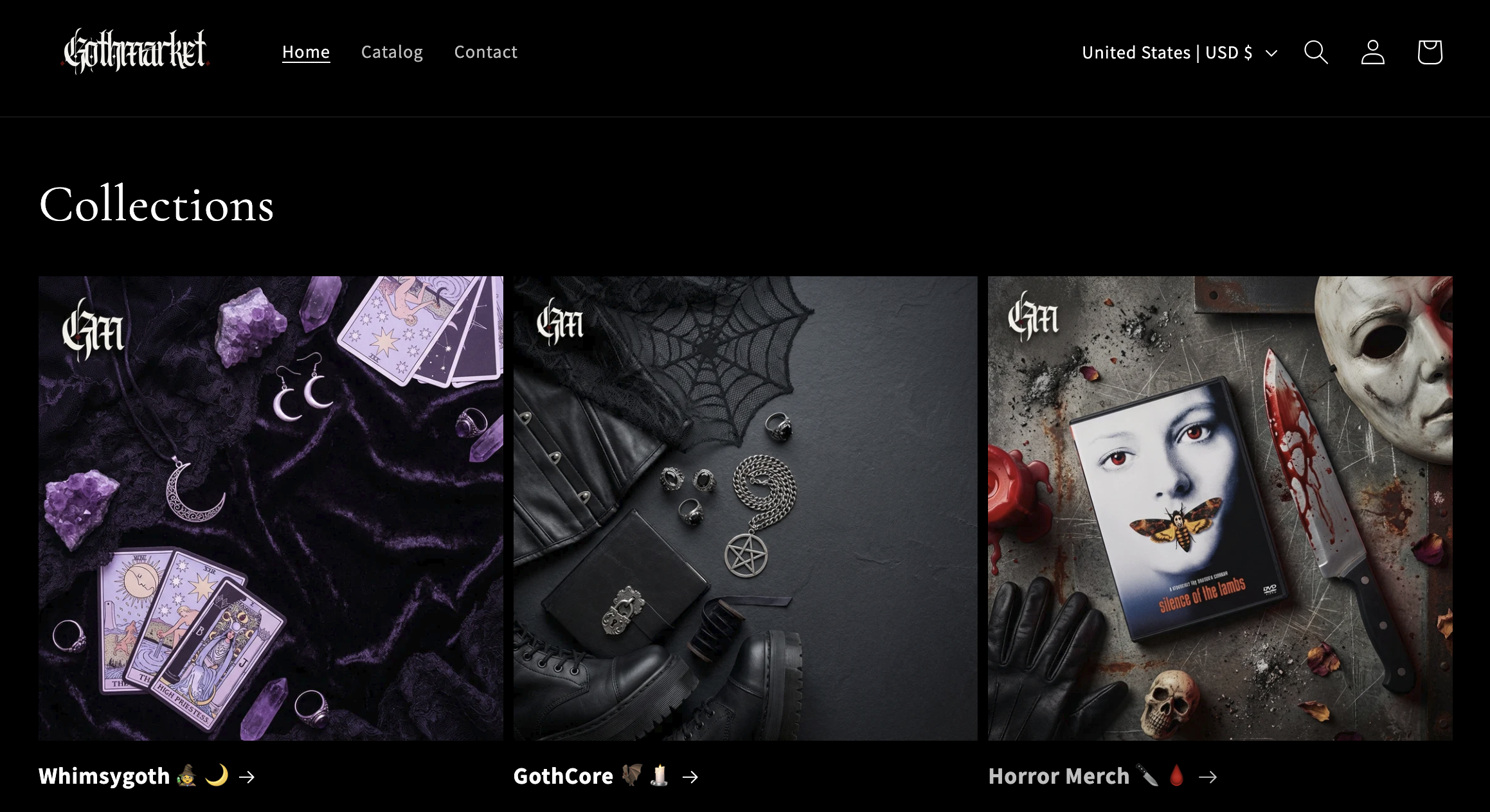
Browse curated gothic jewelry crafted with genuine occult and gothic symbolism. Explore the whimsygoth collection for pieces that blend dark whimsy with wearable art. Or go deeper into horror territory with horror merch that speaks directly to the darker corners of alternative culture. Every item is sourced from independent makers who live and breathe these aesthetics. Your style, your ritual, your identity deserves that level of intention.
Frequently asked questions
What does 'alternative subculture' mean?
Alternative subculture refers to groups, styles, or lifestyles that deliberately stand apart from mainstream culture, often embracing unique fashion, music, or values that fall outside the cultural norm.
How is a subculture different from a counterculture?
Subcultures hold distinctive values that differ from the mainstream without necessarily opposing it, while countercultures actively challenge or reject dominant norms and systems.
What are some examples of alternative subcultures?
Alternative subculture is an umbrella term covering styles like punk, grunge, emo, goth, and witchcore, each with its own distinct music, fashion, and community values.
Can anyone join an alternative subculture?
Yes. Subcultures include diverse ages, classes, and backgrounds, making them far more open and welcoming than their outsider reputation suggests.
How do alternative subcultures connect online?
Subcultures evolve through digital spaces like forums, social media groups, and niche marketplaces where members share art, inspiration, and find products made by people who share their aesthetic values.
Do you need money to participate in alternative subcultures?
No. DIY culture and thrifting are central to many alt aesthetics, not a workaround for people who can't afford "the real thing." Sewing your own clothes, thrifting pieces, and making your own art or ritual items are core parts of these communities, not lesser substitutes for buying everything new.
How do I find local alternative subculture events or communities?
Search Meetup or Facebook Groups for terms like "goth night," "pagan market," or "dark art fair" in your city. Many events are free or low-cost, and these communities are consistently described as welcoming to newcomers rather than closed-off or exclusive.
Recommended
- Why Gothic Subcultures Matter for Modern Identity – GothMarket
- Gothic Subculture Explained: 20% Youth Embrace Dark Identity – GothMarket
- Master gothic subculture styles for authentic expression – GothMarket
- Dark subculture art: origins, themes, and collector appeal – GothMarket
- More than Just Mirror Effect: Language Reflects Culture