

What Is Alternative Clothing? Styles, Trends & Identity
TL;DR:
- Alternative clothing is rooted in subcultures and personal identity, evolving over decades rather than seasons. It emphasizes authenticity, community, and storytelling, contrasting with mainstream, trend-driven fashion cycles. Currently, Glitch Goth and Whimsigoth define 2026’s alt trends by responding to AI culture and dark romanticism.
Alternative clothing is defined as fashion that exists outside mainstream seasonal trends, rooted in subcultures, music scenes, and personal identity rather than commercial trend cycles. Where fast fashion chases what’s popular this quarter, alt fashion asks a different question: what do you actually stand for? From goth and punk to the 2026 rise of Glitch Goth and Whimsigoth, alternative style has always been a direct rejection of conformity. It’s one of the few areas of fashion where the clothes genuinely tell a story about the person wearing them, not the algorithm that recommended them.
What is alternative clothing and how does it differ from mainstream fashion?
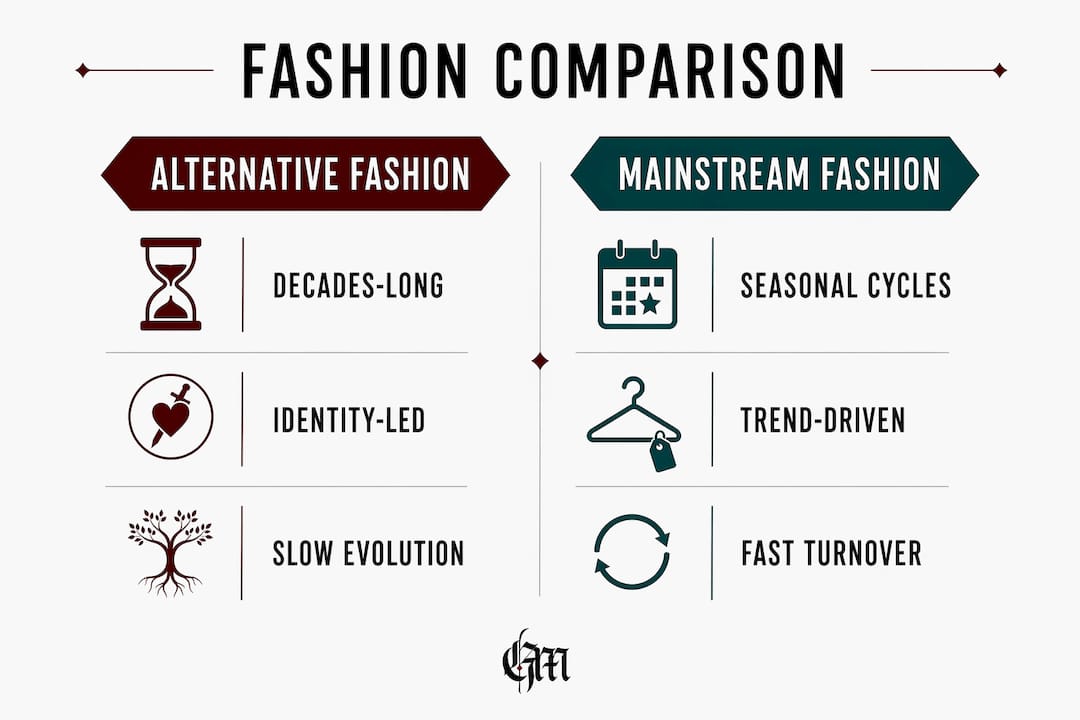
Alternative fashion is identity-led, culture-driven, and expressive. It does not change seasonally. It evolves slowly over decades, shaped by subcultures rather than fashion weeks or celebrity endorsements. That’s the core distinction most people miss when they first encounter the term.
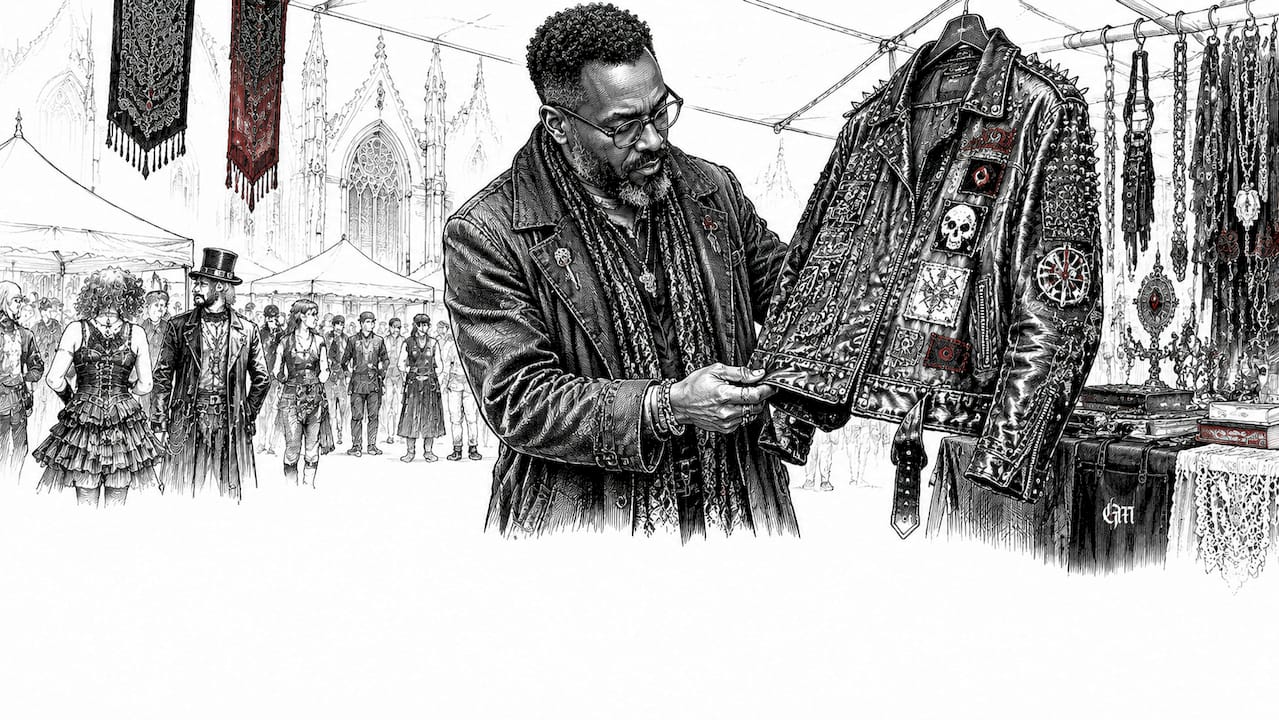
Mainstream fashion operates on a seasonal calendar. Brands like Zara and H&M push new collections every few weeks, chasing trend reports and influencer cycles. Alt fashion moves on a completely different timeline. A goth aesthetic that took shape in the early 1980s post-punk scene is still recognizable and relevant today, refined rather than replaced.
Alt fashion offers longevity and authenticity over fleeting commercial trends. That longevity is the point. When you invest in a piece that reflects who you are, it doesn’t expire at the end of the season.
The table below shows the clearest differences between the two approaches:
| Factor | Alternative Fashion | Mainstream Fashion |
|---|---|---|
| Trend cycle | Decades-long evolution | Seasonal, 4–8 weeks |
| Primary driver | Subcultural identity | Commercial trend forecasting |
| Production model | Niche, independent, thrifted | Mass production, fast fashion |
| Style goal | Personal storytelling | Mass appeal |
| Longevity | High | Low to moderate |
Designers like Marques’Almeida and Coperni occasionally produce statement pieces that blur the line between alt and high fashion. But even those crossovers work because they carry a point of view, not because they follow a trend report.
What are the main alternative clothing subcultures?
Alternative fashion is not a single aesthetic. It’s an umbrella term covering multiple subcultures, each with its own visual language, music roots, and community codes. Understanding the major ones helps you figure out where your own style instincts actually land.
Here are the most established types of alternative fashion and what defines each:
-
Goth: Rooted in the post-punk music scene of the late 1970s and early 1980s, goth fashion centers on black clothing, Victorian silhouettes, dark romanticism, and occult imagery. Bands like Siouxsie and the Banshees and Bauhaus shaped the original aesthetic. Today it spans multiple gothic fashion types, from traditional goth to nu-goth and pastel goth.
-
Punk: Punk fashion emerged from the mid-1970s UK music scene and is defined by ripped clothing, leather jackets, band tees, safety pins, and a deliberate anti-establishment visual attitude. The Sex Pistols and The Clash were as much a fashion influence as a musical one.
-
Emo: Emo style grew out of the emotional hardcore music scene of the 1990s and 2000s. Skinny jeans, band merch, dark eyeliner, and layered hoodies are the visual signatures. Artists like My Chemical Romance and Fall Out Boy shaped the look as much as the sound.
-
Cottagecore and Whimsigoth: These newer subcultures blend nature-inspired motifs with darker or more romantic undertones. Whimsigoth specifically fuses celestial imagery, dark florals, and quality fabrics into something that feels both timeless and distinctly alternative.
-
Cybergoth and Glitch Goth: These styles pull from digital culture, rave aesthetics, and futurism. Neon accents, industrial textures, and tech-influenced silhouettes define the look.
Music and community are the connective tissue across all of these. Alt fashion choices reflect belonging and identity storytelling beyond mainstream norms. You’re not just wearing a style. You’re signaling which world you belong to.
What are the biggest alternative fashion trends in 2026?
Two movements are defining alt fashion in 2026: Glitch Goth and Whimsigoth. Both are responses to the cultural moment, not just aesthetic experiments.
Glitch Goth is the more radical of the two. Glitch Goth evokes themes of cyberfeminism and artisanal craft as a direct reaction to algorithmic feeds and sleek mainstream fashion. The aesthetic blends corrupted digital imagery with handmade, tactile elements. Think distorted prints, raw-edged fabrics, and silhouettes that look like they’ve been glitched through a screen. It’s a style that insists on human presence in an increasingly automated world.
Glitch Goth signals a new type of alt fashion that responds imaginatively to an AI-driven world, maintaining human agency through style. That framing matters. This isn’t shock value for its own sake. It’s a coherent cultural argument made through clothing.
Whimsigoth takes a softer but equally deliberate approach. Whimsigoth emphasizes timelessness, quality fabrics, and layering, moving beyond 90s nostalgia to a sophisticated evolution in alt fashion. Celestial motifs, dark florals, velvet textures, and flowing silhouettes define the look. It’s romantic without being costume-like, and dark without being aggressive.
Both trends reflect a broader shift in alt fashion. The move toward authentic expression over shock value is the defining characteristic of 2026 alt style. Consumers are building looks that last, not looks that provoke.
“The most compelling alt fashion in 2026 isn’t trying to disturb anyone. It’s trying to say something true.” This shift from rebellion to authenticity is what separates the current moment from earlier alt fashion waves.
Pro Tip: If you’re drawn to Glitch Goth, start with one corrupted or distorted print piece and build around it with solid dark basics. The aesthetic works best when one element carries the concept and the rest of the outfit supports it without competing.
You can track how these 2026 subculture trends are shaping actual product offerings to see which pieces are gaining traction in the community right now.
How do you build an authentic alternative wardrobe?
Building an alternative wardrobe successfully requires focus on authentic identity and personal storytelling rather than copying aesthetics. The biggest mistake new alt fashion enthusiasts make is assembling a look that reads as costume rather than character. The difference is internal coherence. Every piece should connect to something real about you.
Here’s a practical approach to building your wardrobe with intention:
-
Define your subcultural anchor. Pick one or two subcultures that genuinely resonate with you. Goth, punk, emo, Whimsigoth, and Glitch Goth all have distinct visual languages. Knowing your anchor prevents you from assembling a random collection of dark clothing with no through-line.
-
Build a dark basics foundation. Black jeans, structured boots, a quality leather or faux-leather jacket, and a few plain dark tees give you a base that works across most alt aesthetics. These are your neutral layer.
-
Add statement pieces deliberately. One strong piece per outfit carries the identity signal. A hand-painted jacket, a Victorian-collar blouse, or a distorted-print dress does more work than five medium-effort pieces combined.
-
Source from thrift stores and independent brands. Thrift stores like Goodwill and Salvation Army are reliable sources for vintage pieces that mainstream retailers no longer carry. Independent brands and platforms that specialize in alt fashion offer curated options that mass-market stores simply don’t stock. Goth’s gothic wardrobe essentials guide is a useful reference for identifying which pieces anchor a genuine alt wardrobe.
-
Resist trend-chasing within alt fashion. Alt fashion has its own micro-trends. Chasing each one produces the same problem as chasing mainstream trends: a wardrobe full of things that don’t connect. Build slowly and with purpose.
Pro Tip: The alternative capsule wardrobe concept works differently from minimalist capsule wardrobes. Instead of neutral versatility, you’re building around a consistent identity. Every piece should be something you’d wear to a show, a gallery opening, or just a Tuesday, because it reflects who you actually are.
Alt fashion’s anti-club ethos focuses on clothing that resonates personally and tells a story rather than following trends. That ethos is the practical guide. If a piece doesn’t tell your story, it doesn’t belong in the wardrobe.
Key takeaways
Alternative clothing is identity-led fashion rooted in subcultures like goth, punk, and emo, and it evolves over decades rather than seasons.
| Point | Details |
|---|---|
| Core definition | Alt clothing exists outside mainstream trends, driven by subcultural identity and personal expression. |
| Alt vs. mainstream | Mainstream fashion changes seasonally; alt fashion evolves slowly over decades with cultural depth. |
| 2026 key trends | Glitch Goth and Whimsigoth are the defining alt movements, responding to AI culture and dark romanticism. |
| Wardrobe building | Start with dark basics, add deliberate statement pieces, and source from thrift stores and niche brands. |
| Authenticity rule | Copying aesthetics produces costume-like results; genuine alt style comes from personal storytelling. |
Why alternative clothing matters more than people realize
I’ve spent years watching alt fashion get dismissed as a phase or a costume. That framing misses what’s actually happening. Alt fashion is one of the few spaces in modern culture where the clothes are doing real communicative work. They’re not signaling status or trend awareness. They’re signaling values, community, and a specific relationship with the world.
What strikes me most about the 2026 moment is how the conversation has matured. Glitch Goth isn’t trying to shock anyone. Whimsigoth isn’t trying to be edgy. Both are making a quieter, more confident argument: that personal style is a form of agency, especially when algorithmic culture is constantly trying to flatten individual expression into something more commercially legible.
The readers I find most interesting in this space aren’t the ones who want to look alternative. They’re the ones who have something to say and are figuring out how clothing can say it. That’s a fundamentally different starting point, and it produces fundamentally different results. A guide to alternative lifestyle fashion can point you toward the right pieces, but the real work is internal. Figure out what you actually believe, and the wardrobe follows.
Alt fashion is also quietly becoming one of the more sustainable approaches to dressing. Thrift sourcing, slow evolution, and investment in quality pieces over trend-driven volume all point in the same direction. That’s not a coincidence. It’s what happens when you build a wardrobe around identity instead of trend cycles.
— Rey
Find your alt style at Goth market
Goth is an online marketplace built specifically for the alternative, gothic, and dark subculture communities. If you’ve been figuring out what your alt style actually looks like, Goth offers a curated selection of gothic clothing, occult accessories, and dark aesthetic pieces that you won’t find in mainstream retail.
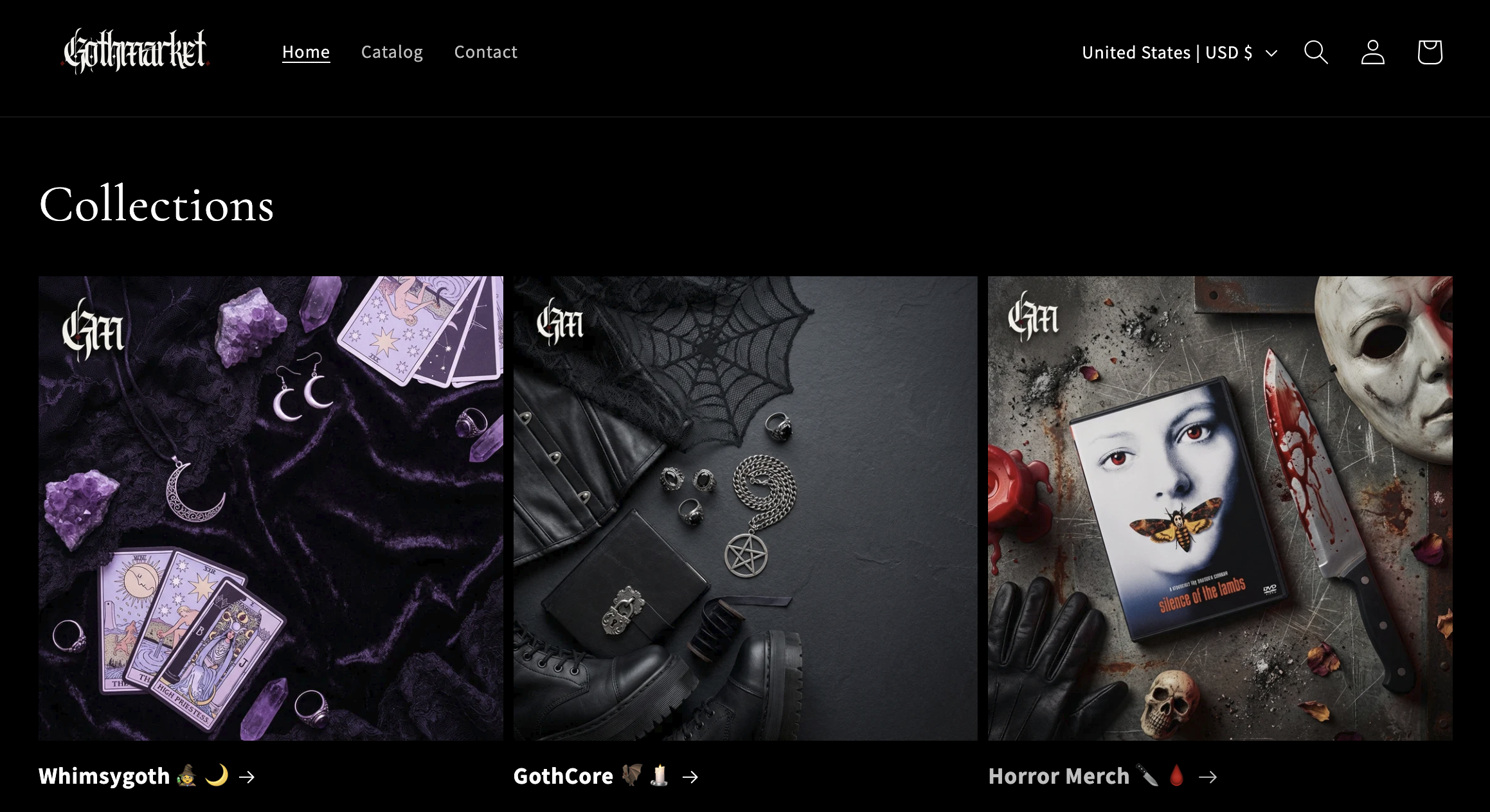
Every product on Goth comes from independent creators and vendors who are part of the same communities you’re exploring. That means the pieces carry genuine subcultural context, not just a dark color palette. Whether you’re drawn to traditional goth, Glitch Goth, Whimsigoth, or something in between, Goth’s catalog reflects the full range of alternative aesthetics in one place. Browse the marketplace at goth.market and start building a wardrobe that actually means something.
FAQ
What defines alternative clothing?
Alternative clothing is defined as fashion rooted in subcultures, music scenes, or artistic movements that exists outside mainstream seasonal trends. It prioritizes personal identity and self-expression over commercial trend cycles.
What are the main types of alternative fashion?
The main types include goth, punk, emo, Whimsigoth, Glitch Goth, and cybergoth, each shaped by distinct music communities and visual codes. Each subculture has its own recognizable aesthetic language and community identity.
Where can you buy alternative clothing?
Alt clothing is available through thrift stores like Goodwill, independent online brands, and curated marketplaces like Goth that specialize in dark and alternative aesthetics. These sources offer pieces that mainstream retailers don’t carry.
Is alternative clothing sustainable?
Alt fashion is generally more sustainable than mainstream fashion because it relies on thrift sourcing, slow trend evolution, and investment in quality pieces rather than high-volume seasonal production. The identity-led approach naturally reduces disposable consumption.
What is glitch Goth?
Glitch Goth is a 2026 alt fashion trend that blends corrupted digital imagery with handmade, tactile elements as a response to AI culture and algorithmic mainstream fashion. It emphasizes human agency and artisanal craft within a futuristic aesthetic framework.