

Explore types of gothic fashion and find your style
Finding a gothic fashion style that truly reflects your personality can feel overwhelming. With numerous substyles ranging from Victorian elegance to futuristic cyber aesthetics, the goth community offers far more than stereotypical black clothing. This guide breaks down key gothic fashion types, selection criteria, and practical tips to help you identify and embrace the goth aesthetic that resonates with your identity and lifestyle.
Table of Contents
- Selection Criteria For Choosing Your Gothic Fashion Style
- Overview Of Key Gothic Fashion Types
- Comparison Of Key Gothic Fashion Types
- The Role Of Independent Creators And The Gothic Marketplace
- Mixing And Matching Gothic Styles For A Personalized Look
- Situational Recommendations: Choosing The Right Goth Style For You
- Find Your Gothic Style With Curated Fashion And Accessories
- Frequently Asked Questions
Key takeaways
| Point | Details |
|---|---|
| Gothic fashion diversity | Multiple distinct substyles exist beyond traditional black attire, each with unique aesthetics and cultural roots. |
| Selection involves multiple factors | Choose based on aesthetics, cultural alignment, material comfort, budget, and personal expression goals. |
| Modern alternatives available | Romantic goth offers Victorian elegance while nu goth fuses streetwear with dark aesthetics for accessible styling. |
| Independent creators matter | Niche marketplaces connect consumers with authentic, handcrafted gothic pieces from alternative lifestyle artisans. |
| Mixing styles works | Thoughtfully combining compatible goth elements creates personalized looks while respecting subcultural authenticity. |
Selection criteria for choosing your gothic fashion style
Choosing the right gothic fashion style requires more than loving dark colors. Your selection should align with your aesthetic preferences, daily lifestyle, and the cultural meaning you want to express. Gothic fashion selection involves aesthetics, cultural alignment, material comfort, and price accessibility, making it essential to evaluate multiple factors before committing to a specific substyle.
Start by considering which visual elements speak to you most. Do flowing Victorian fabrics appeal more than structured leather jackets? Are you drawn to occult symbolism or futuristic industrial designs? Understanding why choose gothic style helps clarify your motivations and aesthetic priorities. Your choice should feel authentic rather than forced.
Material comfort and wearability matter significantly for daily wear. Velvet and lace require more care than cotton blends, while PVC pieces suit club environments better than office settings. Consider your climate, activity level, and maintenance willingness when selecting fabrics and construction styles.
Music and subcultural connections add authenticity to your gothic identity. Traditional goth ties closely to gothic rock bands, while cyber goth connects with industrial music scenes. Understanding these cultural roots helps you engage meaningfully with goth communities rather than treating the style as pure fashion.
Budget and accessibility also shape realistic choices. Some substyles require expensive custom pieces or hard to find vintage items, while others work with affordable streetwear basics. Independent creator marketplaces often provide middle ground options that balance uniqueness with reasonable pricing.
Pro Tip: Start with one core gothic substyle and gradually incorporate elements from complementary styles as you develop confidence and understanding of what works for your body and lifestyle.
Overview of key gothic fashion types
Gothic fashion encompasses several major substyles, each with distinct visual signatures and cultural histories. Understanding these core types helps you identify which aesthetic resonates most with your personal taste and lifestyle goals.
Traditional goth remains the foundation of gothic fashion. Traditional goth is rooted in 1980s gothic rock with black flowing clothes and dramatic makeup, featuring platform boots, fishnet stockings, and band merchandise. This style emerged alongside post punk music and maintains strong ties to the original goth subculture. Expect lots of black, silver jewelry, and dramatic eye makeup that channels bands like Siouxsie and the Banshees.
Nu goth offers a modern interpretation perfect for fashion forward enthusiasts. Nu Goth blends traditional goth with modern streetwear emphasizing fashion over music, incorporating crop tops, leggings, and minimalist accessories. This accessible style works well for everyday wear and social media expression. Nu goth typically features geometric patterns, pentagram motifs, and sleek silhouettes that feel contemporary rather than costume like.
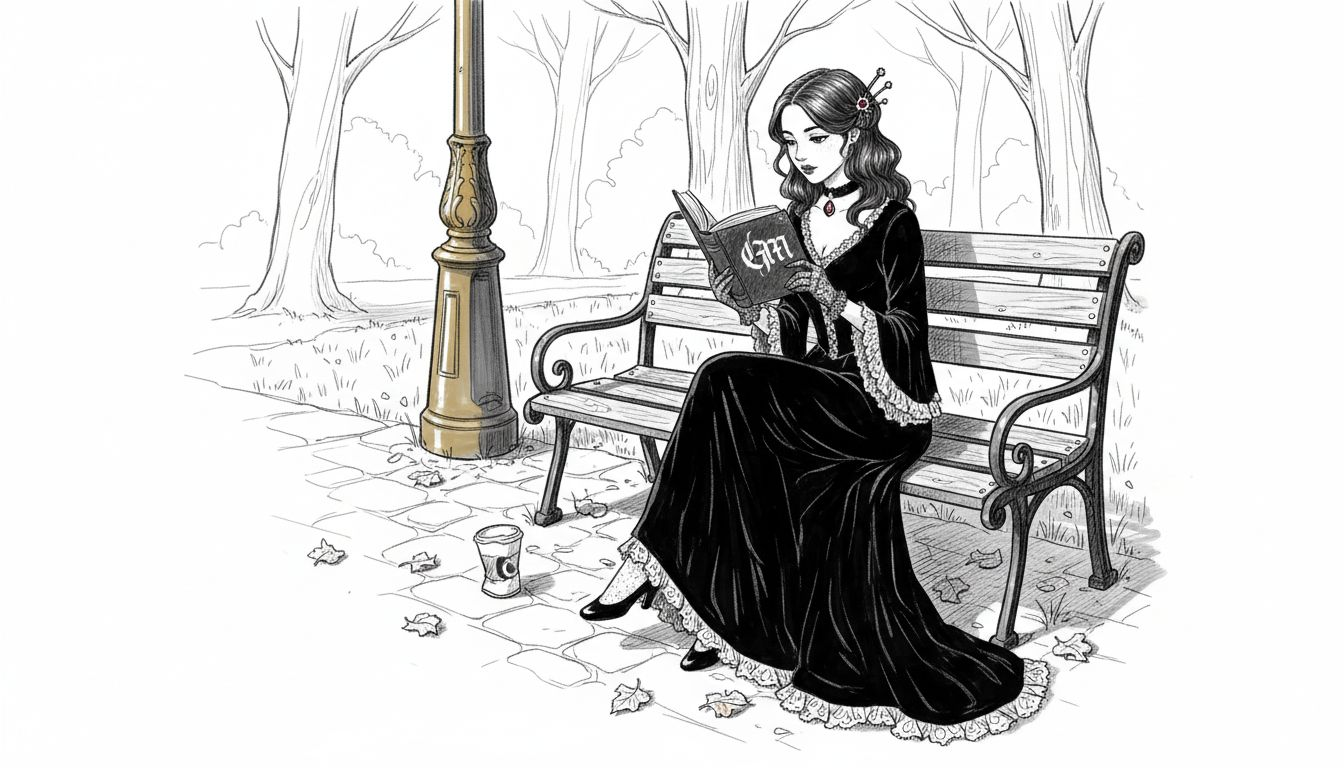
Romantic goth appeals to those drawn to Victorian era elegance and mystical aesthetics. Romantic Goth draws on Victorian fashion with lace, corsets, and mystical motifs, creating looks that feel both historical and otherworldly. This substyle overlaps significantly with witchy fashion, incorporating flowing skirts, velvet capes, and occult jewelry. Romantic goth suits formal occasions and those who appreciate elaborate, feminine styling with gothic undertones.
Cyber goth takes gothic fashion into futuristic territory with industrial influences. Expect neon color accents, PVC materials, platform boots with UV reactive elements, and synthetic hair extensions. This club oriented style connects with electronic body music and industrial dance scenes. Cyber goth works best for nightlife and events rather than daily casual wear.
Pastel goth blends soft colors with traditional gothic motifs for a playful twist. Think lavender hair, pink platform shoes, and pastel clothing featuring skulls, crosses, and occult symbols. This youthful substyle gained popularity through social media and appeals to those wanting gothic aesthetics without complete darkness. The gothic fashion styling guide offers additional insights on implementing these diverse looks.
Comparison of key gothic fashion types
Understanding how gothic substyles differ and overlap helps you make informed choices about which elements to incorporate into your personal aesthetic. This comparison highlights key distinctions in materials, cultural contexts, and visual presentation.
| Style | Primary Colors | Key Materials | Footwear | Cultural Links | Occasion Fit |
|---|---|---|---|---|---|
| Traditional Goth | Black, burgundy, purple | Velvet, leather, lace | Platform boots, creepers | Gothic rock, post punk | Concerts, clubs, daily |
| Nu Goth | Black, white | Cotton blends, synthetic | Chunky boots, sneakers | Fashion blogs, streetwear | Daily wear, casual events |
| Romantic Goth | Black, deep red, ivory | Velvet, lace, brocade | Victorian boots, heels | Victorian era, witchcraft | Formal events, photography |
| Cyber Goth | Black with neon accents | PVC, latex, synthetic | UV platform boots | Industrial music, raves | Clubs, festivals |
| Pastel Goth | Pastels with black | Cotton, synthetics | Platform sneakers | Social media, kawaii | Casual daily, conventions |
Visual differences between substyles become most apparent in color palettes and fabric choices. Traditional and romantic goth favor natural fibers and rich textures, while cyber and nu goth embrace synthetic materials for their modern aesthetic. Cyber Goth and Traditional Goth differ notably in footwear choice and cultural associations, with cyber goth emphasizing futuristic platforms versus traditional goth’s classic leather boots.
Cultural connections vary significantly across gothic substyles. Traditional goth maintains strong ties to 1980s music scenes and requires understanding of band history for full community acceptance. Nu goth and pastel goth connect more to contemporary fashion movements and social media culture, making them more accessible to newcomers.
Stylistic overlaps exist especially between related substyles. Romantic Goth overlaps with witchy fashion incorporating flowing fabrics and occult jewelry, creating natural bridges between these aesthetics. Similarly, traditional and nu goth share foundational black color schemes despite different styling approaches. Understanding these connections helps when mixing elements from multiple substyles.
Material choices directly impact wearability and occasion appropriateness. PVC and latex work wonderfully for club environments but feel uncomfortable for extended daily wear. Velvet and brocade create stunning formal looks but require careful maintenance and climate consideration. Cotton based nu goth pieces offer the most versatility for everyday situations.
Exploring goth home decor dark style and role art gothic style modern impact reveals how these aesthetic principles extend beyond clothing into lifestyle expression.
Pro Tip: Choose your foundational substyle based on which materials and colors you naturally gravitate toward, then add complementary elements from other gothic types to create depth and personal flair.
The role of independent creators and the gothic marketplace
Independent designers and specialized marketplaces play a crucial role in preserving authentic gothic fashion beyond mass produced alternatives. These creators bring unique perspectives, handcrafted quality, and subcultural knowledge that major retailers cannot replicate.
Independent creators and Goth.Market foster unique, witchy, and occult gothic styles with accessible pricing and authentic craftsmanship. Small batch production ensures attention to detail and allows for customization that mass market brands avoid. Many independent gothic fashion creators are themselves active community members who understand the cultural significance behind design choices.
Niche marketplaces connect alternative lifestyle enthusiasts with creators who share their aesthetic values. These platforms curate collections emphasizing dark, occult, and witchy themes while maintaining quality standards. Unlike generic online retailers, specialized gothic marketplaces understand subcultural nuances and prioritize authenticity over trend chasing.
This creator ecosystem offers several advantages for gothic fashion consumers:
- Access to one of a kind pieces that ensure your look stands out from mainstream interpretations
- Direct support for artists and small businesses within the alternative community
- Customization options that accommodate different body types and style preferences
- Educational resources about gothic fashion history and cultural context
- Community connections with other enthusiasts who share your aesthetic interests
Pricing through independent creators varies widely but often proves more accessible than assumed. While some custom corsets or elaborate pieces command premium prices, many creators offer affordable accessories and basics that compete with mass market pricing. The investment often delivers better quality and longer lasting pieces than fast fashion alternatives.
The community role in goth markets extends beyond transactions to cultural preservation and knowledge sharing. These spaces foster dialogue about gothic aesthetics, subcultural history, and ethical fashion practices. Engaging with goth marketplace and creators helps you develop a more informed and authentic approach to gothic styling.
Mixing and matching gothic styles for a personalized look
Creating a personalized gothic aesthetic often involves thoughtfully combining elements from multiple substyles. This approach lets you express individuality while respecting the cultural foundations of goth fashion.
Many goth enthusiasts creatively blend romantic, punk, and modern goth elements to personalize style. Successful mixing requires understanding which combinations create visual coherence versus chaotic confusion. The key lies in identifying complementary elements that share common threads despite coming from different gothic traditions.
Follow these guidelines for effective gothic style mixing:
- Start with one dominant substyle as your foundation, then add accent pieces from complementary types rather than trying to balance multiple styles equally.
- Maintain color coherence by limiting your palette to three or four main colors that appear consistently across your mixed elements.
- Choose materials that share similar weight and texture profiles to create visual unity even when combining different style sources.
- Use accessories as your primary mixing tool since jewelry, bags, and small items integrate more easily than major clothing pieces from conflicting substyles.
- Consider the cultural context of elements you combine to avoid mixing styles with contradictory subcultural meanings or historical tensions.
Respecting goth culture authenticity matters when mixing styles. Avoid treating gothic fashion as costume or combining elements purely for shock value without understanding their significance. Engagement with goth communities, music, and history demonstrates genuine interest rather than superficial appropriation.
Layering provides an excellent technique for unifying mixed gothic elements. A romantic goth lace blouse can pair with nu goth leggings when bridged by a traditional goth leather jacket. The layering creates visual transitions that help disparate pieces feel intentionally combined rather than randomly assembled.
Accessories tie together diverse elements more effectively than any other wardrobe component. A statement necklace, distinctive belt, or signature bag can unify an outfit mixing romantic and cyber goth pieces. Accessories also allow easy experimentation without major wardrobe investments. The goth style blending tips resource offers additional practical guidance.
Pro Tip: Photograph your experimental mixed looks to evaluate visual coherence objectively, as outfits often appear different in photos than mirrors, helping you refine your personal gothic aesthetic.
Situational recommendations: choosing the right goth style for you
Your ideal gothic fashion substyle depends on personality traits, lifestyle demands, and aesthetic goals. These situational recommendations help match you with the most compatible goth type.
Pastel Goth suits playful, social media savvy youth; Traditional Goth fits purists; Romantic Goth appeals to lovers of Victorian and witchy aesthetics; Cyber Goth is ideal for futuristic, club oriented fans. Understanding these alignments prevents choosing a style that conflicts with your actual life circumstances.
Consider these scenarios when selecting your primary gothic substyle:
- Choose pastel goth if you want youthful, approachable dark aesthetics that work well for social media content creation and casual social settings while maintaining gothic identity.
- Select traditional goth when you deeply connect with gothic rock music history and want to participate authentically in original goth subculture communities and events.
- Embrace romantic goth if you love Victorian era fashion, enjoy elaborate styling routines, and appreciate the mystical witchy aesthetic that bridges historical and occult interests.
- Adopt cyber goth when you frequent clubs and electronic music events, enjoy futuristic aesthetics, and want a style that stands out dramatically in nightlife environments.
- Try nu goth for maximum daily wearability, especially if you need gothic fashion that functions in diverse settings from casual outings to semi professional environments.
Your body type and personal comfort also influence ideal style selection. Romantic goth’s corsets and structured pieces suit those who enjoy fitted garments, while nu goth’s relaxed silhouettes offer comfort focused alternatives. Climate considerations matter too, as cyber goth’s synthetic materials trap heat while traditional goth’s layered looks suit cooler environments.
Community fit should factor into your decision. Research local goth scenes to understand which substyles have active representation in your area. Choosing a style with existing community support provides mentorship opportunities and social connections that enrich your gothic fashion journey. Understanding choosing goth style contextualizes these practical considerations.
Lifestyle sustainability determines long term style success. A substyle requiring extensive daily preparation may not suit busy schedules, while low maintenance options like nu goth adapt better to demanding lifestyles. Budget sustainability also matters, as some substyles demand ongoing investments in specialized pieces versus others built on adaptable basics.
Find your gothic style with curated fashion and accessories
Ready to transform your gothic fashion knowledge into reality? Explore carefully curated collections that bring authentic dark aesthetics to life through unique pieces from independent creators who understand alternative lifestyle expression.
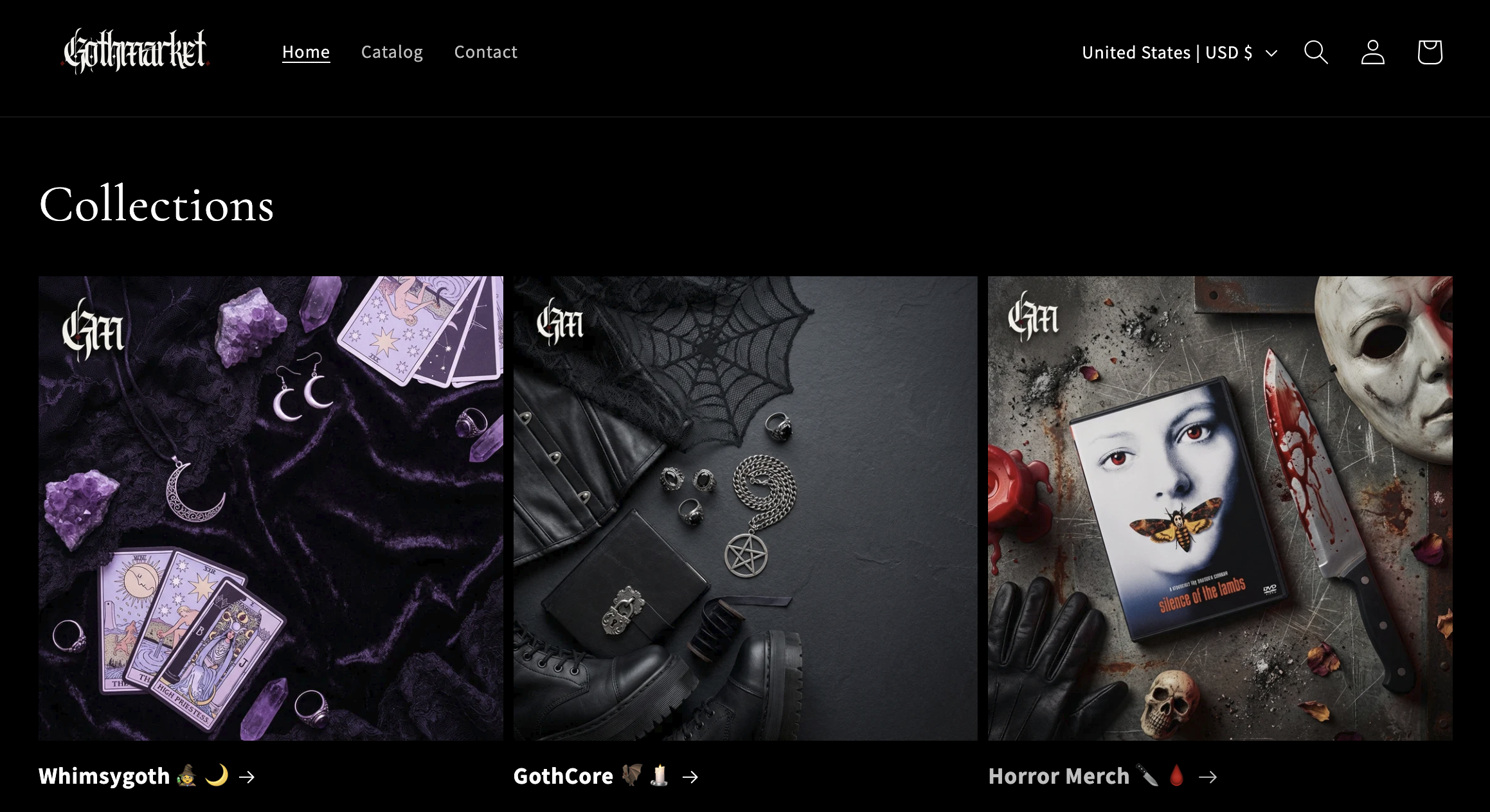
Discover comprehensive styling guidance through our gothic fashion styling guide that helps you put together cohesive looks reflecting your chosen substyle. From romantic Victorian inspired pieces to modern streetwear fusion, you will find inspiration and practical advice for building your gothic wardrobe.
Browse unique witchy gothic accessories featuring occult symbols, mystical motifs, and handcrafted details that add authentic gothic flair to any outfit. These carefully selected pieces bridge romantic and traditional goth aesthetics while supporting independent artisans.
Complete your look with statement pieces from our dark aesthetic jewelry collection, offering everything from delicate occult pendants to bold architectural designs. Each piece helps you express your unique gothic identity while connecting with a community that celebrates dark beauty and alternative expression.
Frequently asked questions
What is gothic fashion and its main characteristics?
Gothic fashion is a subculture style featuring predominantly dark color palettes, dramatic makeup, and aesthetic influences from punk rock, Victorian era clothing, and occult symbolism. The style emphasizes individuality, artistic expression, and connection to gothic music and cultural movements. Key characteristics include black clothing, silver jewelry, platform boots, and dramatic styling that channels dark romanticism.
How can I choose the right gothic style for my personality?
Consider which gothic aesthetics naturally appeal to you, evaluate material comfort for your climate and lifestyle, and assess which subcultural communities you want to engage with authentically. Start by exploring different substyles through online resources and local goth events to see what resonates. Your ideal style should feel authentic rather than forced, balance practical wearability with aesthetic goals, and align with your budget and maintenance willingness.
What role do independent creators play in gothic fashion?
Independent creators bring unique, handcrafted gothic fashion pieces that preserve subculture authenticity beyond mass produced alternatives from mainstream retailers. These artisans often participate actively in goth communities and understand cultural significance behind design choices. Supporting independent creators ensures access to one of a kind items, allows for customization options, and helps sustain the alternative fashion ecosystem that keeps gothic style diverse and culturally grounded.
Can I mix different gothic styles when creating my look?
Yes, thoughtfully mixing compatible goth styles is encouraged and helps craft personalized looks that express your unique identity within gothic culture. Start with one dominant substyle as your foundation, then add complementary accent pieces that share color or material coherence. Use accessories to bridge different style elements and maintain cultural respect by understanding the significance of elements you combine rather than treating gothic fashion as pure costume.