

Alternative Subculture Trends 2026: What's Defining the Scene
TL;DR:
- In 2026, alternative subcultures emphasize offline community building and authenticity through physical presence. Movements like Glitch Goth, cyberdecking, and Acubi reject algorithmic uniformity and prioritize human craft, symbolism, and intentionality. These trends reflect a broader shift toward meaningful engagement and resistance to digital homogenization.
Alternative subculture trends in 2026 are defined by a deliberate rejection of algorithmic uniformity, with movements like Glitch Goth, Acubi, cyberdecking, offline community formation, and intuitive wellness reshaping how young people express identity. These are not micro-trends born from a single viral moment. They are sustained cultural responses to tech saturation, AI-generated aesthetics, and the burnout that comes from performing identity online. If you want to understand where alternative culture is actually heading, these five movements are the ones worth tracking.
1. Alternative subculture trends 2026: the offline revolt
The most structurally significant shift in 2026 subculture movements is the move away from social media as the primary site of cultural formation. Subcultures are moving offline as a strategic response to engagement fatigue and the aesthetic homogenization that algorithmic platforms produce. When every feed surfaces the same trends to the same users, distinctiveness collapses. The result is a generation actively choosing presence over visibility.
This shift shows up in specific, observable ways:
- Pop-up events and invitation-based gatherings replace public social media announcements
- Underground music scenes prioritize physical attendance over streaming numbers
- Zine culture, analog photography, and handmade goods circulate through in-person networks
- Curated community spaces reward participation, not follower counts
The cultural logic here is straightforward. Offline subcultures rebuild value through direct human attention rather than algorithmic recommendation. Scarcity and access replace virality as the currency of subcultural credibility. A show you had to know about carries more weight than a trend that appeared in your For You page.
This also connects to the broader offline living trend documented by Holr Magazine, which frames digital detoxes, screen-free routines, and analog hobbies as lifestyle practices gaining serious traction in 2026. The subculture version of this is more intentional. It is not just putting the phone down. It is building community structures that do not depend on platforms at all.
Pro Tip: If you want to connect with offline subculture communities, look for local zine fairs, independent venue mailing lists, and Discord servers that organize physical meetups rather than purely digital engagement.
2. What is Glitch Goth and why does it define alternative fashion 2026?
Glitch Goth is the most visually distinctive of the 2026 underground trends, and it carries more cultural weight than its aesthetic surface suggests. Teen Vogue describes Glitch Goth as a post-AI anti-aesthetic that merges futuristic tech imagery with mystical and cyberfeminist cultural elements. The core visual language includes corrupted digital textures, distorted typography, iridescent fabrics, occult symbolism, and deliberately broken or glitched design elements. It looks like a system error wearing a ritual robe.
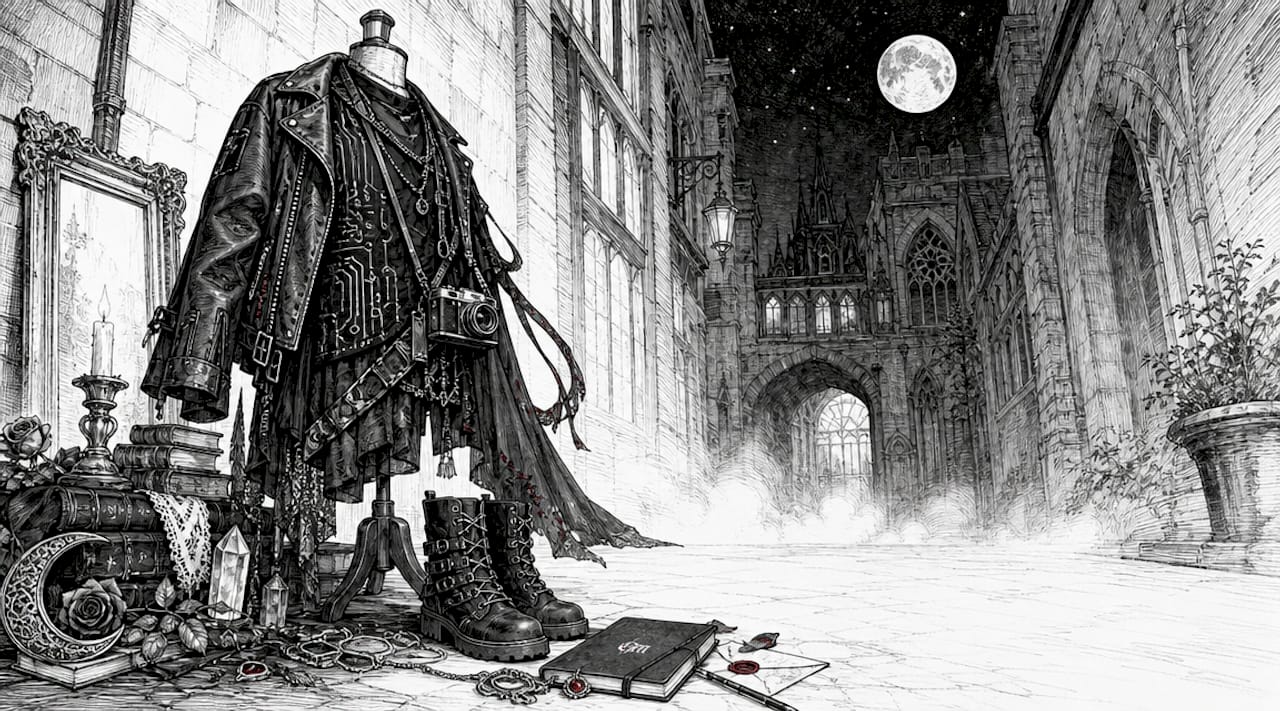
The cultural roots matter as much as the visual components. Cyberfeminism, the 1990s movement that theorized women’s relationship to technology as both liberatory and contested, provides the ideological backbone. Cyberfeminist themes now actively shape alternative fashion retail and product design in 2026, blending ancient mythos with tech aesthetics in ways that feel genuinely new. Glitch Goth is not nostalgia. It is a critique wearing a costume.
Key style features include:
- Corrupted or glitched graphic prints on dark base garments
- Iridescent, holographic, or UV-reactive fabrics layered with matte black
- Occult and sigil-based jewelry mixed with circuit-board or tech-inspired hardware
- Asymmetrical cuts and intentionally distressed or “broken” construction
- Heavy boots, platform soles, and accessories that reference both gothic and cyberpunk traditions
Glitch Goth transcends fashion by embodying a cultural desire for mythic meaning in a world where AI generates images faster than humans can assign significance to them. That is the real tension it names. You can explore how this aesthetic connects to goth’s role in modern fashion for a deeper breakdown of its retail and style impact.
Pro Tip: Building a Glitch Goth wardrobe does not require buying everything new. Start with a base of dark, structured pieces and add iridescent or glitched-print accessories to signal the aesthetic without overspending.
3. How Acubi is shaping Gen Z street style
Acubi is the 2026 subculture style that looks effortless but requires genuine understanding of proportion and mood. Originating in Korean streetwear culture and amplified by K-pop idols and styling videos, Acubi has accumulated over 420 million TikTok views as Gen Z gravitates toward its muted palette and relaxed, layered silhouettes. It blends Y2K references, soft grunge textures, and minimalist restraint into something that reads as intentionally nonchalant.
What separates Acubi from faster internet aesthetics is its durability. The look does not depend on a single hero piece or a trending color. Acubi’s visual cohesion relies on silhouette and mood contrast rather than color matching, which makes it flexible across body types, budgets, and gender expressions. That gender neutrality is central to its appeal for future youth cultures navigating identity outside binary fashion categories.
Practical Acubi style elements to work with:
- Muted, desaturated colors: cream, gray, dusty rose, washed black, olive
- Layered silhouettes that mix fitted underlayers with oversized outer pieces
- Contrast between relaxed proportions and one structured or tailored item
- Vintage-adjacent accessories: worn leather bags, simple silver jewelry, low-profile sneakers
- Fabrics that look lived-in rather than pristine
Pro Tip: The key challenge in Acubi is balancing fitted and loose layers within a muted palette. Anchor the outfit with one fitted piece, then build outward with relaxed proportions to avoid looking shapeless rather than intentional.
4. What is cyberdecking and how does it express anti-AI identity?
Cyberdecking is the 2026 underground trend that turns your computer into a statement. NDTV documents cyberdecking as a Gen Z DIY tech movement where participants build or modify portable computers with eccentric, imperfect, and highly personalized designs that reject the polished uniformity of mainstream devices like MacBooks or Surface tablets. The name comes from the “cyberdecks” of William Gibson’s Neuromancer and the broader cyberpunk tradition of hacking hardware to fit the user rather than the market.
The anti-AI motivation is explicit. When AI tools generate code, images, and text at scale, the act of building something physically imperfect and personally assembled becomes a form of resistance. Cyberdeck enclosures act as cultural badges. Their visible imperfection signals membership in a subcultural identity centered on DIY aesthetics and human craft over machine output.
What a cyberdeck typically involves:
- Custom or repurposed computer cases, often 3D-printed or hand-fabricated
- Mechanical keyboards with unusual switch types, keycap sets, or layouts
- Raspberry Pi or similar single-board computers running custom operating systems
- Exposed components, visible wiring, or intentionally unfinished surfaces
- Portable form factors designed for use in public spaces as identity signals
The community aspect matters. Cyberdeckers share builds on Reddit’s r/cyberDeck and across niche Discord servers, where the quality of a build is judged by its personality and ingenuity rather than its specs. This is tech as subculture, not tech as productivity.
Pro Tip: You do not need advanced electronics skills to start cyberdecking. A Raspberry Pi 400, a custom keycap set, and a hand-fabricated case from laser-cut acrylic is enough to produce a recognizable build and enter the community.
5. Wellness and lifestyle trends emerging in alternative subcultures
The wellness dimension of 2026 alternative subculture trends is less about green juice and more about nervous system repair. Gen Z’s burnout drives experiential wellness trends that prioritize calm, focus, and emotional balance over aesthetic-driven practices. The influencer wellness model, built on visible routines and aspirational products, is losing credibility with the same generation it was designed to attract.
Functional mushrooms represent the most concrete market signal in this space. The functional mushroom market grew from $35 billion in 2025, with Gen Z adopting lion’s mane, reishi, and chaga for cognitive support and emotional regulation rather than as trend accessories. This is not casual supplementation. Functional mushroom use integrates with lifestyle rituals aimed at long-term nervous system health, which aligns directly with the anti-performance culture running through 2026 alternative subcultures.
Intuitive living, the practice of making daily decisions based on internal signals rather than external optimization frameworks, sits alongside mushroom use as a defining wellness orientation. VICE notes expert cautions about the mental health implications of fully rejecting structured routines, which is worth taking seriously. The most grounded version of intuitive living is not about abandoning discipline. It is about replacing performance-based discipline with self-directed rhythm.
Pro Tip: If you are exploring functional mushrooms, start with lion’s mane for cognitive support or reishi for sleep and stress. Look for products with third-party testing and clear dosage information rather than relying on brand marketing claims alone.
Key takeaways
Alternative subculture trends in 2026 are unified by a single principle: authenticity requires friction, and the most meaningful movements are the ones that resist the path of least algorithmic resistance.
| Point | Details |
|---|---|
| Offline formation is the defining shift | Subcultures in 2026 build credibility through physical presence and invitation-based access, not follower counts. |
| Glitch Goth leads alternative fashion 2026 | Its cyberfeminist roots and anti-AI symbolism make it the most culturally loaded aesthetic of the year. |
| Acubi offers durable, gender-neutral style | Silhouette and mood contrast make it adaptable across budgets and identities, unlike faster internet trends. |
| Cyberdecking turns tech into identity | DIY computer builds signal subcultural membership through intentional imperfection and human craft. |
| Wellness shifts toward nervous system health | Functional mushrooms and intuitive living replace aesthetic wellness with sustainable, experience-based routines. |
What I actually think about where alt culture is heading
The most important thing happening in alternative subcultures right now is not any single aesthetic. It is the return of stakes. When a subculture exists primarily online, anyone can claim membership by following the right accounts and buying the right pieces. When it moves offline, into invitation-based spaces and physical communities, membership requires showing up. That changes everything about how culture forms and who gets to shape it.
I find the cyberdecking movement particularly telling. The fact that Gen Z is building custom computers not because it is more efficient, but because the imperfection is the point, says something real about where youth culture is going. Efficiency has been the dominant value of tech culture for two decades. Cyberdecking rejects it in favor of expression. That is not a small thing.
Glitch Goth interests me for similar reasons. The gothic fashion checklist for 2026 is no longer just about black clothing and silver jewelry. It now includes a position on AI, on tech aesthetics, on what it means to look human in a world where machines generate images. That is a level of ideological depth that most mainstream fashion trends never reach.
My honest concern is that wellness trends get co-opted fastest. Functional mushrooms are already appearing in mass-market products that strip out the intentionality the subculture built around them. The same thing happened to mindfulness, to plant-based eating, and to every other practice that started in alternative communities and ended up in a Walmart aisle. The subculture version survives by staying specific and staying weird.
— Rey
Find your aesthetic at Goth

Goth curates the dark, the strange, and the genuinely alternative for people who are done settling for mass-market aesthetics. Whether you are building a Glitch Goth wardrobe from scratch or looking for occult jewelry that carries real symbolic weight, Goth connects you with independent creators who make things with intention. The best gothic fashion brands stocked through Goth reflect exactly the kind of anti-mainstream craftsmanship that defines 2026’s most vital subculture movements. Browse the full collection at Goth.Market and find pieces that mean something.
FAQ
What are alternative subcultures in 2026?
Alternative subcultures in 2026 are communities defined by shared aesthetics, values, and practices that deliberately resist mainstream and algorithm-driven culture, including movements like Glitch Goth, cyberdecking, and offline community formation.
What is Glitch Goth?
Glitch Goth is a post-AI anti-aesthetic combining corrupted digital visuals, cyberfeminist symbolism, and mystical imagery as a reaction to AI-generated uniformity in fashion and culture.
Why are subcultures going offline in 2026?
Subcultures are moving offline to escape algorithmic engagement fatigue and aesthetic homogenization, rebuilding cultural credibility through physical presence, scarcity, and invitation-based access rather than social media visibility.
What is Acubi fashion?
Acubi is a Korean-origin streetwear aesthetic defined by muted colors, layered silhouettes with relaxed proportions, and gender-neutral styling that blends Y2K references with soft grunge minimalism.
What is cyberdecking?
Cyberdecking is a Gen Z DIY tech movement involving custom-built portable computers with eccentric, imperfect designs that function as identity signals and acts of resistance against polished, AI-adjacent mainstream technology.