

How to sell art in gothic marketplaces: creator's guide
TL;DR:
- Gothic buyers value authentic handmade art that reflects subculture identity and personal craftsmanship.
- Building an online presence on niche dark marketplaces and engaging community channels boosts sales.
- Transparency, quality storytelling, and authentic engagement are key to long-term success.
Selling your artwork can feel painfully isolating when mainstream buyers scroll past your ravens, skulls, and shadow-drenched canvases without a second glance. Gothic marketplaces exist precisely to solve that problem. They connect independent creators with buyers who actively seek dark, handmade, and alternative art, people who see your aesthetic not as unusual but as exactly what they want on their walls or around their necks. This guide walks you through understanding the gothic art buyer, building a polished online presence, crafting listings that convert, promoting your work inside the community, and sidestepping the mistakes that trip up new sellers.
Table of Contents
- Understand the gothic art market and its audience
- Set up your gothic marketplace presence
- Create irresistible gothic listings that sell
- Promote your art and build a loyal gothic customer base
- Avoid common mistakes and resolve gothic marketplace challenges
- Why authenticity is your biggest asset in the gothic art world
- Start selling gothic art with dedicated tools and community
- Frequently asked questions
Key Takeaways
| Point | Details |
|---|---|
| Handmade wins trust | Gothic marketplaces value original, handmade art over mass-produced or AI-generated works. |
| Clear licensing matters | Always outline digital file rights and usage terms to avoid customer disputes and build trust. |
| Community boosts sales | Engaging with gothic subculture online and offline leads to a loyal, recurring customer base. |
| Curation is key | Well-crafted listings with authentic storytelling, visuals, and branding stand out in the gothic art crowd. |
Understand the gothic art market and its audience
The gothic art market is not a watered-down version of mainstream craft selling. It is a distinct ecosystem with its own rules, values, and taste-makers. Understanding those nuances before you list a single piece is the difference between consistent sales and silent product pages.
Gothic art buyers skew toward adults aged 18 to 40 who are deeply embedded in alternative subcultures. They frequent communities on Reddit, Discord, and Instagram, and they talk openly among themselves about which sellers are authentic and which are not. Reading up on gothic subculture insights gives you a clearer picture of the values this audience holds, including self-expression, community solidarity, and a strong distaste for commercialized imitations.
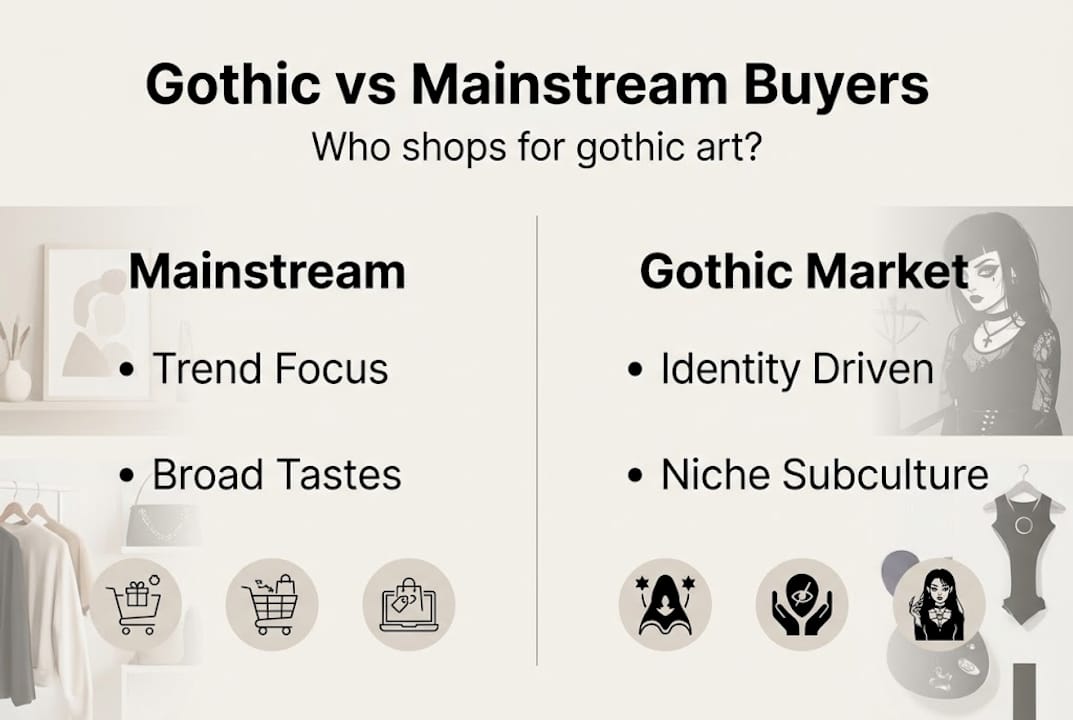
Mainstream art buyers vs. gothic market shoppers
| Factor | Mainstream buyers | Gothic market buyers |
|---|---|---|
| Primary motivation | Decor trend matching | Subculture identity expression |
| Price sensitivity | High | Moderate, value uniqueness |
| Origin preference | Brand or gallery name | Independent, handmade creator |
| AI art tolerance | Often neutral | Generally low or hostile |
| Community involvement | Rare | Core to purchasing decisions |
The contrast is stark. Gothic buyers are not just purchasing art. They are purchasing a piece of identity. That changes everything about how you present and price your work.
Buyer preferences inside this market lean heavily toward handmade, tactile, and authentic pieces. As discussions across the goth community confirm, handmade non-AI art is strongly preferred and digital alternatives face significant skepticism. If you sell digital files, such as printable artwork or clip art packs, you must address licensing head-on. Clear licensing prevents costly disputes and buyer confusion down the line.
Common motifs that resonate include:
- Dark florals and botanicals: nightshade, black roses, hemlock
- Occult symbolism: sigils, tarot imagery, moon phases
- Victorian and macabre aesthetics: memento mori, anatomical hearts
- Horror-adjacent imagery: creatures, fog, decay, and rot cycles
- Gothic architecture: arches, gargoyles, stained glass patterns
Price points vary by medium. Small original prints typically move between $15 and $40. Original paintings command $80 to $300 or more, depending on size and complexity. Limited-edition runs consistently outperform open editions because scarcity matters to this audience.
“The gothic community doesn’t want what everyone else has. They want proof that a real human made something extraordinary specifically for people like them.”
Set up your gothic marketplace presence
Knowing what resonates with the gothic audience, it’s time to build your online presence where they gather. The platform you choose shapes every interaction that follows, so pick with intention.
Niche platforms focused on dark and alternative aesthetics give you a pre-qualified audience from day one. General platforms like Etsy have wider reach, but you compete with mass-market sellers who undercut prices and flood search results. The selling gothic art strategies that work best combine a niche home base with social traffic funneled in from community spaces.
Platform setup steps, in order:
- Register with a username that reflects your artistic identity, not your legal name unless it fits your brand.
- Write a bio that explains your process, your influences, and why you create dark art. Be specific. “Inspired by Victorian mourning rituals and Pacific Northwest fog” is more compelling than “I love goth art.”
- Use a consistent visual identity: a dark, moody banner image and a profile photo that fits the aesthetic.
- List your social media handles and any community memberships or event appearances.
- State your licensing terms clearly in your bio and in individual listings, especially for digital files.
Pro Tip: Screenshot or collect testimonials from buyers who mention authenticity, craftsmanship, or how the piece fits their altar or personal space. Paste these into your bio or listing text. Social proof from within the subculture carries enormous weight.
For artists selling handmade pieces, lean into the benefits of physical creation. The handmade gothic art benefits include stronger buyer trust, higher perceived value, and the ability to charge premium prices that reflect your labor. Buyers in this market genuinely understand craft. They will pay for it when you communicate the story behind each piece.
As handmade personalized items consistently perform best in gothic markets, your storefront should emphasize process documentation, materials sourced ethically or unusually, and the handcrafted origin of every product.
Create irresistible gothic listings that sell
With your shop ready, the next step is ensuring every listing compels subculture buyers to take action. A great product with a lazy listing will sit unsold while a slightly lesser piece with a magnetic description moves quickly.
Your listing description is storytelling first, sales copy second. Open with the feeling or world the piece evokes. “This painting captures the exact weight of 3 a.m. grief, the kind that makes you stare at candle flame until it blurs.” That sentence sells to a gothic buyer because it resonates with their lived emotional experience.
Key elements of a strong gothic listing:
- Material transparency: state every medium, substrate, and finish used
- Dimensions and scale reference: include a photo next to a familiar object
- Origin story: one or two sentences on what inspired the piece
- Limited-edition notice: if it’s one of ten, say so prominently
- Licensing block: for digital files, specify personal use, commercial use, and redistribution rights
Photography is where many new sellers lose buyers before they even read the description. Moody, low-key lighting suits gothic art far better than the bright white backgrounds standard on general marketplaces. A candle in frame, dark velvet as backdrop, or a context shot on a styled altar shelf all communicate that you understand the aesthetic. Collaborating with alternative models for wearable art photography transforms a flat product shot into a lifestyle image that buyers want to inhabit.
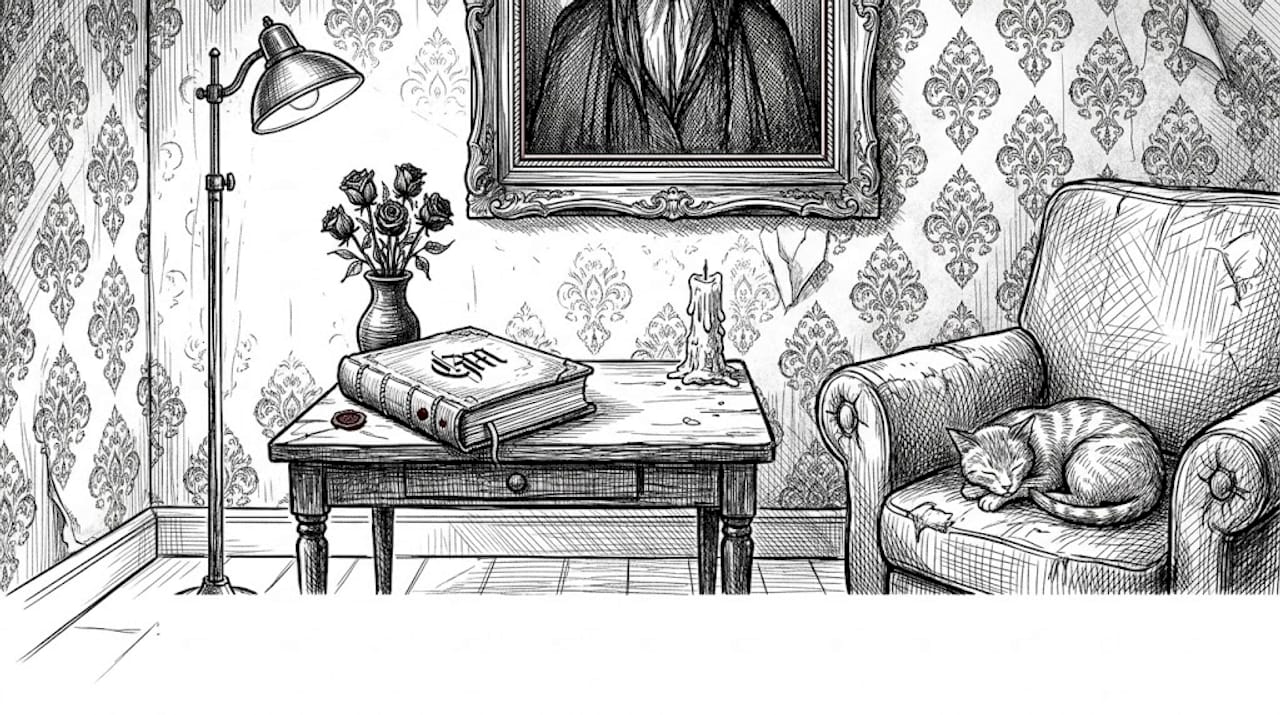
Pro Tip: Create at least one listing photo that shows your art in a real living space, a dark apartment corner, a cluttered gothic bookshelf, or a draped vanity. Context sells.
Pricing should reflect perceived value, not just material cost. As unique well-presented items show strong viability at physical markets, the same logic applies online. Benchmark against comparable sellers in the niche, then position yourself just above average if your craft and presentation justify it. Limited runs create urgency without manufactured scarcity. Learn more about curating gothic art listings to sharpen every product page you publish.
Promote your art and build a loyal gothic customer base
Once your listings are optimized, driving traffic and building relationships make a long-term difference. Gothic buyers return to sellers they trust and feel connected to.
Social platforms where your audience gathers:
- Instagram: use dark aesthetic hashtags, post process videos, and engage with goth art tags consistently
- Reddit: participate in r/goth, r/witchcraft, and r/DarkArt without spamming; let genuine contributions build your reputation
- Discord servers: many gothic and alternative communities have dedicated art-sharing channels
- TikTok: time-lapse creation videos and atmospheric packaging reveals perform extremely well in alternative niches
Engaging in community events, both virtual markets and physical pop-ups, builds the kind of name recognition that no paid ad can replicate quickly. Physical gothic markets offer direct connection to subculture enthusiasts and consistently boost repeat purchasing for handmade sellers. Show up, talk about your work, and remember that you are also a member of this community.
After the sale, the experience you deliver matters as much as the art itself. Consider:
- Handwritten thank-you notes with every order
- Reusable gothic-themed packaging (black tissue, wax seals, dried botanicals)
- A small surprise extra, a sticker, a postcard, a pressed flower
- A personal follow-up message asking if the piece arrived safely
“The unboxing moment is its own ritual for gothic buyers. Make it feel like receiving something from a dark apothecary, not a shipping warehouse.”
For repeat business, offer exclusive early access to new collections for past buyers. A simple email list or Discord role keeps your most loyal customers engaged. To deepen your approach, explore how to grow gothic audience and understand how goth market community dynamics influence long-term seller success.
Avoid common mistakes and resolve gothic marketplace challenges
The final practical step is learning what to avoid and how to handle inevitable bumps on the gothic marketplace journey.
Common seller mistakes that damage trust and sales:
- Mislabeling art as handmade when it is digitally generated or mass-produced
- Unclear digital rights: no license means buyers assume the worst or skip the purchase
- Generic packaging: plain brown boxes signal that you did not think about the experience
- Slow or robotic communication: gothic buyers appreciate warmth and personality in messages
- Ignoring feedback: one unresolved complaint can spread quickly in tight-knit subculture communities
Disputes around AI-generated art are increasingly common. The gothic buyer community is vocal and organized. If you sell AI-assisted work and present it as fully handmade, expect public callouts that damage your reputation permanently. Be transparent. If AI assisted in any part of the process, say so clearly. As clear digital licensing remains the top safeguard against disputes, combine it with honest labeling to stay protected.
Pro Tip: For each original piece, document your process with dated photos, material receipts, or short video clips. This provenance record proves authenticity if a buyer or platform ever questions your work.
Handling negative feedback well is a skill that compounds over time. Respond calmly, offer reasonable resolutions, and never argue publicly. Gothic buyers respect sellers who handle conflict with grace. Connecting with the gothic community authentically, even during difficult moments, builds the kind of loyalty that sustains a creative business through slow seasons.
“Intellectual property in the gothic scene is taken seriously. Copying another artist’s signature symbols or style without credit is not just legally risky, it is a community violation that rarely goes unnoticed.”
Why authenticity is your biggest asset in the gothic art world
Conventional business advice often says: find out what sells and make more of it. In most markets, that is reasonable. In the gothic art world, it is a trap. Gothic buyers have finely tuned radar for trend-chasing and imitation. The moment your work looks like you are following a formula rather than following your instincts, engagement drops.
The power of handmade art in this niche is not just about craft quality. It is about the signal handmade work sends: a real person with a real creative vision made this. That signal is irreplaceable, especially as AI-generated images flood every corner of the internet. Distinctiveness is now a competitive advantage, not just an artistic preference.
Long-term success in gothic marketplaces belongs to sellers who show up consistently, engage honestly, and let their actual personality and creative obsessions drive the work. Your weirdness is your brand. Protect it.
Start selling gothic art with dedicated tools and community
Ready to dive in? Let’s connect your art to the right buyers. Listing your work on a platform built for the alternative community puts your art in front of people who already speak your language and are actively searching for exactly what you create.
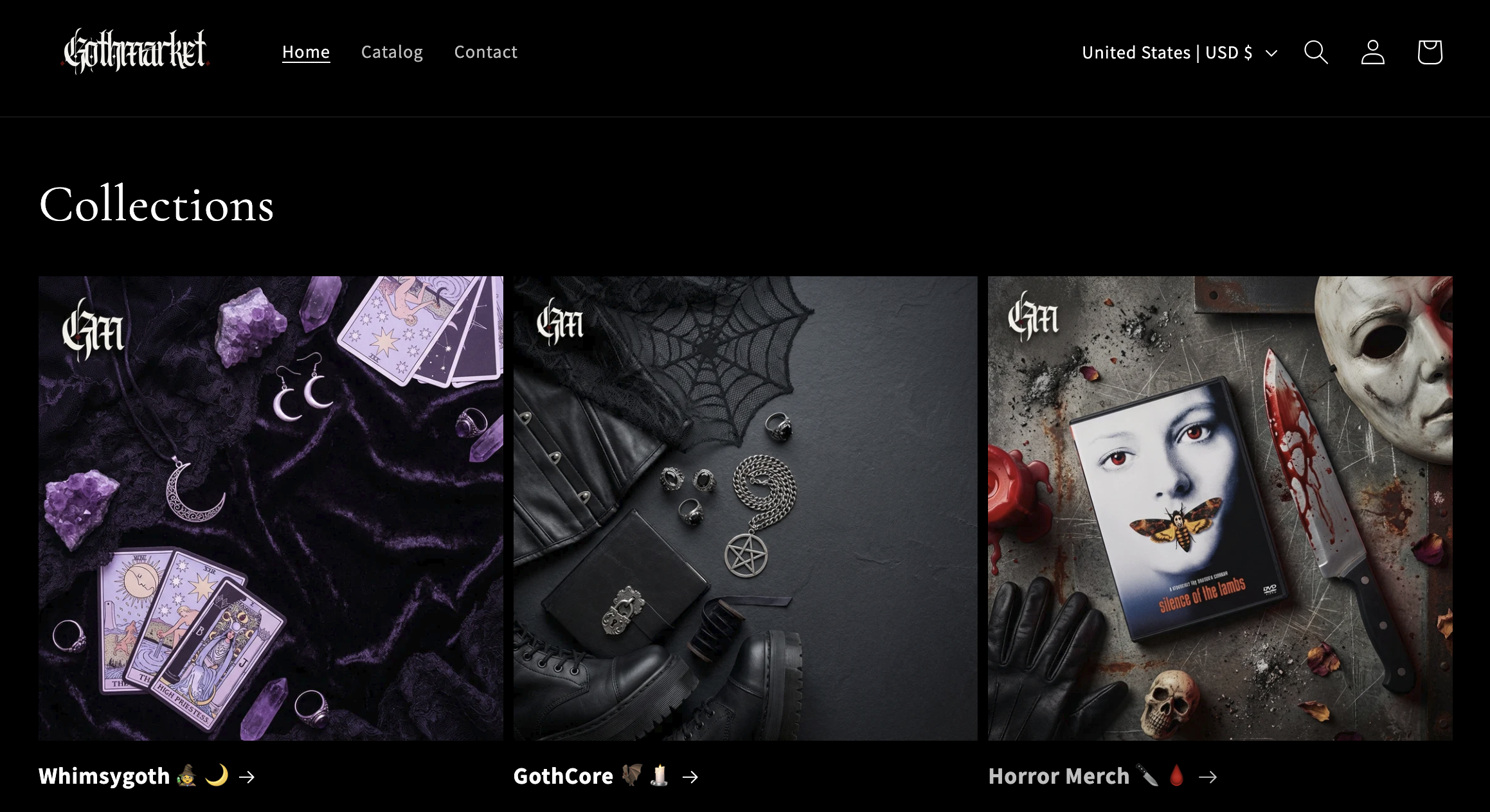
At Goth.Market, your work sits alongside curated collections that reflect true subculture taste, from the gothic jewelry collection to the wonderfully strange Whimsygoth collection. You are not competing with mass-market sellers. You are joining a community of creators who understand that alternative art deserves a dedicated, appreciative home. Set up your seller profile, list your first piece, and let the gothic marketplace work the way it was always meant to.
Frequently asked questions
What type of art sells best in gothic marketplaces?
Handmade original pieces and dark-themed creations consistently outperform mass-produced items. Buyers in this space prioritize authenticity and personal vision over trend-driven production.
How do I handle licensing for my digital gothic art?
Attach clear licensing terms to every digital file you sell, covering personal use, commercial use, and whether redistribution is allowed. As clear licensing prevents disputes, doing this from your first listing protects both you and your buyers.
Are physical gothic art markets worth attending?
Absolutely. Physical goth markets are viable for profit and deliver face-to-face connection with buyers who become the most loyal repeat customers.
Can I use AI-generated art in gothic marketplaces?
Most gothic buyers actively prefer handmade work and handmade non-AI art is the clear community standard. Transparency about your process is always the better path, regardless of your tools.