

Horror Art Prints: A Curated Buying and Display Guide
Horror art prints are reproductions or limited-edition works featuring dark, macabre, or supernatural imagery, from classic monster illustrations to occult symbolism, made for wall display. The three decisions that matter most before you buy: pick your style (gothic, vintage monster, occult, cosmic horror), pick your format (poster, giclée, canvas, or metal), and pick your size and framing to fit the wall you actually have. Goth.Market is a solid place to start browsing because it curates work from independent dark-art creators rather than dumping mass-produced posters into an endless scroll.
Before you open a single tab, get clear on these three things:
- Style first. Decide if you want classic monsters, witchy occult art, or something more literary and atmospheric.
- Format second. A $20 poster and a $200 giclée print solve different problems.
- Size and framing last. Measure your wall before you fall in love with a piece that won’t fit it.
Table of Contents
- What styles and themes define horror art prints?
- Which print formats and finishes should you choose?
- How do you choose the right size, framing, and arrangement?
- How can you tell if a horror print is authentic or collectible?
- Where should you shop for horror art prints?
- Why trust a curated marketplace for horror art prints?
- How do you care for and preserve horror art prints?
- What actually matters when you’re buying horror art
- Ready to start browsing curated horror art?
- Sources
- FAQ
What styles and themes define horror art prints?
Horror and gothic art draws from a deep well of recurring motifs: skeletons, witches, vampires, haunted houses, and instantly recognizable cinematic icons from films like Halloween and Scream. Classic monster art (Dracula, Frankenstein’s creature, werewolves) leans nostalgic and works well in dens, home theaters, or bar carts. Occult symbolism, think tarot imagery, pentagrams, alchemical diagrams, suits studies, hallways, or anywhere you want a quieter, more mysterious tone.
Cosmic horror, the Lovecraftian stuff with tentacled abominations and impossible geometry, tends to read as more cerebral and modern, so it fits well next to minimalist furniture. Dark romanticism, moody Victorian figures, wilting roses, melancholic portraits, pairs naturally with antique frames and warmer lighting. Vintage horror comic covers bring a pulpy, saturated color palette that pops against black or deep charcoal walls.
A few pairing ideas that actually work in practice:
- Put a vintage monster print next to a modern minimalist horror illustration for contrast rather than matching everything.
- Use occult symbolism in smaller frames clustered near a bookshelf instead of one oversized centerpiece.
- Reserve cosmic horror pieces for rooms with darker paint, the extra shadow makes the imagery feel more immersive.
For a deeper breakdown of what these motifs actually mean historically, this guide to gothic art symbolism is worth a read before you buy.
Pro Tip: Mixing one vintage horror piece with one contemporary illustration in the same wall grouping almost always looks more curated than an all-matching set, mismatched eras signal intention, not accident.
Which print formats and finishes should you choose?
Format determines how long a print lasts, how it looks on the wall, and how much you’ll pay. Here’s the honest breakdown:
- Posters are inexpensive, easy to swap out seasonally, and printed on lightweight paper that fades faster under direct sun.
- Giclée prints use archival inks on heavier, often cotton rag paper, producing richer blacks and finer detail, which matters a lot for horror art’s high-contrast shadows.
- Canvas prints give texture and a gallery feel without glass or glare, but they’re bulkier to ship and harder to reposition.
- Metal prints deliver a glossy, almost cinematic finish that suits modern horror or cosmic horror pieces, though they can look out of place next to vintage-style work.
Archival quality comes down to paper weight and ink type. Collector-grade prints typically use archival cotton rag paper with giclée printing, which resists yellowing and color shift far better than standard poster stock. That distinction matters more for horror art than most genres, since so much of the impact depends on deep, saturated blacks holding their tone for years, not months.
If you’re decorating on a budget or want to rotate décor with Halloween season, posters make sense, they’re affordable and disposable in the best way. If you’re building a collection with resale or heirloom value in mind, giclée or limited-edition prints are the better bet. For a single statement piece meant to anchor a room, canvas or metal gives you scale and presence that a framed poster usually can’t match.
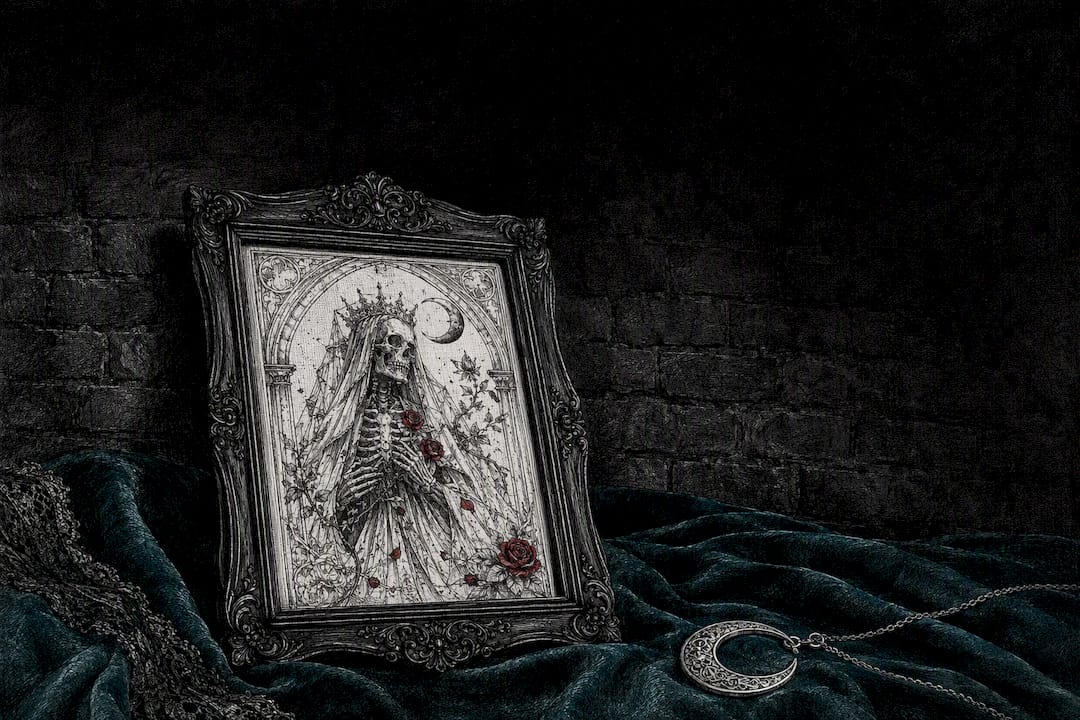
Roughly speaking, the price gap between a basic poster and an archival giclée print of comparable size often reflects paper and ink cost alone, not just markup, so paying more for archival stock is buying longevity, not just a label.
How do you choose the right size, framing, and arrangement?
Getting the size right starts with your wall, not the print. Measure the space before you shop, and leave breathing room. Here’s a workable process:
- Measure your wall and subtract roughly 2 to 3 inches of margin on each side so the piece doesn’t feel jammed into the space.
- Match size to distance. An 8x10 or 11x14 works for close viewing, like a hallway or desk area, while 18x24 or 24x36 reads better from across a living room or bedroom.
- Choose framing materials that protect the print. UV-protective glass, acid-free matting, and archival backing all slow fading and moisture damage, which matters more for darker inks that show discoloration faster.
- Decide between professional and DIY framing. Pay for professional framing on limited editions or signed pieces; a basic frame kit is fine for posters you plan to replace.
- Plan your arrangement before you hang anything. A single oversized statement piece works in a room with minimal other art, while mixing sizes and frame styles creates a more sophisticated gallery wall than a uniform grid.
Pro Tip: Lay your prints out on the floor in the arrangement you’re planning before you put a single nail in the wall, it’s the fastest way to catch spacing mistakes.
For more layout ideas specific to dark decor, see this guide to gothic wall art.
How can you tell if a horror print is authentic or collectible?
Look for a Certificate of Authenticity, a signature, and edition numbering before you treat any print as collectible. Limited-edition fine art prints commonly include COAs alongside hand-stamped or hand-signed artist signatures, and that documentation is what separates a $300 collectible from a $20 poster of the same image. Embossed seals serve a similar purpose, marking a print as part of a verified, limited run rather than an open-ended reprint.
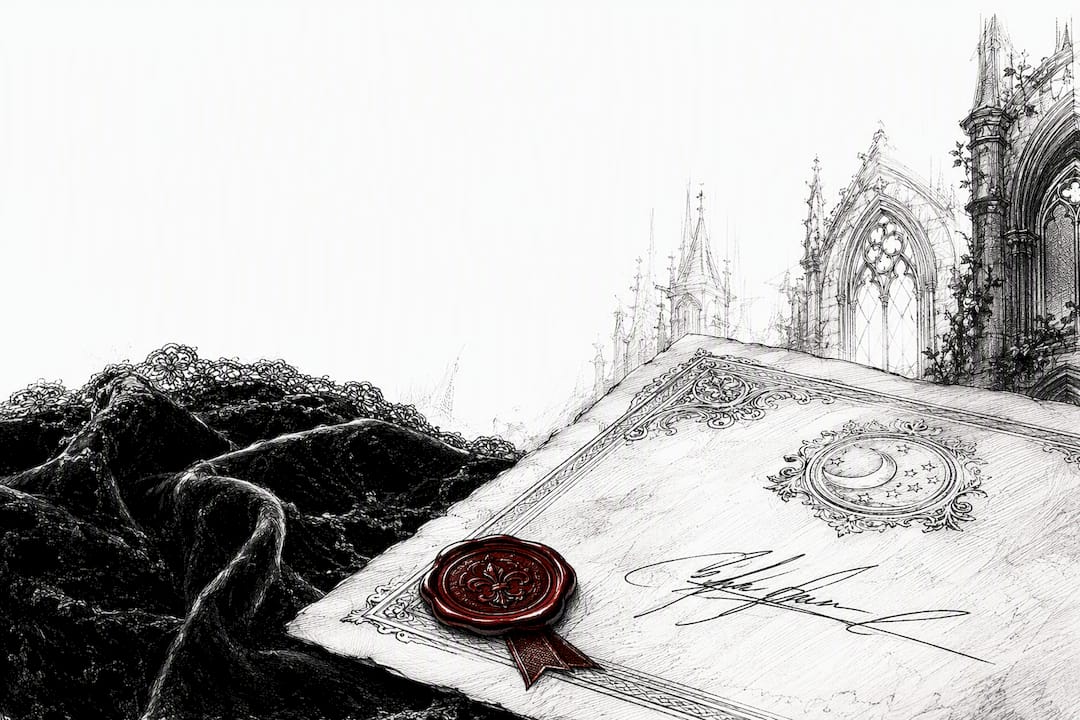
Edition size matters too. Listings typically state numbering like 1/150, and smaller editions generally command higher prices and hold value better over time. A hand-signed print in an edition of 50 will almost always be worth more than a stamped signature in an edition of 1,000.
Before buying, check for:
- A clearly stated Certificate of Authenticity
- Whether the signature is hand-signed or hand-stamped (this affects value)
- The paper type and printing method listed in the product description
- The total edition size
- A clear return policy in case the print arrives damaged
A print without an edition number, signature detail, or paper specification is functionally a poster, no matter what the seller calls it in the title.
Where should you shop for horror art prints?
Three categories of sellers exist, and each carries different tradeoffs. Curated niche marketplaces like Goth.Market vet vendors and specialize in dark, gothic, and horror aesthetics, so you spend less time filtering out generic content. Artist-run shops let you buy directly from creators, which often improves provenance and gives you a direct line to ask about paper stock or edition size. Large general print marketplaces offer volume, some collections span thousands of items with size and framing upgrades built in, but quality and authenticity documentation vary wildly from listing to listing.
When you’re searching, use specific filter terms: “giclée,” “limited edition,” and “signed” tend to surface the higher-quality, collectible-grade work rather than mass reprints. Always read the full product description for shipping timelines, return terms, and whether a COA ships with the piece. For genre background that helps you search smarter, this horror subgenres guide breaks down the visual language of different horror categories.
International orders bring extra variables: customs fees, longer shipping windows, and occasionally licensing restrictions on certain film-based imagery. A seller with clear customer support and a documented return policy is worth more than a slightly lower price.
Why trust a curated marketplace for horror art prints?
Curation solves a real problem: sorting through thousands of generic listings to find pieces with actual craft and documentation behind them. Goth.Market focuses specifically on dark, gothic, occult, and horror aesthetics, and vets the independent creators selling through the platform rather than opening the doors to anonymous mass-produced listings.
That vetting does two things for buyers:
- It reduces the risk of ending up with an undocumented reprint mislabeled as a “limited edition.”
- It surfaces artist-owned work where provenance and signature details are actually verifiable.
For background on how horror art evolved into a distinct collecting category, see what horror art actually is.
| Point | Details |
|---|---|
| Curation reduces risk | Vetted vendors are less likely to sell unverified or mislabeled reprints. |
| Independent creators | Artist-owned listings make provenance and signatures easier to confirm. |
| Specialized focus | A dark-art-specific marketplace surfaces relevant pieces faster than general retailers. |
How do you care for and preserve horror art prints?
Darker inks fade faster than lighter ones under UV exposure, which makes sun protection more important for horror art than for most other genres. Hang prints away from direct sunlight and windows without UV film, direct exposure can noticeably shift black tones within a year or two on lower-quality paper.
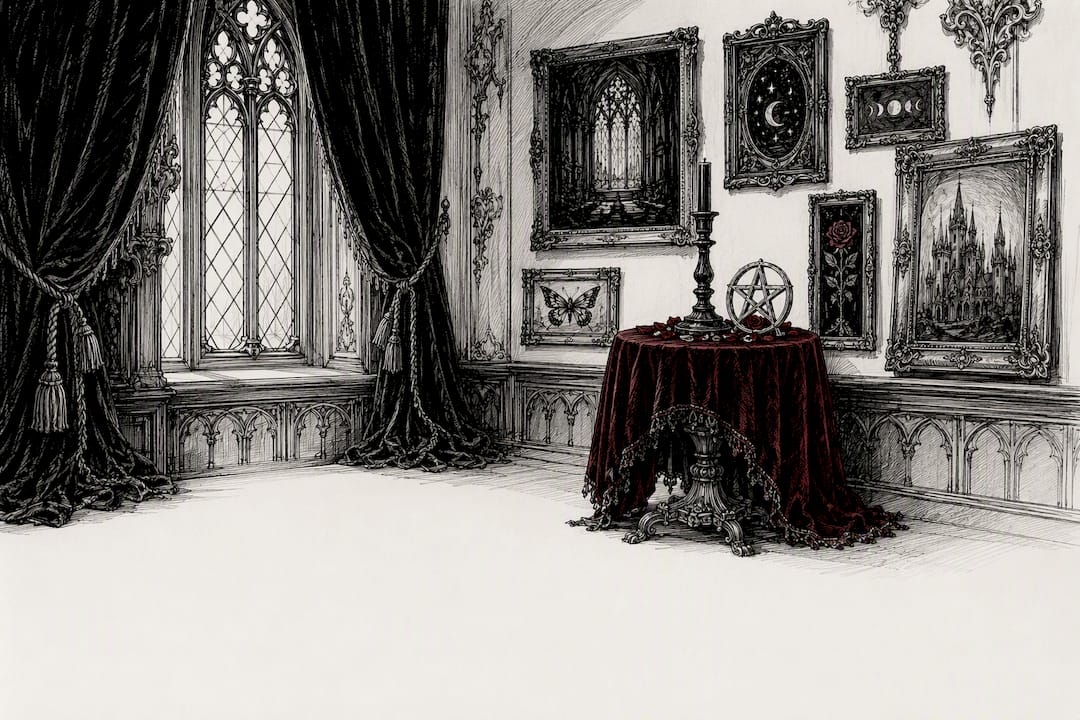
UV-protective glass or acrylic glazing is worth the extra cost on any piece you consider collectible, since it blocks the wavelengths responsible for most color degradation. Acid-free matting and backing boards prevent the yellowing and brittleness that come from acidic paper touching your print over time.
Moisture is the other major threat. Avoid hanging prints in bathrooms, kitchens, or basements without climate control, humidity causes rippling, mold spots, and warping, especially on unframed canvas or unsealed paper. If you live somewhere humid, a small silica packet behind the frame backing can help, and keeping prints at least a few inches from exterior walls reduces condensation risk.
Handle unframed prints by the edges only, oils from skin contact can stain paper permanently. Store extras flat in acid-free sleeves rather than rolled, repeated rolling and unrolling stresses the paper fibers and can crack ink over time. If you’re rotating seasonal posters, a flat portfolio case keeps them in better shape than a cardboard tube.
Framed properly and kept out of direct light and humidity, a giclée print on archival paper can hold its color and detail for decades.
Well-chosen horror art prints combine the right style, an archival-grade format, and verified authenticity documentation to hold both visual impact and long-term value.
| Point | Details |
|---|---|
| Match style to room mood | Cosmic horror and occult symbolism suit darker, quieter spaces; vintage monster art fits casual rooms. |
| Format drives longevity | Giclée on archival cotton rag paper resists fading far better than standard poster stock. |
| Verify before buying | Confirm a COA, signature type, edition size, and paper type before paying collectible prices. |
| Protect from light and moisture | UV glass, acid-free matting, and dry hanging spots prevent fading and warping. |
| Start with curated sellers | Goth.Market vets independent dark-art creators, reducing the risk of unverified reprints. |
What actually matters when you’re buying horror art
Most buying guides spend too much time on style and not enough on paper. That’s backwards. Style is the fun part, the part you’d figure out anyway by scrolling for twenty minutes. What actually determines whether you’re happy with a print in three years is the stuff that sounds boring on the surface: ink archival rating, paper weight, and whether a signature is real or a printed facsimile passed off as one.
The conventional advice tells you to “pick what speaks to you,” which is true but incomplete. It skips the fact that a $25 poster and a $250 giclée print can look nearly identical in a photo and age completely differently on your wall. If you’re buying for decoration you’ll swap out next Halloween, that gap doesn’t matter. If you’re building something you’ll still want in a decade, it matters more than any single stylistic choice you’ll make.
Prioritize the paper and the documentation first. The style will take care of itself.
— Rey
Ready to start browsing curated horror art?
If everything above sounds like a lot to verify on your own, that’s the actual argument for shopping somewhere curated instead of scrolling an open marketplace hoping a listing is honest. Goth.Market is built specifically around dark, gothic, occult, and horror aesthetics, with independent creators selling directly rather than anonymous print farms flooding the results.
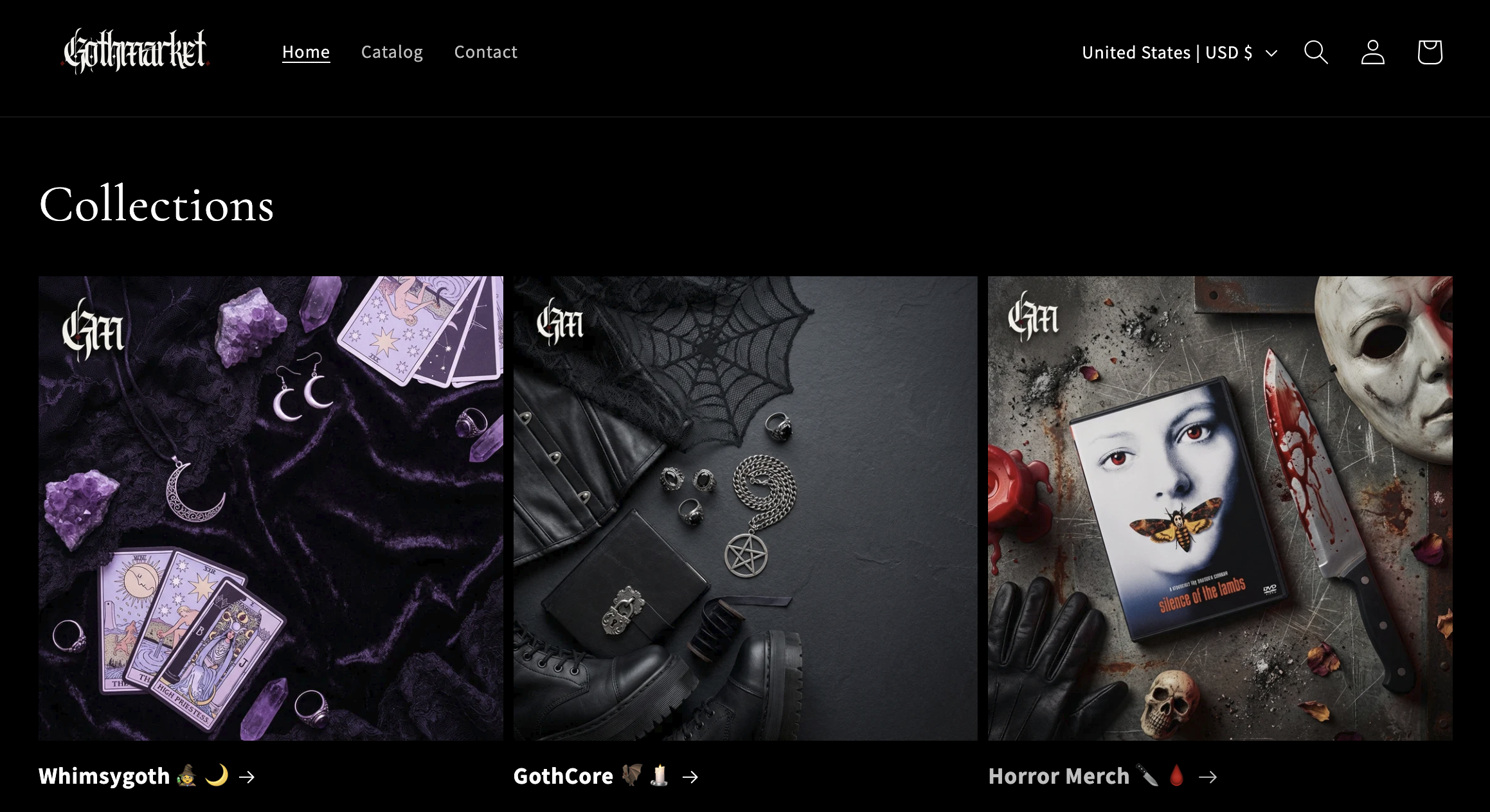
That focus means less time filtering out irrelevant listings and more time comparing pieces that actually fit the aesthetic you’re after, from vintage monster illustrations to occult symbolism to modern cosmic horror. Whether you’re after a $30 poster to test a wall or a signed limited edition worth framing properly, Goth.Market’s horror art category is a practical place to compare formats, check seller details, and find pieces you won’t see on every other wall on the internet. Head to Goth and start browsing the current horror art selection to see what’s available now.
Sources
FAQ
What are horror art prints exactly?
Horror art prints are reproductions or limited-edition works featuring dark, macabre, or supernatural imagery, ranging from classic monster illustrations to occult symbolism, printed in formats like posters, giclée, canvas, or metal for home display.
What’s the difference between a poster and a giclée print?
Posters use lighter, less durable paper and fade faster, while giclée prints use archival inks on heavier paper, often cotton rag, that resists yellowing and color shift for far longer.
How do I know if a horror print is a real limited edition?
Check for a stated edition size (like 1/150), a hand-signed or hand-stamped signature, and a Certificate of Authenticity, all three together are the standard markers of a genuine limited edition.
What size print should I buy for a gallery wall?
Common sizes like 8x10 and 11x14 work well for close viewing spots like hallways, while 18x24 and 24x36 read better across a living room, and mixing sizes creates a more curated gallery wall than uniform framing.
Is Goth.Market a good place to buy horror art prints?
Yes, Goth.Market curates listings from independent dark-art and gothic creators rather than mixing in anonymous mass-produced posters, making it easier to find collectible-grade pieces with documented authenticity.
How do I protect horror art prints from fading?
Keep prints out of direct sunlight, use UV-protective glass or acrylic glazing, and choose acid-free matting and backing to slow the color degradation that darker inks are especially prone to.
Should I buy from an artist directly or a marketplace?
Buying directly from an artist’s shop often improves provenance and gives you a direct line to ask about paper and edition details, while curated marketplaces offer more selection with less individual vetting required on your part.
What filter terms help me find better-quality horror prints online?
Searching for “giclée,” “limited edition,” and “signed” tends to surface higher-quality, collectible-grade prints rather than generic mass reprints on most marketplace search tools.