

Gloomth Aesthetic Explained: Origins, Style, and Meaning
TL;DR:
- Gloomth aesthetic blends melancholy and warmth, emphasizing beauty found in decay and forgotten spaces. It has evolved from literary origins into a lifestyle that promotes introspection, creative expression, and mental well-being. Practitioners incorporate layered historical fashion, liminal photography, and community sharing to cultivate a contemplative and restorative practice.
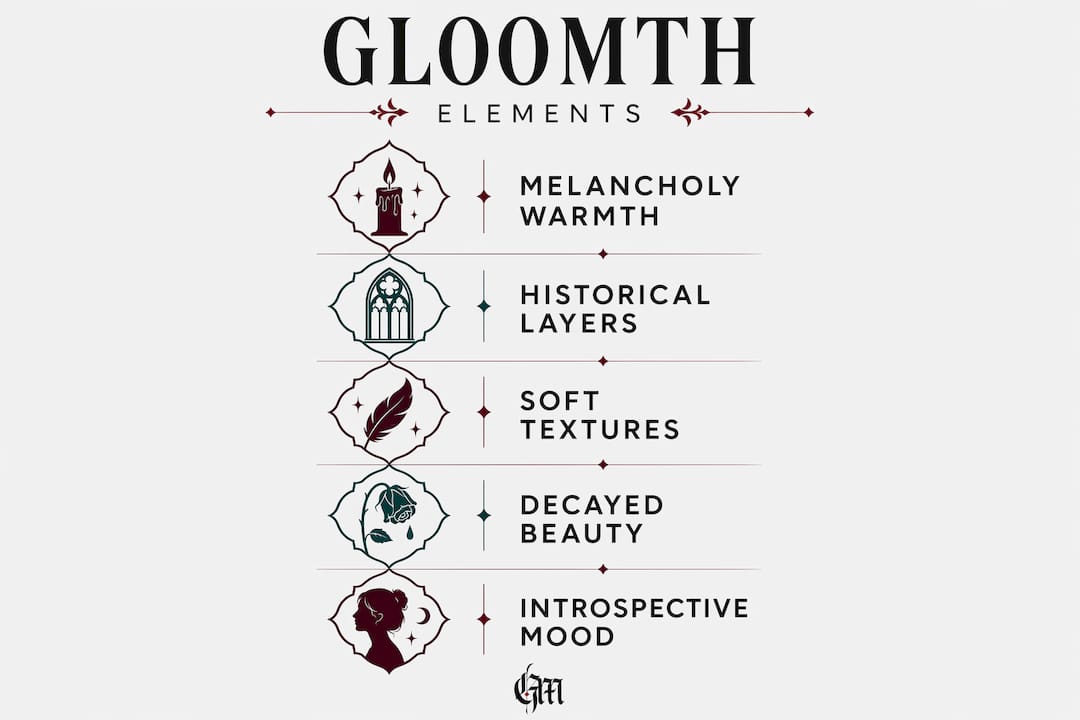
Gloomth aesthetic is defined as a deliberate fusion of gloom and warmth, where melancholy and delight coexist to create something beautiful, strange, and deeply comforting. The term was coined by Horace Walpole, the 18th-century father of Gothic literature, to describe a sensory experience that was both gloomy and pleasantly warm at once. Today, understanding gloomth fashion and art means recognizing it as a full lifestyle philosophy, not just a color palette. It draws from Victorian architecture, Gothic literature, decay, and the quiet beauty of forgotten things, then channels all of that into clothing, photography, and creative practice.
What is gloomth aesthetic and where did it come from?
Gloomth is defined as an aesthetic philosophy that balances melancholy with delight, finding creative inspiration in dark, decaying, or eerie subject matter. The word itself is not modern slang. Horace Walpole used it in the 18th century to describe the atmospheric quality of Gothic architecture and fiction, that specific feeling of standing in a candlelit room where shadows press close but warmth holds you still.
The haunted house atmosphere Walpole described was a deliberate fictional construction, a designed emotional experience rather than an accident of decay. That idea carried forward into Victorian mourning culture, Gothic Romanticism, and eventually into the alternative subcultures of the late 20th century. Gloomth arrived in contemporary fashion and art as a named aesthetic only recently, but its emotional DNA is centuries old.
What separates gloomth from general gothic style is its insistence on warmth. Pure gothic aesthetics often lean cold, sharp, and confrontational. Gloomth softens that edge. It asks you to sit with darkness the way you would sit by a fire in a crumbling manor, present, reflective, and oddly at peace.
What are the key characteristics of gloomth style?
Gloomth aesthetic characteristics center on a specific emotional tension: the coexistence of decay and beauty. The visual language is rich, layered, and always slightly melancholic, but never hopeless.
The core motifs include:
- Liminal spaces. Hallways, stairwells, empty rooms, and thresholds appear constantly in gloomth art and photography. These in-between places carry a natural unease that gloomth treats as sacred.
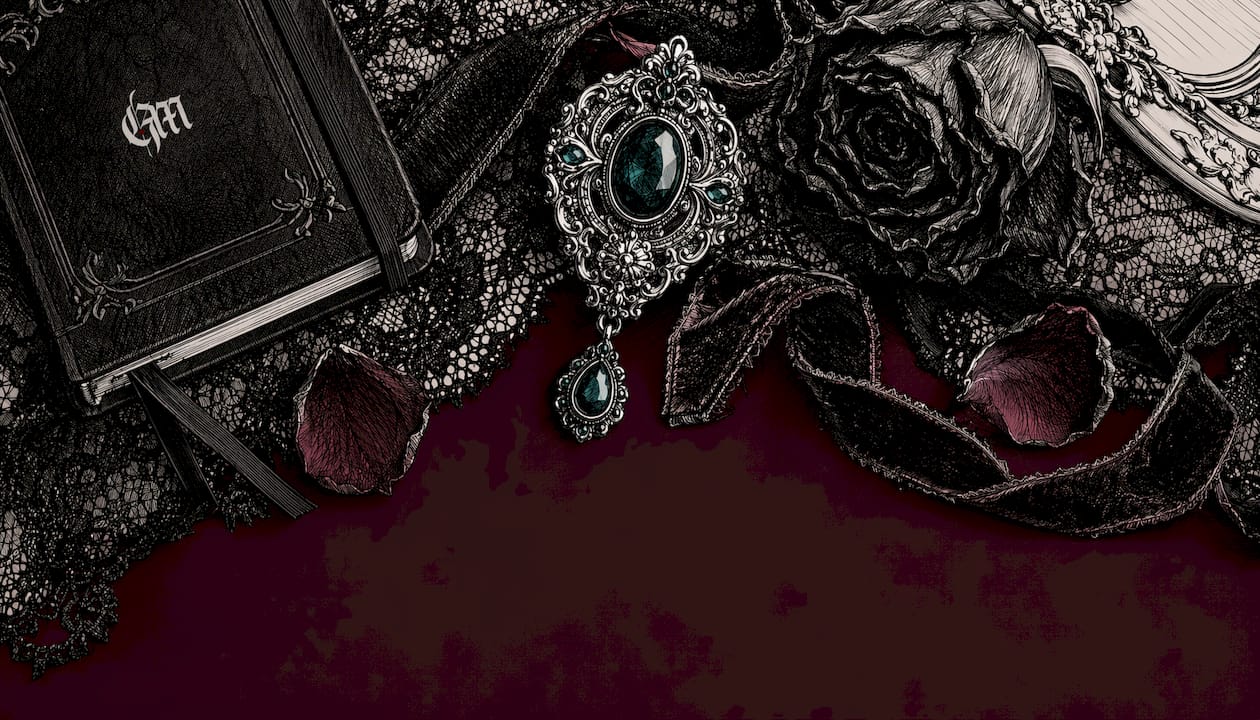
- Memento mori symbolism. Skulls, dried flowers, cracked mirrors, and wilting botanicals all serve as reminders of mortality. Decay and beauty function together as a memento mori, finding profound meaning in overlooked spaces.
- Muted and dark palettes. Dusty plum, faded black, moss green, aged ivory, and deep burgundy dominate gloomth color choices. These are colors that look like they have a history.
- Victorian and Renaissance silhouettes. High collars, full skirts, lace details, and structured bodices appear alongside raw, unfinished, or distressed elements.
- Textures of time. Velvet, worn linen, rusted metal, and peeling paint all carry the visual weight of age that gloomth prizes.
The emotional impact of these characteristics is specific. Gloomth does not wallow in sadness. It transforms sadness into something you can wear, photograph, or hang on a wall. The aesthetic teaches that impermanence is not a flaw in the world. It is the world’s most honest feature.
Pro Tip: When building a gloomth mood board, include at least one image of something actively decaying alongside something actively beautiful. The tension between the two is the aesthetic’s entire argument.
How has gloomth evolved into a modern lifestyle movement?
Modern gloomth has grown well beyond its literary origins into a full creative lifestyle. As of 2026, it encompasses what practitioners call cozy horror, a style defined by low-stakes, intimate, and familiar settings that explore fear and decay without overwhelming the viewer. Think less haunted mansion, more overgrown backyard at dusk.
The modern gloomth movement expresses itself through four main channels:
- Fashion. Layered historical garments mixed with thrifted or punk pieces create the signature gloomth look. The wardrobe is personal, assembled over time, and never mass-produced in feel.
- Photography and visual art. Practitioners document liminal spaces, abandoned buildings, and quiet decay with deliberate attention to mood and light.
- Mental health practice. Gloomth functions as a proactive tool for wellbeing, turning daily anxieties and fears into creative joy. This is not escapism. It is transformation.
- Social media and community. Gloomth communities share work, styling ideas, and location finds across platforms, building a subculture that is warm, specific, and deeply collaborative.
The mental health dimension of gloomth is one of its most underappreciated qualities. Gloomth as a creative practice provides real benefits by converting daily anxieties into imaginative, joyful art. That is a genuinely useful skill, and it is one the aesthetic actively teaches.
How to incorporate gloomth aesthetic into fashion and personal style
Gloomth fashion is built on contrast. The goal is to place refined historical beauty next to something raw, worn, or slightly broken, and let the tension between them do the work.
The foundation of any gloomth wardrobe starts with historical silhouettes. Victorian, Renaissance, and Lolita fashion all feed into gloomth’s visual identity, layered with punk and grunge elements for a look that feels both timeless and alive. A full Victorian skirt worn with fishnet tights and a thrifted band tee is a classic gloomth combination. The gothic fashion styling guide at Goth offers strong starting points for building these kinds of layered looks.
Key styling principles include:
- Layer with intention. A structured corset over a loose, slightly worn blouse creates the refined-meets-raw contrast gloomth requires.
- Thrift aggressively. Vintage and secondhand shops are the best sources for garments that carry genuine age. New clothing can approximate gloomth, but old clothing lives it.
- Choose fabrics that age well. Velvet, lace, heavy cotton, and worn leather all develop character over time. Synthetic fabrics that stay crisp undercut the aesthetic.
- Mix color carefully. Dusty, desaturated tones work better than pure black alone. Aged ivory, faded plum, and moss green alongside black creates depth rather than flatness.
- Use accessories as memento mori. Cameos, antique brooches, dried flower corsages, and skull rings all carry symbolic weight that pure clothing cannot.
Achieving authentic gloomth style requires mixing historical fashion elements with thrifted, punk, or grunge pieces for contrast. The mix is the point. A look that is too historically accurate becomes costume. A look that is too punk becomes something else entirely. Gloomth lives in the middle.
Pro Tip: Photograph your outfits in liminal or abandoned spaces rather than neutral backgrounds. The setting activates the aesthetic in a way that a clean backdrop never will.
How to express gloomth through art and photography
Gloomth art and photography share one central commitment: they document beauty in places most people walk past without looking. Liminal, neglected, and decaying environments are the preferred backdrops, from abandoned buildings and overgrown gardens to forgotten basements and empty parking structures at night.
The technical approach matters as much as the subject. Gloomth photographers often use low-resolution, obsolete cameras to produce grainy, dream-like images that evoke nostalgia and detachment. A disposable film camera, an old digital point-and-shoot, or even a phone camera with heavy grain filtering can achieve this. The imperfection is not a limitation. It is the medium’s message.
| Approach | Effect | Best for |
|---|---|---|
| Low-res or film cameras | Grain, warmth, nostalgia | Portrait and location work |
| Natural low light | Shadows, mystery, depth | Interior and liminal spaces |
| Decay as foreground | Memento mori framing | Still life and editorial |
| Overgrown settings | Wildness, reclamation | Outdoor portraiture |
| Muted post-processing | Aged, desaturated mood | All gloomth photography |
The role of art in gothic style extends directly into gloomth practice. Art here is not decorative. It is a way of paying attention to the world’s overlooked corners and insisting they deserve to be seen.
How does gloomth intersect with other alternative aesthetics?
Gloomth sits within a wider family of dark alternative aesthetics, but it holds a distinct emotional position among them. Understanding gloomth fashion means knowing what makes it different from its neighbors.
Gothic fashion, in its broadest sense, prioritizes darkness, drama, and often a confrontational visual presence. Gloomth shares the darkness but replaces confrontation with introspection. Where goth can be sharp and theatrical, gloomth is soft and contemplative. The evolution of gothic fashion shows how these substyles branch from shared roots while developing distinct emotional registers.
Victorian grunge overlaps heavily with gloomth in its use of historical silhouettes combined with modern distressed elements. The key difference is that Victorian grunge tends toward rebellion, while gloomth tends toward reflection. Apocalyptic Lolita, a substyle that has grown within gloomth communities, pushes the contrast further by placing delicate, feminine Lolita fashion against post-apocalyptic or decayed settings. Modern gloomth attaches itself to dysfunctional or disenfranchised spaces, grounding eerie elements in modern neglect rather than grand historical backdrops. That grounding is what keeps gloomth feeling personal rather than theatrical.
Key Takeaways
Gloomth aesthetic is defined by the deliberate fusion of melancholy and warmth, expressed through layered historical fashion, decay-focused art, and a creative practice that transforms darkness into beauty.
| Point | Details |
|---|---|
| Historical origin | Horace Walpole coined “gloomth” in the 18th century to describe Gothic architecture’s blend of gloom and warmth. |
| Core emotional tension | Gloomth balances melancholy with delight, treating decay and beauty as equally meaningful. |
| Fashion approach | Layer Victorian or Renaissance silhouettes with thrifted, punk, or grunge pieces for authentic contrast. |
| Photography technique | Use low-res or film cameras in liminal, abandoned, or overgrown spaces to capture gloomth’s mood. |
| Mental health value | Gloomth functions as a creative tool for converting daily anxieties into joyful artistic expression. |
Gloomth’s quiet power deserves more credit
I have spent years watching alternative aesthetics rise and fade, and gloomth is one of the few that actually deepens the longer you sit with it. Most dark aesthetics are about projection, about broadcasting a particular identity outward. Gloomth is different. It turns inward. It asks what you find beautiful in the things that are broken, forgotten, or slowly disappearing.
What strikes me most is how genuinely useful that question is right now. The world in 2026 produces anxiety faster than most people can process it. Gloomth does not ask you to ignore that. It asks you to make something with it. A photograph of a crumbling wall. A dress assembled from three different decades. A still life of dead flowers arranged with the same care you would give living ones. That is not morbid. That is a form of attention that most people never develop.
The mental health dimension is real and undervalued. Practitioners who engage with gloomth seriously report that the practice of finding beauty in decay changes how they see ordinary life. Difficulty stops feeling like evidence of failure and starts feeling like material. That shift is worth more than any single outfit or photograph.
My honest advice: do not wait until your wardrobe is “ready” or your camera is “good enough.” The aesthetic rewards imperfection. Start with what you have, in the most forgotten corner of your neighborhood, and see what you find there.
— Rey
Gloomth-inspired style at Goth Market
Goth carries a curated selection of clothing, accessories, and dark decor that speaks directly to the gloomth sensibility, pieces that blend Victorian structure with raw, alternative edge.

Whether you are building your first gloomth wardrobe or adding depth to an existing collection, the gothic fashion and accessories at Goth connect you with independent creators who understand the aesthetic from the inside. From lace-trimmed garments to occult jewelry and dark decor, every item is chosen for its character rather than its mass appeal. The platform also supports independent artists and vendors, so your purchase goes directly to the people making the work. Browse the full collection and find the pieces that feel like they were already yours.
FAQ
What does “gloomth” actually mean?
Gloomth is a term coined by Horace Walpole to describe a pleasant mixture of gloom and warmth. As a modern aesthetic, it means finding beauty and creative joy in dark, decaying, or melancholic subject matter.
Is gloomth the same as goth?
Gloomth and goth share historical roots and a love of darkness, but gloomth emphasizes warmth, introspection, and finding beauty in decay rather than the confrontational drama more common in traditional goth style.
How do I start dressing in a gloomth style?
Start by layering historical-inspired garments, such as Victorian or Renaissance silhouettes, with thrifted or grunge pieces. Muted, desaturated colors and fabrics like velvet or worn linen build the aesthetic most effectively.
What is “cozy horror” in the context of gloomth?
Cozy horror is a gloomth-adjacent style defined by intimate, familiar settings that explore fear and decay without overwhelming the viewer. It grounds eerie themes in domestic or everyday environments rather than grand, theatrical ones.
Can gloomth aesthetic support mental wellbeing?
Gloomth practitioners use the aesthetic as a creative tool to convert daily anxieties into artistic expression. The practice of finding beauty in decay actively shifts how people relate to difficulty and impermanence.