

Witchy Motifs List: 12 Symbols for 2026 Style
TL;DR:
- A witchy motifs list is a curated collection of symbols from magical traditions used in fashion and decor. The pentagram, triple moon, and spiral are key symbols representing elements, lunar phases, and cyclical growth. Building a personal symbol system enhances both aesthetic appeal and spiritual intention.
A witchy motifs list is a curated collection of symbolic designs drawn from magical traditions, spiritual practice, and alternative aesthetics. These symbols appear across jewelry, tattoos, home decor, and fashion, giving practitioners and style-seekers a visual language for their beliefs. The pentagram, triple moon, and spiral stand as the most recognized anchors in any serious magical symbols list. Whether you practice witchcraft or simply love the aesthetic, knowing what each symbol means makes your choices more intentional and more powerful.
1. What are the most recognized foundational witchy motifs?
The pentagram is the single most foundational symbol in witchcraft. It represents the five classical elements: earth, air, fire, water, and spirit. Practitioners use it for protection, balance, and ritual focus. You will find it on everything from altar cloths to sterling silver rings.
The Triple Moon ranks just below the pentagram in recognition. It shows the waxing crescent, full moon, and waning crescent side by side, representing the three phases of the Goddess: Maiden, Mother, and Crone. This symbol appears constantly in occult jewelry designs and is one of the most wearable motifs in the witchy aesthetic.
The Spiral is older than most recorded religions. It signals growth, rebirth, and the cyclical nature of life. Unlike the pentagram, the spiral carries no protective charge. It is purely generative, making it a strong choice for anyone focused on personal transformation.
- Triquetra: Three interlocked arcs representing the threefold nature of existence. Common in Celtic pagan iconography and popular in silver jewelry.
- Ankh: An Egyptian cross with a loop at the top, symbolizing eternal life. Its ancient Egyptian roots make it one of the most historically layered symbols in any occult design collection.
- Ouroboros: A serpent eating its own tail, drawn from alchemical tradition. It represents infinity, cycles, and self-renewal.
Pro Tip: Research a symbol’s origin before wearing or displaying it. Knowing whether a motif comes from Wicca, ceremonial magic, or ancient Egypt changes how you use it and how others read it.
2. Which nature-inspired motifs are popular in witchcraft aesthetics?
Botanical and animal motifs form the second major category in any witchy motifs list. These symbols connect practitioners to the natural world and to the cycles that govern magical practice. Nature-based designs like willow, mushrooms, and acorns appear across witch-themed decor, clothing, and jewelry because they carry both visual beauty and layered meaning.
- Willow tree: Associated with the moon, water, and grief magic. The weeping willow specifically signals liminal spaces, the threshold between worlds.
- Mushrooms: Linked to fairy rings, otherworldly access, and transformation. Fly agaric imagery has surged in witchy decor and textile design.
- Acorns: Symbols of potential, patience, and the oak’s protective energy. Common in autumn altar arrangements and seasonal jewelry.
- Raven: The raven signals prophecy, death, and wisdom. It is one of the most recognized animal familiars in Western witchcraft tradition.
- Black cat: A classic familiar symbol representing mystery, independence, and psychic sensitivity.
- Owl: Associated with Athena and with death omen traditions across multiple cultures. Owl motifs appear heavily in esoteric imagery for home decor.
The Wheel of the Year directly shapes which nature motifs feel most relevant at any given time. Ostara brings hares and spirals. Mabon calls for harvest imagery like wheat sheaves and acorns. Samhain pulls in ravens, skulls, and bare branches. Rotating your motifs seasonally keeps your aesthetic alive and rooted in actual pagan practice rather than static decoration.
The key difference between generic floral patterns and witchy botanical symbolism is intention. A rose print on a dress is decorative. A rose motif chosen for its association with Venus, love magic, and the element of water carries a specific energetic charge. That distinction matters both spiritually and stylistically.
3. How do astrological and planetary symbols enrich witchy motifs?
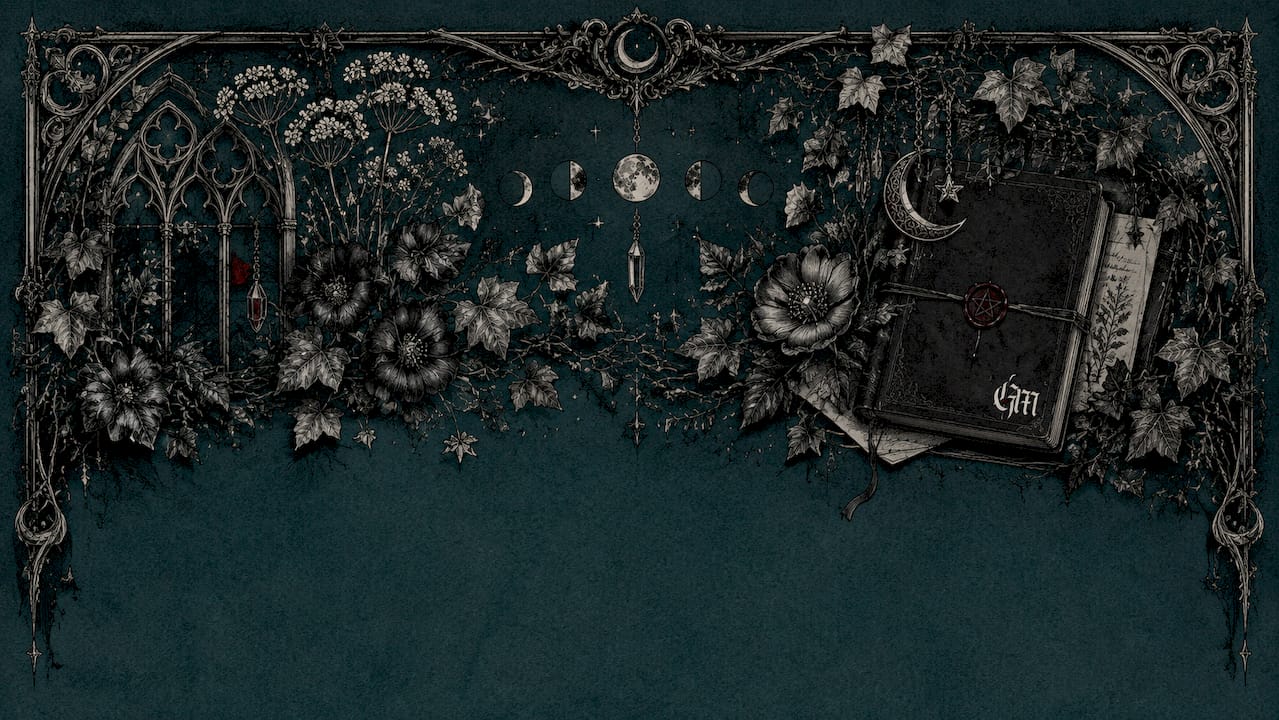
Celestial symbols are among the most versatile elements in any magical symbols list. They translate easily from ritual tools to wearable art, and they carry specific energetic meanings that practitioners can align with their practice. Moon phases and planetary sigils are the most common astrological motifs in witchy jewelry and decor as of 2026.
- Crescent moon: The most universally recognized witchy symbol after the pentagram. It signals intuition, the Goddess, and the liminal.
- Full moon: Represents power at its peak, completion, and heightened magical energy.
- Dark moon: Less common but growing in use. It signals rest, shadow work, and hidden knowledge.
- Sun cross (solar cross): A circle divided by four lines, representing the solstices and equinoxes. Common in pagan iconography and Norse-influenced design.
- Planetary sigils: Each classical planet (Saturn, Jupiter, Mars, Venus, Mercury, the Moon, and the Sun) has a traditional sigil used in ceremonial magic. These appear on talismans, rings, and altar tools.
- Star of Venus: The five-pointed path Venus traces across the sky over eight years. It connects directly to pentagram geometry and is a favorite in esoteric jewelry.
Pro Tip: Placement matters with celestial motifs. Symbol placement near thresholds or along energy centers of the body amplifies their intended effect, whether in tattoo design or home decor.
The sun and star imagery in witchy aesthetics often gets treated as purely decorative. Practitioners who understand the energetic associations, such as the sun’s connection to vitality, clarity, and masculine energy, use these symbols with far more precision. That precision is what separates meaningful witchy style from trend-chasing.
4. What magical tools and objects appear as motifs in witchy style?
Witchcraft tool symbols form a rich subcategory of esoteric imagery. These motifs reference the physical objects used in ritual, and each carries distinct symbolic weight that translates directly into fashion and decor.
- Cauldron: Represents transformation, the womb, and the element of water. It is one of the oldest symbols in Western witchcraft.
- Besom (broom): Used for energetic cleansing and boundary setting. Broom motifs appear in textiles, wall art, and jewelry.
- Chalice: Symbolizes the sacred feminine, the element of water, and ritual offering.
- Athame: A ritual knife representing the element of air and the masculine principle. Its motif appears in occult jewelry and altar art.
- Wand: Channels will and intention. Wand imagery is common in illustrated witchcraft prints and embroidered patches.
- Spell jars and potion bottles: Among the most popular decorative motifs in 2026 witchy home decor. They signal the practice of folk magic and apothecary tradition.
- Crystals: Amethyst, obsidian, and quartz appear as both physical tools and design motifs across jewelry and textile art.
| Motif | Primary Symbolism | Common Uses |
|---|---|---|
| Cauldron | Transformation, water element | Jewelry pendants, wall art, patches |
| Besom | Cleansing, protection | Textile prints, enamel pins, decor |
| Chalice | Sacred feminine, ritual | Altar art, engraved jewelry |
| Athame | Air element, will | Occult jewelry, illustrated prints |
| Spell jar | Folk magic, apothecary | Home decor, stickers, embroidery |
These tool motifs work especially well in layered styling. A chalice pendant paired with a moon phase ring and a besom embroidered jacket creates a coherent visual language without requiring any explanation.
5. How to create a personalized witchy motifs list beyond popular symbols
The most powerful witchy aesthetic is one you build yourself. Over 130 recognized witchcraft symbols exist, but the ones that carry the most personal charge are the ones you choose with intention or create from scratch.
- Distinguish aesthetic from magical use. Decide whether a symbol is decorative or spiritually active for you. That choice shapes how you wear it and where you place it.
- Research symbol origins. Understanding whether a motif comes from Wicca, ceremonial magic, folk tradition, or ancient religion prevents unintentional misrepresentation and deepens your connection to it.
- Create personal sigils. Sigil magic involves designing an abstract symbol that encodes a specific intention. Personalized sigils move you beyond commercialized aesthetics into authentic spiritual expression. Techniques like the letter-reduction method or the rose cross grid give you a structured starting point.
- Study unique jewelry techniques. Crafters who work with ethical, handmade approaches often produce pieces that carry far more individuality than mass-market alternatives.
- Respect cultural boundaries. Symbols like the Vévé from Haitian Vodou or the Hamsa from Middle Eastern and North African traditions carry specific cultural and religious weight. Use them only with genuine understanding of their context.
- Blend tradition with personal meaning. Take a classical symbol like the spiral and layer it with a personal color association or a specific stone. That layering creates a motif system that is yours alone.
The goal is not to reject popular symbols. The pentagram and triple moon are popular because they work. The goal is to build a personal visual vocabulary that goes deeper than what you find on a mass-market product page.
Key takeaways
A witchy motifs list built on foundational symbols, nature imagery, celestial signs, and magical tools gives you the most complete creative and spiritual vocabulary for 2026 expression.
| Point | Details |
|---|---|
| Start with foundational symbols | The pentagram, triple moon, and spiral anchor any serious witchy motifs list. |
| Use nature motifs seasonally | Rotate botanical and animal symbols with the Wheel of the Year for living, dynamic style. |
| Understand celestial meanings | Moon phases and planetary sigils carry specific energetic charges beyond decoration. |
| Know your tool symbols | Cauldron, besom, chalice, and athame motifs each reference distinct ritual functions. |
| Build a personal symbol system | Sigil creation and intentional layering move you beyond mass-market witchy aesthetics. |
Why the symbols you choose say more than you think
The most common mistake I see is treating witchy motifs as interchangeable decoration. A pentagram and an Ouroboros are not the same energy. One is protective and elemental. The other is cyclical and transformative. Wearing both without knowing the difference is like mixing two spells with opposite intentions.
What I have found after years of working with these symbols is that the ones that stick are the ones you chose for a reason. The triple moon I wear daily is not there because it looks good, though it does. It is there because I chose it during a specific period of personal change. That context is invisible to everyone else and completely legible to me.
The other thing worth saying plainly: the distinction between aesthetic and magical use is real and worth respecting. You do not have to be a practicing witch to love this imagery. But if you are going to wear a symbol with centuries of ritual history behind it, knowing what it means costs nothing and adds everything.
My honest recommendation is to start with three symbols maximum. Learn them deeply. Then expand. A focused witchy motifs list beats a cluttered one every time.
— Rey
Witchy motifs and magical products at Goth
Goth curates jewelry, decor, and apparel built around the symbols covered here, from pentagram pendants and triple moon wall art to seasonal botanical prints and spell jar decor. Every piece comes from independent creators who understand the difference between aesthetic and intention.
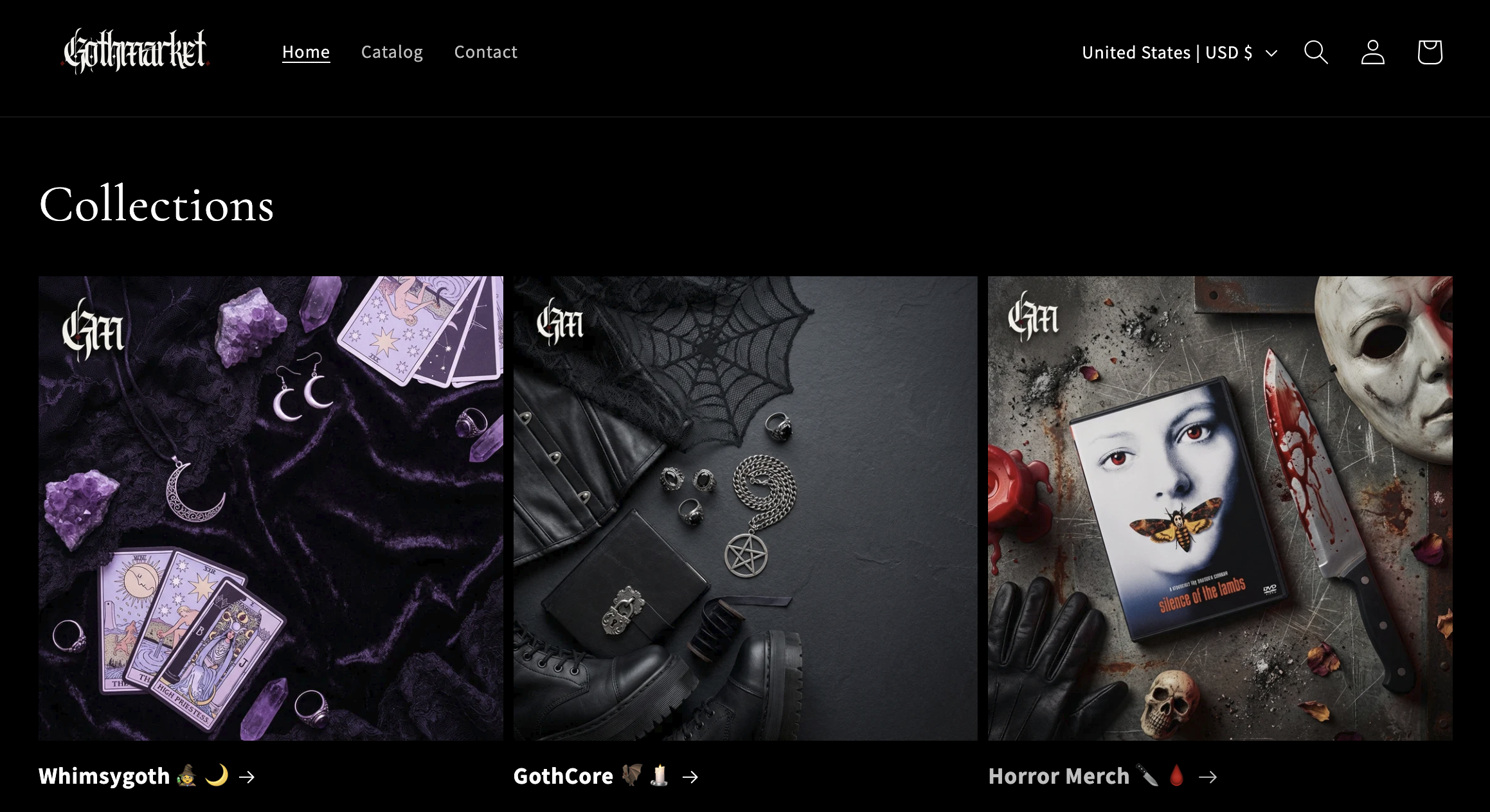
The witchcraft decor collections at Goth reflect 2026 trends in esoteric imagery without sacrificing symbolic depth. You will also find occult jewelry featuring classical motifs rendered by makers who take the symbolism seriously. Browse the full range at Goth.market and build a collection that means something.
FAQ
What is a witchy motifs list?
A witchy motifs list is a curated set of symbolic designs drawn from witchcraft, pagan iconography, and esoteric tradition. These symbols are used in fashion, decor, jewelry, and spiritual practice.
What are the most important symbols in witchcraft?
The pentagram, triple moon, and spiral are the three most foundational witchcraft symbols, recognized across Wicca, folk magic, and broader pagan traditions.
How do I choose witchy motifs that fit my practice?
Research each symbol’s origin and meaning before using it. Start with two or three symbols that align with your intentions, then expand your personal motifs list as your practice deepens.
What is the difference between aesthetic and magical witchy motifs?
Aesthetic motifs are chosen for visual appeal. Magical motifs carry intentional spiritual charge. The distinction matters because misusing symbols with deep ritual history can misrepresent the traditions they come from.
Can I create my own witchy symbols?
Yes. Sigil magic is a recognized practice in which you design a personal abstract symbol encoding a specific intention. Personal sigils move your aesthetic beyond commercialized designs into authentic expression.