

Witchy Home Decor Ideas for a Mystical Space in 2026
TL;DR:
- Witchy home decor emphasizes moody colors, symbolic motifs, and layered textures to create an immersive atmosphere. It promotes intentional curation of objects, natural materials, and soft lighting to achieve a mystical yet livable space. Focusing on fewer, well-chosen pieces and personal symbolism results in a calm, authentic ambiance.
Witchy home decor is defined by curated, intentional selections that combine symbolic motifs, deep moody tones, and layered textures to create a mysterious yet livable atmosphere. The aesthetic draws from occult traditions, bohemian home decor sensibilities, and nature-based symbolism to build spaces that feel genuinely immersive. Color palettes anchored in charcoal gray, forest green, Black Jam plum, and Soaked Violet form the core witchy palette for 2026. Moon phases, crystals, and gothic candelabras serve as the symbolic backbone of the style. Done well, a witchy interior feels like a place with a soul, not a costume.
1. Witchy home decor ideas start with the right color palette
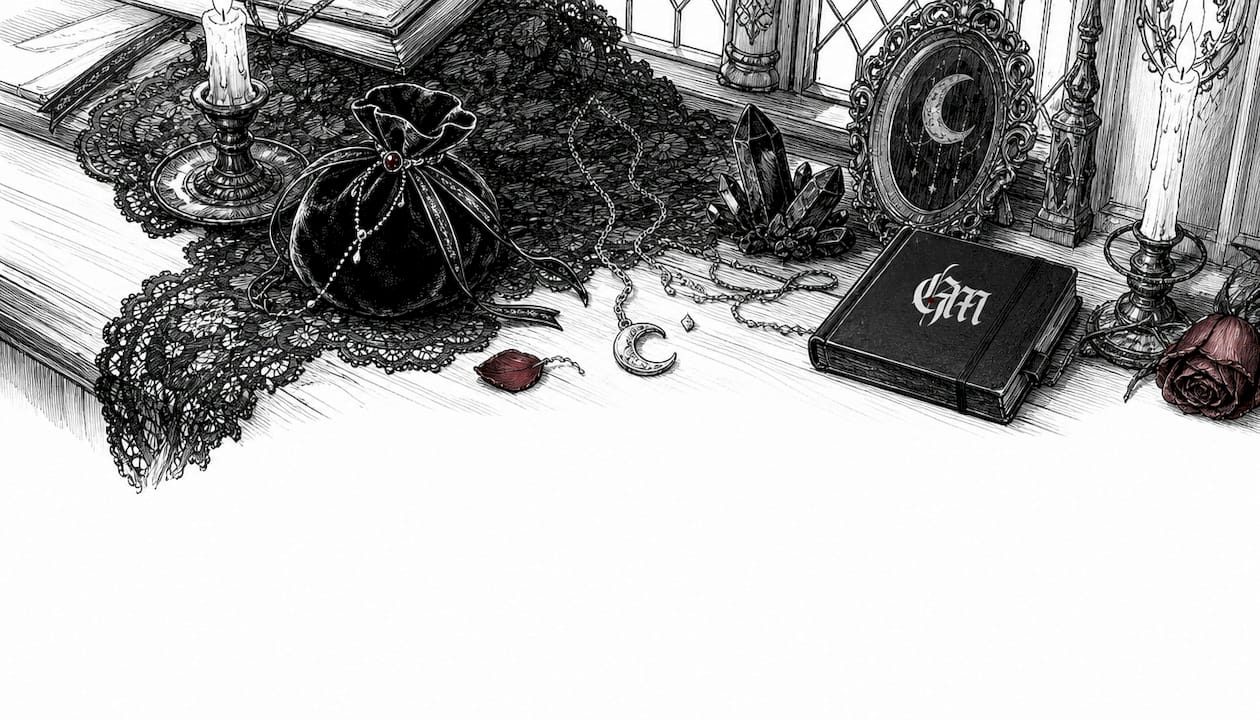
Color is the single most powerful tool in mystical interior design. Deep, moody tones like charcoal gray, forest green, Black Jam plum, and Soaked Violet create the enclosed, atmospheric quality that defines the witchy aesthetic. These colors signal calm and mystery at the same time.
The key is balance. Pair a dark wall color with warm-toned textiles so the room feels cozy rather than cold. A charcoal accent wall works well behind a velvet sofa in deep plum or forest green. Linen curtains in off-white or dusty sage soften the contrast without breaking the mood.
One underused technique: paint ceilings and trim the same dark color as the walls. This removes hard edges and makes furniture appear suspended in a cocoon of color. The effect reads as expensive and intentional rather than dramatic.
- Charcoal gray: pairs with brass, aged copper, and warm wood tones
- Forest green: grounds the space and connects to nature-based symbolism
- Black Jam plum: adds richness without reading as pure black
- Soaked Violet: works well as an accent on textiles and ceramics
Pro Tip: Test your dark paint color at three different times of day before committing. Moody tones shift dramatically between morning light, afternoon sun, and candlelight.
2. Symbolic motifs and mystical accents done right
Symbolic decor for witches works best when it tells a personal story rather than checking a trend box. Moon phase wall art, tarot prints, and zodiac imagery each carry layered meaning. Placed thoughtfully, they become focal points. Scattered randomly, they read as clutter.
Grouping crystals in one dedicated display increases visual impact far more than spreading them across every surface. A single tray or wooden box holding amethyst, obsidian, and clear quartz creates a vignette with real presence. The grouping signals intention, which is the core of the witchy aesthetic.
Tarot and zodiac prints work well in gallery wall arrangements. Choose frames in matte black or aged gold to keep the palette cohesive. Mix print sizes for visual rhythm, and leave breathing room between frames so each piece reads clearly.
- Moon phase art: works as a horizontal series above a bed or sofa
- Geometric sigil prints: add occult home accents without literal imagery
- Crystal vignettes: use a dedicated tray, shelf, or shadow box
- Zodiac ceramics: functional pieces like mugs or bowls that carry symbolism daily
For metal art with genuine witchy character, pieces like moth and skull designs bring the right balance of dark elegance and craft. They work as standalone wall statements or as part of a larger gallery arrangement.
3. Textural layering with natural materials
Texture is what separates a witchy room from a painted-dark room. Natural materials like wood, stone, clay, and raw fabrics add authenticity and grounding that no paint color can replicate alone. The imperfections in these materials create depth and character.
The current trend moves decisively away from plastic props toward what designers call “Dark Elegance.” Heavy velvet runners, matte stone accents, and dried florals create a Manor-style aesthetic that reads as sophisticated rather than novelty. This shift matters because it makes witchy decor year-round livable rather than seasonal.
Dried botanicals deserve special attention. Bundles of dried lavender, eucalyptus, or pampas grass hung from hooks or placed in tall vases add vertical interest and a faintly herbal quality to the air. They also photograph beautifully, which matters if you want your space to feel curated.
Pro Tip: Layer at least three different fabric textures in every room: one smooth (velvet or silk), one rough (linen or burlap), and one woven (rattan or macramé). The contrast makes the space feel rich without adding more objects.
- Velvet: cushions, throws, and upholstered furniture in deep jewel tones
- Linen: curtains and table runners for softness and natural texture
- Woven rattan or macramé: wall hangings and baskets for bohemian depth
- Dried botanicals: herbs, pampas grass, and seed pods for organic character
4. Lighting techniques for a moody, immersive atmosphere
Lighting is the fastest way to transform a room’s mood. Witchy interiors rely on layered, soft lighting rather than harsh overhead fixtures. Overhead lights flatten shadows and kill mystery. Amber tea lights, dimmable floor lamps, and LED accent strips build depth and contrast instead.
Place LED strips under crystal displays or along the base of bookshelves. The upward glow makes objects appear to float and adds a subtle drama that overhead lighting never achieves. This technique works especially well with translucent crystals like selenite and rose quartz, which diffuse light beautifully.
Layered lighting with amber tones and shadow interplay is the defining quality of an immersive mystical space. The goal is to light the objects and surfaces you want noticed, and let everything else recede into shadow. That contrast is what creates the “silent wow” moment when someone walks into a well-designed witchy room.
- Amber tea lights: place in clusters on mantels, shelves, and windowsills
- Dimmable floor lamps: use warm-toned bulbs at 2,700K or lower
- LED strips: run under shelves, behind headboards, or beneath crystal trays
- Lanterns: hang at varying heights for layered vertical light
5. High-impact centerpieces and focal points
Every witchy space needs at least one element that stops people in their tracks. Stylists recommend limiting decor to 3–5 high-impact elements in small spaces to achieve an intentional, expensive look. More than that, and the room starts to feel like a collection rather than a curated space.
A black vase holding dried pampas grass or black-dyed branches makes an immediate statement with minimal effort. A gothic candelabra on a dining table or mantel anchors the room’s mood. Floating witch hat displays, when executed with quality materials rather than plastic, add whimsy without sacrificing sophistication.
Apothecary vignettes, gothic candelabras, and floating displays create atmosphere without expensive clutter. The trick is grouping rather than scattering. Three objects placed together on a tray read as a deliberate composition. The same three objects spread across a room read as forgotten.
For witch-themed room ideas built around a single focal wall, consider a large moon phase tapestry paired with flanking sconces and a low console table holding a crystal grouping below. The vertical arrangement draws the eye upward and creates a shrine-like quality that defines the witchy aesthetic at its most intentional.
6. Blending bohemian and witchy styles for a personal look
The Modern Boho aesthetic overlaps directly with witchy themes by prioritizing texture over color and ensuring every object carries personal meaning. This overlap is useful because it gives you permission to mix styles without losing coherence. A macramé wall hanging next to a crystal grid reads as intentional, not confused.
The rule that unifies both aesthetics: every item must earn its place. Curated objects create soulful spaces. Random accumulation creates cluttered ones. When you apply this filter to alternative home styling, the result is a room that feels lived-in and meaningful rather than decorated for effect.
For symbolic decor that bridges both worlds, look for pieces that combine natural materials with occult imagery. A wooden moon carved with runes, a clay bowl holding herbs and crystals, or a woven tapestry featuring celestial patterns all work in both bohemian and witchy contexts. The crossover is where the most interesting rooms live.
Pro Tip: Before buying any new piece, ask whether it connects to something you actually believe in or find beautiful. Witchy decor built on genuine personal meaning always looks more considered than decor assembled from a trend list.
Key Takeaways
Witchy home decor succeeds through intentional curation of moody colors, symbolic motifs, layered textures, and soft lighting rather than through quantity of objects.
| Point | Details |
|---|---|
| Start with color | Use charcoal gray, forest green, Black Jam plum, or Soaked Violet as your base palette. |
| Group symbolic objects | Cluster crystals and occult accents into vignettes rather than scattering them across surfaces. |
| Layer textures | Combine velvet, linen, and natural materials to create depth and authenticity. |
| Replace overhead lighting | Use amber tea lights, dimmable lamps, and LED strips to build shadow and mystery. |
| Limit focal pieces | Choose 3–5 high-impact centerpieces in small spaces to keep the look intentional. |
What I’ve learned from years of styling dark interiors
The biggest mistake I see in witchy decor is confusing quantity with atmosphere. People buy every crystal, every moon print, every black candle they find, and then wonder why the room feels chaotic instead of mysterious. The rooms that genuinely stop you cold are almost always the ones with fewer, better-chosen pieces.
Texture convinced me of this more than anything else. I once styled a room using only three colors and five objects, but every surface had a different material: rough stone, smooth velvet, raw wood, aged brass, and dried botanicals. The room felt layered and alive. A room twice as full of objects but with flat, uniform surfaces felt empty by comparison.
The other thing I’d push back on is the idea that witchy decor needs to look spooky. The best mystical interiors feel calm and intentional. They pull you in rather than unsettling you. That quality comes from dark decor tips focused on mood rather than novelty. Vintage pieces mixed with modern elements create that lived-in quality that no new-from-a-box prop can replicate.
Trust your own symbolism over anyone else’s trend list. The most memorable witchy spaces I’ve seen belong to people who decorated around what genuinely matters to them, not what was popular that season.
— Rey
Curated witchy decor, sourced from independent makers
Goth brings together independent creators and vendors who specialize in exactly the kind of pieces this article describes: gothic candelabras, crystal vignette supplies, occult wall art, and dark textile accents made with genuine craft rather than mass-market shortcuts.

The witchy decor collection at Goth covers everything from moon phase wall art and apothecary-style vessels to handmade gothic centerpieces built for year-round display. Every vendor on the platform is vetted for quality and aesthetic alignment, so you spend less time filtering and more time building the space you actually want. If you know what mood you’re after, Goth has the pieces to get you there.
FAQ
What colors work best for witchy home decor?
The most effective palette for witchy interiors includes charcoal gray, forest green, Black Jam plum, and Soaked Violet. These tones create an enclosed, atmospheric quality without making a space feel oppressive.
How do I avoid a cluttered witchy look?
Stylists recommend limiting decor to 3–5 high-impact elements in small spaces and grouping symbolic objects into dedicated vignettes rather than spreading them across every surface.
What lighting creates the best witchy atmosphere?
Amber tea lights, dimmable lamps set to warm-toned bulbs, and LED strips placed under crystal displays build the layered shadow and depth that define immersive mystical interiors.
How does bohemian decor relate to witchy style?
The Modern Boho aesthetic overlaps directly with witchy themes by prioritizing personal intentionality and texture over color, making the two styles easy to blend without losing visual coherence.
What natural materials suit a witchy interior?
Wood, stone, clay, dried botanicals, and raw fabrics like linen and burlap all ground the witchy aesthetic. Their natural imperfections add character and authenticity that polished or synthetic materials cannot replicate.