

Start Witchcraft Tonight: Use Household Items as Tools, Then Upgrade to Artisan Finds
Every beginner witch needs several core items: an athame, wand, pentacle, and chalice (the four elemental tools), plus candles, a Book of Shadows, and something to cleanse your space, like incense. That’s the whole starter list. Tools are symbolic, not magic in themselves, so a $12 dollar-store candle works exactly as well as one that costs $80. Buy slowly, one piece at a time, and let your collection grow with your practice instead of maxing out a cart on day one.
TL;DR:
- Beginners can start with inexpensive, everyday household items like a mug for a chalice and a spoon as a wand, using intention to consecrate them for ritual use.
- Core tools such as the athame, wand, pentacle, and chalice are symbolic and do not require expensive or artisan products to be effective.
- Prioritize safety and personal resonance over trends, buying one item every two weeks to ensure each tool is truly needed before adding the next.
- Secondary tools like crystals, divination items, and cauldrons are optional initially but highly useful for specific practices once the core setup is established.
- Tools should match your path, with different practitioners focusing on elements like herbal work, formal ritual, or kitchen magic, rather than aiming for a universal collection.
Table of Contents
- What Are the Essential Elemental and Altar Tools?
- Which Secondary Tools Are Worth Adding Later?
- How Should You Decide What to Buy First?
- What Household Items Work as Ritual Substitutes?
- Why Trust This Guide?
- How I Built My First Altar (and What I Still Use)
- Where to Find Curated, Artisan Witchcraft Supplies
- Sources
- FAQ
What Are the Essential Elemental and Altar Tools?
The four elemental tools trace back through traditional Wiccan practice, where each one anchors to an element and a job inside the circle: air, fire, water, and earth. You don’t need all four to start practicing, but knowing what they do helps you decide what to buy first.
The athame is a ritual blade used for directing energy and casting circles, not for chopping herbs or cutting cord. It’s traditionally paired with air, though some traditions link it to fire. A separate tool called a boline handles physical cutting, which keeps the athame’s symbolic edge from ever touching mundane use. Once consecrated, most practitioners treat their athame as personal. It’s not something you hand around a room.
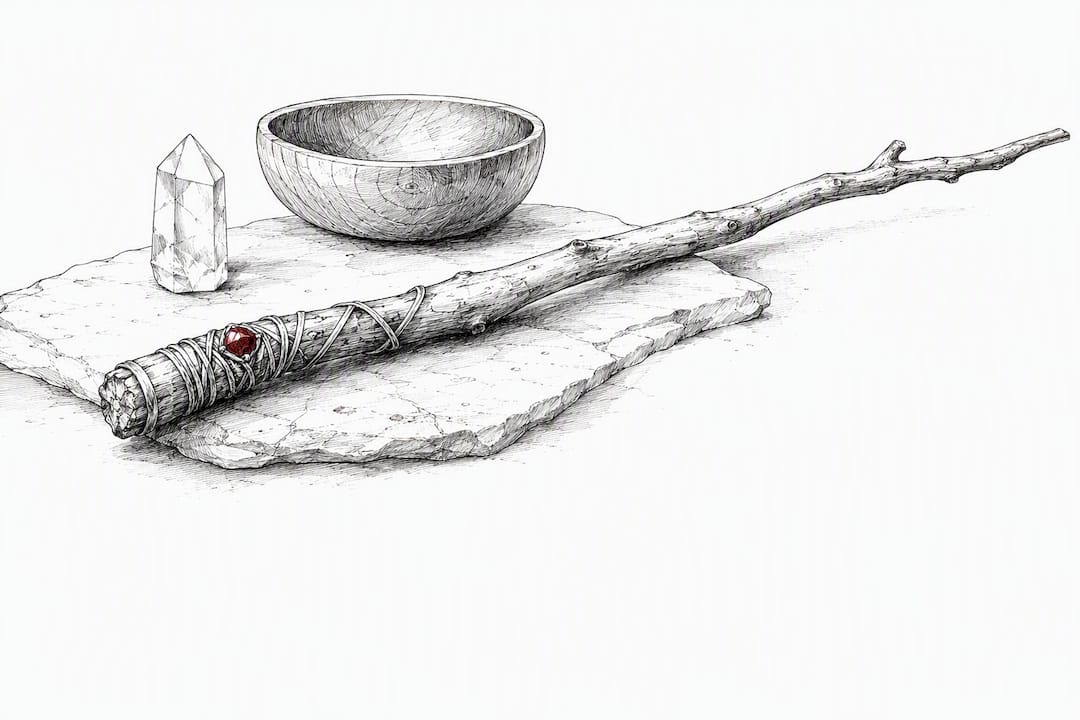
The wand channels intention rather than cutting anything. Wood, crystal, or metal all work, and plenty of witches carve or collect a fallen branch and call it done. A wand is also one of the easiest tools to make yourself, which matters if you’re building a kit on a tight budget.
The pentacle is a flat disk, usually wood, metal, or clay, inscribed with a five-pointed star inside a circle. You set objects on it to charge them, use it for grounding, or place it at the center of your altar as a protective anchor point.
The chalice holds liquid offerings during ritual, water, wine, juice, whatever fits your practice. Any small cup works. A favorite mug pulled from your kitchen cabinet does the job just as well as a pewter goblet, since intention matters more than the price tag on the vessel.
Beyond the four elemental tools, three altar basics round out a functional setup:
- Candles in white or beeswax cover almost every working, since white substitutes for any color you don’t have on hand. Use a stable, heatproof holder and never leave a lit candle unattended.
- A Book of Shadows or journal records spells, moon phases, dreams, and outcomes. Structure doesn’t matter as much as consistency. Date every entry so you can track what actually works over time.
- Cleansing tools like incense clear stagnant energy from a space before or after ritual. If smoke bothers you or your living situation, a salt dish or a bowl of water works as a smoke-free alternative. Ventilation matters whenever you’re burning anything indoors, and a heatproof dish underneath any incense stick or charcoal disc is non-negotiable.
For a printable version of this exact breakdown, Goth’s beginners’ altar tools checklist walks through the four core tools plus budget and DIY options side by side.
Which Secondary Tools Are Worth Adding Later?
Once the core eight items are covered, a second tier of witchcraft supplies opens up. None of these are required to practice, but each solves a specific problem well enough that most witches add at least a few within their first year.
- Cauldrons and heatproof vessels hold burning herbs, mix potions, or serve as a small fire-safe bowl for spell work. A cast-iron mini cauldron the size of a teacup handles most apartment-sized rituals without any fire risk.
- Bolines are the practical cutting counterpart to the athame, used for harvesting herbs, trimming candle wicks, or cutting cord for knot magic.
- Crystals like clear quartz, black tourmaline, and amethyst cover the three most common starter needs: amplifying intention, grounding and protection, and calming energy. Buy from a source that discloses where stones come from, since quality and ethical sourcing vary wildly between sellers. A practical crystal guide breaks down what to look for before you spend money on your first set.
- Divination tools, tarot decks, rune sets, or a pendulum, help you ask questions your intuition alone can’t answer. Pick one system and learn it well before adding a second; a cluttered divination shelf usually means none of the tools get used regularly. If you’re drawn to lunar timing specifically, a guided new moon reading is a low-commitment way to see how a structured reading works before buying your own deck.
- Mortar and pestle, offering bowls, bells, and a besom (ritual broom) each solve a narrow problem, grinding herbs, holding offerings, marking the start or end of ritual, symbolically sweeping a space clean, and they’re worth adding once you know your practice actually needs them.
Extended tool guides generally agree these secondary items are optional, and most stress the same point: symbolism over cost, and collect gradually rather than all at once.
How Should You Decide What to Buy First?
Start by matching purchases to your path. Ceremonial witches lean toward formal ritual tools like a full elemental set; kitchen witches prioritize cookware and herbs over blades and crystals; green witches invest early in a mortar and pestle and drying space; eclectic practitioners mix and match as needs arise. Your tool set should reflect the kind of witch you actually are, not the kind you think you should be.
Prioritize three things over trends: safety (heatproof dishes, stable candle holders), multiuse items (a chalice that’s also just a nice mug), and pieces that resonate with you personally. A $6 dollar-store candle that feels right beats a $60 artisan candle that doesn’t.
Budget breaks into tiers. A basic starter tier covers candles, a journal, and a dollar-store dish for a modest total. Mid-range includes a curated wand, small crystal set, and a proper chalice. Artisan pieces like a hand-forged athame or a carved wooden pentacle are usually saved for once you know you’re sticking with the practice.
- Ask any vendor where the item was sourced or made.
- Ask what material it’s made from and whether it’s food-safe or fire-safe.
- Ask if the piece comes with any care instructions.
Watch for three red flags: vague sourcing claims, no return policy on breakable items, and pressure to buy a “complete kit” before you know what you’ll actually use.
Pro Tip: Buy one new tool at most every two weeks when you’re starting out. It forces you to actually use each item before the next one arrives, which is how you learn what you really need versus what just looked good in a listing photo.
What Household Items Work as Ritual Substitutes?
You don’t need a single purchase to start practicing tonight. Kitchen witchcraft leans hard on this idea: a wooden spoon becomes a wand, a favorite mug becomes a chalice, and a kitchen knife set aside exclusively for ritual becomes an athame.
- Wooden spoon → wand
- Favorite mug → chalice
- Dedicated kitchen knife → athame
- Small plate or cutting board → pentacle
- Cereal bowl → cauldron substitute
To consecrate a substitute, hold it in both hands, state out loud that you’re dedicating it to ritual use only, and pass it briefly through candle smoke or a pinch of salt. That’s it. Swap it for a purpose-made version once the object stops feeling like “just a spoon” and starts feeling like your wand.
Why Trust This Guide?
This list comes from Rey, a contributor at Goth who covers practical, beginner-first witchcraft supplies rather than aspirational shopping lists. Goth operates as a curated marketplace connecting independent artisans with buyers looking for ritual tools, so sourcing advice here reflects what actually shows up in that kind of inventory. Every recommendation favors safety and low-cost entry points first, expensive artisan pieces second.
How I Built My First Altar (and What I Still Use)
My own starter altar was four items: a white candle, a thrifted mug for a chalice, a wooden spoon standing in as a wand, and a notebook for tracking moon phases. That’s genuinely enough to run a simple grounding ritual, light the candle, hold the spoon, and state an intention out loud before bed. Nothing fancy, nothing expensive. Collect the rest with intention, and let your altar tell you what it’s still missing.
— Rey
Where to Find Curated, Artisan Witchcraft Supplies
This marketplace suits the moment when you outgrow the wooden-spoon wand and want something handmade. It offers ritual blades, altar cloths, chalices, and crystals from independent artisans rather than mass-produced imports, with pricing reflecting craftsmanship.
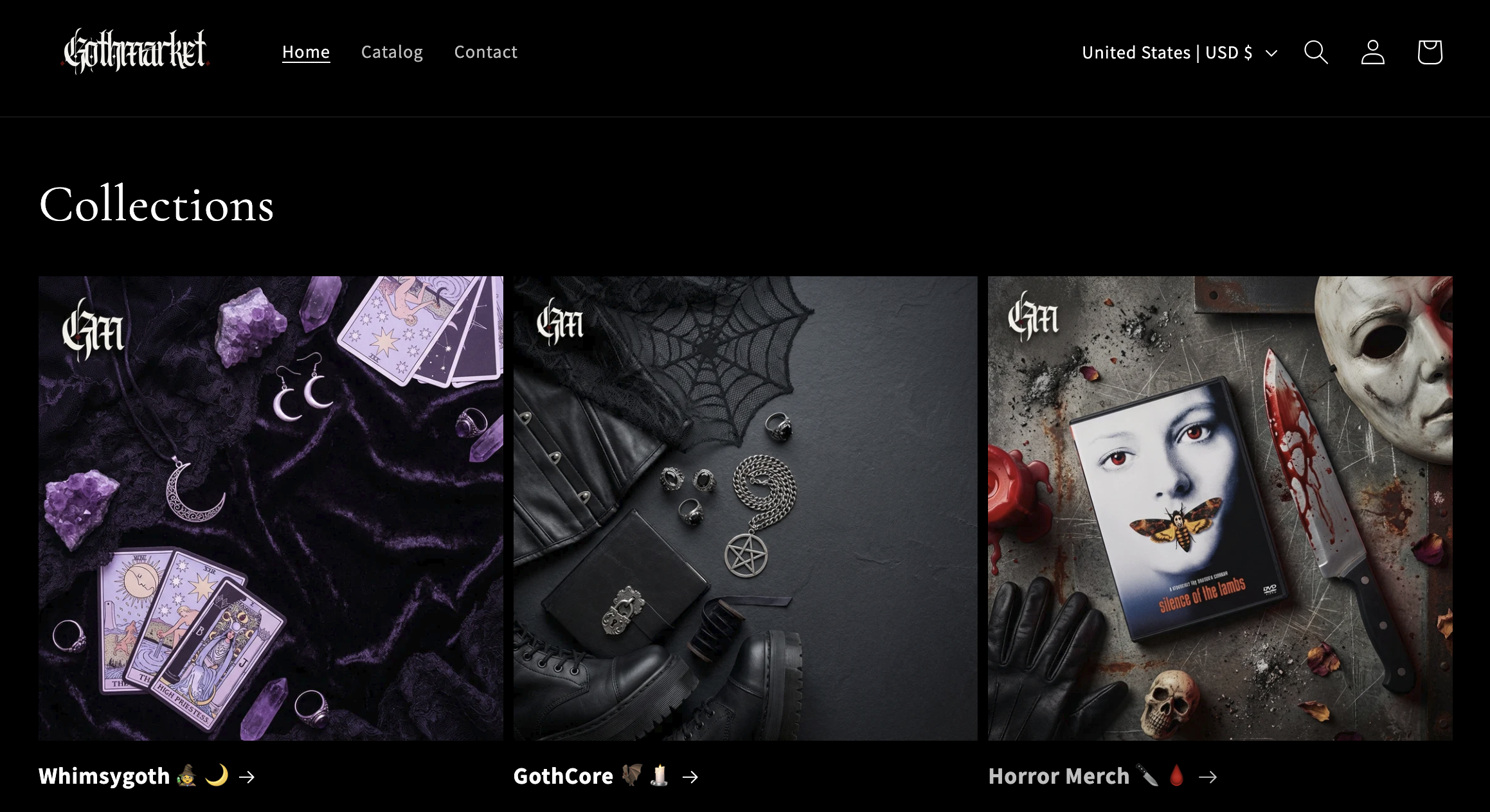
Categories run from entry-level pieces (simple carved pentacles, plain beeswax candles) up through statement athames and one-of-a-kind altar cloths, so you can shop by budget tier rather than settling for whatever a general marketplace happens to stock. If you’re ready to move past DIY substitutes, browse Goth’s curated witchcraft supplies and filter by category to find the piece that matches where your practice is headed next.
Sources
- Magical tools in Wicca — Wikipedia
- Essential magickal tools list — DefinePagan (2025)
- Kitchen witchcraft tools — Spells8
FAQ
What Are Some Witchy Items Beginners Should Recognize?
Common witchy items include the athame, wand, pentacle, chalice, candles, incense, a Book of Shadows, cauldrons, and divination decks like tarot or runes. Most beginners recognize these from folklore and media long before they own any of them.
What Are the 12 Witch Types?
There’s no single agreed-upon list of “12 witch types,” since witchcraft traditions vary widely and don’t follow one official classification. Broad categories that do come up consistently include ceremonial, green, kitchen, eclectic, hereditary, and Wiccan witches, each shaped by different tool priorities and practices.
What Do Beginner Witches Need to Get Started?
A beginner needs the four elemental tools (athame, wand, pentacle, chalice) plus candles, a journal or Book of Shadows, and a way to cleanse space like incense or salt. A minimal altar can start with just a candle, a dish of salt, a glass of water, and one natural object.
What Are Some Examples of Witchy Instruments?
Witchy instruments typically include bells for marking ritual transitions, drums or rattles for rhythm work, and singing bowls for sound cleansing. None of these are required tools, but they show up often in group ritual and energy work.
Do I Need to Buy All the Tools at Once?
No. Most experienced practitioners recommend collecting tools gradually so each item carries real personal meaning rather than buying a complete kit in one purchase. Start with candles, a journal, and one elemental tool, then add pieces as your practice develops.
Can I Use Regular Household Items Instead of Ritual Tools?
Yes. A wooden spoon can serve as a wand, a favorite mug as a chalice, and a dedicated kitchen knife as an athame, since intention and consistent use matter more than whether an item was purchased specifically for ritual.
How Much Should a Beginner Witchcraft Tool Kit Cost?
A basic starter tier covers candles, a journal, and a dollar-store dish for a modest total. Mid-range includes a curated wand, small crystal set, and a proper chalice. Artisan pieces like a hand-forged athame are usually saved for once you know you’re sticking with the practice.
What’s the Difference Between an Athame and a Boline?
An athame directs energy and casts circles, while a boline is a separate blade used for physical cutting tasks like harvesting herbs or trimming cord. Keeping the two separate preserves the athame’s symbolic purpose once it’s been consecrated.