

A Witchy Product Listing Guide to Building Your First Toolkit
Ten items cover most beginner practices: an athame, ritual or spell candles, herbs and botanicals, crystals, smudge or white sage, a chalice, ritual oils, a pentacle token, a cauldron, and a Book of Shadows. This set works because it touches every basic function of practice: casting, intention setting, protection, and record-keeping. Whether you’re shopping as a practitioner or building product pages as a seller, this witchy product listing guide breaks down what each item needs to say to a buyer, drawing on standard practices like 150 to 400 word product description structures and marketplace listing conventions from platforms like Etsy.
Key Takeaways
A complete beginner practice needs ten core items covering ritual, protection, and record-keeping, and ethical sourcing matters most for white sage specifically.
| Point | Details |
|---|---|
| Start with five items | Candles, herbs, a cup, a notebook, and one crystal cover daily practice without overbuying. |
| Sourcing details signal quality | Sellers who name material, sourcing, and exact measurements tend to write more trustworthy listings overall. |
| White sage needs a sourcing check | Choose sustainably grown sage or swap to cedar or rosemary given overharvesting concerns. |
| Safety comes before aesthetics | Burn candles and herbs only in ventilated spaces with fire-safe dishes, never unattended. |
| Goth.Market centralizes curated options | The marketplace connects buyers directly to independent makers selling witchy supplies by category. |
Table of Contents
- What Should Be On My Witchy Starter Checklist?
- What Are the Essential Witchy Products and How Do You Use Them?
- How Do I Choose the Right Witchy Supplies for My Practice?
- How Do I Store and Care for My Witchy Supplies Safely?
- How Do I Set Up a Basic Altar With These Items?
- Why Handmade and Curated Witchy Items Matter
- Where Can I Find Curated Witchy Supplies?
- Sources
- FAQ
What Should Be On My Witchy Starter Checklist?
Start with candles, a small bundle of herbs, a cup or chalice, a notebook for your Book of Shadows, and one crystal tied to your main intention.
- Candles: cheap tealights or chime candles work fine before you invest in ritual-specific tapers.
- Herbs: a single jar of dried rosemary or mugwort covers cleansing and dream work.
- Chalice or cup: any glass or ceramic cup from your kitchen counts at first.
- Book of Shadows: a spiral notebook beats an empty leather journal you’re afraid to write in.
- One crystal: pick one stone tied to your goal (protection, calm, clarity) rather than buying a set.
The athame, cauldron, and pentacle are useful but optional in month one. Herbs and your journal see the most daily use.
What Are the Essential Witchy Products and How Do You Use Them?
Each of these ten items shows up across nearly every tradition, though how you use them shifts with your practice.
The athame is a ritual blade, typically double-edged and dull, used to direct energy rather than cut anything physical. Look for a comfortable grip and a blade under six inches for altar work; a pocketknife with a distinct handle works as a stand-in. Point it toward the north when casting a circle to mark its boundary.
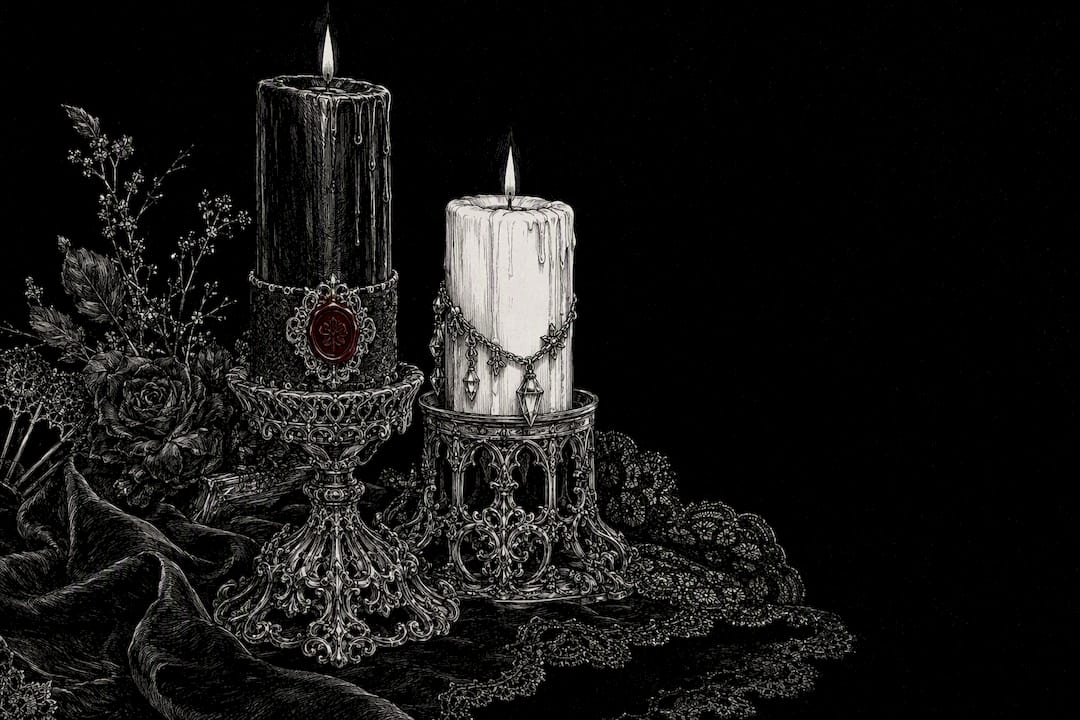
Ritual and spell candles carry intention through color and scent, from white for general purpose to black for banishing. Buy candles in a holder that catches drips and matches the color coding you plan to use. Light one while stating your intention aloud, then let it burn down fully or snuff it between sessions.
Herbs and botanicals, loose or blended, get burned, brewed, or scattered depending on purpose. Check that a blend lists every ingredient by name, since “ritual herbs” alone tells a buyer nothing. Steep chamomile and lavender for a calming tea before divination work.
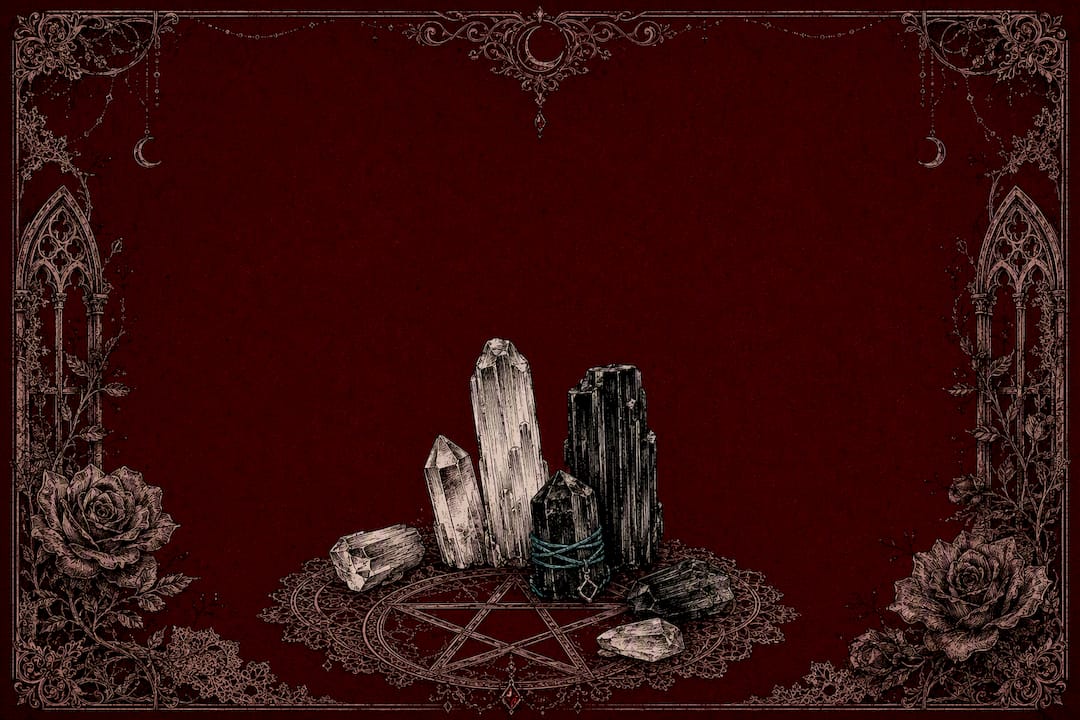
Crystals like black tourmaline for grounding or selenite for cleansing anchor physical intention into an object. Buy stones with weight and clarity descriptions rather than vague photos, since size varies wildly between listings. Place tourmaline near a doorway to mark a boundary of protection.
Smudge and white sage clear space energetically, though white sage specifically comes with a sourcing problem worth knowing before you buy. Overharvesting has strained wild sage populations, and Indigenous communities have raised concerns about commercial sale of a plant used in closed ceremonial practice. A sustainably grown, clearly sourced bundle, or an alternative like cedar or rosemary, solves both problems.
The chalice holds water, wine, or other liquid offerings during ritual. A simple stemmed glass does the job before you spend on pewter or silver. Fill it with water and set it opposite a candle to represent the element pairing of fire and water.
Ritual oils and anointing blends carry scent and intention onto candles, skin, or tools. Confirm carrier oil and essential oil ingredients are listed, since allergy risk hides in vague labeling. Dab a drop on a candle’s wick end before lighting for a protection or love working.
A pentacle or pentagram token represents the element of earth and often sits at the center of an altar. A flat wooden or metal disk under three inches works for most home setups. Rest a crystal or offering on top of it during a working.
The cast-iron cauldron, or a small fireproof bowl for apartment practice, holds fire, water, or burning herbs. Confirm any cauldron sold for flame use is actually fire-rated, not decorative. Burn a written intention inside it, then bury or scatter the ash.
The Book of Shadows records spells, correspondences, and personal notes, and it’s the one item you’ll touch most. Any bound notebook works before you commit to a specialized journal. Log the date, moon phase, and outcome after every working.
- Buying tip across the board: look for exact material and dimension listings, since “small” and “large” mean nothing without measurements.
- Buying tip: sellers who name their sourcing (where wax, herbs, or stone come from) tend to describe the rest of the product more carefully too.
Pro Tip: Buy your cauldron or bowl based on where you’ll actually practice. A six-inch cast-iron cauldron looks stunning on a fixed altar but is dead weight in a travel kit; a two-inch brass bowl handles the same job for apartment or dorm rituals.
How Do I Choose the Right Witchy Supplies for My Practice?
Match material, size, and intention before price. A stone graded for jewelry differs from one sold as a raw specimen, and a two-inch travel altar cloth serves a different purpose than a full altar spread.
Run through this before buying:
- Material and craftsmanship: hand-poured versus mass-molded candles burn differently and often smell stronger.
- Intended use: an athame for symbolic casting doesn’t need a sharpened edge; one bought as a display piece might.
- Size and portability: travel kits need a cauldron alternative under three inches and a compact herb tin.
- Scent and allergy risk: check for essential oil disclosures if you’re sensitive to fragrance.
- Symbolic fit: pick colors and stones matched to your actual goal, not just what looks good in photos.
Ask a seller directly about sourcing, exact measurements, and care instructions before buying anything marketed as “wild-harvested” or “hand-selected.” Watch for red flags: no care instructions, vague return policies, or white sage marketed without any sourcing detail at all.
Sellers writing their own listings should aim for the same structure. A 150 to 400 word description with a benefit-first opening line, three to five scannable bullets, and a short FAQ consistently outperforms a single dense paragraph, according to Squarespace’s copywriting guidance.
How Do I Store and Care for My Witchy Supplies Safely?
Never leave a burning candle or herb bundle unattended, and always burn in a ventilated space with a fire-safe dish underneath.
- Store crystals in soft pouches, away from harsh cleaning chemicals that can dull or damage porous stones.
- Cleanse stones with sunlight briefly, since some (like amethyst) fade with prolonged exposure; moonlight is safer for most types.
- Keep herbs in sealed jars away from direct light to preserve potency.
If white sage sourcing troubles you, cedar, sweetgrass grown outside ceremonial contexts, or a locally foraged rosemary blend all clear space without the same ethical weight.
Pro Tip: A gothic-styled decor piece doubles as safe candle storage. A closed-front cabinet keeps wax and herbs out of direct sun while looking intentional on display, not just functional.
How Do I Set Up a Basic Altar With These Items?
- Pick a flat, stable surface, a shelf, windowsill, or small table works.
- Arrange items by function: candle for fire, chalice for water, crystal or pentacle for earth, incense for air.
- Keep flammable items (candles, herb bundles) away from curtains or paper, and leave room to write in your Book of Shadows nearby.
A three-line ritual to try: light your candle while naming an intention, pour water into your chalice as a symbol of clarity. Then, write the date and intention in your Book of Shadows.
Pro Tip: Adjust this setup to your tradition. A folk magic practice might swap the pentacle for a horseshoe or house blessing herb, while an eclectic altar borrows freely across systems.
Why Handmade and Curated Witchy Items Matter
I’ve found that supplies made with visible intention, hand-poured candles, small-batch herb blends, tend to outperform mass-produced versions in both feel and function. Community-sourced recommendations and a curated marketplace focus point buyers toward makers who put real thought into sourcing and craft.
Where Can I Find Curated Witchy Supplies?
If you’d rather skip sorting through mass-market listings, Goth.Market curates gothic, occult, and witchy supplies from independent creators in one place.
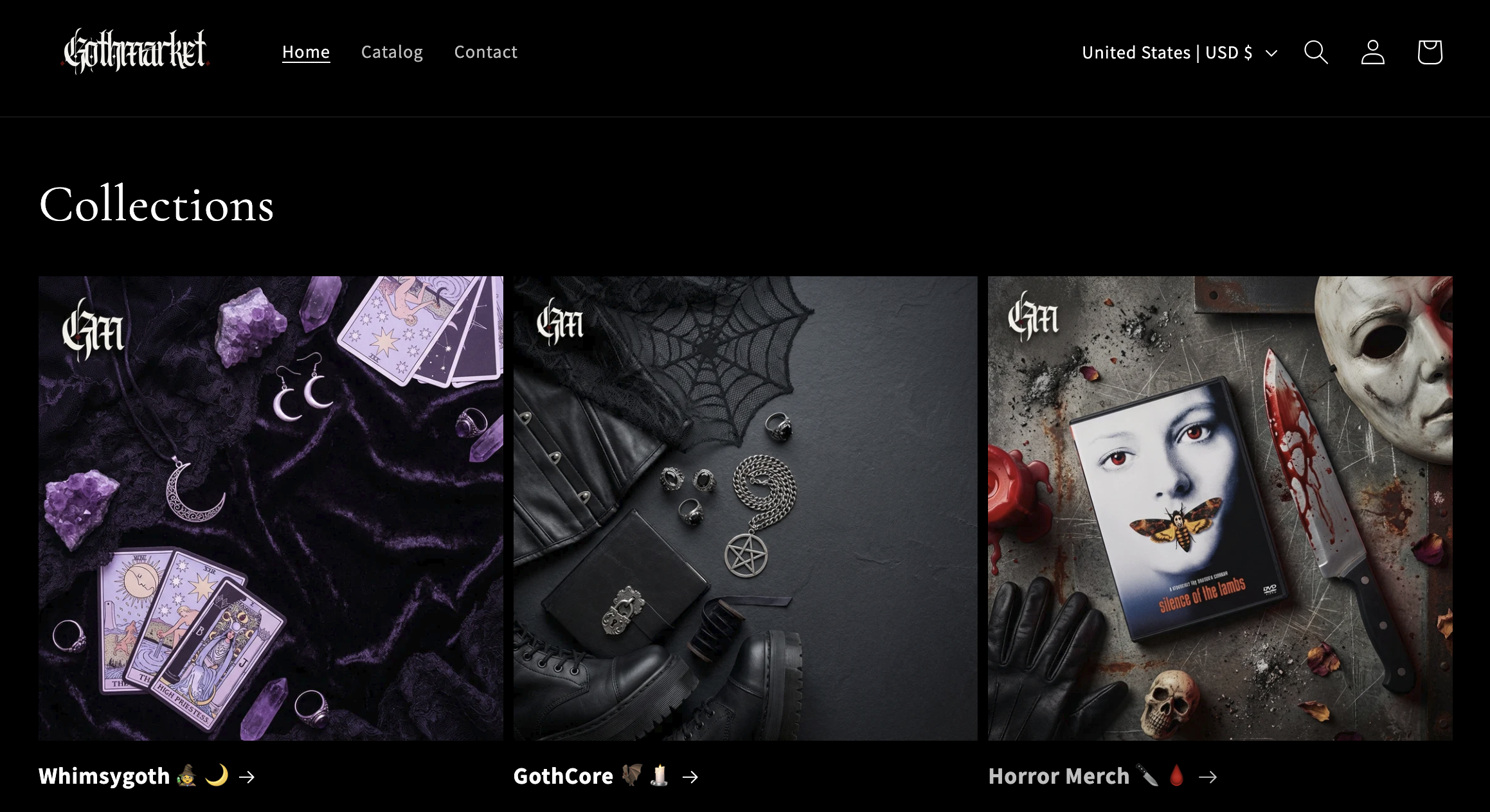
Goth.Market functions as a marketplace connecting independent makers and vendors directly to buyers, so every listing you browse comes from someone actually crafting the item rather than a warehouse reselling generic stock. Search terms like “spell candle,” “protection crystal,” or “ritual chalice” inside the curated witchcraft supplies collection to find starter-kit pieces fast, or browse by category if you’re still narrowing down your intention. If you’re building a full altar setup or just replacing one worn item, Goth and check a listing’s material and sourcing notes before you check out.
Sources
- How to write product descriptions that convert | Squarespace
These help with listing structure, photography, and sourcing decisions alike.
FAQ
What items are associated with witchcraft?
Common items include an athame, candles, herbs, crystals, a chalice, ritual oils, a pentacle, a cauldron, and a Book of Shadows. The exact mix varies by tradition, but these ten cover most practices across Wicca, eclectic witchcraft, and folk magic.
What should every witch have?
At minimum, a way to write things down (a Book of Shadows or notebook), a candle, and one crystal or herb tied to your intention. Everything else builds outward from those three basics as your practice grows.
How do I find my witch name?
There’s no single formula. Many practitioners choose a name tied to nature, mythology, or a personal quality they want to embody, then test it in their Book of Shadows before using it publicly.
What do Wiccans call their tools?
Wiccans often refer to their ritual tools collectively as “working tools,” which typically include the athame, chalice, pentacle, and wand. Not every Wiccan tradition uses the same tool set, so specifics vary between lineages.
How much should I spend building a witchy toolkit?
Start with affordable items like tealight candles, a single herb jar, and a notebook, then add one investment piece (a hand-poured candle or a crafted athame) every month or two. A slow, intentional build costs less overall than one large purchase and lets your practice guide what you actually need.
How do I know if white sage is ethically sourced?
Look for sellers who name the farm or region where the sage was grown and confirm it wasn’t wild-harvested from vulnerable habitats. If a listing gives no sourcing detail at all, treat that as a red flag and consider cedar or rosemary instead.
What length should a witchy product listing description be?
Aim for 150 to 400 words with a benefit-first opening, a few scannable bullets, and a short FAQ addressing buyer questions, a structure Squarespace’s product description research backs for physical goods generally, witchy items included.