

Why join the goth community: belonging and expression
If you’ve ever felt like an outsider looking in, the goth community might be the welcoming space you didn’t know you needed. Far from the stereotypes of darkness and isolation, this vibrant subculture offers genuine connection, creative freedom, and a chance to express your authentic self. Whether you’re drawn to the aesthetic, the music, or simply seeking like-minded souls who celebrate the unconventional, joining the goth community opens doors to a rich cultural experience. This guide explores why so many people find belonging, purpose, and joy in goth culture.
Table of Contents
- Understanding The Roots And Evolution Of The Goth Community
- Why The Goth Community Offers A Sense Of Belonging And Acceptance
- Expressing Identity Through Goth Fashion And Aesthetics
- Connecting Through Music, Art, And Community Events
- Explore Goth Styles And Accessories At Goth.Market
- Frequently Asked Questions About Joining The Goth Community
Key takeaways
| Point | Details |
|---|---|
| Belonging and acceptance | The goth community provides relief from social isolation by welcoming those who feel marginalized elsewhere. |
| Creative self-expression | Gothic fashion and aesthetics offer powerful tools for expressing identity through clothing, makeup, and symbolic accessories. |
| Cultural connections | Music scenes, art events, and social gatherings create lasting bonds among members who share alternative interests. |
| Rich historical roots | Goth culture emerged from punk and glam rock in the late 1970s, blending rebellion with romantic Victorian influences. |
| Diverse spiritual openness | The community embraces alternative practices including witchcraft, occult symbolism, and mystical exploration without judgment. |
Understanding the roots and evolution of the goth community
The goth community emerged from punk culture and glam rock excess during the late 1970s and early 1980s. This wasn’t just a fashion trend. It represented a fundamental shift toward celebrating individuality, artistic expression, and nonconformity in ways mainstream society couldn’t accommodate.
Post-punk music genres like gothic rock became the soundtrack for this emerging movement. Bands created atmospheric soundscapes that matched the community’s aesthetic sensibilities. The gothic subculture explained shows how these musical foundations shaped everything that followed.
Key elements that defined early goth culture include:
- Underground clubs providing safe spaces for alternative expression
- Zines and independent publications sharing art, poetry, and music reviews
- Victorian and romantic influences blending historical elegance with modern rebellion
- Emphasis on literature, philosophy, and intellectual exploration
- DIY fashion ethic encouraging personal creativity over commercial trends
The community grew organically through word of mouth and shared experiences at concerts and art events. Unlike manufactured subcultures, goth evolved naturally as people seeking deeper meaning and authentic connection found each other. This grassroots development created strong foundations that continue supporting the community today.
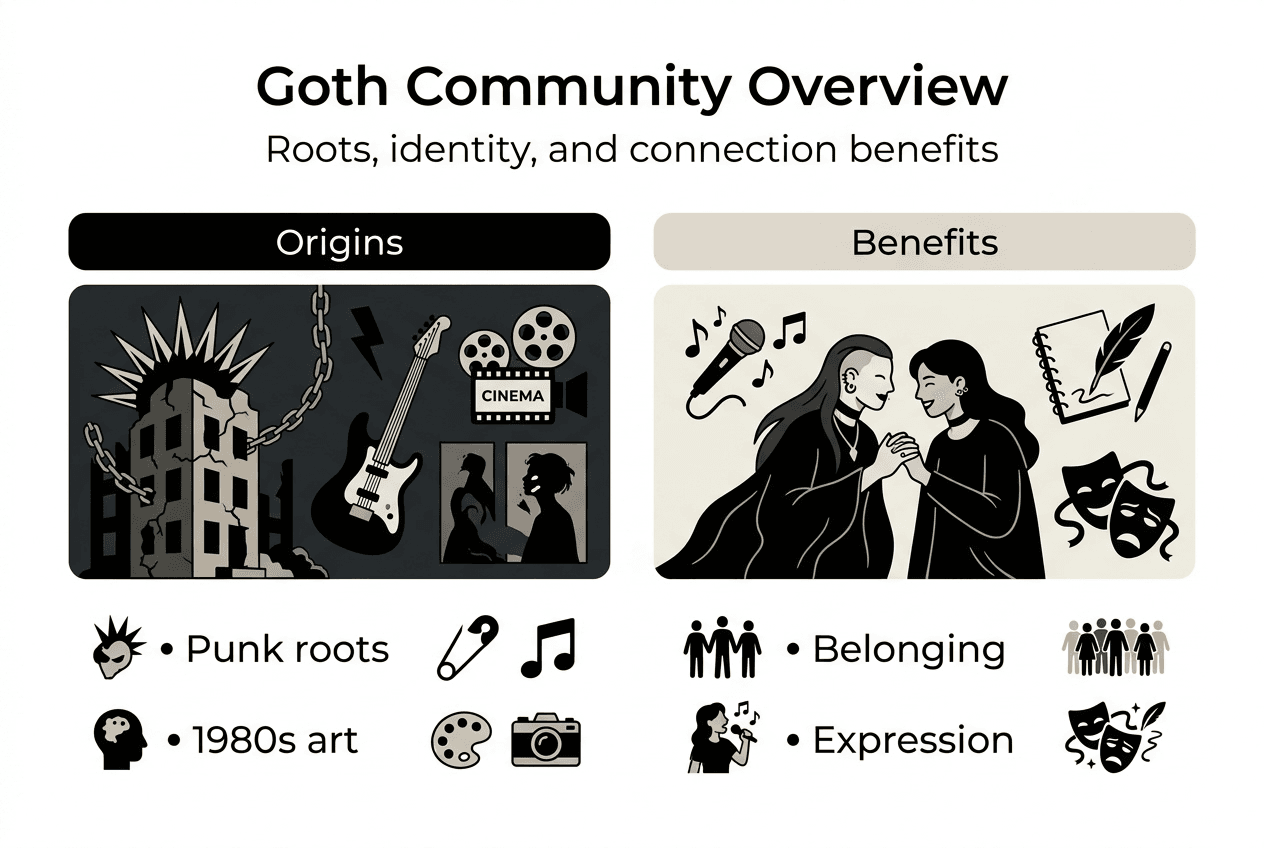
By the mid-1980s, goth had established distinct identity markers while remaining welcoming to diverse interpretations. Some members leaned heavily into Victorian aesthetics. Others embraced punk’s raw energy or incorporated elements from industrial music and fetish fashion. This flexibility allowed the subculture to adapt and survive where more rigid movements faded.
Why the goth community offers a sense of belonging and acceptance
Many people join the goth community to find belonging and alleviate feelings of social isolation that plague them in mainstream environments. The experience of being misunderstood or judged for your interests creates deep loneliness. Goth circles offer empathy from people who’ve walked similar paths.
Social gatherings within the community foster genuine connections that go beyond superficial friendships. When you attend a goth club night or convention, you’re surrounded by people who appreciate the same music, art, and values. These shared experiences create bonds that often last decades.
The community role in goth markets demonstrates how members actively support each other’s creative endeavors and personal growth. This mutual support extends to:
- Celebrating alternative spiritual practices like witchcraft without mockery
- Accepting diverse gender identities and sexual orientations as normal
- Supporting mental health struggles with understanding rather than stigma
- Encouraging artistic pursuits even when they don’t conform to commercial standards
- Creating safe spaces where vulnerability and authenticity are valued
The community’s acceptance goes deeper than tolerance. Members actively celebrate differences that mainstream society tries to suppress or normalize. Your interest in occult symbolism isn’t weird here. Your preference for Victorian mourning jewelry makes perfect sense. Your need to dye your hair black and wear velvet in summer gets enthusiastic support rather than confused stares.
Pro Tip: Start by attending one local goth event or joining an online community to test the waters before fully committing to the lifestyle, allowing yourself to explore at your own pace.
This welcoming atmosphere proves especially valuable for people exploring alternative spiritual paths. The goth community has long embraced mystical practices, tarot reading, and witchcraft as legitimate expressions of personal belief. You won’t face the judgment or dismissal these interests often receive elsewhere.
Expressing identity through goth fashion and aesthetics
Gothic fashion serves as visual language communicating your values, interests, and identity to the world. Unlike mainstream fashion that prioritizes trends and conformity, goth fashion draws on Victorian era elements typified by black clothing and ornamental accessories that carry deep symbolic meaning.
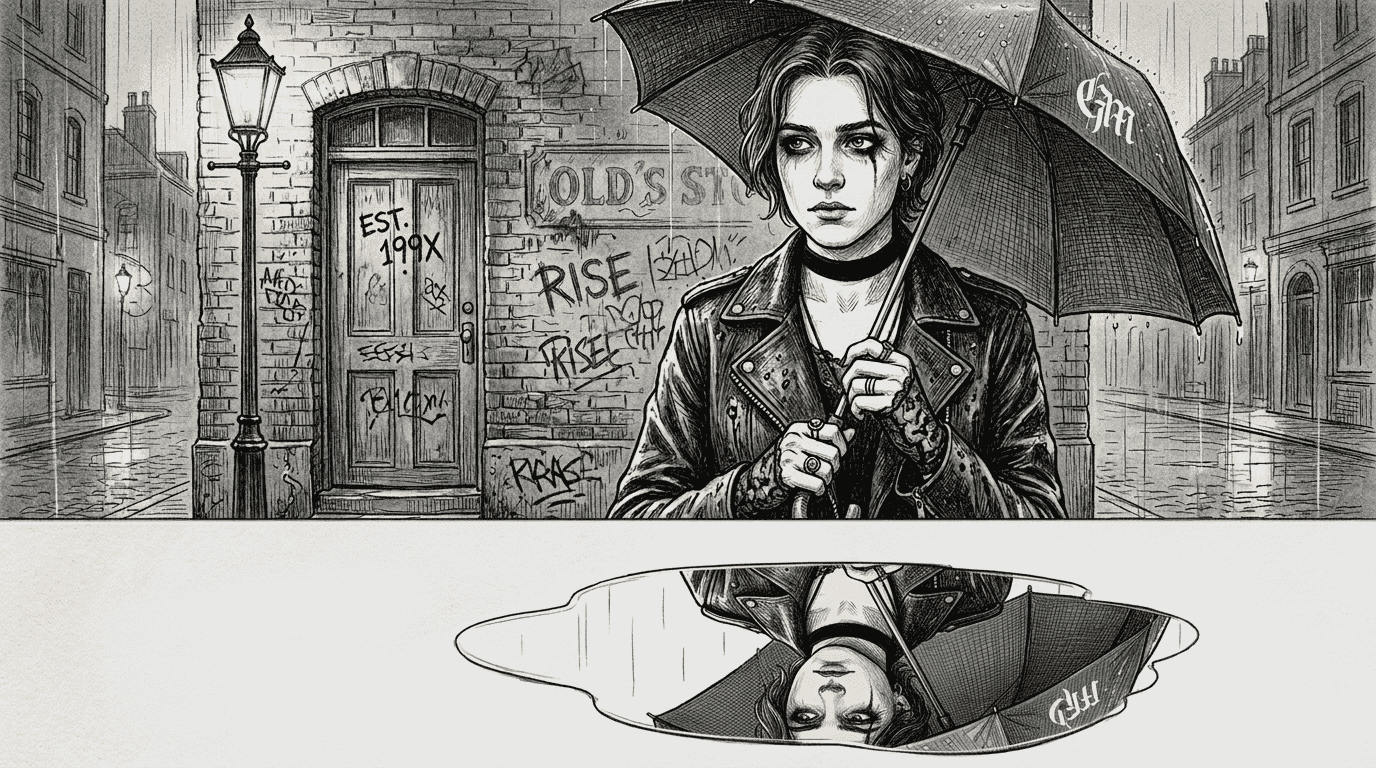
Key pieces that define gothic style include velvet dresses, lace overlays, leather jackets, and corsets that blend historical romance with modern edge. These aren’t costumes. They’re carefully chosen elements that reflect your inner world and aesthetic sensibilities. Hair dyeing in blacks, deep reds, or unconventional colors becomes another form of self-expression.
The gothic fashion styling guide offers detailed approaches to building your wardrobe authentically. Makeup plays an equally important role, with pale foundations, dark eye makeup, and bold lipstick colors creating striking contrasts that challenge conventional beauty standards.
| Aspect | Mainstream Fashion | Goth Fashion |
|---|---|---|
| Color palette | Seasonal trends, pastels, brights | Predominantly black with deep jewel tones |
| Values | Conformity, mass appeal, disposability | Individuality, craftsmanship, timelessness |
| Inspiration | Celebrity culture, fast fashion | Victorian era, romantic literature, occult symbolism |
| Purpose | Social acceptance, status signaling | Personal expression, cultural identity |
Accessories add layers of meaning to your overall aesthetic. Rings featuring occult motifs, chokers with moon pendants, and ornate jewelry communicate your interests in mysticism and alternative spirituality. The goth fashion symbolism explored in contemporary contexts shows how these elements create cohesive personal narratives.
Common symbolic elements in goth accessories:
- Crosses and religious imagery recontextualized as aesthetic statements
- Skulls and mortality symbols embracing life’s impermanence
- Bats, ravens, and nocturnal creatures representing the beauty in darkness
- Pentacles and occult symbols expressing spiritual interests
- Roses and thorns combining romance with acknowledgment of pain
Fashion becomes rebellion when it rejects society’s expectations about how you should present yourself. Wearing a full Victorian mourning ensemble to a casual coffee shop makes a statement about valuing personal authenticity over social convenience. This visible nonconformity attracts like-minded people while filtering out those who can’t see past surface appearances.
Pro Tip: Build your goth wardrobe gradually by investing in quality staple pieces like a good leather jacket or velvet dress rather than buying cheap fast fashion that won’t last.
Your clothing choices tell your story without words. They signal to other community members that you share their values and aesthetic sensibilities, creating instant recognition and connection in unexpected places.
Connecting through music, art, and community events
Music forms the beating heart of goth culture, with platforms for connection through music and art creating the strongest bonds between members. Gothic rock and post-punk sounds provide more than entertainment. They offer emotional resonance and shared cultural touchstones that unite people across geographic and generational divides.
Underground publications and zines continue playing vital roles in community cohesion. These platforms showcase visual art, poetry, photography, and music reviews created by members themselves. Supporting these independent creative efforts strengthens the entire ecosystem.
Social gatherings take many forms within the goth community:
- Weekly club nights featuring DJs spinning gothic rock, darkwave, and industrial music
- Annual conventions bringing together vendors, artists, and fans for multi-day celebrations
- Smaller meetups at cafes or parks for casual socializing outside nightlife settings
- Online forums and social media groups connecting people between in-person events
- Art gallery openings and exhibitions showcasing dark aesthetic works
- Concert tours by established and emerging bands in the gothic music scene
These shared cultural experiences create powerful bonding opportunities. Dancing together at a club night or discussing your favorite band’s new album builds connections that transcend typical small talk. The community impact in goth markets shows how supporting local artists and businesses within the scene strengthens these relationships further.
| Event Type | Primary Benefit | Frequency | Typical Attendance |
|---|---|---|---|
| Club nights | Dancing, socializing, music discovery | Weekly | 50-200 people |
| Conventions | Shopping, networking, performances | Annually | 500-5000 people |
| Concerts | Live music experience, band connection | Monthly | 100-1000 people |
| Meetups | Casual conversation, friendship building | Bi-weekly | 10-30 people |
These gatherings serve essential functions beyond entertainment. They help newcomers integrate into the community by providing structured opportunities to meet people with similar interests. The welcoming atmosphere at most goth events makes it easier to strike up conversations than at mainstream venues where cliques and social hierarchies create barriers.
Attending events regularly builds your reputation within the local scene. People start recognizing you, remembering your name, and including you in their social circles. These friendships often prove more lasting and meaningful than connections formed in conventional settings because they’re built on genuine shared interests rather than proximity or convenience.
Explore goth styles and accessories at Goth.Market
Ready to express your dark aesthetic through carefully curated pieces? Goth.Market offers an extensive gothic jewelry collection featuring unique designs you won’t find in mainstream stores. Each piece carries the symbolic weight and craftsmanship that true goth fashion demands.
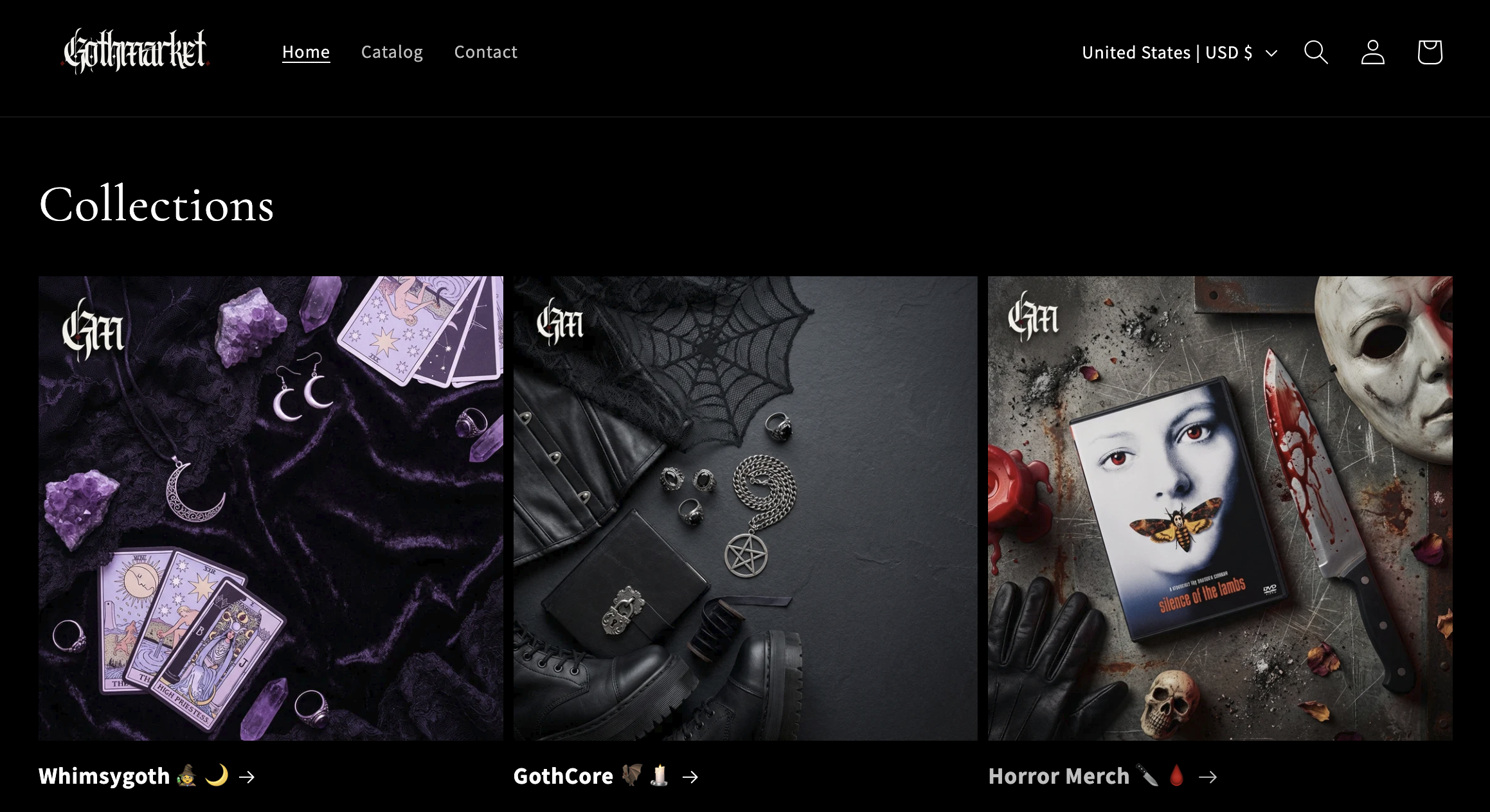
Discover statement accessories like the moon pendant choker that combines celestial symbolism with elegant design. Browse the whimsygoth collection blending mystical elements with wearable art that tells your story. Supporting independent creators through platforms like Goth.Market strengthens the entire alternative community while helping you build an authentic wardrobe that reflects your true self.
Frequently asked questions about joining the goth community
What is the goth community and who can join?
The goth community is an inclusive subculture centered around alternative music, gothic fashion, and dark aesthetic appreciation. Anyone seeking creative expression and authentic connection can join regardless of age, background, or prior experience with alternative cultures. The community welcomes newcomers who respect its values of individuality and artistic exploration.
How can I start exploring goth fashion authentically?
Start with classic foundational pieces like black clothing, lace accents, and velvet textures that appeal to your personal taste. Incorporate accessories gradually, choosing items that resonate with your interests rather than copying someone else’s style exactly. Learn from gothic style tips and community inspiration while developing your unique aesthetic over time.
How do goth events and music enhance community connection?
Events provide shared physical spaces where members bond over music, art, and cultural experiences that matter to them. Concerts and club nights sustain the cultural pulse while introducing newcomers to the scene’s energy and values. The goth community events role shows how these gatherings help people integrate and feel genuinely welcomed into established social circles.
Is the goth community accepting of alternative spiritual practices like witchcraft?
Many goth members actively embrace witchcraft, tarot, and occult symbolism as legitimate spiritual expressions. The community’s openness to mystical practices creates safe spaces for exploring alternative beliefs without facing the judgment or mockery common in mainstream society. This spiritual acceptance forms a core part of goth culture’s inclusive philosophy.