

Why Buy Witchy Products: A Mindful Buyer's Guide
TL;DR:
- People buy witchy products to turn routines into intentional rituals that support identity and well-being.
- Most purchase decisions are driven by a desire for authentic expression, mindfulness, community, and ethical spending.
People buy witchy products because they turn ordinary objects and routines into intentional, sensory rituals that support identity, focus, and well-being. Goth curates exactly this kind of purposeful, maker-crafted supply, and the cultural moment behind it is real: #WitchTok had nearly seven million posts at the time mainstream outlets began covering it, a signal of how deeply witchcraft practice has woven itself into everyday wellness culture.
The core reasons people reach for witchy supplies break down like this:
- Ritualized self-care: Soaps, salves, and candles turn a nightly routine into a grounding practice.
- Identity and expression: Wearing or displaying witchy items signals values, aesthetics, and community belonging.
- Focus tools for practice: Crystals, herbs, and altar items give the mind a sensory anchor during meditation or intention-setting.
- Home atmosphere: Decor, altar cloths, and dark-aesthetic pieces shape a space that feels intentional and personal.
- Community and gifting: Witchy products connect people to a subculture and make meaningful, thoughtful gifts.
- Ethical spending: Buying from small, independent makers aligns purchases with values around sustainability and craft.
Table of Contents
- Why do people really buy witchy products?
- What do people actually do with witchy products?
- How do you choose what to buy ethically and wisely?
- What should beginners buy first?
- How witchy products support well-being, backed by research
- Key Takeaways
- The real case for buying intentionally
- Goth has the witchy starter picks you’re actually looking for
- Useful sources and further reading
Why do people really buy witchy products?
The motivations run deeper than aesthetics, and they vary more than most buying guides acknowledge.
Identity and visible affiliation. For many practitioners, a piece of occult jewelry or a sigil-printed altar cloth is a quiet declaration of worldview. Occult jewelry carries personal symbolism that mass-market accessories simply cannot replicate.
Empowerment and self-expression. Witchcraft has always been, in part, a framework for personal agency. Products that carry intentional symbolism reinforce that sense of authorship over one’s own life and space.
Ritualized self-care and mindfulness. This is where the research gets interesting. Witchy soaps and salves combine ingredients like coconut oil, shea butter, and lavender with a ritual context, turning a two-minute skincare step into a grounding moment. The sensory experience is the point.
Sensory anchors for focus. Scent, texture, and candlelight are among the most reliable tools for shifting mental state. A cedar-scented candle lit before journaling creates a conditioned cue the brain starts to associate with focus.
Home atmosphere and decoration. Dark decor, altar pieces, and witchy home elements shape how a space feels to inhabit. This is interior design with intention.
Community signaling and gifting. Witchy products communicate belonging. They also make unusually personal gifts because they reflect a shared aesthetic and set of values.
Ethical and intentional spending. The intentional consumerism shift is real: practitioners increasingly direct their dollars toward small, witch-run businesses rather than mass-market retailers, treating purchasing as a values-aligned act.
Gen Z is driving much of the current surge. Vogue has covered how younger practitioners treat witchcraft as a framework for wellness, community, and self-determination, not just a set of beliefs. That cultural energy feeds demand for products that feel authentic rather than manufactured.
One honest caveat: buying things does not make you a witch. Long-time practitioners are consistent on this point. The mindset worth adopting is simple: buy to serve your practice, not to prove it.
What do people actually do with witchy products?
Knowing the why matters less if you can’t picture the how. Here’s how common product categories get used day to day.
Candles anchor intention-setting rituals, mark the beginning and end of a practice session, and provide timed focus (burn a candle for the duration of a journaling session). Color and scent add a layer of symbolic meaning.
Herbs, salts, and bundles show up in cleansing rituals, bath soaks, and altar arrangements. A simple herbal salt bath before bed is one of the most accessible entry points into ritualized self-care.

Salves and soaps serve double duty: practical skincare and sensory ritual. Applying a salve slowly before sleep, with attention to the scent and texture, functions as a grounding anchor that can support relaxation and sleep quality.
Crystals are used as focal objects during meditation, placed on altars as symbolic anchors, or carried as tactile reminders of an intention.

Tarot and oracle decks support reflective journaling, daily check-ins, and decision-making frameworks. They’re less about prediction and more about structured self-inquiry.
Altar cloths and dishes define a dedicated physical space for practice, which matters psychologically. A designated spot signals to the brain that this is a different kind of time.
Occult jewelry carries meaning throughout the day, acting as a wearable reminder of intention or identity.
A simple three-step grounding ritual
- Apply a small amount of lavender or cedar salve to your wrists and the back of your neck.
- Light a candle and take three slow breaths, focusing on the scent.
- State one intention aloud or write it in a journal before beginning your day or winding down for sleep.
That’s it. No elaborate setup required.
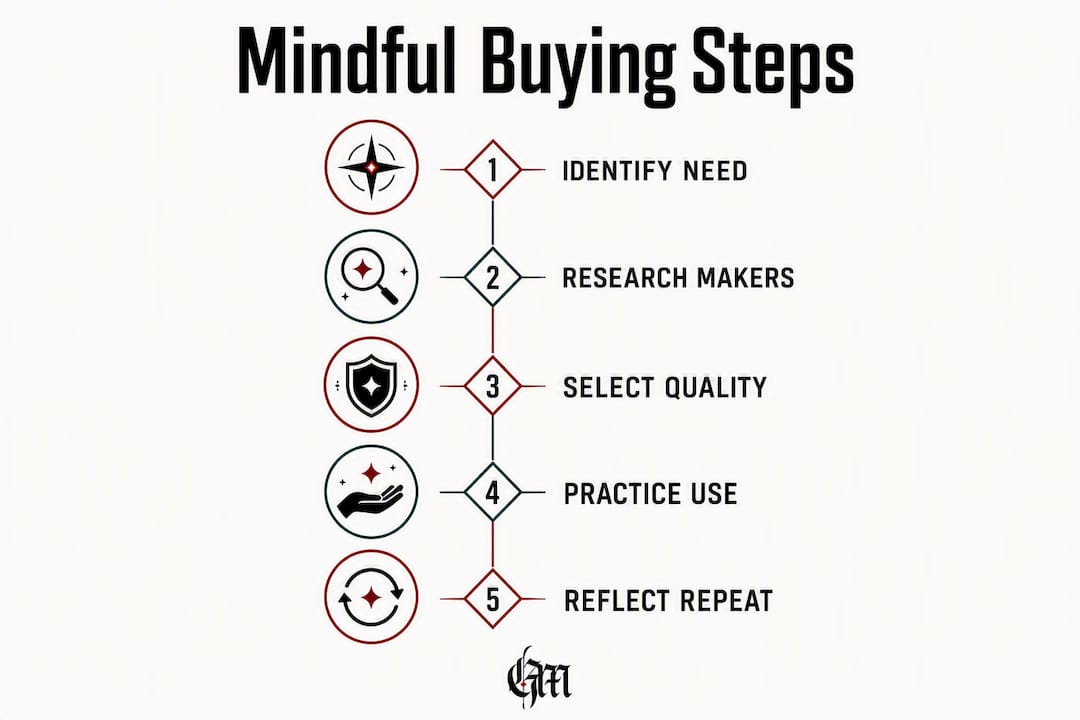
Pro Tip: Pick three versatile items first: a scented candle, a multi-use salve, and a journal. These three cover sensory anchoring, skincare ritual, and reflective practice without requiring a full altar setup or a large budget.
Tools are focus aids. They work because you bring meaning to them through repetition, not because they contain inherent magic. That distinction keeps purchasing intentional rather than compulsive.
How do you choose what to buy ethically and wisely?
This is where most buying guides go quiet, and it’s where the most important decisions actually happen.
Ethical sourcing checklist
- Ingredient transparency: Can you see a full ingredient list for soaps, salves, and herbal products? If not, skip it.
- Sustainably harvested herbs: White sage, in particular, has overharvesting concerns tied to mass-market demand. Look for sellers who source from cultivated or ethically wildcrafted stock and say so explicitly.
- Conflict-free crystals: The crystal supply chain has documented labor and environmental issues. Ask where stones come from.
- Small-maker provenance: Does the seller have a visible story, a named maker, or a clear production process? Supporting handmade occult items keeps money in the practitioner community and usually means better quality.
- Cruelty-free and biodegradable packaging: Worth checking, especially for skincare products.
Questions to ask any seller
- Where did this herb or crystal come from, and how was it harvested or mined?
- Do you disclose processing methods for topical products?
- Are ingredients safe for skin contact, and is there a full INCI list?
- What is your return or exchange policy?
Red flags to avoid
- Blanket “purification” or “healing” claims with no sourcing information.
- Overpriced generic kits that bundle low-quality items without explanation. Some beginner kits market themselves as all-in-one solutions but vary widely in quality and sustainability.
- Products made from endangered or culturally significant plants with no sourcing disclosure.
- Topical products with no ingredient label.
Budgeting priorities
Spend more on topical products (salves, soaps) because ingredient quality directly affects your skin and your experience. Economize on decorative-only items like altar cloths and candle holders, where a thrifted or handmade piece works just as well. A $5 candle from a local maker beats a $25 branded one from a big-box retailer every time.
What to check on any product page:
- Full ingredient or material list
- Origin of key ingredients (herbs, crystals, dyes)
- Maker’s name or studio
- Return policy
- Safety notes for topical use
What should beginners buy first?
Witchcraft isn’t a shopping list, but a small, intentional starter set does help. The goal is a few versatile items you’ll actually use, not a fully stocked altar on day one.
| Item | Purpose | Approximate U.S. price range |
|---|---|---|
| Pillar or taper candle | Intention-setting, focus, timing rituals | $3 |
| Herbal salt or loose herb bundle | Cleansing, bath soaks, altar use | $5 |
| Multi-use salve | Skincare, sensory grounding ritual | — |
| Small crystal (tumbled) | Meditation focal point, altar anchor | $3 |
| Journal or blank notebook | Reflective practice, spell/intention tracking | $5 |
| Altar cloth or small dish | Defines practice space, holds items | $6 |
| Tarot or oracle deck | Daily check-ins, self-inquiry | — |
Substitutes from around the home: Plain table salt works for cleansing rituals. A white household candle is a perfectly functional intention candle. A found stick or stone from outside can serve as a wand or altar anchor. The witchcraft decor guide at Goth covers how everyday objects can be incorporated into a dedicated practice space.
Invest in the salve or soap first, since ingredient quality matters for skin contact. The journal is the second-best investment because it builds the reflective habit that makes everything else more meaningful. Decorative items can wait.
How witchy products support well-being, backed by research
The wellness case for witchy products is more grounded than it might sound. It comes down to three mechanisms: sensory anchoring, ritual repetition, and meaning-making.
Sensory anchoring works because the brain links scent, texture, and light to emotional states through repeated association. Lavender and chamomile are well-documented for calming effects; tea tree and eucalyptus offer antibacterial and refreshing properties. When these ingredients appear in a witches’ soap or salve used consistently before sleep or meditation, the sensory cue begins to trigger the associated state on its own.
Ritual repetition builds habit. A three-step nightly routine that includes a scented salve, a candle, and a breath practice creates a structured transition signal the nervous system learns to follow. This is not mystical; it’s behavioral conditioning with an aesthetic layer.
Meaning-making is the part that distinguishes witchy self-care from generic skincare. Assigning symbolic intention to an act changes how the brain processes it. That shift in framing has real effects on mood and motivation.
| Mechanism | Product type | Practical effect |
|---|---|---|
| Sensory anchoring | Salves, soaps, scented candles | Conditions emotional state through repeated scent/texture cues |
| Ritual repetition | Any item used in a consistent routine | Builds habit and reduces decision fatigue around self-care |
| Meaning-making | Crystals, altar items, journals | Frames ordinary acts as intentional, increasing engagement |
A simple example ritual: Apply a lavender salve to your hands and wrists. Take four slow breaths, focusing on the scent. Set one intention for the next eight hours, spoken aloud or written down. This takes under two minutes and uses one product.
Key Takeaways
Witchy products work best when they serve a specific practice need, come from transparent makers, and are used consistently rather than collected impulsively.
| Point | Details |
|---|---|
| Buy for practice, not status | Identify a ritual need before purchasing; tools earn meaning through repeated use. |
| Prioritize ethical sourcing | Check ingredient lists, ask about crystal and herb origins, and favor small makers over mass-market kits. |
| Start with three versatile items | A candle, a salve, and a journal cover sensory anchoring, skincare ritual, and reflective practice. |
| Sensory anchors support well-being | Lavender, cedar, and chamomile in salves and soaps create conditioned cues that support focus and relaxation. |
| Goth curates maker-crafted supplies | Goth connects buyers with independent creators offering ethical, handmade witchy goods across fashion, decor, and ritual supplies. |
The real case for buying intentionally
The conversation around witchy products tends to split into two camps: enthusiastic haul culture and purist “you don’t need anything” minimalism. Both miss the point.
Tools matter. A dedicated physical space, a scent you associate with focus, a journal you actually open — these are not frivolous. They’re the infrastructure of a consistent practice. The problem isn’t buying; it’s buying without a clear sense of what you’re buying for.
What experienced practitioners keep saying, and what the research on habit formation supports, is that a small set of high-quality items used repeatedly outperforms a large collection used rarely. That’s not a spiritual claim; it’s how behavioral conditioning works. The altar that took years to build, piece by piece, is more meaningful than the one assembled in a single shopping session.
The ethical dimension matters too, and not just as a talking point. Mass-market witchy commodities have real environmental costs: overharvested white sage, opaque crystal supply chains, packaging that ends up in landfill. Buying from small, named makers who disclose their sourcing is a choice that affects real people and real ecosystems. It also tends to produce better products.
The best reason to buy witchy products is the same reason to buy any tool: because you have a specific use for it, you’ve chosen it carefully, and you’ll actually use it.
Goth has the witchy starter picks you’re actually looking for
Most witchy marketplaces give you volume. Goth gives you curation. Every item on Goth comes from independent creators and artisans who specialize in dark, alternative, and occult aesthetics — not mass-produced kits with vague sourcing and generic branding.

Whether you’re looking for handcrafted occult jewelry, ritual skincare from small makers, altar decor with real symbolic depth, or gothic fashion that expresses who you actually are, Goth connects you directly with the people who make these things. No big-box filler, no mystery ingredients, no corporate aesthetic. The marketplace is built for practitioners, collectors, and alternative culture enthusiasts who want to spend intentionally and get something worth keeping. Browse the full collection at goth.market and find your first (or next) piece from a maker who means it.
Useful sources and further reading
- The Uses and Benefits of Witches Soap — Pagan Green: Detailed breakdown of natural ingredients (coconut oil, lavender, cedar) and how they function in both skincare and ritual contexts.
- The Role of Salves in Pagan Witchcraft — Pagan Green: Covers practical and ritual uses of salves, including grounding, protection, and sleep support.
- The Commercialisation and Materialism of Modern Witchcraft — Wonderfully Witchy Web: Honest examination of consumerism in the witchcraft community and the case for supporting small makers.
- Buying Things Does Not Make You a Witch — The Occult Witch: Practitioner perspective on why practice and repetition matter more than possessions.
- Witchcraft Isn’t a Shopping List — Medium (ThatWitchIvy): Beginner-focused guide to avoiding consumerist anxiety and building a functional, minimal practice.
- Witches Are the Original Life Coaches — Allure: Mainstream coverage of WitchTok, wellness trends, and the cultural rise of witchcraft; includes notes on white sage overharvesting.
- Consumerism in Witchcraft: Alternatives for Modern Practitioners — Jessie Joi: Practical alternatives to purchased tools, with a strong perspective on ethical and intentional spending.
- Why Gen Z Is Turning to Witchcraft — Vogue: Cultural context on Gen Z’s relationship with witchcraft as identity, community, and wellness framework.
- Witchcraft Beginner Kit — GentleMoonMagic: Example of a commercial beginner kit; useful for understanding what to vet before buying an all-in-one set.