

Top benefits of selling gothic merchandise for creators
TL;DR:
- The gothic fashion market is a rapidly growing niche valued at $1.4 billion in 2022, with projections reaching $2.3 billion by 2032.
- Success relies on authentic engagement, targeted branding, and strategic online selling, which offer early entrants significant advantages.
Standing out in any market is hard. Standing out in the gothic market is both harder and more rewarding, because your buyers aren’t casual scrollers looking for a discount. They’re committed enthusiasts who live the aesthetic, invest in the culture, and return to vendors they genuinely trust. The US gothic fashion market was valued at $1.4B in 2022, with projections pointing to $2.3B by 2032. For independent creators who can work authentically inside this subculture, that represents a serious financial and creative opportunity worth understanding from every angle.
Table of Contents
- Booming market: Dark fashion’s untapped growth
- Reach a global audience with low barriers
- Authentic subculture: Build true loyalty and community
- Keys to success: Avoid pitfalls and leverage your strengths
- The true art of gothic selling: Community, creativity, and balance
- Showcase your gothic creations with Goth.Market
- Frequently asked questions
Key Takeaways
| Point | Details |
|---|---|
| Market growth potential | The gothic merchandise space is rapidly expanding, offering real financial opportunity for creators. |
| Global reach made easy | Online platforms make it simple for independents to reach buyers all over the world. |
| Loyal subculture support | Authenticity and community focus attract repeat buyers and passionate fans. |
| Success through differentiation | Standing out and persistent effort are key to strong, sustainable sales. |
Booming market: Dark fashion’s untapped growth
The gothic fashion niche isn’t a fringe curiosity anymore. It’s a measurable, growing segment of the broader alternative fashion industry, and the numbers back that up clearly.
The market’s projected 5% annual growth through 2032 isn’t driven by one-off trend cycles. It’s fueled by sustained cultural interest in dark aesthetics across music, film, social media, and gaming. When shows like Wednesday become global phenomena and horror-themed content dominates streaming platforms, gothic fashion gets mainstream visibility without losing its subculture roots. That combination of niche identity with growing mainstream awareness is rare. And for early sellers in this space, it means reduced competition compared to saturated markets like basic streetwear or minimalist jewelry.
Understanding the different types of gothic fashion also helps sellers identify where their work fits best. The spectrum is wide. Victorian goth, pastel goth, cyber goth, and nu-goth each attract distinct buyers with specific aesthetic preferences and price sensitivities. Knowing your lane allows for focused product development and more targeted marketing.
| Year | Market Value | Notes |
|---|---|---|
| 2022 | $1.4 billion | Baseline valuation |
| 2025 | ~$1.6 billion | Estimated midpoint growth |
| 2032 | $2.3 billion | Projected peak (5% CAGR) |
Why does this matter for independent creators? Because entering a growing niche early gives you time to build brand recognition before the market gets crowded. Creators who understand niche markets and growth patterns now can position their shops, refine their aesthetics, and build an audience while competition is still manageable.
Stat: The gothic fashion sector is growing at 5% CAGR, which outpaces many comparable niche fashion segments globally.
The advantage of being early isn’t just visibility. It’s also pricing power. When buyers don’t have 50 similar options, they’re more willing to pay what your work is actually worth. That’s a compounding benefit as the market grows around you.
Now that we see the size and energy of the gothic market, let’s look at why online channels give creators a compelling platform.
Reach a global audience with low barriers
Ten years ago, a gothic jewelry maker in rural Ohio had limited options. A table at a local market, maybe a small Etsy shop with zero traffic, and a lot of hoping people would find them. That landscape has fundamentally changed.
E-commerce now accounts for 58.7% of goth fashion revenues in 2025, and platforms with built-in audiences make it genuinely achievable for independent sellers to reach buyers in Berlin, Tokyo, and Melbourne from a single product listing. The technical barriers are low. You don’t need coding skills, a physical storefront, or a significant upfront investment to start selling internationally.
What separates successful sellers from struggling ones in this environment is specificity. One compelling case study: niche sellers on Etsy scaling to $60k in sales within six months, generating $35k in profit, by focusing on a tightly defined aesthetic and tracking data on which products and listings actually converted. That’s not luck. That’s strategy applied to the right market.
Here’s what effective gothic sellers do differently online:
- Niche down aggressively. Instead of “gothic jewelry,” sell “Victorian mourning lockets with hand-etched bone designs.” The more specific your identity, the easier it is for the right buyers to find you.
- Optimize every listing. Titles, tags, descriptions, and photos all influence visibility. Gothic buyers respond strongly to atmospheric product photography that tells a visual story.
- Track your data weekly. Which listings get views but no sales? Which items have the highest return rate? Data transforms guesswork into decisions.
- Build on multiple platforms. Having your work on gothic-specific marketplaces alongside broader platforms multiplies exposure without multiplying effort significantly.
| Sales channel | Reach | Competition level | Gothic audience fit |
|---|---|---|---|
| General Etsy | Global | High | Moderate |
| Amazon Handmade | Global | Very high | Low |
| Gothic-niche marketplace | Global (targeted) | Low to moderate | Very high |
| Local markets | Regional | Low | Variable |
Pro Tip: Start by learning how to sell gothic art online before spreading across every platform. Master one channel, build your process, then expand. Sellers who try to be everywhere at once often execute poorly on all fronts.
Understanding selling in gothic marketplaces specifically is also worth studying. Niche platforms attract buyers who are already pre-qualified. They’re not browsing casually. They came to find something specific and dark, and they’re ready to buy when the right piece appears.
With global reach established, what sets gothic customers apart? Let’s explore the culture and loyalty you’ll encounter as a gothic merchandise seller.
Authentic subculture: Build true loyalty and community
Most fashion niches have customers. Gothic creators have communities. That distinction drives everything from repeat purchase rates to the willingness of buyers to promote your work organically without being asked.
The gothic subculture’s passionate customer base values authenticity above almost everything else. Gothic Renaissance in New York, a beloved independent retailer that has operated for decades, demonstrates this clearly. Customers don’t just shop there. They return, they bring friends, they celebrate the store as part of their identity. That level of loyalty is built through genuine engagement with the subculture, not through discount codes and email campaigns.
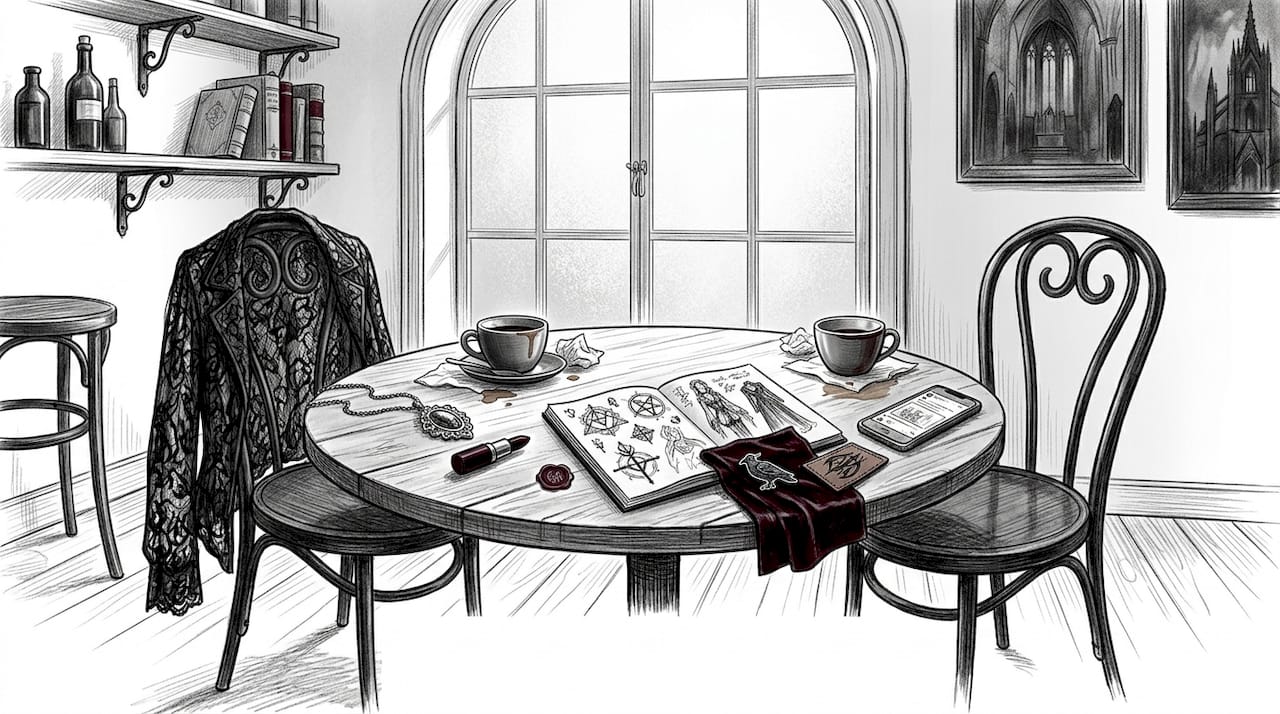
For independent creators, this means the relationship you build with your buyers is itself a competitive advantage. A mass-market company can copy your design. It cannot copy your story, your authenticity, or your position within a community that already knows and trusts you.
How to build community around your gothic brand:
- Show your process. Behind-the-scenes content on social media performs exceptionally well in niche communities. Buyers who watch your work develop from raw materials to finished piece feel ownership in it before they even purchase.
- Attend and host events. Gothic conventions, alternative markets, and art shows create in-person bonds that no algorithm can replicate. These connections translate into online loyalty.
- Collaborate with aligned creators. A jewelry maker partnering with a gothic clothing designer for a styled shoot benefits both audiences. Cross-promotion inside a subculture feels organic rather than transactional.
- Respond to every meaningful comment. The community that shapes goth market culture rewards sellers who participate genuinely, not those who broadcast and disappear.
“In the gothic community, mass-produced items don’t just fail to impress, they actively signal inauthenticity. Buyers who care about the subculture want to know a real person made their piece with intention.”
Pro Tip: Share customer stories and photos with permission. When a buyer sends you a photo wearing your piece at a concert or event, that content is worth more than any paid advertisement. It shows real people living the aesthetic you create for, which resonates powerfully with prospective buyers browsing your shop.
Understanding styling for dark aesthetics also helps you communicate your work in context. Buyers don’t just want to see a necklace on a white background. They want to see how it fits into a full look, a mood, a lifestyle. Sellers who understand gothic styling communicate that vision clearly.
Inspiring loyalty brings long-standing benefits, but what concrete steps help vendors truly thrive? Here’s how to avoid common mistakes and maximize your outcomes.
Keys to success: Avoid pitfalls and leverage your strengths
Most new sellers in the gothic space make predictable mistakes. The good news is that these mistakes are well documented, and avoiding them gives you a measurable advantage over the competition.
Research on seller failures identifies consistent patterns across unsuccessful Etsy shops that apply directly to gothic merchandise sellers. Knowing these pitfalls is the fastest shortcut to better performance.
- Starting without a business plan. Many creators launch with enthusiasm and no structure. A simple plan covering your target customer, pricing strategy, and monthly listing goals changes your outcomes significantly.
- Too few listings. Shops with fewer than 50 listings struggle to get algorithm visibility. Successful shops typically carry 100 or more active listings. More listings mean more entry points for buyers to find you.
- Poor differentiation. If your products look like every other gothic shop, there’s no reason to choose you. Your unique style, materials, or storytelling must come through in every listing.
- Under-investment in photography. Dark, atmospheric, high-quality images convert browsers into buyers. Low-effort photos communicate low-effort products, regardless of their actual quality.
- Inconsistent effort. Sellers who list 20 items, wait two weeks, see limited results, and then give up never reach critical mass. Consistency over 6 to 12 months is what separates shops that grow from shops that stall.
The role of aesthetics in gothic markets also extends beyond product design into how you present your entire brand. Your shop banner, your bio, your packaging, and your social presence all contribute to whether buyers perceive you as a legitimate part of the subculture or an outsider trying to cash in.
Pricing gothic merchandise is another area where creators routinely undervalue their work. Buyers in this niche expect to pay for quality and uniqueness. Pricing too low actually signals low quality to sophisticated buyers who know what handmade craftsmanship is worth.
Pro Tip: Set a monthly calendar reminder to review your shop data. Look at your top-performing listings and your worst performers. Double down on what works, rethink what doesn’t, and use patterns to guide your next batch of listings. Data review takes 30 minutes a month and sharpens every decision you make.
The strategies for growth for gothic merchandise sellers that produce real results aren’t complicated. They’re consistent, specific, and grounded in understanding what your buyers actually want. That’s the foundation everything else builds on.
Armed with these best practices, let’s consider the broader picture: what challenges and opportunities are unique to the gothic market that other guides miss?
The true art of gothic selling: Community, creativity, and balance
Here’s something most advice columns won’t tell you directly: the gothic market rewards creators who operate with genuine cultural investment, and it punishes those who treat it as just another trend to monetize.
The risk of commercialization diluting subculture appeal is real. As the market grows to $2.3B, mainstream brands will move in. They’ll produce cheaper, faster, more accessible gothic-adjacent products. The creators who survive and thrive won’t be those who try to compete on price or volume with large brands. They’ll be the ones who go deeper into the culture, build tighter community bonds, and offer what mass production genuinely cannot replicate: authenticity, story, and craft.
The balance to strike is deliberate. Too much mainstreaming and you risk alienating the core buyers who made your brand matter in the first place. Too much exclusivity and you limit your growth unnecessarily. The sweet spot is being truly of the subculture while remaining accessible to new enthusiasts who are just discovering the aesthetic and looking for trusted guides.
This is why community investment isn’t just a feel-good strategy. It’s your primary business moat. A loyal community of 500 passionate buyers who share your work, return regularly, and advocate for your brand is worth more than 5,000 casual one-time purchasers who found you through an algorithm.
Explore handmade gothic art growth trends and you’ll find a consistent pattern: the creators who last are the ones who never stopped being genuine participants in the subculture, not just vendors within it. They wear their work. They engage with their community. They create because the aesthetic is part of who they are, and that authenticity radiates through everything they sell.
The business savviness matters too, though. Tracking data, optimizing listings, pricing correctly, and building multiple income streams aren’t compromises of your artistic identity. They’re how you sustain the creative work long enough to make a real impact.
Showcase your gothic creations with Goth.Market
If you’re ready to move from insight to action, there’s a platform built specifically for what you create.
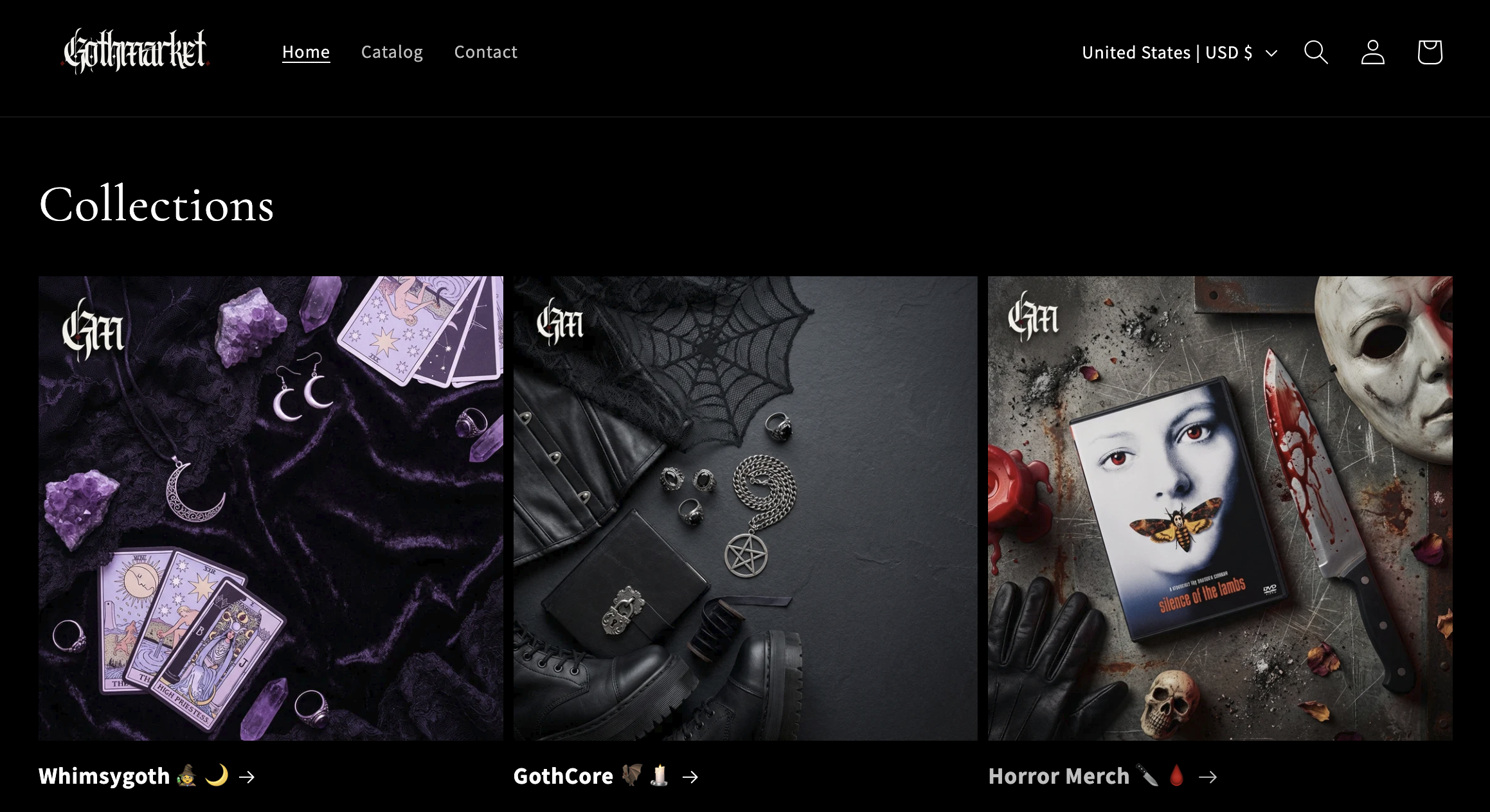
Goth.Market connects independent creators with buyers who actively seek unique, dark, and alternative pieces. You’re not competing for attention among millions of unrelated listings. Your gothic jewelry collection sits alongside other curated, high-quality work that attracts the exact audience you’re building for. Browse the horror-themed goth merch to see the caliber of work already live on the platform, and consider how your own unique pieces would look alongside a community of serious creators. This is where authentic gothic craftsmanship finds its people.
Frequently asked questions
How profitable is selling gothic merchandise?
Niche sellers scaling to $35k profit in six months is achievable when you focus on unique offerings, consistent listings, and meticulous data tracking. Profitability grows as you build brand recognition and repeat buyers within the community.
What makes the gothic market different from other fashion niches?
The gothic subculture values authenticity over trend-chasing, which creates a buyer base that genuinely supports independent makers rather than defaulting to mass-market options. That loyalty translates into stronger repeat purchase rates than most comparable fashion segments.
What are common mistakes when selling gothic merchandise?
Insufficient listings, low differentiation, and inconsistent effort are the top reasons sellers fail to gain traction. Shops need at least 50 to 100 active listings and a clearly distinct visual identity to compete effectively.
How do I build a community around my gothic brand?
Engage authentically on social media, attend alternative events, and share real customer stories to build genuine connection. The gothic community rewards participation from vendors who are clearly part of the subculture rather than observers selling to it.