

Gothic Buyers: Art Print vs Poster, GSM, Pigment Ink, Lifespan
Choose an art print for long-term, archival-quality decor. Choose a poster for cheap, temporary, or highly replaceable decor. That said, “art print” gets used loosely by retailers, so the label alone tells you little. What actually separates the two is paper weight, ink type, and printing method, and this guide walks through how to check all three before you spend a dollar more than you need to.
TL;DR:
- Heavier paper stock and pigment-based inks indicate a true art print designed for longevity, unlike lightweight, dye-ink posters made for short-term display.
- Limited editions that are signed and numbered offer provenance and resale value, whereas mass-produced posters lack these qualities regardless of labeling.
- Giclée printing provides superior color range and detail, clearly distinguishing genuine art prints from offset-printed posters with visible halftone dot patterns under magnification.
- Posters placed in direct sunlight or humid environments can fade or warp in a few years, while archival-quality prints with UV protection last decades if framed properly.
- Always verify product specifications such as paper weight, ink type, and printing method on the listing, as retailers often label lower-quality items as art prints for marketing.
Table of Contents
- What Is an Art Print vs a Poster?
- How Do Materials and Ink Affect Quality and Longevity?
- Giclée, Lithography, or Offset: Which Printing Method Are You Actually Buying?
- How Long Will a Print or Poster Actually Last on the Wall?
- How Do Framing and Display Change What You’re Actually Buying?
- How Do You Choose Between an Art Print and a Poster?
- How Does Goth.Market Curate for Print Quality?
- Browse Curated Art Prints Built for the Long Term
- Sources
- FAQ
What Is an Art Print vs a Poster?
An art print is typically made to order or produced in a limited edition, printed on an archival substrate with pigment-based inks, and sometimes signed or numbered by the artist. A poster is a mass-produced paper product, usually printed with dye-based inks on lighter stock, designed to be affordable and disposable rather than lasting.
The problem is that retailers sometimes stamp “art print” on a thin, dye-printed sheet purely for marketing purposes, which means the name on the listing tells you nothing reliable. What actually matters:
- Substrate weight: heavier paper generally signals a longer-lasting product
- Ink type: pigment inks resist fading; dye inks do not
- Edition status: numbered and signed pieces carry provenance that unlimited runs lack
- Printing method: giclée and fine-art lithography differ sharply from offset mass production
Check those four attributes on the product page, not the title of the listing.
How Do Materials and Ink Affect Quality and Longevity?
Paper weight is the fastest way to sort a real art print from a poster wearing the label. Cheap posters typically run on lighter paper, while quality art prints commonly sit on heavier stock that feels more substantial. Heavier stock holds more ink, resists warping in humid rooms, and simply feels different in your hands.
Ink chemistry matters just as much as the paper underneath it:
- Pigment inks are made of tiny solid particles that sit embedded in the paper’s surface, which resists UV breakdown
- Dye inks dissolve into the fibers and sit closer to the surface, fading faster under light exposure
- Alternative substrates like canvas, acrylic, and metal each trade off differently: canvas has texture but can sag over time, acrylic delivers vibrant color with a glossy finish, metal resists moisture but shows fingerprints
Pro Tip: Before buying in person, flex the corner of the sheet. A quality art print has a “snap” to it and resists creasing. A poster bends limply and creases the moment you fold it.
Giclée, Lithography, or Offset: Which Printing Method Are You Actually Buying?
The printing method behind a piece explains most of the quality gap between a poster and a genuine art print. Giclée printing uses many more inks at high DPI, producing a wider color gamut and gallery-grade reproduction. It’s the standard for fine art reproduction because it holds detail up close.
Fine-art lithography and offset lithography sound similar but land in different categories entirely:
- Fine-art lithography involves the artist directly, often produces hand-signed and numbered editions, and shows irregular, slightly uneven ink texture
- Offset lithography is the commercial process behind most mass-run posters, and it leaves behind a telltale sign under magnification
Pro Tip: Hold a jeweler’s loupe or even your phone camera zoomed in close to the surface. If you see a repeating grid of tiny dots, you’re looking at offset production, not a limited edition.
How Long Will a Print or Poster Actually Last on the Wall?
Longevity comes down almost entirely to ink chemistry and light exposure, and the gap between formats is bigger than most buyers expect. A poster hung in a sunny room can show visible fading within a relatively short time. An archival pigment-ink print, framed with UV-protective glazing, can remain stable for decades under good conditions.
Run the math on a $20 poster you replace every two years against a $150 archival print that lasts fifteen years framed properly, and the print wins on cost-per-year even though the sticker price looks steeper on day one.
How Do Framing and Display Change What You’re Actually Buying?
Framing is where a lot of buyers undercut their own purchase. UV-protective glazing is the single biggest factor in how long a piece keeps its original color, and cheap frame materials accelerate both fading and warping regardless of what you paid for the print itself.
Your glazing options break down into a few tiers:
- Standard glass: cheapest, offers almost no UV protection, prone to glare
- UV-protective acrylic: lightweight, blocks most damaging light, budget-friendly for larger pieces
- Museum glass: near-invisible anti-glare coating plus UV filtering, priced accordingly
For gothic and horror wall art specifically, matting choices affect how deep blacks and dark tones read on the wall. Ready-to-hang canvas or acrylic mounts skip framing costs entirely, which suits renters or anyone who moves often. Keep any paper piece out of direct sun and away from bathrooms, where humidity warps fibers over time. A gallery wall of dark aesthetic pieces built with mismatched formats can look uneven within a few years if some pieces are archival and others aren’t.
How Do You Choose Between an Art Print and a Poster?
Match the format to how long you actually want the piece on your wall, then check the seller’s specs against that plan.
- Identify your timeline. Temporary decor, a dorm room, a kid’s space, or a one-off event calls for a poster. Long-term decor, a signature piece, or anything you’d consider a collector item calls for an archival print.
- Run the cost-per-year math, not just the sticker price. A cheaper poster you’ll replace three times in five years often costs more over time than one archival print.
- Ask the seller these exact questions before buying: What is the paper weight in gsm? Is the ink pigment or dye based? What printing method was used, giclée, fine-art litho, or offset? Is this a limited edition, and if so, what’s the edition size? Are framing options available at checkout?
- Confirm edition details if collectability matters to you. Signed and numbered editions carry scarcity and provenance that open, unlimited runs never will, which affects resale potential down the line.
How Does Goth.Market Curate for Print Quality?
Most buyers get burned not by paying too much, but by paying art print prices for poster specs. That’s the gap this whole comparison exists to close, and it’s the gap Goth.Market’s listings are built to close too. When a listing specifies substrate weight, pigment ink, and edition size upfront, you’re not guessing. When it doesn’t, treat the silence as a red flag.
For darker, high-contrast gothic and horror pieces specifically, mat choice changes everything. A black mat can swallow shadow detail; a deep charcoal or dark burgundy mat tends to hold contrast better while still reading as moody. Pair that with UV glazing and you protect the exact tonal range that made you want the piece. Rey covers this in more depth in Goth.Market’s horror art print buying guide, built around the same materials logic laid out here.
— Rey
Browse Curated Art Prints Built for the Long Term
Goth.Market is a curated marketplace for gothic, occult, and alternative art, built specifically so you don’t have to guess at what’s behind a listing. Every product page is meant to answer the questions this article just walked you through: paper weight in gsm, ink type, edition size, and available framing.
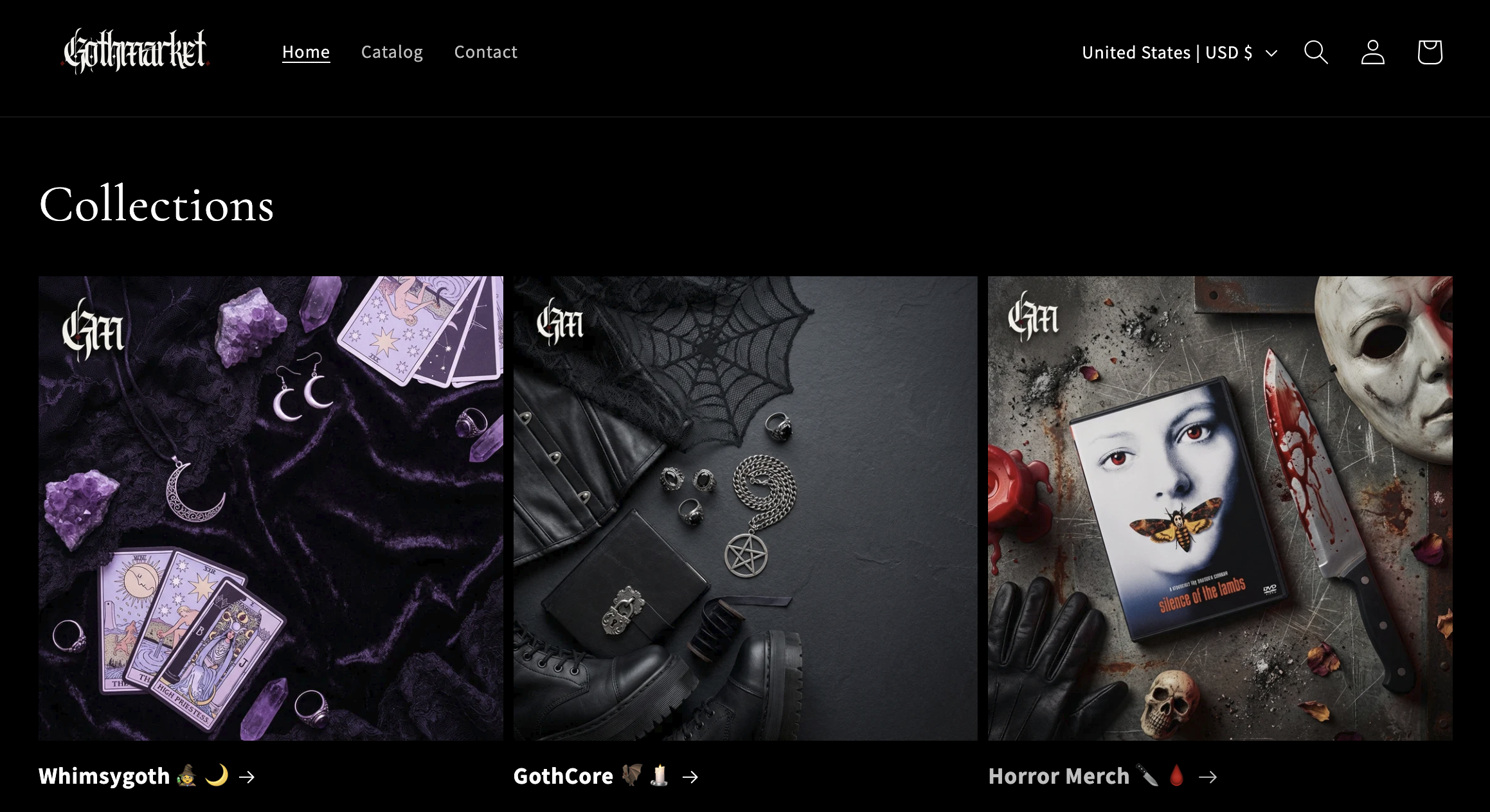
Independent artists list their work directly, so you’re buying from the creator rather than a reseller relabeling stock inventory. If a piece is a limited edition, the listing states the run size and whether it’s signed. If framing is offered, the glazing type is spelled out rather than buried in fine print. For guidance on styling darker pieces once they arrive, Goth.Market’s gothic wall art guide covers matting and placement in more detail. Browse the current art and print collection to see the specs for yourself before you commit.
Sources
- Art Print vs Poster: Why the Difference Is Bigger Than You Think – Fab
- Custom Printing: Art Print Lithography vs. Offset Lithography – PrintIndustry
- Art print vs poster — Gelato blog
- Fine Art Prints versus Posters – Printed Editions
FAQ
What Is the Main Difference Between an Art Print and a Poster?
An art print uses archival materials, pigment inks, and often limited editions, while a poster is mass-produced on lighter paper with dye inks meant for short-term display. The substrate and ink matter more than either label on a product page.
What Is a Limited Edition Print?
A limited edition print is produced in a fixed, numbered run, often signed by the artist, which caps supply and creates scarcity. This provenance is a key factor in collectability and resale value that open, unlimited posters don’t carry.
What’s the Difference Between Limited Edition and Open Edition?
A limited edition caps the total number of prints made and numbers each one, while an open edition has no cap and can be reprinted indefinitely. Limited editions generally hold more collector value because supply stays fixed.
Is a Lithograph the Same as a Poster?
Not necessarily. A fine-art lithograph often involves the artist directly and shows irregular ink texture, while a poster is typically produced through offset lithography, a commercial process that leaves a visible halftone dot pattern under magnification.
Do Numbered Prints Actually Hold Resale Value?
Numbered, signed prints tend to hold value better than unlimited posters because scarcity and provenance drive collector interest. Value still depends heavily on the artist’s reputation and the edition size, so numbering alone doesn’t guarantee appreciation.
Is a Pigment Ink Print Worth the Extra Cost?
Usually, yes, if you plan to display the piece for years. Pigment inks resist UV breakdown far better than dye inks, which means less visible fading over time and a lower real cost once you factor in how often a dye-printed poster needs replacing.
How Do I Tell If a Product Listing Is Actually an Art Print?
Check the paper weight, ink type, and printing method listed on the page rather than trusting the title alone. If the listing doesn’t specify gsm, pigment versus dye ink, or edition details, treat it as a poster regardless of what it’s called.