

Witchy Fashion Styling Guide for 2026
TL;DR:
- Witchy fashion blends gothic romanticism, bohemian textures, and occult symbolism into empowering outfits.
- It relies on fabrics like velvet, lace, and vegan leather, with deep jewel tones and celestial metallics for cohesion.
- Layering textures and limiting statement accessories create versatile, authentic looks that reflect personal stories.
Witchy fashion styling is the art of blending gothic romanticism, bohemian textures, and occult symbolism into wearable outfits that feel both mystical and empowering. This witchy fashion styling guide covers everything from foundational fabrics and color palettes to signature footwear and jewelry that anchor the look. Fashion editors link the trend’s 2026 surge to a broader cultural appetite for soft power and resistance, expressed through protective silhouettes and layered, commanding aesthetics. The result is a style language that reads as deeply personal rather than costume. Whether you are drawn to green witch earthiness, cosmic witch metallics, or gothic severity, the principles here apply across every sub-aesthetic.
What are the foundational fabrics, colors, and textures for a witchy wardrobe?
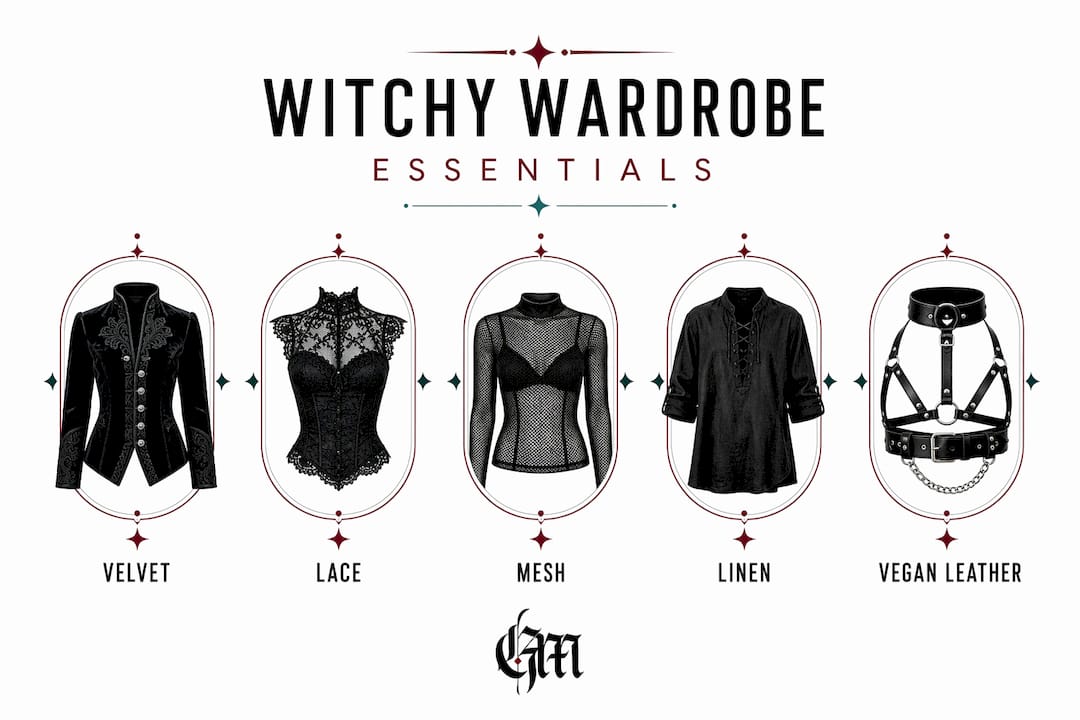
The core fabrics for witchy style are velvet, lace, mesh, linen, and vegan leather, each contributing a distinct texture and mood. Velvet delivers nocturnal luxury. Lace and mesh create delicate, layered depth. Linen grounds the look with earthy weight, while vegan leather adds an edge that reads as both modern and slightly menacing.
Color is equally deliberate. Deep jewel tones like oxblood, forest green, and midnight blue form the backbone of most witchy palettes. Earthy neutrals, including warm taupe, mushroom, and rust, soften the drama and make pieces easier to mix. Celestial metallics, think antique gold and tarnished silver, add visual contrast without breaking the dark mood.
Layering mixed textures creates the visual depth that separates a witchy outfit from a simple dark outfit. A velvet midi skirt worn over a mesh bodysuit, topped with a linen duster, produces three distinct surface qualities in one look. That contrast is the point. The eye moves across the layers and reads the outfit as intentional and complex.
For readers interested in vegan leather alternatives, cork and plant-based materials now offer the same dark, structured silhouette with a lower environmental footprint.
| Fabric | Color pairing | Vibe |
|---|---|---|
| Velvet | Oxblood, midnight blue | Nocturnal, luxurious |
| Lace | Ivory, black | Romantic, gothic |
| Mesh | Forest green, charcoal | Edgy, layered |
| Linen | Taupe, rust | Earthy, grounded |
| Vegan leather | Black, dark plum | Modern, assertive |
Pro Tip: Start with one velvet piece and one lace piece. Build every outfit around those two textures before adding a third. This prevents the “too much at once” problem that makes witchy looks feel like costumes rather than wardrobes.
Which signature footwear and accessories define witchy fashion in 2026?
Pointed-toe lace-up boots are the defining footwear of witchy fashion in 2026. They balance gothic drama with genuine practicality, working equally well with a floor-length velvet skirt or a pair of dark straight-leg trousers. Style icons wore them throughout 2025, and the silhouette has only grown more central to the aesthetic.
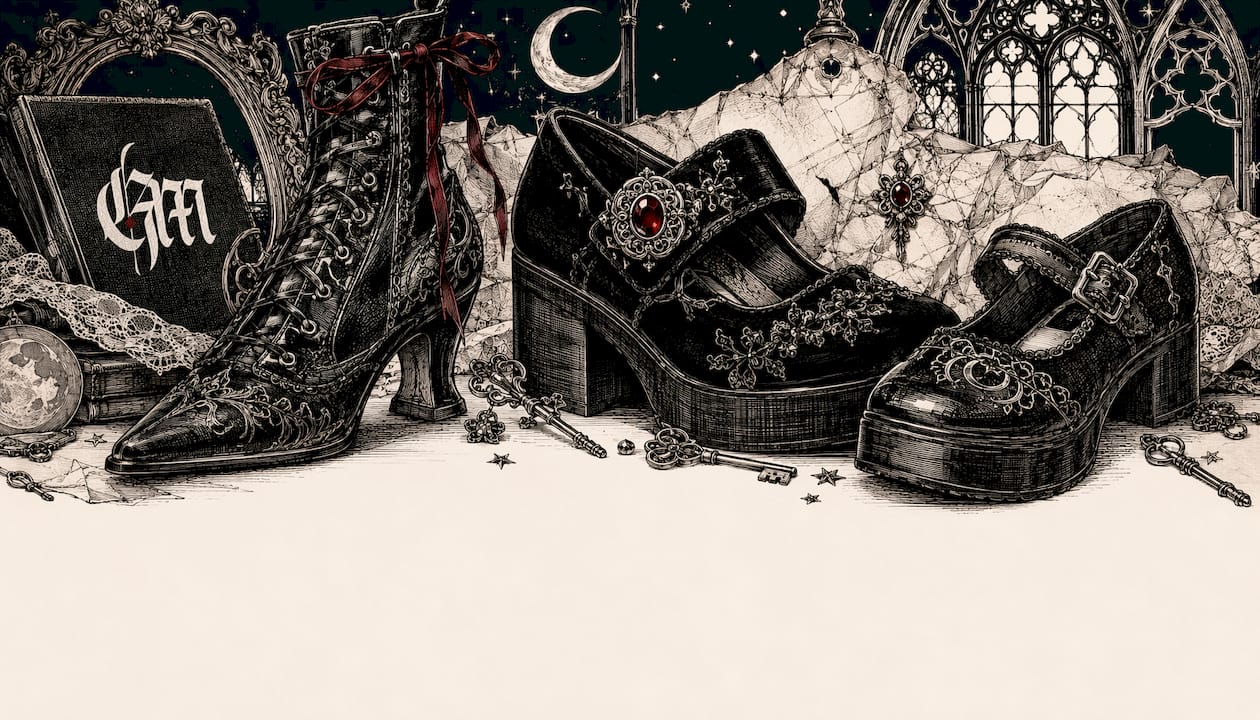
Beyond the classic boot, velvet platforms add height and texture without sacrificing the dark palette. Mary Janes in patent black or deep burgundy offer a softer, more whimsical take on the aesthetic. Rustic leather mules work well for green witch and cottage-core adjacent styling, grounding an otherwise dramatic outfit with something that reads as handmade and worn-in.
Jewelry carries as much weight as clothing in this aesthetic. Raw gemstones, silver moon phases, and layered crystal pendants are the standard vocabulary of witchy accessories. Raw amethyst rings, labradorite pendants, and stacked moonstone bracelets all reinforce occult symbolism without requiring explanation. The pieces speak for themselves.
Must-have accessory categories include:
- Layered crystal and gemstone necklaces in varying lengths
- Moon phase rings and raw stone rings worn on multiple fingers
- Wide-brim hats in black felt or straw for seasonal variation
- Corset belts to define the waist over flowing layers
- Chain belts worn low on the hip for a more relaxed silhouette
- Talisman pendants, sigil charms, or meaningful amulets as focal pieces
- Embroidered or beaded bags with celestial or botanical motifs
Pro Tip: Limit statement accessories to one category per outfit. If you wear a dramatic layered necklace, keep rings minimal. If you wear a wide-brim hat, skip the elaborate earrings. One focal point reads as intentional. Three compete for attention and cancel each other out.
How do you build versatile witch-inspired outfits for any occasion?
Mixing gothic wardrobe essentials with minimalist influences creates outfits that work across a wide range of occasions without losing their mystical character. The key is treating each outfit as a layering exercise rather than a single-piece statement. You build from the base up, adding texture and meaning at each step.
Casual witchy looks
A dark floral slip dress worn with an oversized knit cardigan and pointed-toe ankle boots is a complete casual outfit. The slip dress provides the feminine, slightly gothic base. The cardigan adds warmth and texture. The boots anchor the look with the aesthetic’s signature footwear. Add a single crystal pendant and the outfit reads as fully realized without any effort.
Evening and formal styling
For evening looks, velvet gowns with lace overlay sleeves or a lace underskirt create the right level of drama. A fitted velvet blazer over a silk slip dress achieves the same result with less volume, which works better in formal or professional settings. The corporate witch sub-aesthetic specifically relies on this approach: dark, structured, and quietly powerful.
Step-by-step outfit assembly
- Choose a base layer in a solid deep tone: a bodysuit, slip dress, or fitted turtleneck.
- Add a mid-layer with texture contrast: a velvet skirt, lace blouse, or mesh top over the base.
- Add an outer layer for silhouette: a duster coat, oversized blazer, or structured cape.
- Select footwear that matches the occasion’s formality level, from lace-up boots to velvet platforms.
- Choose one jewelry focal point: a layered necklace, a stack of rings, or a statement hat.
- Add one functional accessory: a belt to define the waist or a bag that fits the color palette.
- Edit down. Remove one piece. The final look should feel like it has room to breathe.
The 2026 blend of boho chic and gothic influences emphasizes intuitive layering over rigid formulas. Thrifting adds pieces with genuine history. A 1970s peasant blouse, a 1990s velvet blazer, and a modern lace skirt can coexist in one outfit because the color palette and texture language hold them together. DIY modifications, like adding lace trim to a plain black dress or replacing standard buttons with antique brass ones, personalize mass-market pieces without significant cost.
What mistakes should you avoid when building an authentic witchy wardrobe?
The most common mistake is buying unrelated pieces in bulk because they each look “witchy” in isolation. A wardrobe built this way produces outfits that feel disconnected. Every piece should be able to work with at least three others already in your closet before you buy it.
Authentic style emerges over time through discovery and layering, not instant adoption of a full trend. Vintage lace, specialty jackets, and meaningful jewelry gathered across months or years produce a wardrobe with a genuine point of view. Buying an entire “witch kit” from a single fast-fashion source produces the opposite effect.
Historical occult references add depth that trend pieces cannot replicate. Victorian mourning jewelry, for example, was crafted with human hair as a symbol of grief and remembrance. Incorporating a piece like this, or understanding why it matters, distinguishes a cohesive personal style from a temporary fashion moment. The intention behind a piece changes how it reads.
Common errors to avoid:
- Buying pieces without checking whether they work with existing items
- Prioritizing trend-driven purchases over personally meaningful ones
- Wearing every witchy element at once rather than editing for cohesion
- Ignoring fit in favor of aesthetic: a poorly fitted velvet gown reads as costume, not fashion
- Skipping the edit step and wearing the first assembled look without removing one piece
Pro Tip: For layering that works, match the weight of your layers to the season. Heavy velvet over lace works in fall and winter. In spring and summer, swap velvet for linen and keep the lace as the base. The layering logic stays the same; only the fabric weight changes.
Key Takeaways
Witchy fashion styling works best when fabric texture, color palette, and meaningful accessories build together into a look that feels personal rather than assembled.
| Point | Details |
|---|---|
| Fabric is the foundation | Velvet, lace, mesh, linen, and vegan leather each create distinct texture and mood. |
| Color palette drives cohesion | Deep jewel tones, earthy neutrals, and celestial metallics hold mixed pieces together. |
| Footwear anchors the aesthetic | Pointed-toe lace-up boots remain the defining witchy shoe for 2026. |
| Accessories need a focal point | Limit statement pieces to one category per outfit to avoid visual competition. |
| Wardrobe builds over time | Meaningful vintage and specialty pieces produce more authentic style than trend-driven bulk buying. |
Why witchy fashion is really about reclaiming your own story
Witchy fashion gets dismissed as costume by people who have never worn it seriously. That reading misses the point entirely. The cultural response embedded in the trend is about soft power and the refusal to be invisible. When you put on a structured velvet coat and pointed boots, you are not playing dress-up. You are making a statement about how you move through the world.
What I have found, after years of watching this aesthetic evolve, is that the people who wear it best are not the ones who buy the most pieces. They are the ones who know exactly why each piece is in their wardrobe. A raw amethyst ring from a market in New Mexico. A lace blouse found in a thrift store in Portland. A velvet blazer altered to fit perfectly. Those pieces carry weight that a full outfit from a single retailer never will.
The sub-aesthetic you choose matters less than the consistency of your personal logic. A gothic wardrobe checklist can help you identify gaps, but the pieces you fill those gaps with should come from your own instincts. Green witch, cosmic witch, corporate witch: these are starting points, not boxes to stay inside.
The most powerful witchy looks I have seen break at least one rule of the aesthetic deliberately. A white linen dress in an otherwise all-black wardrobe. A single bright copper ring among silver. The rule-break signals that the wearer understands the rules well enough to choose when to ignore them. That is the difference between wearing a trend and owning a style.
— Rey
Curated pieces for building your witchy wardrobe
Building a witchy wardrobe is easier when you have access to pieces made specifically for this aesthetic rather than adapted from mainstream fashion.

Goth curates gothic and witchy fashion from independent creators who understand the difference between a velvet piece made for the aesthetic and one that simply comes in black. The Goth marketplace carries clothing, occult jewelry, accessories, and collectibles selected for their alignment with dark and mystical style. For readers ready to add meaningful pieces rather than trend-driven filler, Goth connects you directly with makers who specialize in exactly this work. The witchcore style guide on the Goth blog also provides deeper context on the aesthetic’s roots and how to wear it with intention.
FAQ
What is witchy fashion styling?
Witchy fashion styling is the practice of combining gothic romanticism, bohemian textures, and occult symbolism into cohesive, wearable outfits. It draws on fabrics like velvet and lace, deep color palettes, and meaningful accessories to create a mystical, empowering aesthetic.
What are the best fabrics for a witchy wardrobe?
Velvet, lace, mesh, linen, and vegan leather are the core fabrics for witchy style. Each contributes a distinct texture, and layering two or three together creates the visual depth that defines the aesthetic.
How do I start building a witchy wardrobe without overspending?
Start with one velvet piece and one lace piece, then build outfits around those two textures. Thrifting and DIY modifications let you add meaningful, personalized pieces without the cost of buying everything new.
What jewelry works best for witchy outfits?
Raw gemstone rings, layered crystal pendants, and silver moon phase jewelry are the standard vocabulary of witchy accessories. Limit statement jewelry to one category per outfit so pieces complement rather than compete.
Is witchy fashion appropriate for everyday wear?
Yes. A dark floral slip dress with a knit cardigan and pointed-toe boots is a complete, wearable everyday outfit. The corporate witch sub-aesthetic specifically adapts the style for professional settings using structured velvet blazers and minimalist occult accessories.