

Vintage goth clothing tips: build a timeless wardrobe
TL;DR:
- Sourcing authentic vintage goth clothing requires patience and knowledge of fabric, construction, and labels.
- Creating a signature goth look involves intentional layering, choosing a strong anchor piece, and adding symbolic accessories.
- Vintage goth is about personal expression and embracing imperfections, not just following trends or nostalgia.
Curating a goth wardrobe that feels genuinely yours is harder than it looks. The real tension isn’t between dark and light. It’s between following what’s trending in the subculture right now versus building something that reflects who you actually are. Vintage goth style sits right at that crossroads. It pulls from decades of dark romanticism, post-punk rebellion, and Victorian shadow, yet it stays deeply personal when done right. This guide walks you through sourcing authentic vintage pieces, building signature looks, mixing eras without losing your edge, and finishing your wardrobe with details that make it unmistakably yours.
Table of Contents
- How to source authentic vintage goth pieces
- Creating a signature goth look with vintage finds
- Mixing eras without losing that dark romantic essence
- Personalizing your vintage goth wardrobe: accessories and finishing touches
- Why vintage goth is about more than nostalgia or trends
- Where to shop and get inspired for vintage goth style
- Frequently asked questions
Key Takeaways
| Point | Details |
|---|---|
| Source sustainably | Thrift shopping and vintage sourcing provide unique and eco-friendly goth wardrobe options. |
| Experiment with colors | Mix monochrome and jewel tones for signature vintage goth looks while maintaining authenticity. |
| Mix eras thoughtfully | Combine motifs from different vintage periods to keep your style fresh and true to goth roots. |
| Personalize with accessories | Use creative accessories and DIY touches for one-of-a-kind vintage goth outfits. |
| Value self-expression | Prioritize personal authenticity and creativity over mainstream fashion cycles. |
How to source authentic vintage goth pieces
Finding real vintage goth clothing takes patience, a sharp eye, and knowing where to look. The good news is that the hunt itself is part of the culture. Goth has always been rooted in a DIY ethos, which means vintage sourcing for goth aligns perfectly with the subculture’s values around sustainability and uniqueness. You’re not just buying clothes. You’re rescuing pieces with history.
Here are the best places to start your search:
- Thrift stores and charity shops: Goodwill, Salvation Army, and local thrift chains often hide velvet blazers, lace blouses, and Victorian-style boots in plain sight. Visit frequently because stock rotates fast.
- Online secondhand platforms: Depop, Poshmark, and eBay are goldmines when you use the right search terms. Try “Victorian blouse,” “80s velvet,” “bat sleeve top,” or “gothic lace skirt” instead of just “goth.”
- Estate sales and flea markets: These are where overlooked gems live. Older estates often carry real Victorian or Edwardian pieces that no algorithm has tagged yet.
- Specialized vintage boutiques: Some shops focus on dark and alternative fashion. They do the curation for you, though prices reflect that.
- Independent goth vendors: Small creators on platforms like Goth.Market sell vintage-inspired and authentic secondhand pieces that already fit the aesthetic.
When you find something, check three things before buying. First, inspect the fabric. Velvet, silk, lace, and brocade age beautifully. Polyester from the wrong era does not. Second, look at the construction. Hand-stitching, unusual closures, and quality lining suggest age and craftsmanship. Third, check the label. Country of origin, union labels, and brand names can help you date a piece accurately.
Pro Tip: Search estate sales in wealthier neighborhoods. Older residents sometimes stored formal Victorian or Edwardian-era clothing in cedar chests for decades. These pieces are rarely labeled “goth” but they’re exactly what you need.
The process of curating gothic wardrobes from vintage sources rewards those who think creatively. A 1970s maxi skirt in black crepe becomes a dramatic floor-length statement. A men’s 1980s velvet smoking jacket reads as pure dark glamour. Understanding your goth wardrobe essentials helps you recognize which vintage finds will actually work in your rotation.
Creating a signature goth look with vintage finds
Once you’ve sourced unique vintage pieces, the next step is crafting a look that stands out. The biggest debate in goth fashion right now is color. Old-school purists argue that strict monochrome black is the only authentic approach. Modern goth enthusiasts push back, saying jewel tones like deep burgundy, midnight blue, and forest green belong in the palette. Both are right, depending on your aesthetic lane.
“The most compelling goth looks aren’t built on rules. They’re built on conviction. Whether you wear all black or layer in a deep amethyst velvet, what matters is that every piece feels intentional.” — Goth.Market editorial team
Here’s a numbered process for building a signature look with vintage pieces:
- Start with one anchor piece. Choose your strongest vintage find, whether it’s a Victorian lace blouse, a 1980s leather trench coat, or a brocade corset. This is the heart of the outfit.
- Build your base layer. Pair the anchor with a simple modern goth staple. Black skinny jeans, a fitted turtleneck, or a plain maxi skirt keeps the vintage piece from feeling like a costume.
- Add texture contrast. Mix fabrics intentionally. Velvet against matte cotton, lace over leather, or silk layered under wool creates visual depth that flat monochrome outfits lack.
- Choose your color story. Decide whether you’re going full monochrome or introducing one jewel tone. Don’t mix both in the same look unless you’re very confident in the balance.
- Finish with one statement accessory. A single bold piece, like a silver skull ring, a Victorian cameo brooch, or a dramatic choker, ties the whole look together without overwhelming it.
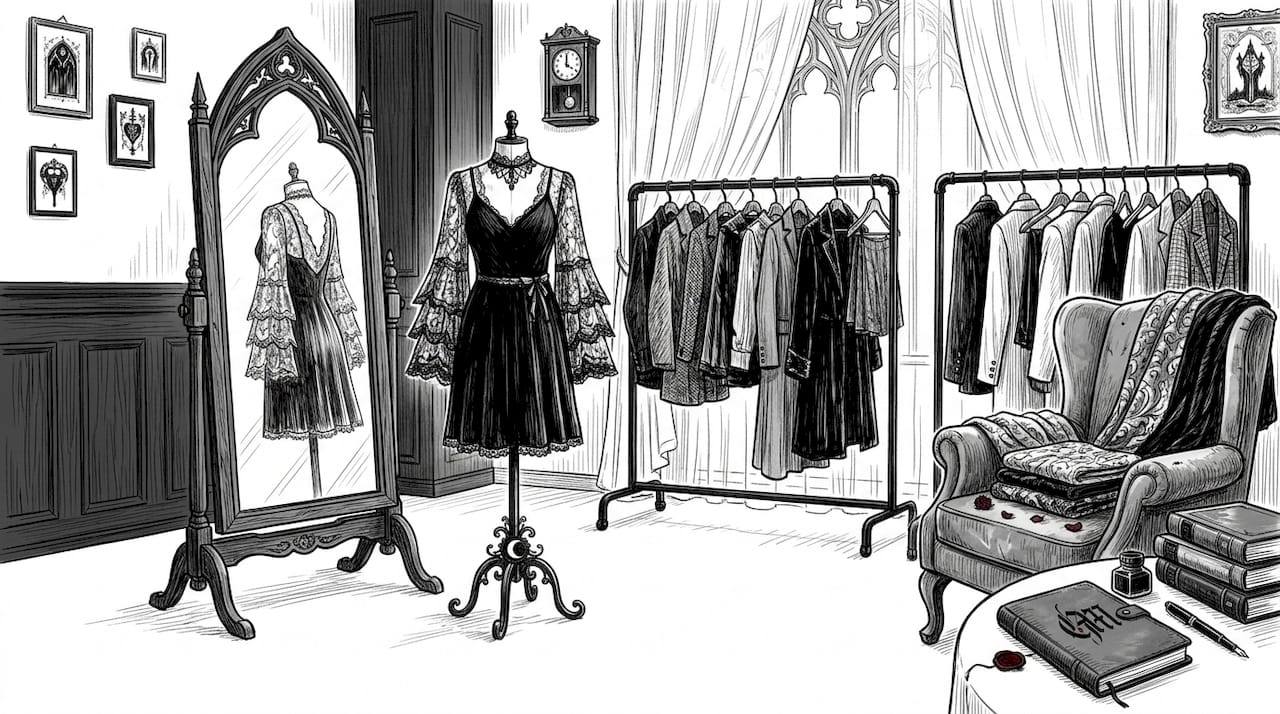
Layering is where vintage goth really shines. A sheer lace overlay on a modern slip dress instantly reads as vintage without requiring a full period costume. For tips on styling gothic outfits with this kind of layering logic, the approach is always the same: contrast, intention, and restraint. And if you’re still figuring out your relationship with color, exploring authentic goth color tips can help you find your balance.
Mixing eras without losing that dark romantic essence
After building your outfit, understanding how eras mix can elevate your style even further. Goth draws from multiple historical periods, and each one brings its own signature energy. The key is knowing what each era contributes so you can blend deliberately rather than accidentally.
| Era | Signature motifs | What it adds to goth style |
|---|---|---|
| Victorian (1837-1901) | Lace, corsets, mourning dress, cameos | Dark romance, formality, gothic architecture references |
| Edwardian (1901-1910) | High collars, puffed sleeves, long skirts | Ethereal femininity, ghostly elegance |
| 1970s glam/punk | Velvet, platform boots, ripped fabric | Edge, rebellion, theatrical drama |
| 1980s post-punk | Leather, fishnet, dramatic eyeliner, band tees | Subculture roots, raw authenticity |
| 1990s dark wave | Slip dresses, silver jewelry, minimalist dark | Understated cool, modern wearability |
Mixing these eras keeps looks fresh without losing the dark romantic core that defines goth. The trick is finding the common thread. Every era above shares an appreciation for drama, darkness, and intentional dressing. That’s your anchor.
Here are the motifs that carry across all eras and help you blend without losing identity:
- Dramatic silhouettes: Full skirts, structured shoulders, and floor-length hems read as goth regardless of decade.
- Dark symbolism: Crosses, moons, ravens, and skulls appear in Victorian mourning jewelry and 1980s punk accessories alike.
- Luxurious textures: Velvet, lace, and brocade appear across every era and always feel authentically dark.
- Monochromatic layering: Black on black in different textures works in every period.
The risk to avoid is letting mainstream vintage cycles pull you away from goth identity. Vintage is trending broadly right now, which means a lot of “vintage” pieces on the market are actually 1990s minimalism or 2000s nostalgia, neither of which carries goth energy by default. Use your gothic wardrobe checklist to stay grounded, and lean on a dark aesthetic styling guide when you’re unsure whether a piece fits your vision.
Personalizing your vintage goth wardrobe: accessories and finishing touches
Once your main outfit is set, personalizing it gives your vintage goth wardrobe its soul. Accessories are where personal expression over mainstream trends becomes most visible. A mass-market outfit becomes something entirely your own the moment you add the right ring, the right bag, or the right pair of boots.
| Accessory category | Vintage options | Modern goth options | Estimated price range |
|---|---|---|---|
| Jewelry | Cameo brooches, jet mourning pieces, Victorian lockets | Skull rings, moon pendants, occult sigil necklaces | $5 to $150 |
| Footwear | Victorian lace-up boots, 1970s platforms | New Rock boots, chunky creepers | $30 to $300 |
| Bags | Beaded evening bags, carpet bags, tapestry clutches | Coffin-shaped bags, leather satchels | $10 to $200 |
| Hair accessories | Velvet ribbons, antique hairpins, lace headbands | Bat clips, skull pins, dark floral crowns | $2 to $60 |
| Outerwear | Vintage capes, velvet blazers, fur-trimmed coats | Modern duster coats, leather jackets | $15 to $250 |
DIY customization is one of the most powerful tools in the vintage goth toolkit. Adding black lace trim to a plain skirt hem, sewing vintage buttons onto a modern coat, or painting gothic symbols onto a thrifted denim jacket transforms basics into statement pieces. These touches also make your wardrobe impossible to replicate, which is the whole point.
Pro Tip: Check craft stores and fabric markets for vintage trims, buttons, and lace by the yard. You can completely transform a $4 thrift store blouse with $8 worth of black velvet ribbon and a handful of antique-style buttons.
Understanding what defines your style at a deeper level, from fabric choices to symbolic motifs, helps you make better decisions at every price point. Exploring goth clothing features gives you a framework for evaluating any piece, vintage or new. And if you’re still finding your aesthetic lane, the gothic subculture style guide breaks down the major subgenres so you can figure out exactly where you belong.
Why vintage goth is about more than nostalgia or trends
Here’s the uncomfortable truth: most people who pick up vintage goth pieces right now are doing it because it’s trending. Goth fashion cycles into mainstream visibility every few years, and that’s fine. But the subculture itself has always been indifferent to those cycles. What makes vintage goth meaningful isn’t the era it comes from. It’s what it says about the person wearing it.
Authenticity in goth fashion isn’t about owning the oldest piece or following the strictest rules. It’s about building a wardrobe that reflects your actual relationship with darkness, beauty, and history. A perfectly assembled vintage look that you bought because someone told you to is less authentic than a thrifted velvet blazer you fell in love with at a flea market and wore until it shaped itself to your body.
The gothic fashion evolution shows us that the subculture survives precisely because it resists easy definition. Vintage goth isn’t a costume. It’s a practice. And goth in modern trends proves that the subculture keeps evolving on its own terms, not the mainstream’s. Embrace the imperfections. Wear the DIY stitching. That’s where the soul lives.
Where to shop and get inspired for vintage goth style
Ready to build your own vintage goth wardrobe? Here’s where to find curated pieces and inspiration.
Goth.Market brings together independent creators and vendors who understand exactly what this subculture values. You won’t find mass-produced knockoffs here. You’ll find pieces made with intention for people who take their aesthetic seriously.
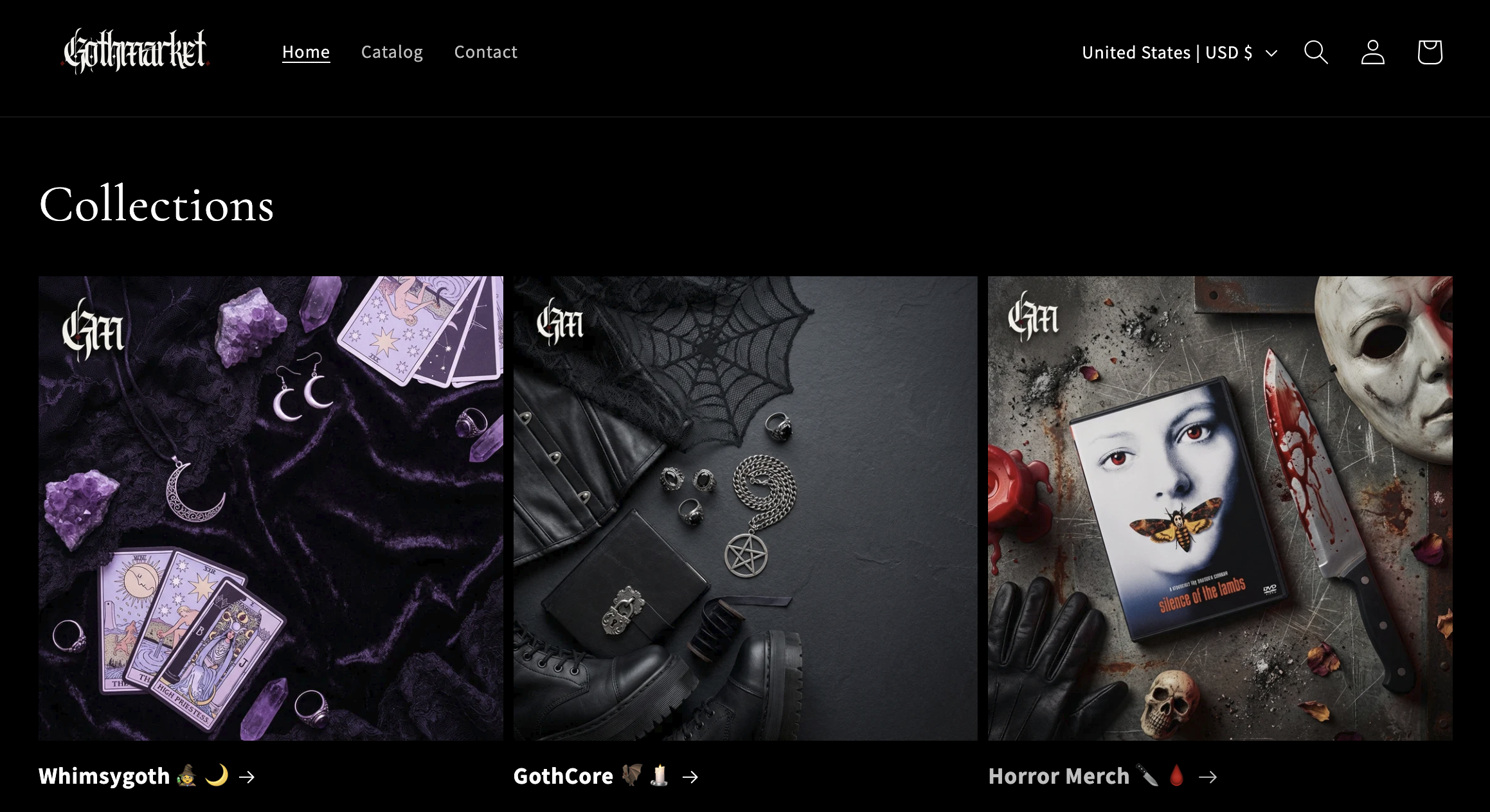
Start with the goth jewelry collection for accessories that anchor any vintage look. The celestial chain choker is a perfect example of how modern craftsmanship can complement vintage fabrics beautifully. And if your aesthetic leans toward the whimsical and dark, the whimsygoth collection is full of pieces that bridge eras with ease. Share your vintage goth looks with the community and let your wardrobe speak for itself.
Frequently asked questions
How do I identify authentic vintage goth clothing?
Check labels for country of origin and union tags, inspect fabric quality like velvet and lace, and look for gothic motifs such as cameos, lace trim, and dark symbolism. Genuine vintage pieces often show signs of age and unique construction details that modern reproductions skip.
What colors can I use in vintage goth outfits?
Black is the foundation, but jewel tones like purple and deep emerald work well in modern vintage goth fusion looks. Choose one accent color and let black do the heavy lifting around it.
Are there affordable ways to personalize vintage goth clothing?
Absolutely. Thrifting and upcycling are the most budget-friendly paths to a one-of-a-kind look. Add lace trim, swap out buttons, or paint gothic symbols onto secondhand basics for custom results at minimal cost.
Is vintage goth fashion affected by mainstream trends?
Yes, goth cycles into mainstream visibility regularly, but the subculture itself prioritizes personal expression over trend cycles. Use mainstream moments as sourcing opportunities without letting them dictate your direction.
Recommended
- How to curate a gothic wardrobe: your ultimate 2026 guide – GothMarket
- Gothic fashion checklist 2026: build your dark wardrobe – GothMarket
- Gothic wardrobe essentials for authentic alternative style – GothMarket
- Tips for gothic style: 70% black wardrobe for authentic looks – GothMarket
- How to choose timeless fashion: luxury guide 2026 – MaraFormigone