

The Role of Marketplaces in Subcultures: 2026 Guide
TL;DR:
- Marketplaces are essential for sustaining subcultural identity, commerce, and community in the digital age. They actively influence members’ perceptions through algorithms that reinforce familiar aesthetics and narrow cultural expression. Niche platforms support authentic cultural exchange by prioritizing direct maker relationships, low commissions, and preserving community-specific language and visuals.
Marketplaces are defined as the primary infrastructure through which subcultures sustain identity, commerce, and community in the digital age. The role of marketplaces in subcultures extends far beyond simple buying and selling. Platforms like Goth, Irthi, and the Darwin Aboriginal Art Fair show how specialized commerce spaces protect cultural authenticity, connect makers directly with their communities, and shape what members see, buy, and believe about their own identity. The global fandom market is estimated at $34 billion, including merchandise and events. That number signals that subcultures are not fringe economies. They are durable, commercially legible communities with real infrastructure needs.
How do marketplaces shape subcultural identity and consumer behavior?
Marketplaces do not passively reflect subcultures. They actively shape them. Algorithmic mirroring and steering condition identity formation by controlling what products and creators you see repeatedly. When a platform surfaces the same aesthetic signals over and over, those signals start to feel like your own preferences rather than curated suggestions. This is the core mechanism behind identity formation in platformized markets.
Four specific dynamics drive this process:
- Algorithmic mirroring reflects your existing tastes back at you, reinforcing identity coherence but narrowing exposure to genuinely new subculture expressions.
- Steering loops push you toward products that perform well on the platform, not necessarily products that represent authentic subcultural values.
- Visibility metrics recalibrate what counts as legitimate within a scene. In the Italian indie music world, platform compatibility increasingly determines legitimacy over oppositional authenticity. The same pattern applies to gothic fashion, witchcraft aesthetics, and dark art communities.
- Semantic drift occurs when subcultures adapt their language and visual vocabulary toward what platforms reward with discoverability. A product described as “dark cottagecore” instead of “traditional folk witchcraft” is a small example of this shift in practice.
These dynamics are not neutral. AI-driven platforms allocate visibility and recognition algorithmically, which hardens in-group and out-group boundaries in ways that community members rarely control. The result is that your sense of what belongs in your subculture is partly written by a recommendation engine.
Pro Tip: When browsing any marketplace, periodically search outside your usual tags. Deliberately exposing yourself to adjacent aesthetics keeps your taste genuinely yours rather than algorithmically assigned.
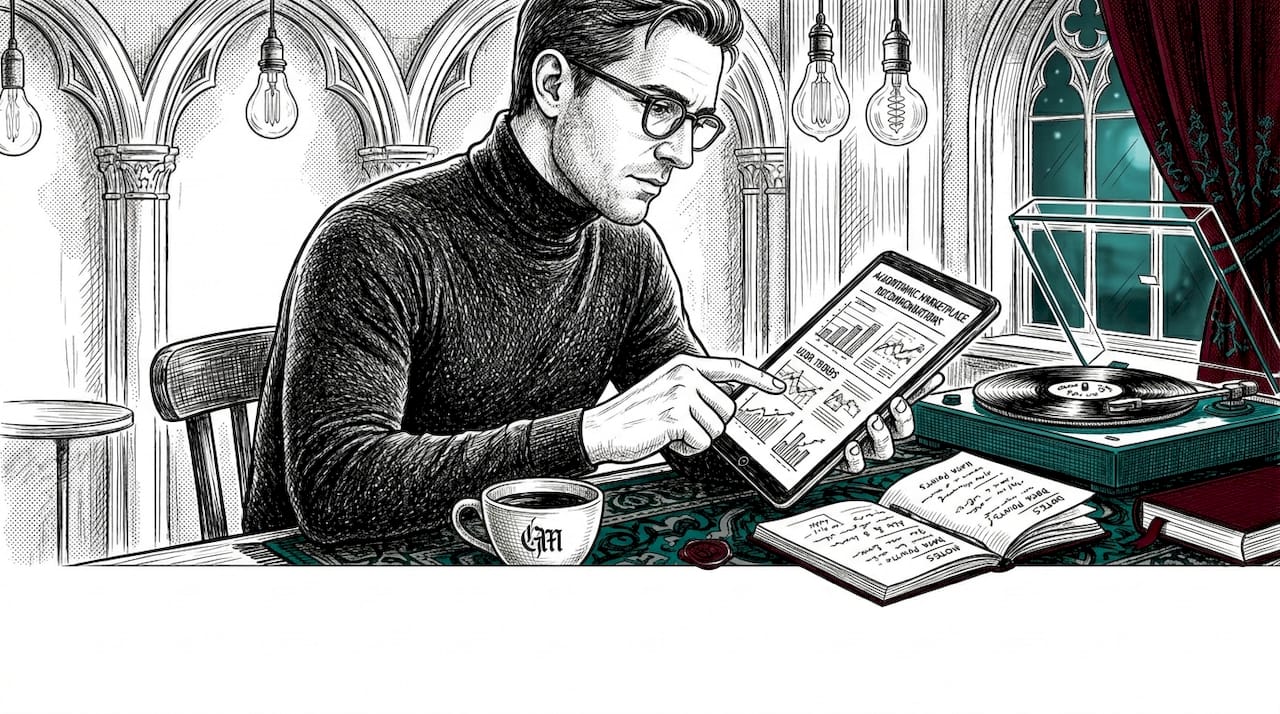
Understanding how aesthetics shape subculture identity helps you recognize when a platform is steering you versus when you are genuinely discovering something new.
What commercial roles do marketplaces serve within niche subcultures?
Niche marketplaces solve a specific commercial problem: rare, handmade, or culturally specific goods have no natural home on mass-market platforms. The commercial roles these spaces fill are concrete and consequential.
- Direct maker-to-consumer sales. Platforms like Irthi, which connects Emirati craft heritage directly to global audiences, demonstrate that direct sales protect cultural authenticity. When a maker sells without intermediaries, the story behind the object travels with it.
- Global access to rare goods. A gothic jewelry maker in rural Portugal can reach buyers in Chicago or Tokyo through a niche platform. This geographic reach was impossible before digital marketplaces and fundamentally changes who can sustain a living within a subculture.
- Recurring commerce through trust. Research shows that price competitiveness, trustworthiness, and delivery speed drive repeated purchase behavior on online marketplaces. For niche subculture products, trust is especially critical because buyers are often paying premium prices for handmade or limited-edition items.
- Community economic sustainability. The Darwin Aboriginal Art Fair takes no commission on sales and directs 10% of purchases directly back to communities. This model demonstrates that marketplace design choices directly determine whether commerce strengthens or extracts from a subculture.
The benefits for creators selling gothic merchandise through niche platforms include not just revenue but cultural visibility and community recognition that mass platforms rarely provide.
Mainstream vs. niche marketplaces: which actually serves subcultures?
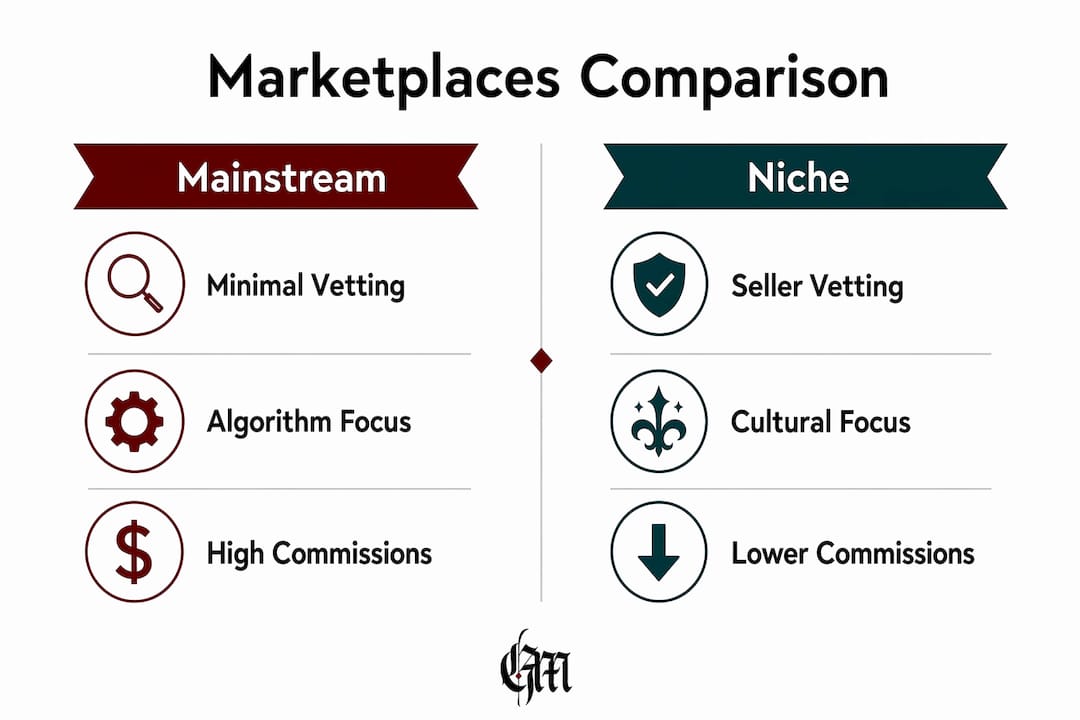
The difference between a mainstream platform and a niche marketplace is not just product selection. It is a difference in cultural values embedded in the platform’s design.
| Factor | Mainstream platforms | Niche/community-led marketplaces |
|---|---|---|
| Seller vetting | Minimal; volume-focused | Curated; identity and craft standards applied |
| Commission structure | High; favors volume sellers | Low or zero; supports independent makers |
| Semantic drift risk | High; optimization pressure is constant | Lower; community norms govern language and aesthetics |
| Cultural preservation | Incidental | Central design goal |
| Buyer-seller connection | Transactional | Direct; Q&A, story, and provenance included |
Mainstream platforms generate semantic drift because their optimization pressure is relentless. A creator who tags their work with trending keywords rather than accurate subcultural terms gets more visibility but contributes to the dilution of the subculture’s vocabulary. This is not a moral failure. It is a rational response to platform incentives.
Niche platforms like Goth counter this by making cultural specificity a feature rather than an obstacle. When a marketplace is built around gothic, occult, and dark aesthetics, the community’s language is the platform’s language. There is no pressure to translate your identity into mass-market terms. The impact of marketplaces on subcultures is most positive when the platform’s values align with the community’s values rather than with growth-at-all-costs metrics.
The role of aesthetics in goth markets illustrates how platform design choices either protect or erode the visual and cultural vocabulary that defines a scene.
How do marketplaces foster community connections beyond commerce?
Commerce is the visible layer. Underneath it, marketplaces function as social infrastructure. For Gen Z in particular, online community formation replaces geographic community, making subcultures persistent and legible in ways that physical proximity never guaranteed. You do not need to live near a goth club to belong to the gothic community in 2026. You need access to the right marketplace.
Several mechanisms make this social function work:
- Review systems create public records of trust and taste. When a buyer leaves a detailed review describing how a piece of occult jewelry fits into their practice, that review becomes cultural content, not just consumer feedback.
- Direct Q&A between buyers and makers preserves the story and provenance of objects. This communication channel is what separates a niche marketplace from a warehouse catalog.
- Visibility governance determines who gets seen and who gets recognized as a legitimate community member. Unequal attention distribution on AI-driven platforms hardens social hierarchies, which matters deeply in subcultures that often define themselves against mainstream status games.
- Tagging and categorization systems shape group boundaries by deciding which aesthetics belong together and which are separated. A platform that lumps “witchy” and “bohemian” into the same category is making a cultural statement whether it intends to or not.
Pro Tip: When you engage with a niche marketplace, use the direct messaging and Q&A features actively. These interactions build the community layer that makes a marketplace more than a store.
How community shapes the goth market experience goes deeper than product discovery. It determines whether a platform feels like home or just another storefront.
Practical tips for navigating subculture marketplaces
Whether you are buying or selling within an alternative subculture, the platform you choose and how you use it shapes your cultural experience as much as the products themselves.
- Evaluate platform provenance standards. Before purchasing, check whether the marketplace vets its sellers for authenticity. Platforms that require maker profiles, process descriptions, or community endorsements reduce the risk of buying mass-produced goods misrepresented as handmade.
- Understand algorithmic effects on your feed. Your recommendations are not neutral. Periodically clear your search history or browse incognito to see what the platform surfaces without your behavioral data attached. This reveals how much of your “discovery” is actually algorithmic steering.
- Use direct communication channels. Message makers directly. Ask about materials, process, and cultural context. This practice protects you from semantic drift by grounding your purchase in real cultural knowledge rather than keyword-optimized product descriptions.
- Support commission-free or low-commission models. When a platform takes a smaller cut, more money reaches the maker. The Darwin Aboriginal Art Fair’s zero-commission model is the clearest example of how fee structures directly affect cultural sustainability.
- Contribute to visibility through reviews and tagging. Your reviews and tags are not just feedback. They are cultural signals that shape what gets seen next. Use accurate subcultural language rather than trending generic terms to keep the community’s vocabulary intact.
Exploring alternative lifestyle fashion styles through a curated niche marketplace rather than a mass platform gives you access to the cultural context that makes alternative fashion meaningful rather than merely aesthetic.
Key takeaways
Niche, community-led marketplaces are the most effective infrastructure for sustaining subcultural identity, commerce, and community because they align platform design with cultural values rather than growth metrics.
| Point | Details |
|---|---|
| Algorithms shape identity | Marketplace recommendation engines actively steer taste, not just reflect it. |
| Direct-maker models protect culture | Platforms with seller vetting and direct communication reduce commodification risk. |
| Commission structures matter | Zero or low-commission models like DAAF direct more value back to cultural communities. |
| Semantic drift is a real risk | Subcultures that optimize for platform discoverability risk diluting their own vocabulary. |
| Community features extend beyond commerce | Reviews, Q&A, and tagging systems build social infrastructure, not just sales records. |
Why the algorithm is not your community
I have spent years watching alternative subcultures navigate the tension between visibility and authenticity, and the pattern is consistent. The moment a community starts optimizing for platform metrics, it starts losing the edges that made it distinct. Gothic fashion did not become interesting because it was discoverable. It became interesting because it was specific, strange, and built by people who meant it.
The research on algorithmic consumer identity confirms what most subculture members already feel intuitively. Platforms steer you. They do not just show you what you want. They construct a version of what you want that happens to be commercially convenient. That is not inherently evil, but it requires active resistance if you want your identity to remain yours.
What I find genuinely encouraging is the model represented by platforms like Goth, which build the marketplace around the community’s values rather than asking the community to adapt to the marketplace’s growth logic. That inversion matters more than any single product category. When the platform’s incentives align with cultural preservation rather than volume, the community wins. When they do not, the community slowly becomes a content category.
Engage critically. Support makers directly. Use the tools the platform gives you to communicate rather than just consume. The subculture you protect by doing that is your own.
— Rey
Discover authentic alternative goods on Goth
If you want a marketplace where the platform’s values match yours, Goth is built specifically for the dark, alternative, and gothic community. Every product is curated to reflect genuine subcultural aesthetics rather than mass-market approximations.
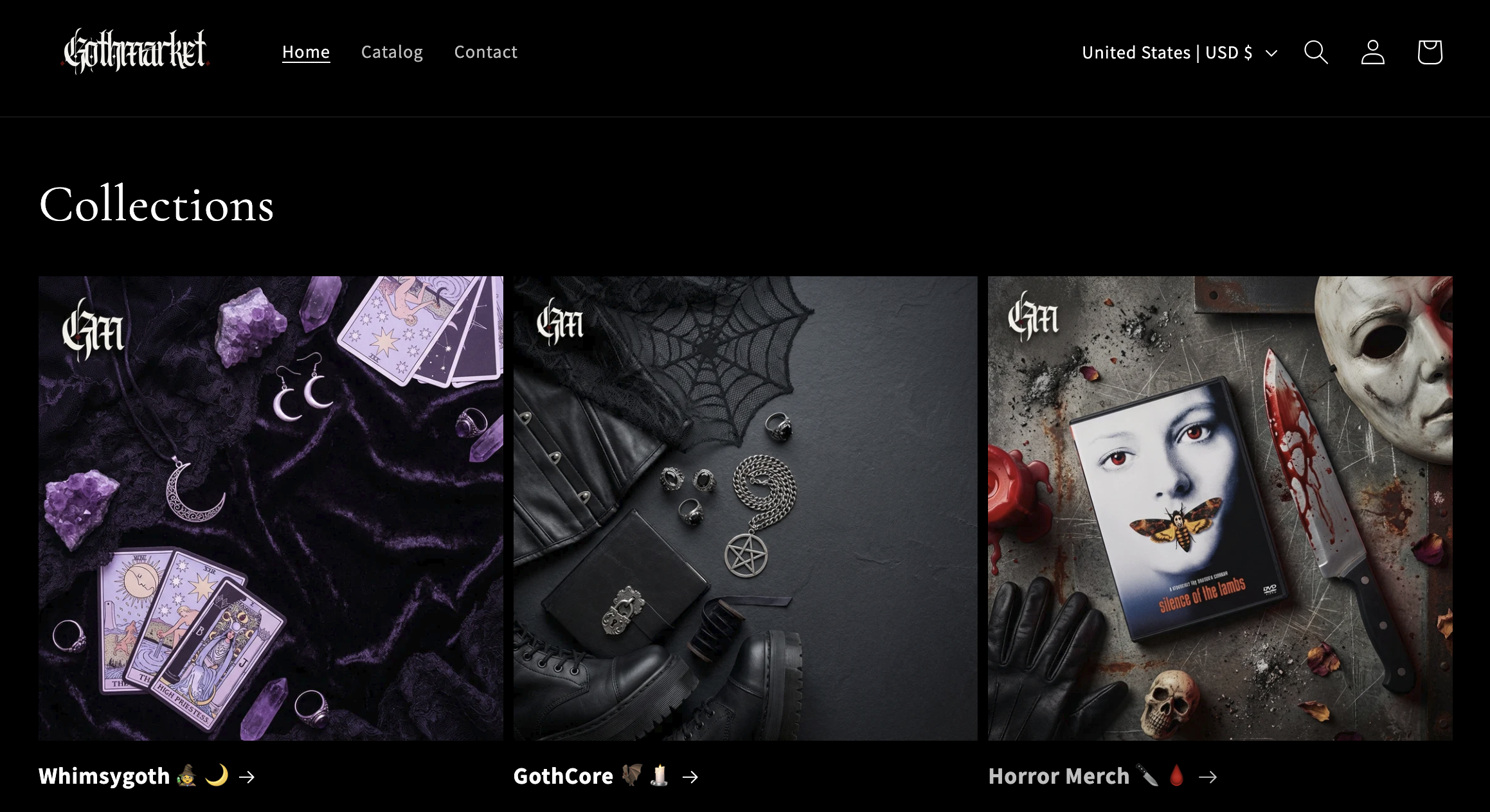
The Whimsygoth collection on Goth brings together independent creators working in gothic, witchy, and dark whimsical aesthetics. You get direct access to makers, real cultural provenance, and products that belong to the community rather than just borrowing its visual language. Explore the collection and support the creators who keep alternative subculture commerce authentic and alive. The role of merchandising in metal culture shows how niche retail sustains entire subculture ecosystems when done with intention.
FAQ
What is the role of marketplaces in subcultures?
Marketplaces serve as the primary infrastructure for subcultural identity expression, commerce, and community persistence. They connect makers with buyers, shape visibility through algorithms, and determine whether cultural authenticity is preserved or diluted.
How do algorithms affect subculture communities on marketplaces?
Algorithms shape identity by controlling repeated exposure to products and aesthetics, which influences what members see as legitimate within their subculture. Without contestability, this process can harden group boundaries and narrow cultural expression.
What makes a niche marketplace better for subcultures than a mainstream platform?
Niche marketplaces apply seller vetting, support direct maker-to-buyer communication, and use lower commission structures that keep more value within the community. These design choices protect cultural authenticity in ways that volume-focused mainstream platforms do not prioritize.
What is semantic drift and why does it matter for subcultures?
Semantic drift occurs when subcultures adapt their language and aesthetics toward platform optimization rather than authentic cultural expression. It matters because it gradually erodes the specific vocabulary and visual identity that defines a subculture’s distinctiveness.
How can subculture members protect their identity while using online marketplaces?
Use direct communication with makers, apply accurate subcultural tags in reviews, and choose platforms that vet sellers for cultural authenticity. These practices preserve the community’s vocabulary and reduce the influence of algorithmic steering on your identity.