

How to Build an Alternative Accessories Collection That Lasts
Start by picking 6 to 10 versatile, signature pieces that reflect your specific alt aesthetic, whether that’s goth, punk, or a hybrid, and build outward from there. Your micro plan: settle on one metal tone, choose three core categories to anchor (usually jewelry, belts, and bags), add two statement items that signal your subculture at a glance, then set a monthly sourcing budget instead of buying everything at once.
Before you buy anything new, spend 10 minutes auditing the jewelry and outerwear already in your closet. Pull out every piece you actually reach for. Most people find they already own two or three items that fit an alt aesthetic and just never realized it. Starting with an audit like this prevents the impulse-buy spiral and gives you a real baseline to design around, rather than starting from zero and guessing at what you’ll wear.
Key Takeaways
Building an alternative accessories collection works best when you prioritize a small set of versatile signature pieces before chasing statement items, and pair that with deliberate sourcing and consistent care.
| Point | Details |
|---|---|
| Start with signature pieces | Pick 6 to 10 versatile items across jewelry, belts, and bags before buying statement pieces. |
| Balance starter and statement | Keep a rough two-to-one ratio of versatile basics to loud, subculture-signaling items. |
| Budget in tiers | Spend under $30 on starters, $30 to $80 on mid-tier upgrades, and save — for investment pieces. |
| Match metal tones and hardware | Repeat one dominant finish, like oxidized silver or gunmetal, across two or three pieces per outfit. |
| Care for materials correctly | Skip polish on oxidized silver, condition leather periodically, and store jewelry in divided trays with anti-tarnish strips. |
| Source from curated marketplaces | Goth.Market connects buyers with independent makers producing handcrafted, upcycled, and subculture-authentic pieces. |
Table of Contents
- What Are the Essential Pieces for an Alternative Accessories Collection?
- How Do You Style Alternative Accessories So They Look Cohesive?
- How Do You Start and Grow a Collection on a Budget?
- How Do You Care for and Maintain Alternative Accessories?
- Where Should You Source Unique Alternative Accessories?
- How Does Curation Improve an Alternative Accessories Collection?
- What’s One Mistake Almost Every Collector Makes Early On?
- Where Can You Browse Curated Alternative Accessories?
- Sources
- FAQ
What Are the Essential Pieces for an Alternative Accessories Collection?
A capsule accessory collection typically includes a moderate number of versatile pieces that coordinate across most of your wardrobe, and that approach holds true for alt style too, since fewer, better pieces beat having a drawer full of things you never touch. The trick is knowing which categories to fill first and which items in each category are “starter” (wearable almost anywhere) versus “statement” (the pieces that make people know exactly what you’re into).
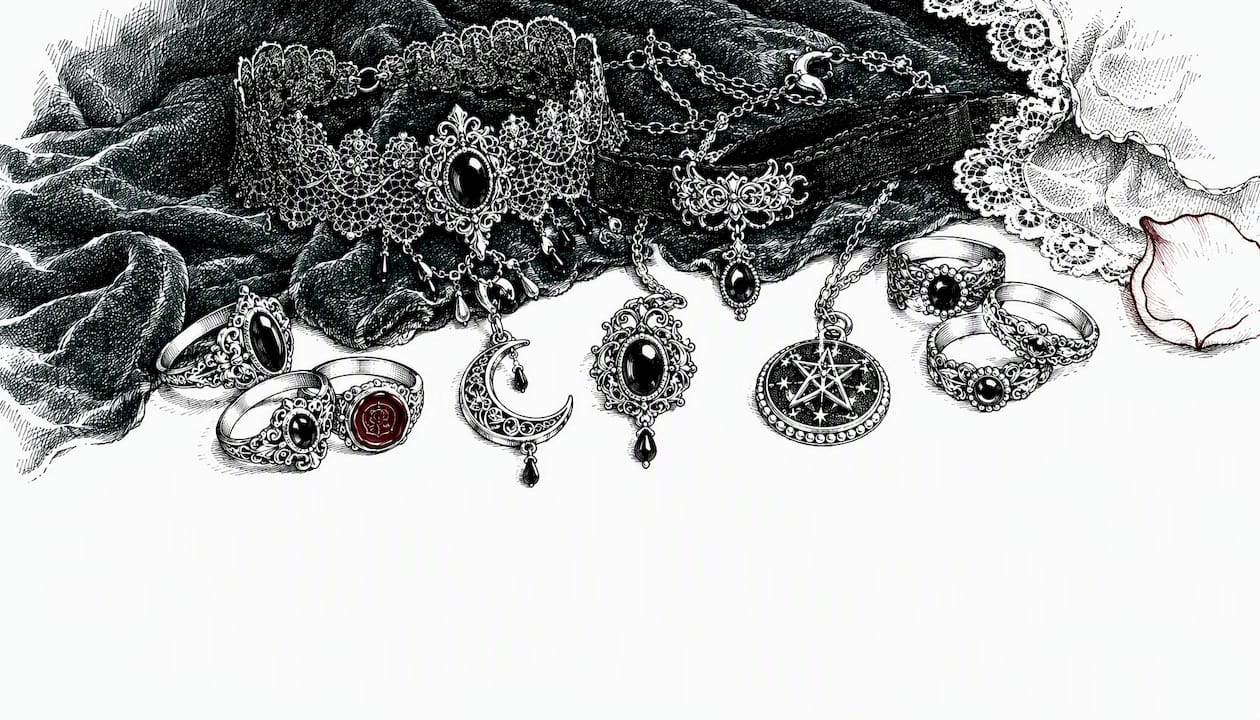
Jewelry. Starter picks include a simple chain necklace, small hoop or stud earrings, and a stacked ring set in one consistent metal tone. Statement picks move into chunky chokers, spiked cuffs, memento mori rings, or an occult-symbol pendant that anchors a whole outfit.
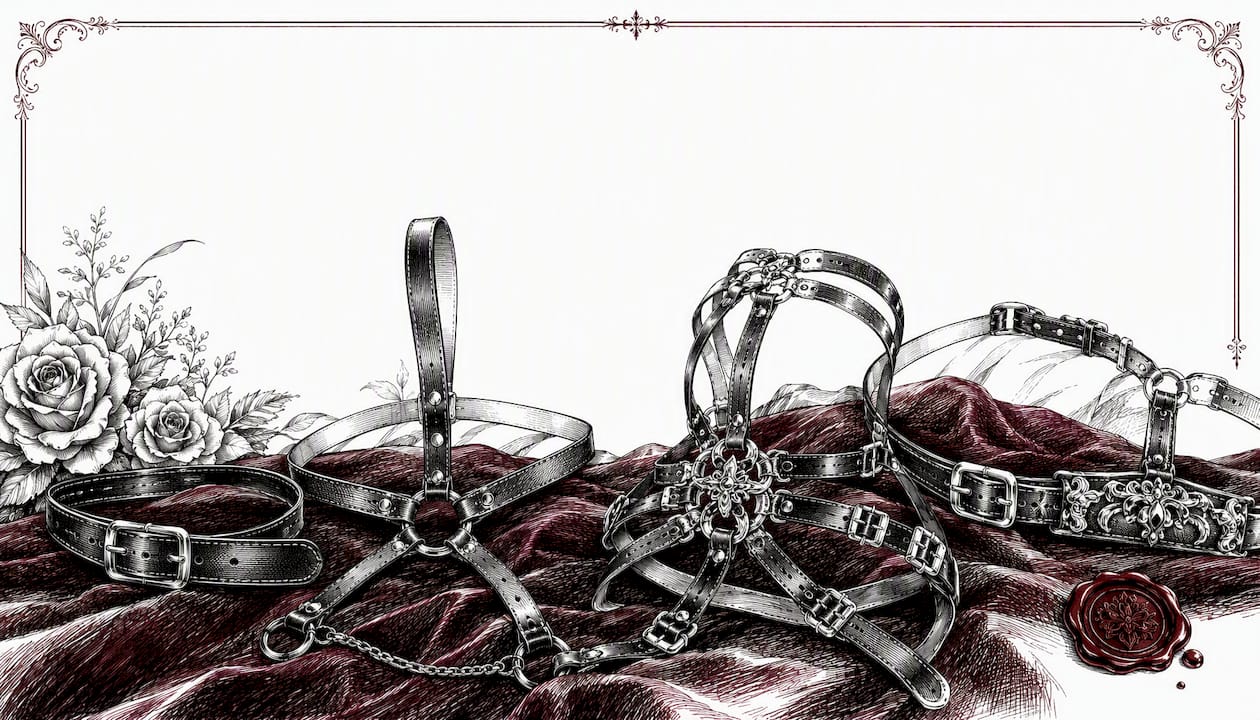
Belts and harnesses. A starter belt is a plain leather or faux-leather strap with minimal hardware. A statement piece is a body harness, a chain-link belt, or a multi-buckle strap that becomes the visual center of your look.
Bags. Starter bags are small crossbody or shoulder bags in black with clean lines. Statement bags lean into coffin shapes, spiked details, or hardware-heavy chain straps.
Gloves and armwear. Fingerless leather gloves or fishnet arm sleeves work as starters. Statement armwear includes studded gauntlets or full lace-up arm cuffs.
Headwear and hair accessories. Starters: simple black hair ties, a plain velvet headband. Statement: spiked hair clips, veiled headpieces, or a chain-draped beret.
Footwear accents. Boot chains, spats, and clip-on buckles turn a plain boot into a statement piece without requiring a new pair of shoes.
Legwear and hosiery. Opaque black tights are the starter. Fishnets, ripped tights, and lace-panel leggings are the statement versions.
Pins, patches, and tech accessories. Enamel pins and small patches are low-cost starters. Studded phone straps and chain wallets read as statement the moment someone spots them.
Metal tone matters more than most people realize when they’re starting out. Oxidized or antiqued silver reads darker and more goth; polished chrome or gunmetal leans punk and industrial. Pick one lane and stay in it across your first ten pieces, or your collection will look like a costume box instead of a wardrobe. On materials, genuine leather ages with character but needs conditioning; vegan leather is easier to maintain but can crack faster under heavy wear.
| Category | Starter pick | Statement pick |
|---|---|---|
| Jewelry | Simple chain, stud earrings | Spiked choker, occult pendant |
| Belts/harnesses | Plain leather strap | Body harness, multi-buckle belt |
| Bags | Small black crossbody | Coffin-shaped bag with chain strap |
| Headwear | Velvet headband | Spiked hair clip or veiled piece |
| Legwear | Opaque black tights | Fishnets or lace-panel leggings |
For real examples of how these categories translate into finished looks, this guide to identifying and styling alternative accessories breaks down the aesthetic differences in more detail.
How Do You Style Alternative Accessories So They Look Cohesive?
Three rules keep an alt look from reading as costume: match your metals, balance your scale, and pick one anchor piece per outfit. Metal-matching means your rings, belt buckle, and bag hardware should share a tone, silver with silver, gunmetal with gunmetal, because clashing finishes are the fastest way to make a deliberate look feel accidental. Scale balance means if you’re wearing a chunky statement necklace, keep your earrings small; if your belt is doing the heavy lifting, skip the oversized bag. The anchor rule is simple: one piece per outfit gets to be the loudest thing in the room. Everything else supports it.
Casual alt day. A plain black tee, jeans, and boots get transformed by a chain wallet clipped to a belt loop and a single spiked ring. Low effort, immediate signal.
Night-out goth. A slip dress or fitted black top pairs with a body harness as the anchor, fishnet tights, and boot chains. Keep jewelry minimal here since the harness is already doing the work.
DIY punk mix. Distressed denim, a battle jacket covered in pins and patches, and a chunky chain belt. This look thrives on visible wear and mismatched textures, so don’t overthink the polish.
Office-to-alt crossover. A blazer over a simple top gets a subtle edge from one thin chain necklace and a ring stack. Nothing here would raise eyebrows in a meeting, but it reads as intentional the moment someone looks closely.
Weekend market or coffee run. A loose sweater, leggings, and a small coffin bag with visible hardware. Comfortable, low-commitment, and still unmistakably alt.
Mixing mainstream and alt pieces is where a lot of people get stuck, but the fix is almost always about proportion, not compromise. A minimal chain layered under a business-casual blouse, or a single spiked ring worn with an otherwise plain outfit, moves your alt identity into the mainstream world without diluting it. You’re not toning down the aesthetic, you’re just choosing which single element carries it that day.
Pro Tip: Pick one dominant hardware finish, oxidized silver, blackened steel, or antique brass, and repeat it across at least two or three pieces in every outfit. That single repetition does more to make a look feel designed than any individual statement item.
For more outfit-building inspiration specific to gothic and dark-alt aesthetics, this roundup of unique gothic accessory ideas is worth a look.
How Do You Start and Grow a Collection on a Budget?
Building a collection is a sequence, not a shopping spree. Follow these steps in order and you’ll end up with a wardrobe of pieces you actually wear, instead of a drawer of impulse buys.
- Audit what you own. Pull every accessory you currently wear more than once a month. This becomes your baseline and tells you what metal tone and style you already gravitate toward.
- Pick your signature pieces. Choose 6 to 10 items across three core categories (jewelry, belts, bags are the most versatile starting point) that you’ll wear constantly.
- Prioritize quality on high-wear items. The pieces touching your skin daily, rings, a go-to necklace, need better materials than occasional statement pieces. Comfort and ease of maintenance predict daily wear far more reliably than novelty does.
- Add statement pieces gradually. Once your daily rotation is solid, layer in one or two loud items that signal your subculture clearly.
- Maintain and document. Photograph new pieces as you add them so you can track what’s actually getting worn versus what’s sitting in a drawer.
A hybrid buying strategy, mixing a few investment staples with cheaper trend pieces, gives you flexibility without draining your budget upfront. Most curated-collection guidance points toward this same balance: a handful of foundation pieces you’ll never regret, surrounded by lower-stakes items you can swap out as your style shifts.
DIY customization is where alt style really separates itself from mainstream shopping. Adding charms to an existing chain, dyeing a faded leather jacket black, or swapping dull hardware for oxidized or blackened findings can turn a basic piece into something nobody else owns. If you’re aging metal yourself, patina solutions work but need ventilation and gloves, skip anything that involves open flame or undiluted chemicals on jewelry you plan to wear against skin. Leather distressing with sandpaper or a wire brush is low-risk but irreversible, so practice on a scrap piece first.
A sustainable pace looks like adding one or two pieces a month rather than binge-buying a whole aesthetic in a weekend. That rhythm keeps your budget sane and gives you time to actually test whether a new item earns a permanent spot in your rotation.
How Do You Care for and Maintain Alternative Accessories?
Oxidized silver needs almost no cleaning beyond an occasional soft-cloth wipe, since the dark patina is the point, scrubbing it with polish will strip the exact finish you paid for. Plated metals (gunmetal, black rhodium, antique brass) are more fragile: keep them dry, avoid perfume and lotion contact, and store them separately so they don’t scratch against harder pieces. Leather wants a light conditioner every few months to prevent cracking, especially on harnesses and belts that flex with your body. Faux leather doesn’t need conditioning but does need to stay away from direct heat, which causes it to peel. Textile trims like lace and fishnet should be hand-washed or bagged for a gentle machine cycle, never tossed in loose with heavier items.
Storage matters as much as cleaning. Keep jewelry in a divided tray or individual pouches rather than a tangled pile, anti-tarnish strips in a drawer extend the life of silver pieces significantly. Bags and leather goods do best in breathable cotton dust bags, not sealed plastic, which traps moisture. A simple seasonal rotation, swapping heavier leather and layered pieces in during colder months, lighter chains and hosiery in warmer ones, keeps your whole collection in steady use instead of half of it sitting untouched for eight months a year.
Watch for a few red flags. If a necklace chain feels loose at the clasp or a knot is fraying, restring it before it’s lost, not after. If hardware on a harness or belt starts squeaking or the buckle mechanism sticks, that usually needs a cobbler or leather repair shop rather than a DIY fix. Plating wear shows up as a dull, slightly yellow or gray patch where the base metal peeks through, once you see that, the piece is decorative only and shouldn’t take daily wear anymore.
Where Should You Source Unique Alternative Accessories?
The best alt collections mix sources rather than relying on one channel. Indie makers on curated marketplaces give you handcrafted, small-batch pieces you won’t see on everyone else. Vintage stores and estate sales turn up genuinely old hardware and jewelry with a history mass production can’t replicate. Craft fairs put you face-to-face with the person who made the item, which is the fastest way to ask questions about materials and construction. Upcycling brands, like Elvis & Kresse, which turns decommissioned fire hose into durable accessories and uses offcuts for smaller items like keyrings and cufflinks, show how repurposed materials can become a genuine signature rather than a compromise.
When you’re evaluating a seller or an individual item, run through a short checklist:
- Check that materials and hardware are named specifically, not just labeled “metal” or “faux leather.”
- Look for maker photos of the actual item, not just stock or styled shots.
- Confirm the return policy before buying anything with fit-dependent hardware like harnesses or belts.
- For vintage pieces, ask about provenance or era, sellers who know their inventory usually volunteer this information unprompted.
Red flags run in the opposite direction: hardware that looks unfinished or has visible casting seams, product photos that are inconsistent in lighting or angle across a listing, and missing material descriptions altogether. Those signals usually point to mass-produced stock being resold at inflated prices rather than something genuinely handmade.
Sustainable and upcycled claims deserve a second look too. Recycled materials in fashion carry real environmental benefits, but a seller should be able to name the actual source material and process, not just slap “eco-friendly” on a listing. Availability also shifts seasonally and regionally: leather goods and layered pieces are easier to find heading into fall, while lighter chains and hosiery show up more in spring listings. If you want engraved or personalized pieces to add a signature touch, personalized jewelry options are worth checking alongside your alt-specific sourcing.
How Does Curation Improve an Alternative Accessories Collection?
Curated marketplaces solve a specific problem mass retail can’t: finding pieces that are genuinely subculture-authentic instead of a watered-down “goth-inspired” version made for a general audience. Goth.Market connects independent creators directly with buyers, prioritizing unique, handcrafted, and upcycled goods over mass-produced stock, which means the hardware finishes, material choices, and design details actually match what someone building a real goth, punk, or alt wardrobe is looking for.
The buyer benefits show up in a few concrete ways. You get maker verification instead of guessing whether a “handmade” label is accurate. You get faster discovery of subculture-authentic items instead of scrolling past hundreds of generic listings to find one that fits. And you get a layer of quality control that a fully open marketplace doesn’t offer, since curation means someone has already filtered out the poorly finished hardware and inconsistent photography that plague unfiltered listings. For a broader look at how gothic accessories function as self-expression rather than just decoration, this breakdown of gothic accessories and identity covers the reasoning in more depth.
What’s One Mistake Almost Every Collector Makes Early On?
The most common early mistake is buying every statement piece that catches your eye before you’ve built any starter foundation. It’s an easy trap, statement pieces are the fun part, the loud chokers and body harnesses that scream your aesthetic the moment someone sees them. But a closet full of statement pieces with no versatile basics underneath means you can only wear a handful of complete outfits, and the rest sits untouched.
The fix that actually worked was forcing a rule: for every statement piece purchased, two starter pieces had to come first. That ratio sounds almost too simple, but it’s the difference between a collection that gets worn constantly and one that looks impressive hanging in a closet nobody sees.
Where Can You Browse Curated Alternative Accessories?
If you’d rather browse a specialist collection than piece together sourcing from vintage shops, craft fairs, and scattered indie sellers, Goth.Market gives you one place to do it. It’s the only marketplace in this space built specifically around independent creators making gothic, occult, and dark-alt pieces, which means you’re browsing items already filtered for subculture authenticity instead of wading through generic “edgy” listings mixed in with everything else.
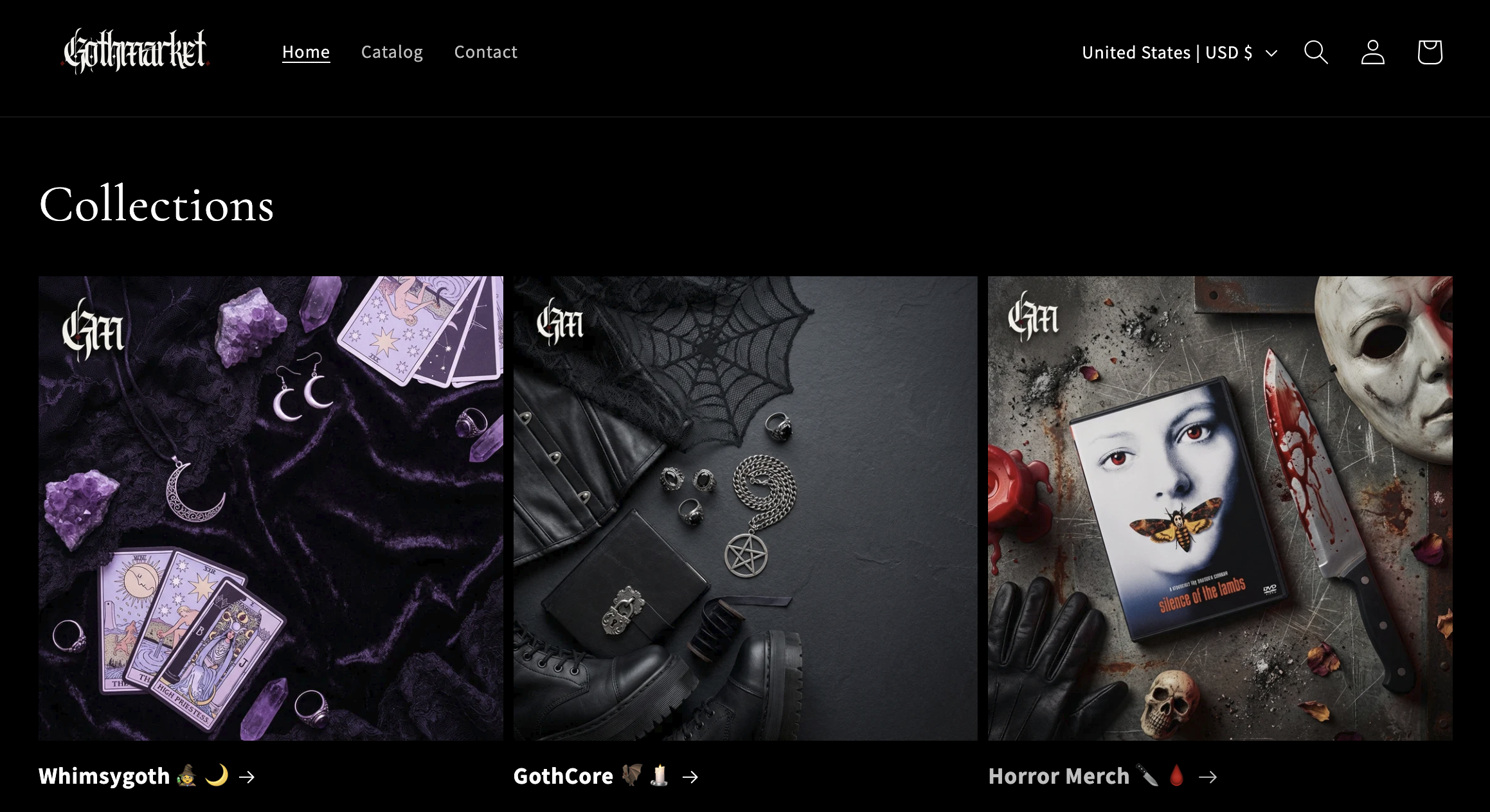
That curation matters because mass-market retailers chase trends broadly, watering down goth and punk aesthetics into something safe enough for a general audience. A curated marketplace does the opposite: it prioritizes the handcrafted harness, the small-batch occult pendant, the upcycled leather cuff, the pieces that actually carry weight within the subculture. You browse knowing every listing has already cleared a bar for craftsmanship and authenticity that open marketplaces don’t enforce.
Start by browsing the gothic and alternative accessories collections to see what’s currently available from independent makers, and build your next signature piece from there.
Sources
- Capsule Accessories Guide 2026 | Build a Collection That Matches Every Outfit - ANAYZAS
- How to Build an Accessory Collection That Actually Gets Used - Are You Fashion
- Fire-hose accessories collection - Elvis & Kresse
FAQ
How do I create a cohesive alternative accessories collection?
Pick one dominant metal tone and hardware finish, then repeat it across most of your pieces. Cohesion comes from consistency in materials and finishes, not from every item matching a single theme exactly.
How do I develop an alternative aesthetic if I’m just starting out?
Audit what you already wear, identify the pieces that feel most “you,” then build outward with 6 to 10 versatile items in your chosen metal tone before adding louder statement pieces. Give yourself a few months rather than trying to assemble a full aesthetic overnight.
What are the basic principles for choosing accessories?
Match your metal and hardware finishes, balance scale so one loud piece doesn’t compete with another, and let one anchor item carry each outfit while everything else supports it. Comfort and ease of care matter too, since pieces that are easy to wear daily get worn far more often than pieces chosen for novelty alone.
How many pieces should a starter alternative accessories collection have?
Somewhere between 8 and 15 pieces is a practical starting size, based on general capsule accessory guidance. That’s enough variety to build several complete outfits without overwhelming your budget or your storage space.
Is real leather or vegan leather better for alt accessories?
Real leather ages with character and holds up better under heavy daily wear, but needs periodic conditioning. Vegan leather is lower maintenance and often cheaper, though it can crack or peel faster, especially with heat exposure, so it suits occasional statement pieces better than daily-wear items.
Where can I find authentic, handcrafted alternative accessories?
Indie makers on curated marketplaces, vintage shops, estate sales, and craft fairs are the most reliable sources for genuinely subculture-authentic pieces. Goth.Market specifically curates independent creators making gothic, occult, and dark-alt items, which filters out the mass-produced stock you’d otherwise have to sort through elsewhere.
How often should I rotate or update my accessories collection?
Add one or two new pieces a month rather than buying in bulk, and rotate heavier leather and layered items in during colder months while lighter chains and hosiery take over in warmer ones. That pace keeps your whole collection in active use instead of letting half of it sit forgotten in a drawer.