

Alternative Fashion Styling Tips for Bold Self-Expression
TL;DR:
- Alternative fashion emphasizes building a personal aesthetic with contrasting statement pieces and neutral basics. It relies on layering textures and accessories to express identity while maintaining intentional restraint. Confidence develops through repeated public wear and trusting personal taste over subcultural rules.
Alternative fashion styling is the practice of building a personal aesthetic through intentional contrast, statement pieces, and foundational basics that reflect who you are rather than what trends dictate. Unlike mainstream fashion, alternative style treats clothing as a form of communication. The best alternative fashion styling tips share one principle: combine a neutral base with high-impact elements to create looks that feel deliberate, not accidental. This guide covers how to build your wardrobe foundation, choose accessories with purpose, layer textures for depth, and develop the confidence to wear it all without apology.
What are the best alternative fashion styling tips for beginners?
Alternative styling works best when you treat your wardrobe as a system, not a collection of random pieces. A foundational outfit formula combines 70–80% neutral basics with 20–30% high-impact statement accessories. That ratio gives you visual breathing room while still delivering the edge that defines alternative aesthetics.
The goal is not to wear everything at once. Restraint is what separates a curated alternative look from a costume. Start by identifying two or three aesthetic directions that genuinely excite you, whether that is gothic, punk, bohemian, or a hybrid of all three, then build toward them deliberately.
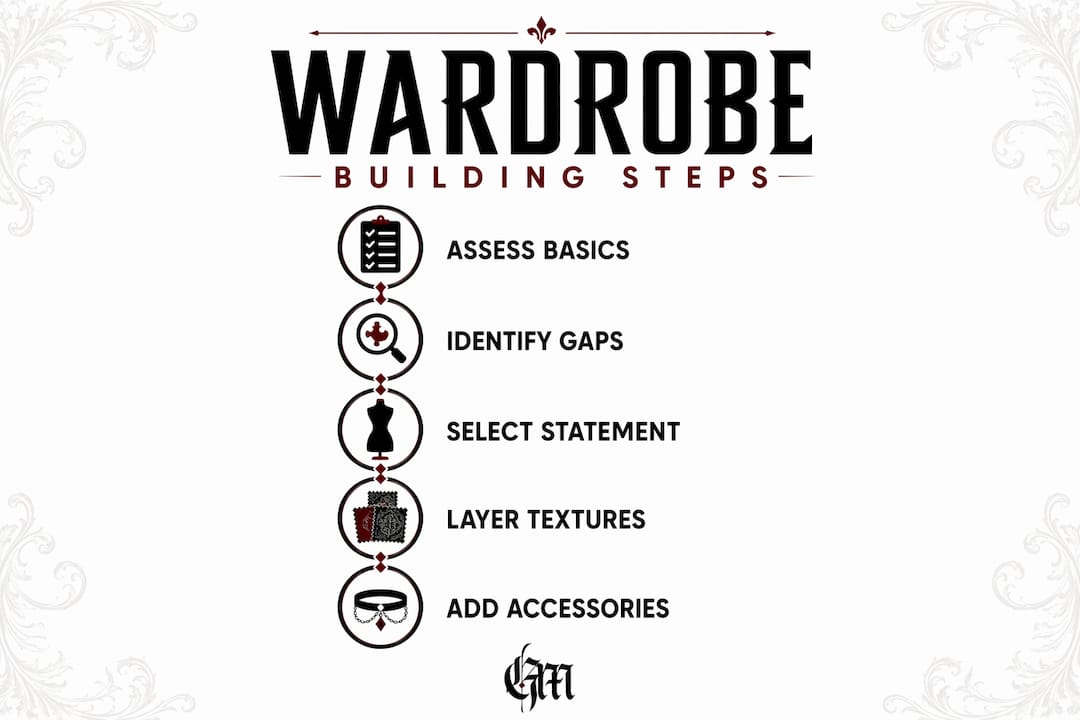
Pro Tip: Before buying anything new, photograph your current wardrobe laid flat. Gaps become obvious immediately, and you will stop buying duplicates of what you already own.
How to build a versatile base wardrobe for alternative styling
Anchor pieces are neutral staples that balance chaotic statement items and prevent an outfit from becoming visually overwhelming. Without them, even the best accessories look like clutter. With them, a single bold piece becomes the focal point it deserves to be.
Your core wardrobe for alternative styling should include:
- Black trousers and fitted tees. These are the backbone of almost every alternative look. They pair with everything from corsets to oversized band hoodies.
- Baggy or wide-leg pants. Silhouette contrast is a key tool in alternative styling. Pairing a fitted top with wide pants creates shape without effort.
- Oversized hoodies and worn-in tees. These add a relaxed, lived-in quality that softens harder statement pieces like studded belts or platform boots.
- Tights in black, fishnet, or textured patterns. Tights are one of the most versatile layering tools in alternative fashion. They work under shorts, skirts, or even layered over each other.
- A simple dark cardigan or shrug. This bridges the gap between casual and dressed-up without disrupting the aesthetic.
The logic behind this list is simple. Neutral basics do not compete with your statement pieces. They frame them. When you know your gothic wardrobe essentials are solid, getting dressed becomes faster and less stressful.
Pro Tip: Thrift stores are the best source for worn-in basics. Pre-loved tees and trousers already have the texture and softness that new fast-fashion pieces lack.
What statement pieces and accessories define alternative looks?
Silver chunky jewelry, layered chains, corsets, platform boots, and distressed elements are the core statement pieces that add immediacy and edge to alternative outfits. These items do more than decorate. They signal aesthetic intent and communicate identity before you say a word.
Accessories in alternative fashion carry meaning. A layered chain necklace references punk and goth traditions simultaneously. A corset worn over a tee blends Victorian structure with modern casualness. Platform boots add height and attitude in one move. Choosing accessories that resonate personally, rather than copying a look wholesale, is what makes the difference between wearing alternative fashion and owning it.
Beginners start with one or two statement pieces that reflect their actual interests, then expand from there. This approach builds a recognizable aesthetic over time rather than creating a scattered wardrobe with no clear direction.
Here is a breakdown of statement piece categories and their styling function:
| Statement piece | Primary function | Best paired with |
|---|---|---|
| Chunky silver rings or cuffs | Adds visual weight to hands and wrists | Simple fitted tees, dark trousers |
| Layered chains (two lengths) | Creates depth at the neckline | Low-cut tops, open collars, corsets |
| Platform boots | Anchors the look with height and structure | Tights, midi skirts, wide-leg pants |
| Corset or structured bodice | Adds shape and contrast over casual layers | Oversized tees, baggy trousers |
| Distressed or DIY pieces | Signals authenticity and creative ownership | Clean basics, solid-color layers |
For gothic accessory ideas that go beyond the basics, mixing metal finishes and layering rings across multiple fingers creates a collected, intentional look rather than a matched set.
Pro Tip: Layer two chains of different lengths before adding a third. Two creates contrast. Three or more requires careful spacing or the look reads as tangled rather than layered.
How does layering work in alternative fashion?
Layering tights under shorts, socks over tights, and shrugs over fitted tops are practical techniques that add both texture and versatility to alternative outfits. Layering is not about wearing more. It is about creating visual complexity that rewards a second look.
Alternative fashion thrives on contrast, specifically the mix of hard and soft, rough and smooth materials. Denim paired with lace, leather over a knit, or a sheer mesh top under a structured jacket all create the kind of textural tension that makes alternative looks feel intentional rather than accidental.
A reliable layering sequence to follow:
- Start with your base layer. A fitted tee, tank, or turtleneck sets the foundation. Keep it simple and close to the body.
- Add a mid-layer for texture. A flannel shirt worn open, a mesh top over a solid, or a cropped knit over a longer tee introduces the first layer of visual interest.
- Introduce a structural outer layer. A leather jacket, oversized blazer, or long cardigan adds shape and frames the layers beneath it.
- Use legwear as a layering tool. Fishnet tights under ripped tights, or patterned socks pulled over plain tights, add detail at the leg without adding bulk.
- Finish with accessories that tie the layers together. A belt worn over a jacket, a scarf tied at the waist, or stacked bracelets connect the layers visually.
DIY distressing techniques like ripped tights or cut-up tees add texture and contrast that feel authentic rather than manufactured. This approach also keeps costs low while making pieces feel genuinely personal.
Hats are an underrated layering tool in alternative styling. A wide-brim hat or a structured cap can shift the entire mood of an outfit. A well-chosen hat works across gothic, bohemian, and punk aesthetics depending on the material and silhouette. The UrbanCaps guide to styling caps covers how to match headwear to outfit structure, which is worth reading before committing to a hat as a signature piece.
How do you build confidence in alternative styling?
Confidence in alternative styling is built by repeatedly wearing unconventional combinations in public, which normalizes the aesthetic for the wearer over time. Confidence is not a personality trait you either have or lack. It is a skill built through practice.
The biggest barrier most people face is seeking external approval before they feel ready to commit to a look. That approval rarely comes on schedule, and waiting for it keeps you stuck in safe, forgettable outfits.
“True mastery in alternative styling happens when the look feels natural and unmistakably your own. Style excels when the wearer prioritizes instincts over rigid subcultural rules.”
Start small if the full commitment feels like too much. Add one alternative element to an otherwise familiar outfit. Wear the platform boots with jeans you already own. Add the chunky ring to a plain outfit. Each small step builds the muscle memory that makes bolder choices feel natural later.
Practical steps for building style confidence:
- Wear one new alternative piece per week in a low-stakes setting, like running errands or meeting a friend.
- Photograph outfits that feel right. Reviewing them later helps you identify what actually works versus what felt good in the moment.
- Ignore the idea that alternative fashion requires full commitment to one subculture. Alternative style is less about strict adherence to rules and more about trusting personal instincts.
- Accept that some outfits will miss. That is part of the process, not a sign you are doing it wrong.
Your guide to alternative lifestyle fashion covers how to prioritize personal taste over subculture norms, which is the single most useful mindset shift for anyone developing an alternative aesthetic.
Key Takeaways
Alternative fashion styling works best when neutral basics anchor bold statement pieces, layering adds texture, and personal instinct drives every choice over subcultural rules.
| Point | Details |
|---|---|
| Use the 70–80% basics rule | Build outfits with mostly neutral pieces so statement items stand out clearly. |
| Start with one or two statement pieces | Choose accessories that reflect your actual interests before expanding the wardrobe. |
| Layer for texture, not volume | Combine rough and smooth materials to create visual depth without adding bulk. |
| Build confidence through repetition | Wear unconventional combinations regularly in public to normalize the aesthetic for yourself. |
| Prioritize instinct over subculture rules | Alternative fashion is defined by personal expression, not strict adherence to any one aesthetic. |
Why I think most alternative styling advice gets it backwards
Most guides lead with the statement pieces. They show you the platform boots, the corsets, the layered chains, and tell you to go build a look around them. That approach creates a wardrobe full of expensive statement pieces with nothing to anchor them.
The advice I would give anyone starting out is to build the boring part first. Spend real time and real money on your basics. The black trousers that fit perfectly, the tees that drape right, the tights that do not fall apart after two wears. Those pieces are what make your statement items look intentional rather than desperate.
The other thing most guides skip entirely is the psychological side. Alternative fashion attracts people who feel like they do not fit the mainstream, and then those same people spend years seeking approval from within their chosen subculture instead. Gothic enough? Punk enough? Cottagecore enough? The question itself is the trap. The alternative fashion identity you build should answer to you, not to a community consensus.
Mixing subcultures is not a mistake. It is the most honest version of alternative styling. A gothic silhouette with bohemian jewelry and a punk DIY element is not confused. It is specific to one person, which is the entire point.
— Rey
Where to find curated pieces that match your alternative aesthetic
Building an alternative wardrobe is easier when you shop from sources that understand the aesthetic from the inside out. Goth curates clothing, accessories, and statement pieces specifically for the dark and alternative community, connecting independent creators with people who want pieces that carry real character.
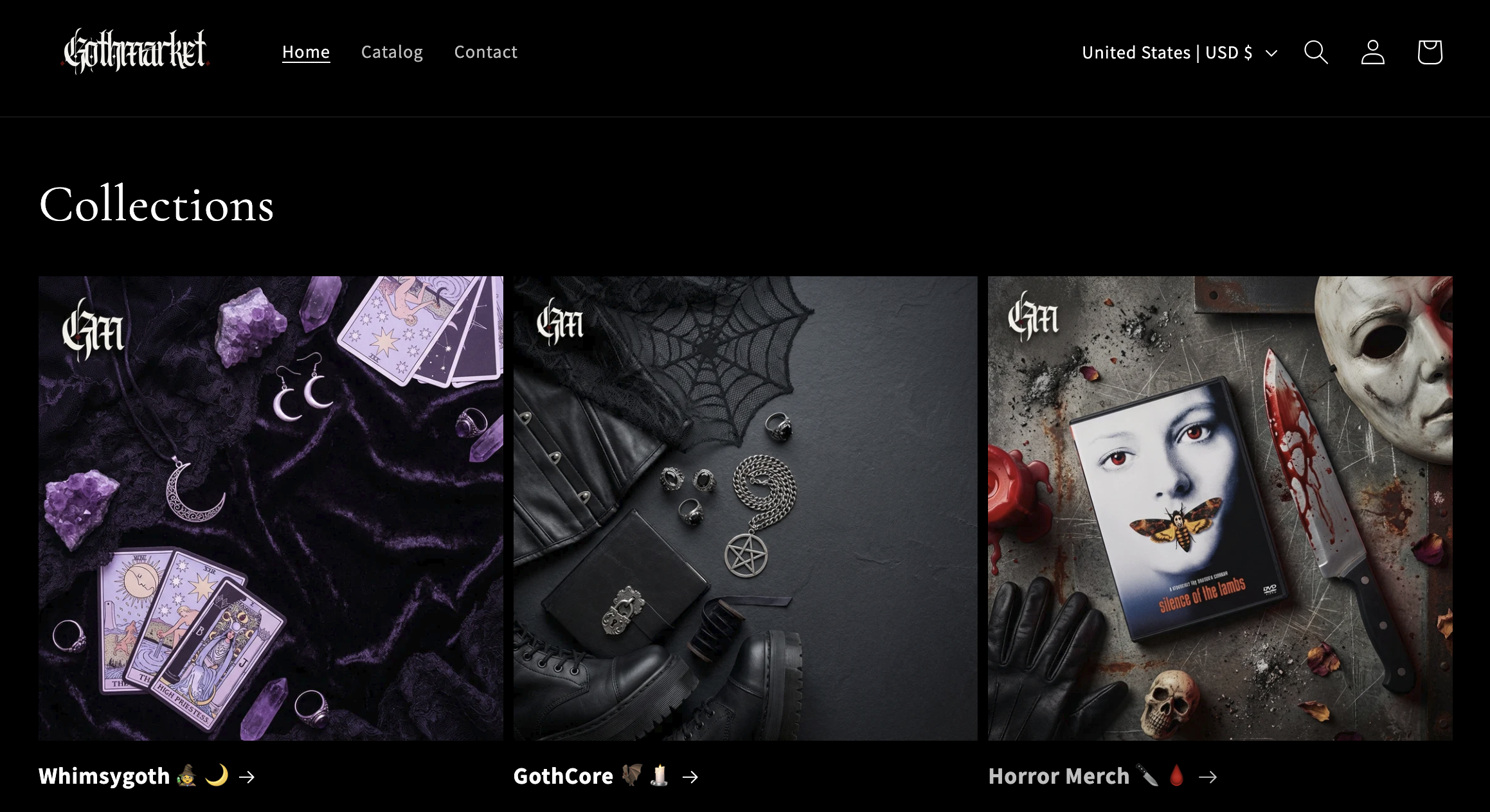
Whether you are looking for standout gothic accessories to anchor a new look or foundational wardrobe pieces that hold up to creative layering, Goth offers a catalog built around authenticity rather than mass production. Independent vendors on the platform create items you will not find in mainstream retail, which means your wardrobe stays genuinely yours. Visit Goth Market to browse the full selection and find pieces that match where your style is heading.
FAQ
What is the easiest way to start dressing alternative?
Start with one or two statement accessories that reflect your personal interests and pair them with neutral basics you already own. This approach builds a recognizable aesthetic without requiring a full wardrobe overhaul.
How do I mix alternative subcultures without looking inconsistent?
Choose pieces from different subcultures that share a common element, such as color palette, texture, or silhouette, and use neutral basics to tie them together. Intentional mixing reads as personal style, not confusion.
What are the best accessories for an alternative look?
Chunky silver jewelry, layered chains of different lengths, platform boots, and distressed or DIY pieces are the most versatile statement accessories in alternative fashion. Each carries aesthetic meaning beyond decoration.
How do I build confidence wearing alternative fashion in public?
Wear one new alternative element at a time in low-stakes settings and repeat the experience regularly. Confidence in unconventional styling builds through repetition, not through a single bold decision.
Do I need to follow strict subculture rules to dress alternative?
Alternative fashion is defined by personal expression, not subculture compliance. Trusting your instincts and evolving your look with intention produces more authentic results than following any external rulebook.