

Marketing Gothic Products in 2026: Strategies That Sell
TL;DR:
- The gothic market is rapidly expanding, driven by demand for textured and expressive fashion. Authentic branding, strong community engagement, and platform-specific content are essential for success in 2026. Building trust through visual consistency and genuine storytelling creates loyal, premium customers within this niche.
The gothic market is growing faster than most niche entrepreneurs realize. If you are selling gothic products in 2026 and struggling to stand out, the problem usually isn’t your product. It’s how you’re positioning it. Marketing gothic products 2026 means navigating a market where velvet tops are up 90% year over year and new aesthetic substyles are reshaping buyer expectations every season. This guide gives you the frameworks, platform strategies, and branding tactics to compete and win in that market.
Table of Contents
- Key takeaways
- Marketing gothic products 2026: reading the market first
- Building a gothic brand that actually looks the part
- Executing your digital marketing strategy
- Troubleshooting your campaigns and measuring what works
- Building long-term gothic brand loyalty
- My honest take on marketing gothic products
- Find your gothic products at Goth
- FAQ
Key takeaways
| Point | Details |
|---|---|
| Gothic demand is surging | Velvet, fishnet, and corset categories are all posting double-digit growth, signaling strong consumer appetite. |
| Authenticity drives trust | Using genuine gothic typography and consistent visual identity separates premium brands from generic sellers. |
| Platform selection matters | TikTok, Instagram, and Pinterest are where gothic consumers discover products and build wishlist intent. |
| Avoid aesthetic inconsistency | Mismatched branding elements undermine perceived quality faster than any single design mistake. |
| Community beats virality | Long-term gothic brand loyalty comes from deep community engagement, not one-off viral posts. |
Marketing gothic products 2026: reading the market first
Before you write a single ad or post a product photo, you need to understand what gothic consumers are actually buying and why they’re buying it now.
The numbers are striking. Consumer demand for gothic apparel has hit record highs, with fishnet bodysuits up 86% and corsets up 43% year over year. This isn’t a Halloween spike. It’s a sustained cultural shift away from clean minimalism and toward expressive, texture-heavy fashion. Buyers are treating gothic pieces as high-fashion wardrobe investments, not costumes.
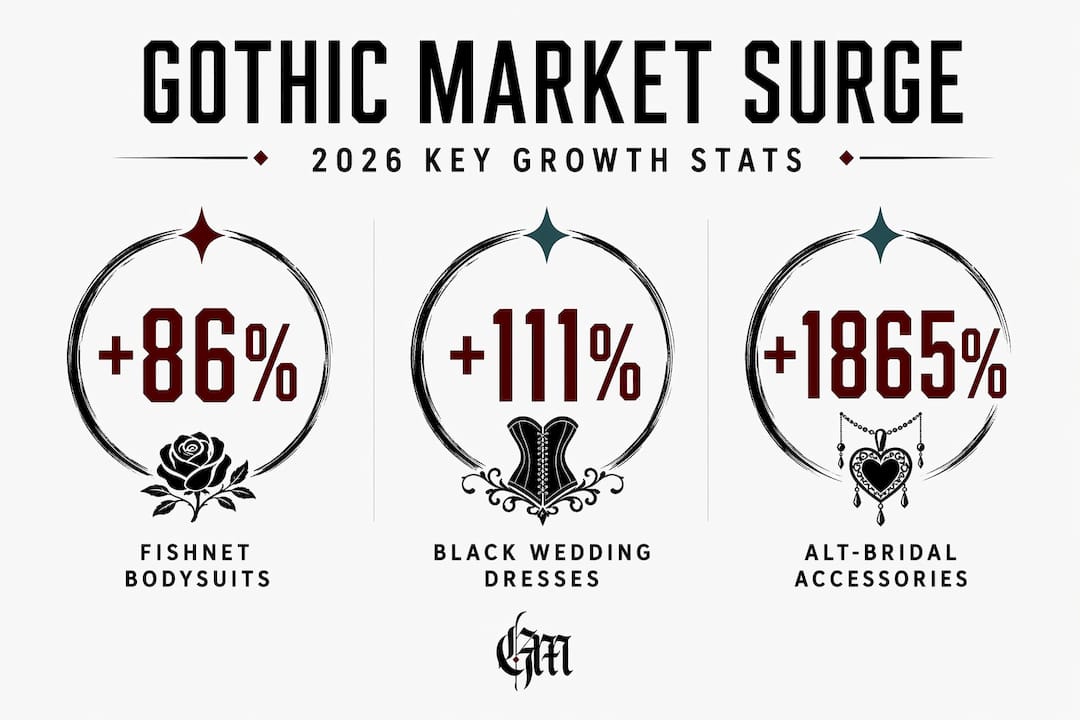
The bridal market tells the same story from a different angle. Black gothic wedding dress searches on Pinterest are up 1,330%, and corseted drop-waist gowns are up 1,405%. Bespoke pieces in this category start above $2,800, which tells you exactly what kind of buyer is entering the gothic space: someone with real purchasing power and very specific taste.
Two aesthetic movements are shaping gothic product trends 2026 more than anything else. The first is Emotional Maximalism, which prioritizes texture, chaos, and imperfection over polished presentation. Gothic lips, smudged artistry, and layered textiles are all signals of this trend. The second is Glitch Goth, a post-AI anti-aesthetic that blends magical, futuristic, and chaotic visual elements. It positions gothic products as tools for identity experimentation, not just style.
To find your niche within this market, ask yourself three questions:
- Are you speaking to traditional goths who value heritage aesthetics like Victorian and Edwardian motifs?
- Are you targeting the new wave of Glitch Goth and alt-fashion consumers who want boundary-pushing visuals?
- Are you serving lifestyle buyers who want gothic decor, fragrance, or accessories rather than clothing?
Pro Tip: Check the gothic fashion checklist for 2026 to map your product offerings against what consumers are actively building in their wardrobes.
Building a gothic brand that actually looks the part
Most gothic product sellers underestimate how quickly a buyer decides whether a brand is authentic. It happens in seconds, before they read a single word of product copy. Your visual identity either earns trust or loses it at first glance.
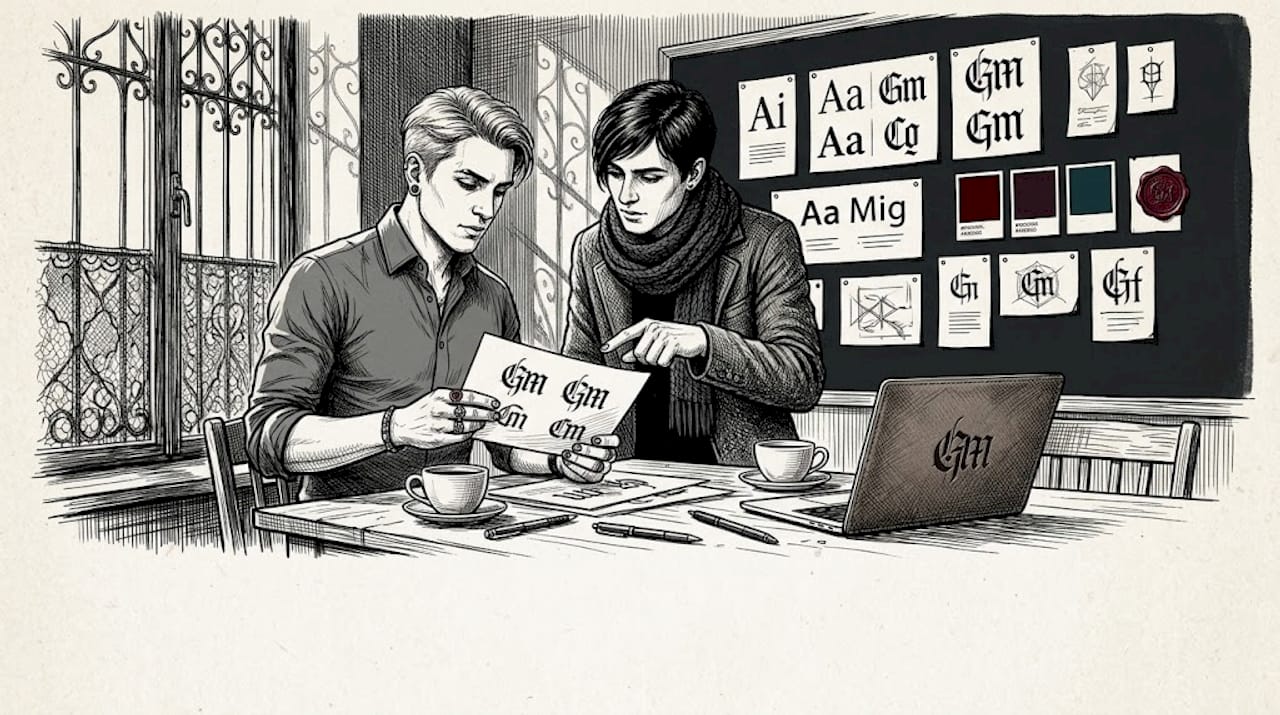
Typography is where most small brands fail first. Generic fonts weaken brand perception immediately for gothic audiences, while authentic Blackletter and gothic typography signals quality and raises perceived value. Gothic consumers are visually literate. They recognize a default system font on a product mockup just as fast as a typographer would. Investing in proper gothic font generators or working with a designer who understands medieval lettering pays back in higher conversion rates.
Your brand story matters just as much as your visuals. Gothic lifestyle products marketing that connects emotionally tends to lean into specific narratives: transformation, darkness as beauty, the sacred and the profane, or rebellion against the mundane. Your “about” page, product descriptions, and social bios should all speak from within that story, not just describe products.
Here is what visual consistency looks like in practice:
- Product photography uses consistent dark or moody backgrounds, never generic white studio shots
- Packaging materials (tissue paper, stickers, mailers) extend the gothic aesthetic into the unboxing experience
- Font choices stay within a defined system of one or two gothic-adjacent typefaces
- Color palettes anchor around blacks, deep crimsons, purples, and aged gold rather than shifting between campaigns
The bridal accessory data reinforces this point. Alt-bridal accessory searches like fascinators are up 1,865%, but buyers do not purchase accessories in isolation. They purchase toward a complete aesthetic vision. When your branding creates that coherent vision for them, you reduce their decision friction and increase average order values.
Pro Tip: Read the gothic branding guide for creators before your next product launch to tighten your visual identity across every customer touchpoint.
Executing your digital marketing strategy
Knowing your market and having a solid brand identity sets the foundation. Now you need to reach buyers. Here is a step-by-step approach to gothic fashion marketing strategies that work in 2026.
Step 1: Choose platforms where gothic consumers are actually active. TikTok, Instagram, and Pinterest are your three primary channels. TikTok drives discovery through aesthetic content and trend-driven videos. Instagram sustains community through curated grids and Stories. Pinterest captures high-intent buyers in research and planning mode, which is why the bridal data from Pinterest is so significant.
Step 2: Create content that participates in trends rather than chasing them. Glitch Goth content that feels genuinely experimental will outperform polished brand videos because authenticity is the entire point of the aesthetic. Post product styling videos that show texture, layering, and visual chaos. Show the making-of process for handcrafted items. Let imperfection work for you, not against you.
Step 3: Partner with gothic creators and micro-influencers strategically. Micro-influencers in the gothic space (under 50,000 followers) often have deeply engaged communities with conversion rates that outperform celebrity accounts. Look for creators who already wear or use products like yours, not just gothic aesthetics broadly.
Step 4: Build community, not just reach. Host live Q&A sessions on Instagram, participate in gothic-specific Reddit communities, and engage in TikTok comment sections. The gothic subculture has always valued belonging. Brands that show up as community members rather than advertisers earn loyalty that paid traffic cannot buy.
Step 5: Do not overlook fragrance and sensory products as a marketing angle. Gothic perfume searches on TikTok and Google are up 300%+ year over year. Even if you don’t sell fragrance, understanding that gothic consumers respond to sensory storytelling and packaging design tells you how to frame your own products.
Pro Tip: When working with influencer partners, send a complete gothic aesthetic kit rather than a single product. Full styling packages produce richer content and higher-quality visual endorsements.
Troubleshooting your campaigns and measuring what works
Even well-prepared gothic brands hit walls. The most common mistakes and how to address them are worth knowing before you launch, not after.
| Common mistake | What it signals | How to fix it |
|---|---|---|
| Generic or mismatched fonts | Low authenticity, reduced trust | Rebuild with proper Blackletter or gothic typefaces |
| Inconsistent visual identity | Confuses buyers across platforms | Define a strict brand style guide before posting |
| Weak product storytelling | No emotional connection | Write origin stories and product narratives tied to gothic values |
| Ignoring accessory coherence | Incomplete aesthetic vision | Bundle or cross-promote products that complete a look |
| Over-reliance on one platform | Fragile traffic base | Diversify across TikTok, Instagram, and Pinterest simultaneously |
When you track performance, focus on metrics that actually matter for niche marketing. These include:
- Engagement rate per post rather than raw follower counts
- Repeat purchase rate as an indicator of community loyalty
- Average order value, since gothic consumers who connect with your brand spend significantly more per transaction
- Save and share rates on Pinterest and Instagram, which signal buyer intent more reliably than likes
Consistent visual branding directly improves customer trust and loyalty in gothic niche segments. If your analytics show high traffic but low conversion, inconsistent aesthetics are usually the culprit. Run a content audit and look at whether your platforms, packaging, and website tell a single coherent story.
Successful gothic brands that have pivoted well tend to do one thing consistently. They listen to the community before making changes. When Glitch Goth started gaining traction on TikTok, smart brands were already testing distressed textures and digital-glitch inspired graphics in their product imagery. They didn’t wait for the trend to peak.
Building long-term gothic brand loyalty
Following this strategy should produce specific, measurable outcomes over a 6 to 12 month period. You can expect to see stronger engagement from a more defined audience, reduced ad spend waste from better audience targeting, and higher average order values as your brand earns premium positioning.
The gothic market rewards depth. Understand what defines goth clothing in 2026 and apply that knowledge to your product development as well as your marketing. Buyers in this niche are well-informed and will notice when a brand genuinely understands the subculture versus when it’s applying a surface-level gothic filter to a generic product catalog.
As best gothic merchandise 2026 trends keep evolving, especially with Emotional Maximalism and Glitch Goth continuing to diversify the space, the brands with loyal community bases will have a significant advantage. They can introduce new product lines with built-in audiences rather than starting cold every time.
Pro Tip: Create a private community space, whether a Discord server, a Facebook group, or a Patreon tier, where your most loyal gothic customers get early access to new products. This turns buyers into advocates who promote for you organically.
Expanding your product line should follow community signals rather than broad trend reports. If your gothic jewelry customers are asking about dark decor, that’s a data point. If your clothing buyers are tagging your brand alongside fragrance posts, that’s an opportunity. Let the community tell you where to grow.
My honest take on marketing gothic products
I have watched gothic brands make the same mistake repeatedly. They discover that the market is growing, they launch fast, and they use generic dark aesthetics because it looks close enough. It is not close enough. Not to this audience.
What I have found through watching dozens of these brands succeed and fail is that the gothic community has an almost allergic reaction to inauthenticity. You can spend thousands on paid social ads and watch them underperform because the product photography used a wrong-era font or the packaging felt like it came from a Halloween dollar-bin supplier. The community notices. They discuss it.
My strongest piece of advice: spend more time inside gothic communities before you market to them. Lurk in TikTok comment sections. Read the Reddit threads. Buy from other gothic brands and observe how the experience makes you feel. The role of goth in modern fashion trends has never been larger, but its consumers are also more discerning than ever. They have more options and sharper eyes.
One counter-intuitive lesson I keep coming back to: Glitch Goth surprised a lot of established gothic brands because it looked nothing like their existing aesthetic identity. The brands that leaned into it and experimented publicly gained audience trust faster than the brands that stayed silent waiting to see if it would stick. Showing your evolution publicly is not weakness. It’s proof that you actually live in the subculture.
Virality is a bonus. Community is the business.
— Rey
Find your gothic products at Goth
If you are building a gothic brand or curating a product line for dark aesthetic consumers, you need a platform that already understands your buyers. Goth is a curated marketplace built specifically for the alternative, gothic, and occult subcultures, connecting independent creators with shoppers who are actively looking for exactly what you sell.
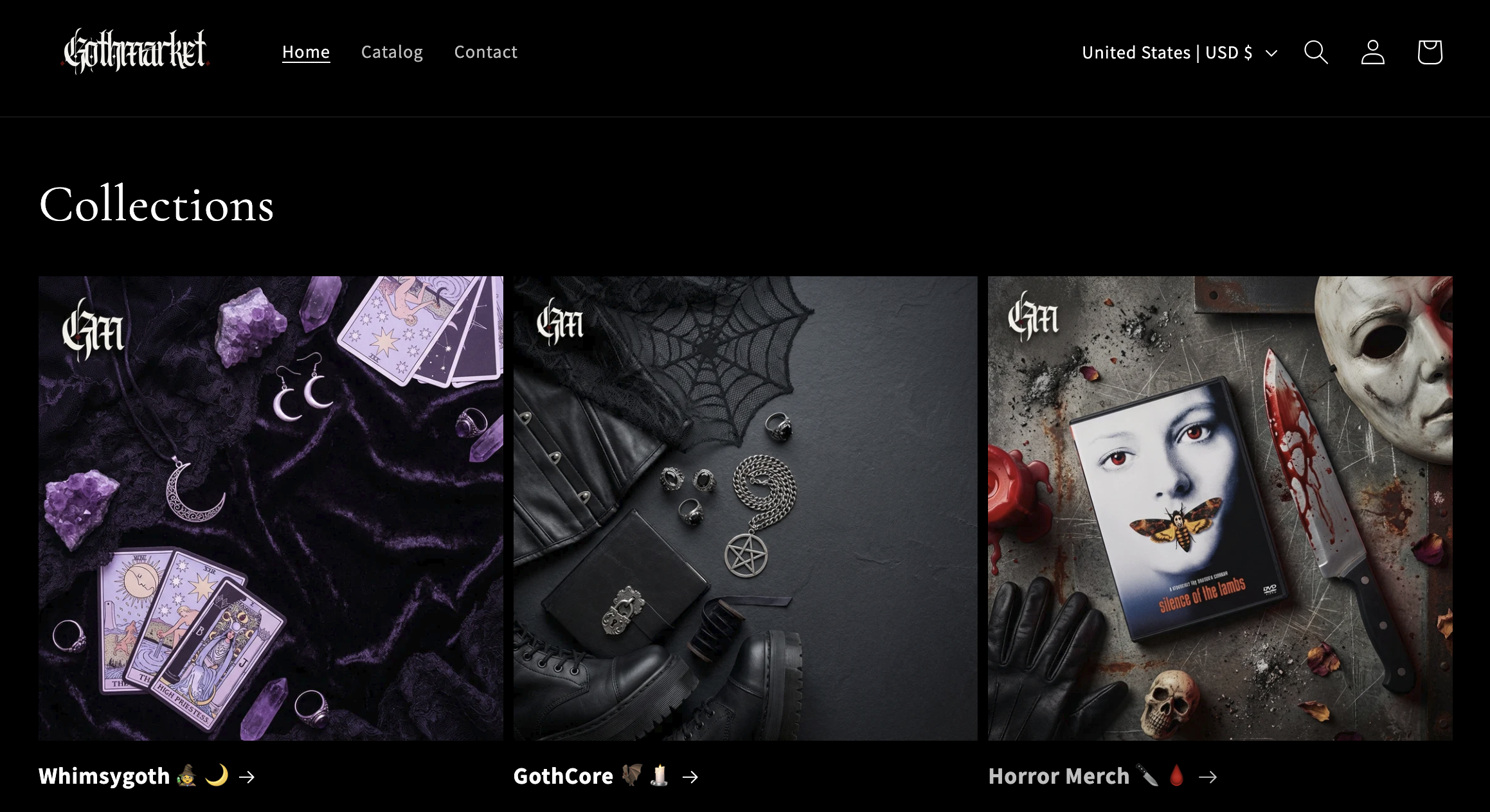
Explore the gothic jewelry collection to find pieces that anchor complete aesthetic looks, from serpent-inspired rings to occult pendants that align with 2026’s storytelling-forward buying behavior. For brands exploring the softer, whimsical side of dark aesthetics, the Whimsygoth collection offers products that blend gothic and playful elements in ways that open up new customer segments. Whether you’re stocking your shop or sourcing inspiration for your next product drop, Goth gives you direct access to what gothic consumers are actually buying right now. Smart gothic sellers use wholesale best practices alongside curated marketplace listings to maximize reach and margins simultaneously.
FAQ
What are the biggest gothic product trends in 2026?
Velvet tops, fishnet bodysuits, and corsets are all posting strong year-over-year growth, while Emotional Maximalism and Glitch Goth are the dominant aesthetic movements shaping how consumers buy and style gothic pieces.
How do I sell gothic products to a niche audience effectively?
Focus on authentic gothic typography, consistent visual identity across all platforms, and deep community engagement rather than broad paid advertising. Gothic consumers prioritize authenticity and will support brands that demonstrate genuine subculture knowledge.
Which platforms work best for online marketing for gothic brands?
TikTok drives discovery, Instagram sustains community, and Pinterest captures high-intent buyers in planning mode. A presence across all three gives you the best coverage of where gothic consumers actively spend their time and money.
Why does gothic typography matter so much for branding?
Authentic gothic fonts signal quality and increase perceived brand value among gothic consumers, while generic fonts signal low authenticity and reduce conversion rates.
How do I know if my gothic marketing campaign is working?
Track engagement rate, repeat purchase rate, average order value, and save or share rates on visual platforms. These metrics reflect genuine community connection better than follower counts or raw impression numbers.